Rakesh Sandal Industries — Verified Supplier

About Rakesh Sandal Industries - Essential Oils Supplier in India

India is the source country for Rakesh Sandal Industries, which lists 93 active products in its catalogue. The supplier focuses on essential oils, including a range of botanical extracts such as Cypriol Oil, Holy Basil Oil, Chamomile Blue Oil, and many others. Each product is identified by its botanical name and falls under the HS chapter 33 for essential oils. The catalogue currently enumerates oils derived from eucalyptus, ajwain, bergamot, black pepper, clove leaf, and ginger, among others. The product list reflects a broad spectrum of aromatic and therapeutic oils commonly used in fragrance, cosmetics, and nutraceutical applications.

The listed oils belong to the essential oil category, which is classified under HS code 3301.00 for vegetable and aromatic oils. The catalogue includes both single‑plant extracts such as Eucalyptus Oil and blended or specialty oils like Davana Oil. Because the supplier does not provide specific certifications in the facts, buyers should verify standard quality documents. The product range covers both cold‑pressed and steam‑distilled extracts, matching typical industry processing methods. This breadth allows sourcing for applications ranging from aromatherapy to flavoring.

Product Range and Specialties of Rakesh Sandal Industries

Rakesh Sandal Industries offers a catalogue of 93 essential oil products, covering common aromatics such as Eucalyptus, Bergamot, and Clove Leaf, as well as niche oils like Galangal, Cypriol, and Davana. In the essential oil market, grades are often described as therapeutic, food‑grade, or perfumery grade, with specifications including GC‑MS fingerprinting, minimum oil content percentages, and limits on residual solvents. Typical purity levels for high‑quality essential oils range from 95 % to 99 % by weight, and suppliers frequently provide a Certificate of Analysis confirming these parameters. Buyers also encounter standard packaging formats such as 100 ml amber glass bottles, 250 ml PET containers, and bulk 25 kg drums, which align with the product list.

Industry standards for essential oils from India frequently reference ISO 9235 for aroma substances and the International Fragrance Association (IFRA) guidelines for safe use levels. Commonly requested certifications include ISO 9001 quality management, GMP for pharmaceutical‑grade oils, and organic certifications when the raw material is cultivated organically. Buyers often compare specifications such as the oil’s refractive index, specific gravity, and flash point, which are critical for formulation stability. The supplier’s catalogue includes both monoterpene‑rich oils like Citronella and sesquiterpene‑dominant oils such as Patchouli, reflecting the chemical diversity typical of Indian botanical sources.

Trade and Export Information - Rakesh Sandal Industries

India is a major exporter of essential oils, with HS chapter 33 (code 3301) covering most of the listed products. Key import markets include the United States, European Union, Middle East, and Southeast Asia, where the oils are used in cosmetics, personal care, food flavoring, and aromatherapy. Export shipments are usually packed in 100 ml to 1 L glass bottles for retail and 25 kg steel drums for bulk industrial use, often under CIF or FOB terms. Indian exporters commonly adhere to phytosanitary regulations and may need to provide a phytosanitary certificate alongside the Certificate of Analysis.

Buyers typically request ISO 9001 or GMP compliance documentation, as well as any organic certification if required for natural product claims. Regulatory considerations include REACH registration for the EU market and FDA compliance for food‑grade applications in the United States. The logistics of shipping essential oils demand careful handling due to flammability; many carriers classify them as hazardous goods under UN 3175, requiring appropriate labeling and packaging. These trade practices apply to the product categories listed by Rakesh Sandal Industries.

Sourcing from Rakesh Sandal Industries - Buyer Guidance

When sourcing essential oils from this supplier, buyers should request a recent Certificate of Analysis that includes GC‑MS profiles, purity percentages, and physical parameters such as refractive index and specific gravity. It is advisable to confirm the extraction method - steam distillation or cold pressing - as it influences both aroma profile and suitability for intended applications. Sample orders of 10 ml to 100 ml are standard for evaluating scent and performance before committing to bulk quantities.

Buyers must verify that the supplier can provide any required certifications, such as ISO 9001, GMP, or organic certificates, and that the product complies with destination‑specific regulations like REACH or FDA standards. Typical minimum order quantities for bulk essential oils range from 5 kg to 25 kg per SKU, with lead times of 2‑4 weeks after sample approval. Packaging specifications, including inner container material and outer shipping crates, should be confirmed to ensure product integrity during transit.

Frequently Asked Questions About Rakesh Sandal Industries

What HS code applies to the essential oils listed by Rakesh Sandal Industries?

The essential oils listed are classified under HS code 3301.00, which covers vegetable and aromatic oils. This code is used for customs declarations in most importing countries.

Which quality documents should I request before purchasing?

Buyers should request a recent Certificate of Analysis that includes GC‑MS profiling, purity percentage, and physical parameters. In addition, any ISO 9001 quality management or GMP certificates that the supplier holds should be provided.

What are the typical packaging options for bulk orders?

For bulk shipments, the common containers are 25 kg steel drums or 200 L polyethylene bulk containers. Smaller quantities are typically packed in 100 ml to 1 L amber glass bottles for retail use.

Are there standard purity levels for these oils?

Therapeutic and perfumery‑grade essential oils generally achieve purity levels between 95 % and 99 % by weight. The exact purity should be confirmed on the COA for each oil.

What certifications are normally required for export to the EU?

EU importers usually require REACH registration for each chemical substance, along with a GMP certificate to verify manufacturing standards. An ISO 9001 quality management system certificate is also commonly requested.

What is a typical lead time for a first bulk shipment?

After a sample has been approved, most suppliers schedule production and export within 2 to 4 weeks. The exact lead time depends on order size and the completeness of required export documentation.

How are the oils classified for transport?

Essential oils are classified as hazardous liquids under UN number 3175 due to their flammability. Shipments must comply with IMDG code packaging, labeling, and documentation requirements for hazardous goods.


Featured Products from this Supplier

Other Suppliers in Primary Category

Related Products

Trending in Parent Category

More Suppliers in Category

Related Products

Other Suppliers

EximNext
58.5K+ live requirements
Register Free🎁 Reach verified global buyers
Post Requirement
🌍 Trusted by 224.6K+ businesses in 200+ countries|
58.5K+ active requirements right now
✉️ [email protected]
|
Sell on EximNextPost Requirement
EximNext
AgricultureApparelConstructionElectronicFoodHomeIndustrialMineralsMiscellaneous
🔥 Deals|✨ AI Match|🏭 Suppliers|📋 Buy Leads|💰 Trade Finance
58.5K+ live RFQs·194.6K+ suppliers
🎁 Reach global buyers →
EximNext
EximNext
Register Free
🎁 Reach verified global buyers
Sign In
📋Post Requirement💬Get QuotesAI Match📋RFQ Marketplace
All Categories
Services & Tools
🏭Supplier Directory🔥Today's Deals💰Trade Finance
Sell on EximNext
AboutContactBlogHelp
🏭

Rakesh Sandal Industries

Harbor
Country flag , India
🛡️
77/100
Trust Score

Rakesh Sandal Industries Product Catalog

Showing 12 of 93 products
View all products →
Wheat Germ Oil
Harbor
Wheat Germ Oil
Contact
MOQ: 1 Unit
Evening Prime Rose Oil
Harbor
Evening Prime Rose Oil
Contact
MOQ: 1 Unit
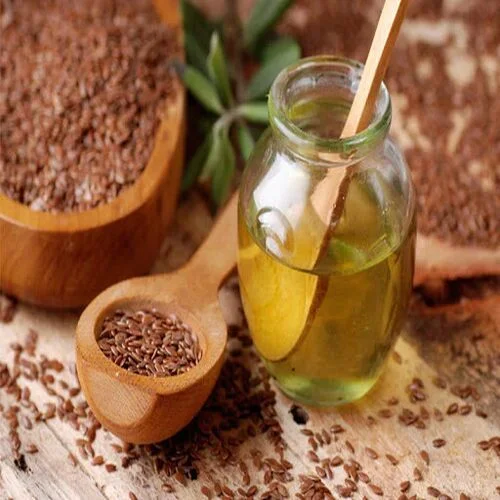
Flax Seed Oil
Harbor
Flax Seed Oil
Contact
MOQ: 1 Unit
Grape Seed Oil
Harbor
Grape Seed Oil
Contact
MOQ: 1 Unit
Jojoba Oil
Harbor
Jojoba Oil
Contact
MOQ: 1 Unit
Luffa Seed Oil
Harbor
Luffa Seed Oil
Contact
MOQ: 1 Unit
Macadamia Oil
Harbor
Macadamia Oil
Contact
MOQ: 1 Unit
Malkangani Seed Oil
Harbor
Malkangani Seed Oil
Contact
MOQ: 1 Unit
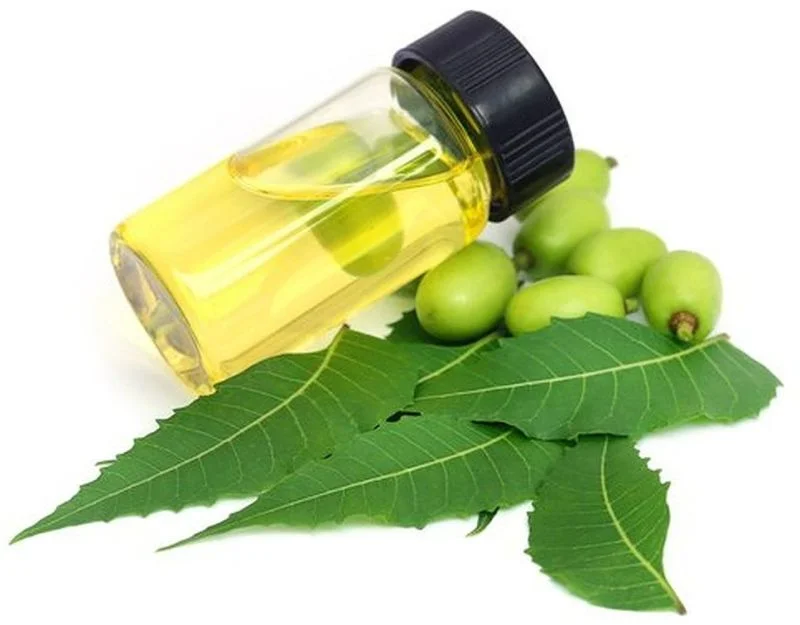
Neem Oil
Harbor
Neem Oil
Contact
MOQ: 1 Unit
Rose Hip Oil
Harbor
Rose Hip Oil
Contact
MOQ: 1 Unit
Safflower Oil
Harbor
Safflower Oil
Contact
MOQ: 1 Unit
Sesame Seed Oil
Harbor
Sesame Seed Oil
Contact
MOQ: 1 Unit

About Rakesh Sandal Industries - Essential Oils Supplier in India

India is the source country for Rakesh Sandal Industries, which lists 93 active products in its catalogue. The supplier focuses on essential oils, including a range of botanical extracts such as Cypriol Oil, Holy Basil Oil, Chamomile Blue Oil, and many others. Each product is identified by its botanical name and falls under the HS chapter 33 for essential oils. The catalogue currently enumerates oils derived from eucalyptus, ajwain, bergamot, black pepper, clove leaf, and ginger, among others. The product list reflects a broad spectrum of aromatic and therapeutic oils commonly used in fragrance, cosmetics, and nutraceutical applications.

The listed oils belong to the essential oil category, which is classified under HS code 3301.00 for vegetable and aromatic oils. The catalogue includes both single‑plant extracts such as Eucalyptus Oil and blended or specialty oils like Davana Oil. Because the supplier does not provide specific certifications in the facts, buyers should verify standard quality documents. The product range covers both cold‑pressed and steam‑distilled extracts, matching typical industry processing methods. This breadth allows sourcing for applications ranging from aromatherapy to flavoring.

Product Range and Specialties of Rakesh Sandal Industries

Rakesh Sandal Industries offers a catalogue of 93 essential oil products, covering common aromatics such as Eucalyptus, Bergamot, and Clove Leaf, as well as niche oils like Galangal, Cypriol, and Davana. In the essential oil market, grades are often described as therapeutic, food‑grade, or perfumery grade, with specifications including GC‑MS fingerprinting, minimum oil content percentages, and limits on residual solvents. Typical purity levels for high‑quality essential oils range from 95 % to 99 % by weight, and suppliers frequently provide a Certificate of Analysis confirming these parameters. Buyers also encounter standard packaging formats such as 100 ml amber glass bottles, 250 ml PET containers, and bulk 25 kg drums, which align with the product list.

Industry standards for essential oils from India frequently reference ISO 9235 for aroma substances and the International Fragrance Association (IFRA) guidelines for safe use levels. Commonly requested certifications include ISO 9001 quality management, GMP for pharmaceutical‑grade oils, and organic certifications when the raw material is cultivated organically. Buyers often compare specifications such as the oil’s refractive index, specific gravity, and flash point, which are critical for formulation stability. The supplier’s catalogue includes both monoterpene‑rich oils like Citronella and sesquiterpene‑dominant oils such as Patchouli, reflecting the chemical diversity typical of Indian botanical sources.

Trade and Export Information - Rakesh Sandal Industries

India is a major exporter of essential oils, with HS chapter 33 (code 3301) covering most of the listed products. Key import markets include the United States, European Union, Middle East, and Southeast Asia, where the oils are used in cosmetics, personal care, food flavoring, and aromatherapy. Export shipments are usually packed in 100 ml to 1 L glass bottles for retail and 25 kg steel drums for bulk industrial use, often under CIF or FOB terms. Indian exporters commonly adhere to phytosanitary regulations and may need to provide a phytosanitary certificate alongside the Certificate of Analysis.

Buyers typically request ISO 9001 or GMP compliance documentation, as well as any organic certification if required for natural product claims. Regulatory considerations include REACH registration for the EU market and FDA compliance for food‑grade applications in the United States. The logistics of shipping essential oils demand careful handling due to flammability; many carriers classify them as hazardous goods under UN 3175, requiring appropriate labeling and packaging. These trade practices apply to the product categories listed by Rakesh Sandal Industries.

Sourcing from Rakesh Sandal Industries - Buyer Guidance

When sourcing essential oils from this supplier, buyers should request a recent Certificate of Analysis that includes GC‑MS profiles, purity percentages, and physical parameters such as refractive index and specific gravity. It is advisable to confirm the extraction method - steam distillation or cold pressing - as it influences both aroma profile and suitability for intended applications. Sample orders of 10 ml to 100 ml are standard for evaluating scent and performance before committing to bulk quantities.

Buyers must verify that the supplier can provide any required certifications, such as ISO 9001, GMP, or organic certificates, and that the product complies with destination‑specific regulations like REACH or FDA standards. Typical minimum order quantities for bulk essential oils range from 5 kg to 25 kg per SKU, with lead times of 2‑4 weeks after sample approval. Packaging specifications, including inner container material and outer shipping crates, should be confirmed to ensure product integrity during transit.

Frequently Asked Questions About Rakesh Sandal Industries

What HS code applies to the essential oils listed by Rakesh Sandal Industries?

The essential oils listed are classified under HS code 3301.00, which covers vegetable and aromatic oils. This code is used for customs declarations in most importing countries.

Which quality documents should I request before purchasing?

Buyers should request a recent Certificate of Analysis that includes GC‑MS profiling, purity percentage, and physical parameters. In addition, any ISO 9001 quality management or GMP certificates that the supplier holds should be provided.

What are the typical packaging options for bulk orders?

For bulk shipments, the common containers are 25 kg steel drums or 200 L polyethylene bulk containers. Smaller quantities are typically packed in 100 ml to 1 L amber glass bottles for retail use.

Are there standard purity levels for these oils?

Therapeutic and perfumery‑grade essential oils generally achieve purity levels between 95 % and 99 % by weight. The exact purity should be confirmed on the COA for each oil.

What certifications are normally required for export to the EU?

EU importers usually require REACH registration for each chemical substance, along with a GMP certificate to verify manufacturing standards. An ISO 9001 quality management system certificate is also commonly requested.

What is a typical lead time for a first bulk shipment?

After a sample has been approved, most suppliers schedule production and export within 2 to 4 weeks. The exact lead time depends on order size and the completeness of required export documentation.

How are the oils classified for transport?

Essential oils are classified as hazardous liquids under UN number 3175 due to their flammability. Shipments must comply with IMDG code packaging, labeling, and documentation requirements for hazardous goods.

About Rakesh Sandal Industries - Essential Oils Supplier in India

India is the source country for Rakesh Sandal Industries, which lists 93 active products in its catalogue. The supplier focuses on essential oils, including a range of botanical extracts such as Cypriol Oil, Holy Basil Oil, Chamomile Blue Oil, and many others. Each product is identified by its botanical name and falls under the HS chapter 33 for essential oils. The catalogue currently enumerates oils derived from eucalyptus, ajwain, bergamot, black pepper, clove leaf, and ginger, among others. The product list reflects a broad spectrum of aromatic and therapeutic oils commonly used in fragrance, cosmetics, and nutraceutical applications.

The listed oils belong to the essential oil category, which is classified under HS code 3301.00 for vegetable and aromatic oils. The catalogue includes both single‑plant extracts such as Eucalyptus Oil and blended or specialty oils like Davana Oil. Because the supplier does not provide specific certifications in the facts, buyers should verify standard quality documents. The product range covers both cold‑pressed and steam‑distilled extracts, matching typical industry processing methods. This breadth allows sourcing for applications ranging from aromatherapy to flavoring.

Product Range and Specialties of Rakesh Sandal Industries

Rakesh Sandal Industries offers a catalogue of 93 essential oil products, covering common aromatics such as Eucalyptus, Bergamot, and Clove Leaf, as well as niche oils like Galangal, Cypriol, and Davana. In the essential oil market, grades are often described as therapeutic, food‑grade, or perfumery grade, with specifications including GC‑MS fingerprinting, minimum oil content percentages, and limits on residual solvents. Typical purity levels for high‑quality essential oils range from 95 % to 99 % by weight, and suppliers frequently provide a Certificate of Analysis confirming these parameters. Buyers also encounter standard packaging formats such as 100 ml amber glass bottles, 250 ml PET containers, and bulk 25 kg drums, which align with the product list.

Industry standards for essential oils from India frequently reference ISO 9235 for aroma substances and the International Fragrance Association (IFRA) guidelines for safe use levels. Commonly requested certifications include ISO 9001 quality management, GMP for pharmaceutical‑grade oils, and organic certifications when the raw material is cultivated organically. Buyers often compare specifications such as the oil’s refractive index, specific gravity, and flash point, which are critical for formulation stability. The supplier’s catalogue includes both monoterpene‑rich oils like Citronella and sesquiterpene‑dominant oils such as Patchouli, reflecting the chemical diversity typical of Indian botanical sources.

Trade and Export Information - Rakesh Sandal Industries

India is a major exporter of essential oils, with HS chapter 33 (code 3301) covering most of the listed products. Key import markets include the United States, European Union, Middle East, and Southeast Asia, where the oils are used in cosmetics, personal care, food flavoring, and aromatherapy. Export shipments are usually packed in 100 ml to 1 L glass bottles for retail and 25 kg steel drums for bulk industrial use, often under CIF or FOB terms. Indian exporters commonly adhere to phytosanitary regulations and may need to provide a phytosanitary certificate alongside the Certificate of Analysis.

Buyers typically request ISO 9001 or GMP compliance documentation, as well as any organic certification if required for natural product claims. Regulatory considerations include REACH registration for the EU market and FDA compliance for food‑grade applications in the United States. The logistics of shipping essential oils demand careful handling due to flammability; many carriers classify them as hazardous goods under UN 3175, requiring appropriate labeling and packaging. These trade practices apply to the product categories listed by Rakesh Sandal Industries.

Sourcing from Rakesh Sandal Industries - Buyer Guidance

When sourcing essential oils from this supplier, buyers should request a recent Certificate of Analysis that includes GC‑MS profiles, purity percentages, and physical parameters such as refractive index and specific gravity. It is advisable to confirm the extraction method - steam distillation or cold pressing - as it influences both aroma profile and suitability for intended applications. Sample orders of 10 ml to 100 ml are standard for evaluating scent and performance before committing to bulk quantities.

Buyers must verify that the supplier can provide any required certifications, such as ISO 9001, GMP, or organic certificates, and that the product complies with destination‑specific regulations like REACH or FDA standards. Typical minimum order quantities for bulk essential oils range from 5 kg to 25 kg per SKU, with lead times of 2‑4 weeks after sample approval. Packaging specifications, including inner container material and outer shipping crates, should be confirmed to ensure product integrity during transit.

Frequently Asked Questions About Rakesh Sandal Industries
What HS code applies to the essential oils listed by Rakesh Sandal Industries?
The essential oils listed are classified under HS code 3301.00, which covers vegetable and aromatic oils. This code is used for customs declarations in most importing countries.
Which quality documents should I request before purchasing?
Buyers should request a recent Certificate of Analysis that includes GC‑MS profiling, purity percentage, and physical parameters. In addition, any ISO 9001 quality management or GMP certificates that the supplier holds should be provided.
What are the typical packaging options for bulk orders?
For bulk shipments, the common containers are 25 kg steel drums or 200 L polyethylene bulk containers. Smaller quantities are typically packed in 100 ml to 1 L amber glass bottles for retail use.
Are there standard purity levels for these oils?
Therapeutic and perfumery‑grade essential oils generally achieve purity levels between 95 % and 99 % by weight. The exact purity should be confirmed on the COA for each oil.
What certifications are normally required for export to the EU?
EU importers usually require REACH registration for each chemical substance, along with a GMP certificate to verify manufacturing standards. An ISO 9001 quality management system certificate is also commonly requested.
What is a typical lead time for a first bulk shipment?
After a sample has been approved, most suppliers schedule production and export within 2 to 4 weeks. The exact lead time depends on order size and the completeness of required export documentation.
How are the oils classified for transport?
Essential oils are classified as hazardous liquids under UN number 3175 due to their flammability. Shipments must comply with IMDG code packaging, labeling, and documentation requirements for hazardous goods.

🏭
Rakesh Sandal Industries
Country flag , India
Harbor
77/100
Trust Score
📦
93
Products
Free to contact — no commission
Escrow payment available
Verified business identity
Compare more suppliers
Post a requirement — get 10 quotes free
Let verified suppliers compete for your business. Free, fast, no commitment.
EximNext Verified Supplier
Business identity verified
Physical address confirmed
Financial history checked
Certifications authenticated
Trade references validated
Due Diligence
Verify this supplier's real shipping history.
Every shipment, every buyer, every port. Trade data that can't be faked.
Run due diligence →
Discover More

Related Suppliers & Products

Explore similar suppliers, related products and trending categories

Featured Products from this Supplier

Other Suppliers in Primary Category

Related Products

Trending in Parent Category

More Suppliers in Category

Stay ahead in global trade
Weekly market insights & new supplier alerts.
EximNext
Exim Next is a leading global B2B marketplace, connecting over 205,000 verified suppliers and buyers across 200+ countries. As a trusted import export marketplace, it serves as the essential B2B portal for businesses worldwide, empowering them to expand their international reach. With Exim Next, businesses can trade smarter and grow faster.
SECURE PAYMENTS
VISAMastercardPayPalSWIFTL/CEscrow
Follow us
© 2026 EximNext