Qinhuangdao Darong Glass Products Co., Ltd. — Supplier
About Qinhuangdao Darong Glass Products Co., Ltd. - Glass Bottles, Jugs, Jars & Sealings Supplier in China
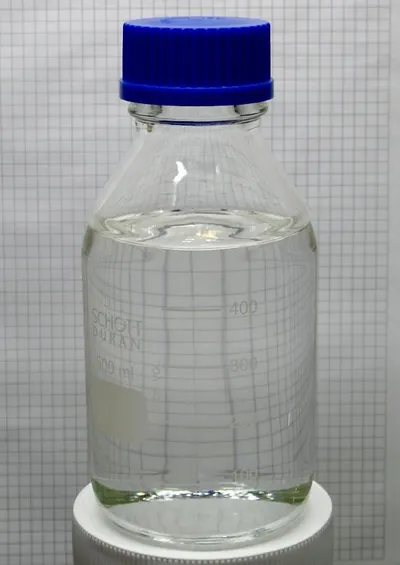
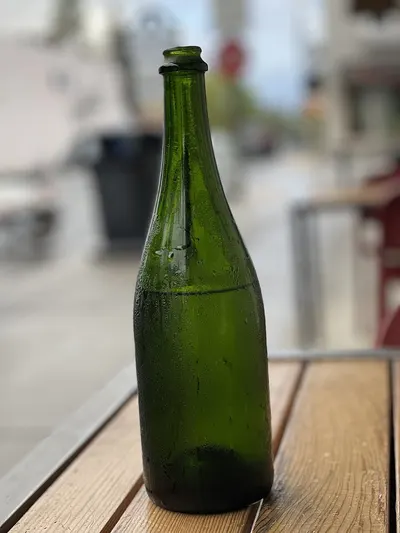
China lists 20 active glass products from Qinhuangdao Darong Glass Products Co., Ltd. The catalogue includes wine bottles, liquor bottles, glass jars, beer mugs, cork sealing components and large carboys. Product identifiers such as 2119, 1198, 7008, and 8589 correspond to internal catalogue numbers and describe the shape and volume rather than any proprietary technology. Volumes range from 250 ml mason jars up to 19 L gallon‑size carboys, covering the typical capacities used for wine, spirits, beer and bulk storage. The supplier groups these items under the broader categories of glass bottles, glassware, cork wood and beer glass, matching the top‑category list provided.
All listed items belong to the glassware segment defined by HS Chapter 70. The wine bottle entries specify sizes such as 750 ml Burgundy and 375 ml Bordeaux, while liquor bottles are described as flint glass with cork sealing options. Custom jars with lids and custom glass jugs indicate the ability to adapt dimensions and closures to buyer specifications. The inclusion of a champagne cork and a beer glass mug expands the range beyond containers to sealing accessories and beverage‑service glass. Each product line is identified by a numeric code that aids internal ordering but does not alter the standard material - soda‑lime or flint glass as appropriate for the intended use.
Product Range and Specialties of Qinhuangdao Darong Glass Products Co., Ltd.
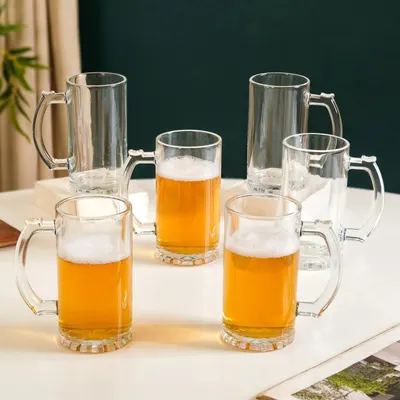
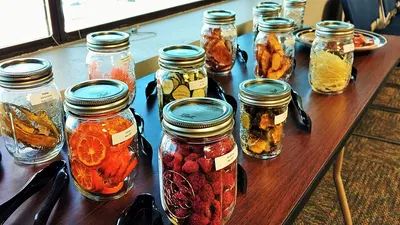
The catalogue presents standard wine bottle formats (750 ml Burgundy, 375 ml Bordeaux) made from soda‑lime glass with typical wall thickness of 2.2‑3.0 mm and weight between 300‑460 g. Liquor bottles listed as flint glass usually achieve higher clarity (ICUMSA 45) and a cloud point below 10 °C, with thicknesses around 2.5‑3.5 mm for 700 ml capacities. Cork sealing bottles reference natural cork grades 1‑3, which are common for wine and spirit closures and provide a compression resistance of 150‑200 N. Custom glass jars with lids and custom glass jugs are offered in a variety of capacities; industry practice for such jars includes a standard 500‑ml to 1 L volume, a 2‑mm wall thickness, and a screw‑on or snap‑fit lid made from polyethylene or polypropylene. Beer glass mugs typically conform to tempered glass standards (ISO 7200) with a capacity of 300‑400 ml and a thickness of 3‑4 mm to withstand repeated washing. The gallon‑size carboy (approximately 19 L) is produced from thick‑walled soda‑lime glass, weighing roughly 12‑15 kg, and is commonly used for bulk beverage or chemical storage.
Trade and Export Information - Qinhuangdao Darong Glass Products Co., Ltd.
Chinese glass manufacturers export under HS 71.13 (glass bottles) and HS 71.22 (glassware). Major import regions for these products include the European Union, the United States, Southeast Asia and the Middle East, where wine, spirits and beer packaging demand is high. Buyers typically require certifications such as ISO 9001 for quality management, ISO 14001 for environmental compliance, FDA food‑contact approval for bottles intended for consumables, and EU REACH registration for any additives or coatings. Standard packaging consists of cardboard cartons of six bottles for wine and liquor, wooden crates for large carboys, and bulk pallets for mason jars; a 20‑ft container can hold roughly 1,200 standard 750 ml bottles, while a 40‑ft container can accommodate about 2,400. Common Incoterms used by Chinese glass exporters are FOB Tianjin or Shanghai and CIF to major ports in Europe or North America. Export controls in China require a customs declaration with HS code, material description and declared value, and inspections may be performed for lead content compliance (≤0.1 mg/L) on food‑contact glass.
Sourcing from Qinhuangdao Darong Glass Products Co., Ltd. - Buyer Guidance
When sourcing glass bottles from this supplier, request a product data sheet that lists dimensions (height, diameter), glass thickness, weight per unit and the specific glass type (soda‑lime or flint). Ask for test reports on lead and heavy‑metal leachability, as well as a certificate of compliance with FDA or REACH if the bottles are intended for food‑grade use. For cork‑sealed items, obtain the cork grade certification and a moisture‑content report (typically 6‑8 %). Verify the supplier’s ISO 9001 certification and ask for the latest audit summary. Typical minimum order quantities are 1,000 units for standard wine bottles and 5,000 pcs for custom‑size jars, with a lead time of 30‑45 days after artwork approval and tooling confirmation.
Frequently Asked Questions About Qinhuangdao Darong Glass Products Co., Ltd.
What glass types are available for the wine and liquor bottles?
The wine bottles are produced from soda‑lime glass, while the liquor bottles listed as flint glass use a higher‑clarity composition that meets ICUMSA 45 standards.
Are the bottles suitable for food‑contact applications?
Food‑contact suitability depends on certification; buyers should request FDA food‑contact approval or REACH compliance documentation before placing orders.
What are the typical dimensions of the 750 ml Burgundy wine bottle (product 2119)?
A standard 750 ml Burgundy bottle measures approximately 300 mm in height, 75 mm in base diameter, with a wall thickness of about 2.5 mm and a weight near 420 g.
Can custom glass jars be produced with specific lid materials?
Yes, the catalogue mentions custom glass jars with lids; manufacturers normally offer polyethylene (PE), polypropylene (PP) or metal snap‑fit lids, and buyers should specify the material and sealing requirements in the order.
What packaging is used for the gallon carboy (Ws1022)?
Large carboys are typically packed in wooden crates with internal bracing; a standard 40‑ft container can hold 12‑14 carboys depending on crate dimensions.
Which certifications should a buyer request for the beer glass mug?
Buyers should request ISO 7200 compliance for tempered glass, a lead‑content test report (<0.1 mg/L), and, if exported to the EU, CE marking for safety.
What is the usual lead time and MOQ for the custom glass jug (W1424k)?
Custom glass jugs generally require a 30‑45 day lead time after final design approval, with a minimum order of 2,000 units unless the buyer agrees to a larger production run.
How are the bottles typically shipped internationally?
Standard shipments use 20‑ft or 40‑ft containers loaded with cardboard cartons for bottles and wooden pallets for larger items; Incoterms such as FOB Tianjin or CIF Europe are commonly applied.




 , China