Qingdao Zillion International Import & Export Co., Ltd — Verified Supplier
About Qingdao Zillion International Import & Export Co., Ltd - Dehydrated Vegetables Supplier in China
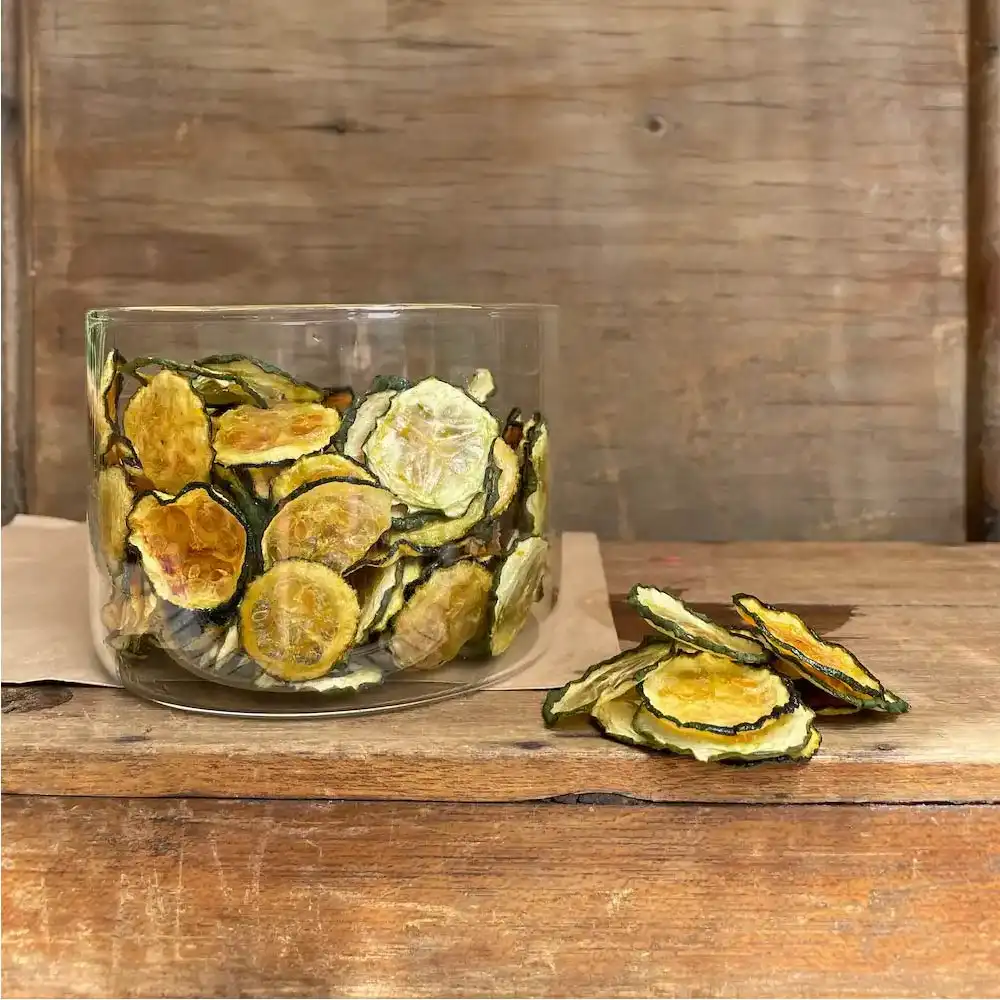
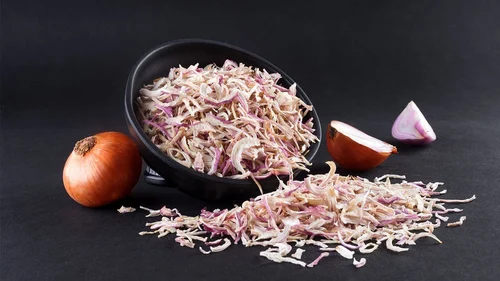
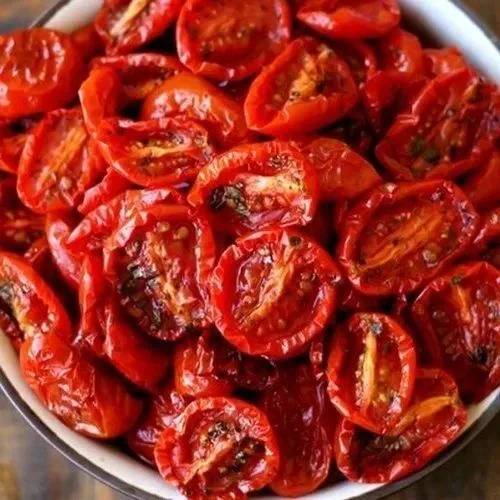
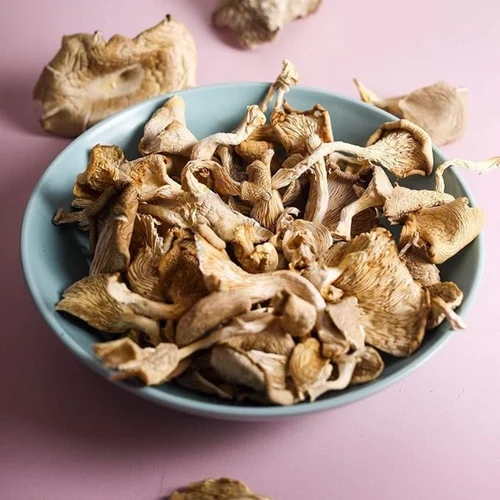
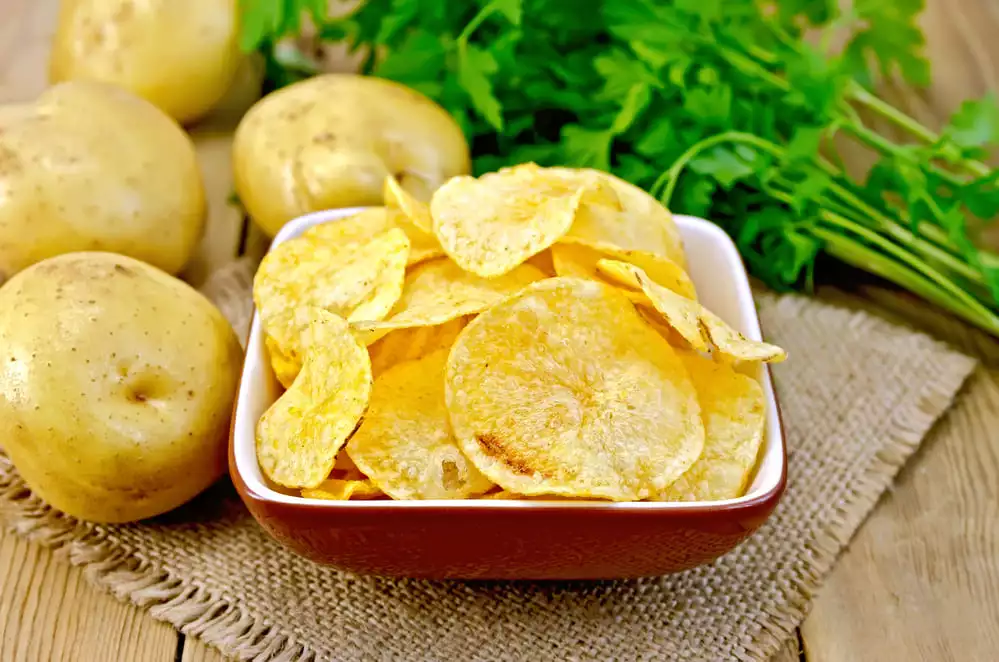
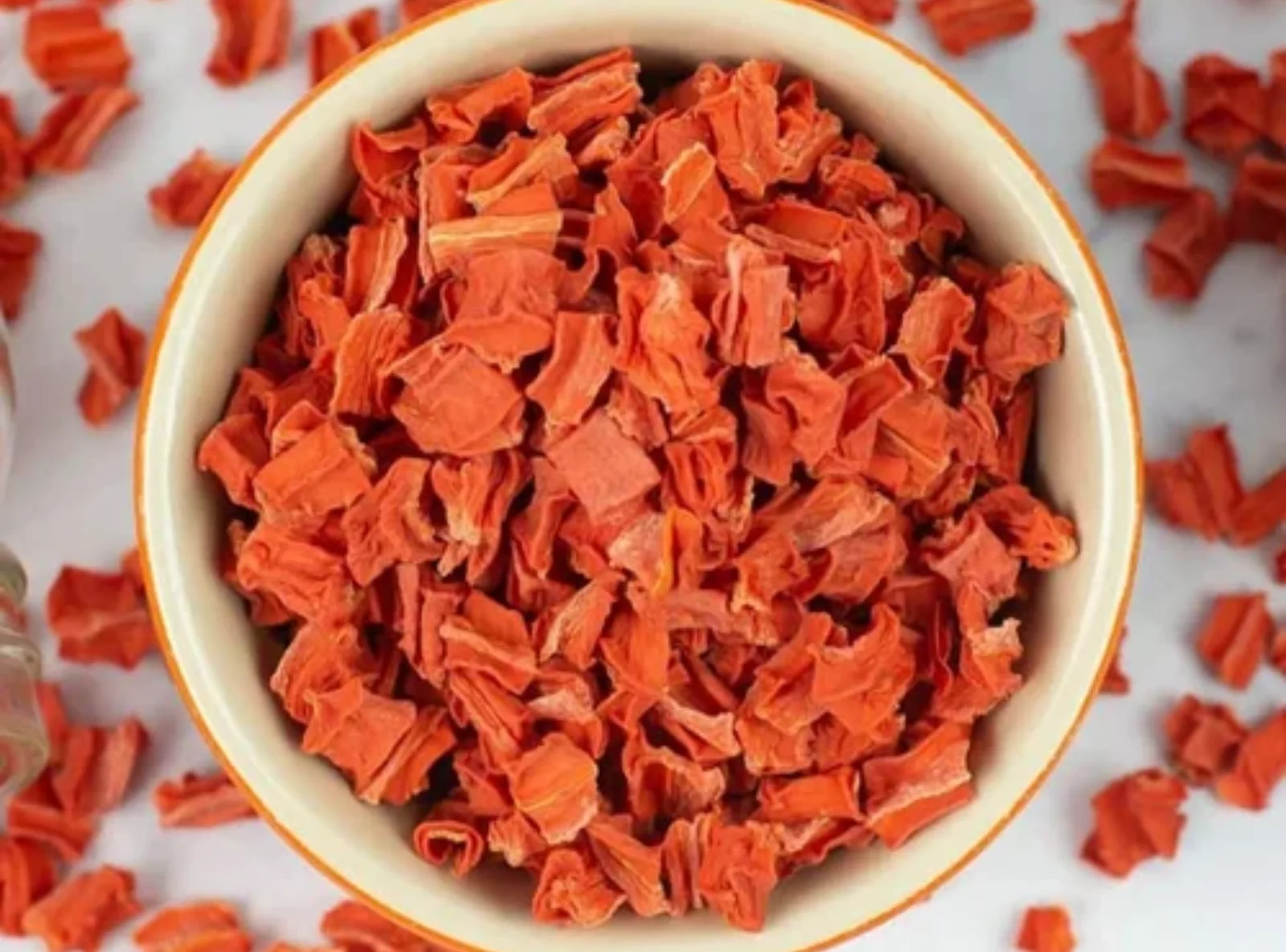
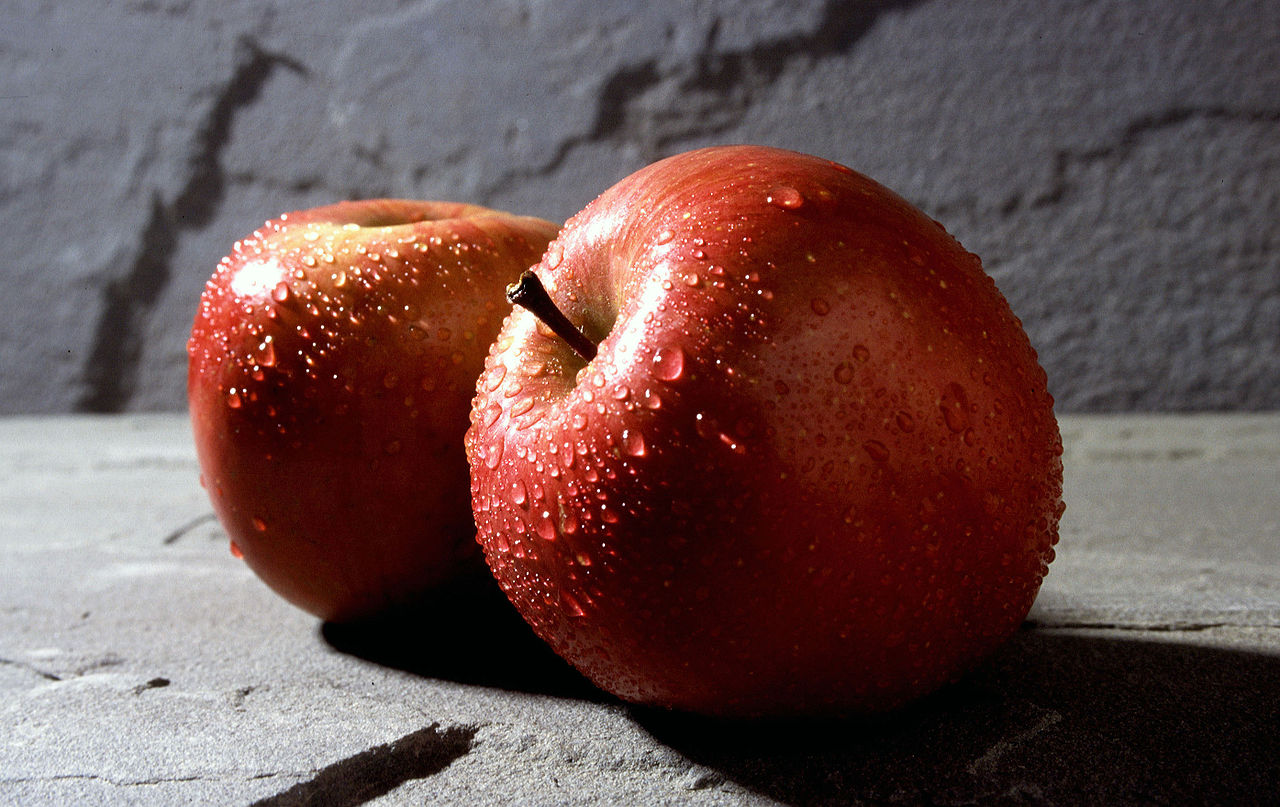
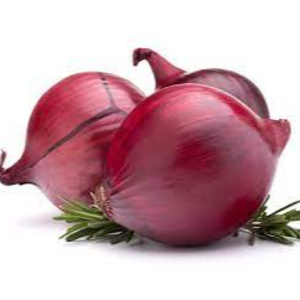
Based in Qingdao, China, Qingdao Zillion International Import & Export Co., Ltd lists 21 active products in its catalogue. The product set focuses on dehydrated vegetables, fruits and related spice items, including dehydrated ginger, celery, cabbage, spinach, broccoli, red beet, carrot, tomato, potato, pumpkin, mushroom, horseradish, chili, onion, bell peppers, chive ring and leek, as well as dried apple and apple crisps. The apple crisps are classified under HS code 0813.30 and described as made from 100 % natural fresh apple. Other items are presented without specific HS codes in the catalogue but fall within typical HS chapters for dehydrated vegetables (0710.90) and fruits (0813). The supplier’s top categories also reference dehydrated onion, garlic, and broader agriculture products.
The catalogue groups the items under broader categories such as Dehydrated Vegetables, Dehydrated Fruits and Spices. Each product is offered in common bulk packaging formats used for food ingredients, for example 20 kg paper bags or 25 kg polypropylene bags. Moisture content for dehydrated vegetables is typically limited to 8 - 10 % to ensure shelf stability, while dried apple chips often target a moisture level of 5 - 7 %. The supplier’s product list includes both flake and powder forms for garlic, carrot, tomato and potato, which are standard formats for seasoning and instant‑food applications. No additional product specifications such as particle size or color grade are provided in the supplied facts.
Product Range and Specialties of Qingdao Zillion International Import & Export Co., Ltd
The product range covers a full spectrum of dehydrated vegetables, from leafy greens such as spinach to root vegetables like carrot, beet and potato, and also includes dried apple and apple crisps. In the industry, dehydrated vegetables are commonly graded by moisture (≤10 %), rehydration ratio, color retention and microbial limits such as total plate count ≤10 000 cfu/g. Apple‑based products are usually classified under HS 0813.30 and may meet standards such as ICUMSA 45 for sugar content in apple chips, although the catalogue does not specify sugar levels. Garlic is offered as flakes, granules or powder, a format that typically requires moisture below 12 % and a particle size of 0.2 - 0.5 mm for powder.
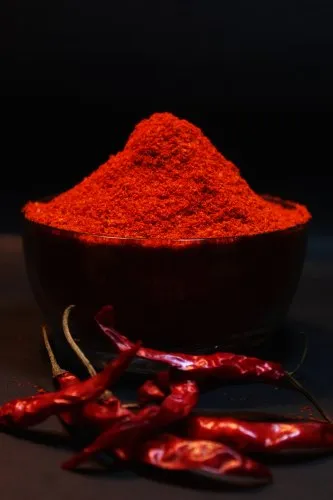
Typical industry specifications for dehydrated peppers involve a minimum color score (L* ≥ 50) and capsaicin content for crushed chili products. Dehydrated mushroom and horseradish are often sold with a residual moisture of ≤8 % and are subject to heavy‑metal testing under Codex limits. Packaging for such bulk ingredients usually follows ISO‑compatible practices, with goods sealed in multi‑layer bags and placed in 20‑ft containers for ocean freight. Buyers frequently request certificates such as HACCP, ISO 22000, and any relevant organic or non‑GMO documentation depending on the end market.
Trade and Export Information - Qingdao Zillion International Import & Export Co., Ltd
China is a major exporter of dehydrated vegetable and fruit ingredients, supplying food processors in the European Union, United States, Southeast Asia and the Middle East. Products classified under HS 0710.90 (dehydrated vegetables) and HS 0813.30 (dried apples) commonly undergo phytosanitary inspection and may require a phytosanitary certificate for entry into the EU. Importers often request compliance with the EU Food Hygiene Regulation (Regulation 852/2004) and, for the US market, FDA prior‑notice and compliance with the Food Safety Modernization Act.
Standard logistics for bulk dehydrated goods include loading in 20 ft or 40 ft containers, with a typical payload of 18 - 20 metric tonnes per 20 ft box. Freight terms such as CIF or FOB are regularly used, and temperature‑controlled containers are rarely needed because moisture levels are low. Export documentation usually comprises commercial invoice, packing list, certificate of origin, phytosanitary certificate and any requested quality certificates. Buyers should verify that the shipment meets the destination country’s labeling requirements, including ingredient list, net weight and country of origin.
Sourcing from Qingdao Zillion International Import & Export Co., Ltd - Buyer Guidance
When sourcing dehydrated vegetables from this supplier, buyers should request a product specification sheet that lists moisture content, microbial limits (e.g., total plate count, yeasts / molds), pesticide residue results and any heavy‑metal analysis. Sample packs are typically provided in 1 kg sealed bags, allowing verification of rehydration properties and flavor profile before a larger order.
Buyers are advised to ask for certificates such as HACCP, ISO 22000 or any specific organic or non‑GMO attestations required by their market. Confirmation of the HS code used for customs clearance (0710.90 for most vegetables, 0813.30 for apple crisps) helps avoid tariff misclassification. Lead times for bulk production of dehydrated vegetables in China usually range from 30 to 45 days after order confirmation, with minimum order quantities often set at 500 kg per product, though exact MOQ should be clarified with the supplier.
Frequently Asked Questions About Qingdao Zillion International Import & Export Co., Ltd
What product formats are available for the dehydrated garlic listed?
The catalogue mentions dehydrated garlic in flakes, granules or powder; these formats typically have particle sizes of 0.2 - 0.5 mm for powder and larger granules for seasoning blends.
Which HS code applies to the apple crisps offered by the supplier?
Apple crisps are listed with HS code 0813.30, which covers apple slices and other apple preparations.
What typical moisture level should I expect for the dehydrated vegetables?
Industry standards for dehydrated vegetables target a residual moisture of 8 - 10 % to ensure shelf stability and prevent microbial growth.
Are phytosanitary certificates required for importing these products into the EU?
Yes, EU customs generally require a phytosanitary certificate for plant‑origin foods such as dehydrated vegetables and dried fruit.
What standard packaging is used for bulk orders?
Bulk shipments are commonly packed in 20 kg or 25 kg multi‑layer bags, which are then palletized for loading into 20 ft or 40 ft containers.
Which certifications are typically requested for food safety compliance?
Buyers usually ask for HACCP or ISO 22000 certificates, and may also request organic, non‑GMO or specific export‑country certifications depending on the market.
What is the usual lead time and minimum order quantity for these dehydrated products?
Lead times are generally 30 - 45 days after order confirmation, and minimum order quantities are often around 500 kg per SKU, but the exact figures should be confirmed with the supplier.




 , China