Qingdao Yihe Nonwovens Co., Ltd. — Supplier
About Qingdao Yihe Nonwovens Co., Ltd. - Agriculture Supplier in China
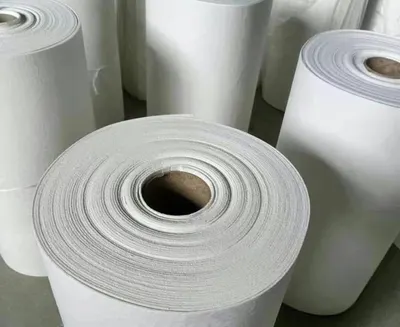
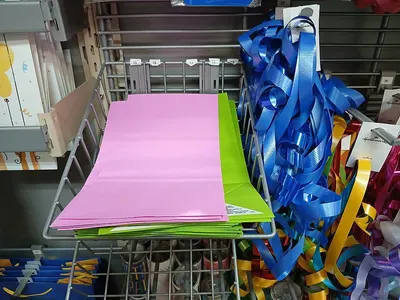
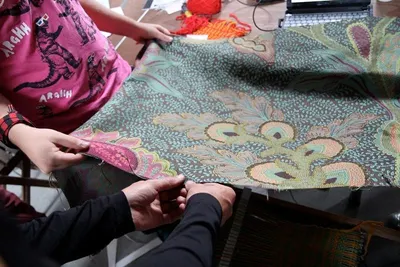
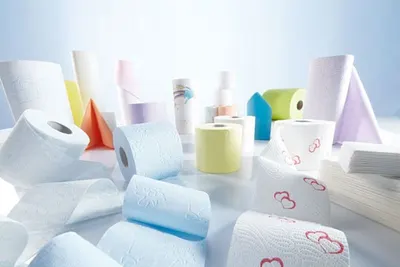
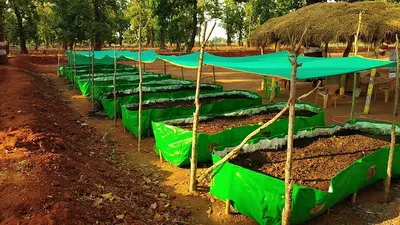
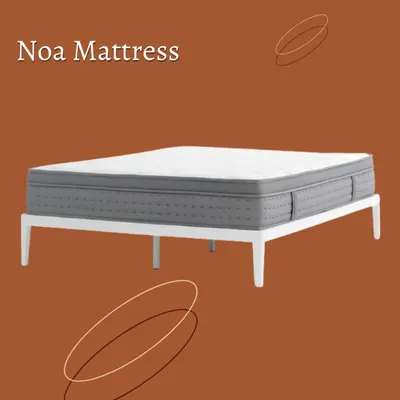
Qingdao Yihe Nonwovens Co., Ltd. is based in Qingdao, China and currently lists ten active nonwoven products. The catalogue covers items such as nonwovens for baby diapers, sanitary napkins, planting bags, plant protection covers, mattress layers, spring pocket fabrics, pillow and cushion covers, pet pads, and tablecloth or flower‑wrapping fabrics. Each entry falls under the broader HS chapter 56 for nonwovens, which is the standard classification used for textile fabrics made by bonding fibers without weaving or knitting. The supplier’s focus on agricultural applications is reflected in the inclusion of planting‑bag fabrics and plant‑protection covers alongside household and personal‑care products. The product descriptions do not provide specific material compositions, but the range indicates a mix of spun‑bond, melt‑blown and needle‑punched technologies common in the sector.
The listed products span both consumer‑care and agricultural uses, illustrating a diversified nonwoven portfolio. Nonwovens for baby diapers and sanitary napkins typically require high absorbency and low lint, while planting‑bag fabrics are evaluated on tensile strength and biodegradability. Mattress and pillow covers are judged by surface smoothness and fire‑retardant treatment. Although the catalogue does not disclose certifications, the HS code 5601‑90 (other nonwovens) applies uniformly across the ten items, providing a clear customs classification for importers.
Product Range and Specialties of Qingdao Yihe Nonwovens Co., Ltd.
The catalogue offers ten distinct nonwoven fabrics, each targeting a specific end‑use. Typical specifications for diaper‑grade nonwovens include basis weight between 30‑50 g m⁻², liquid‑handling capacity measured by water uptake of 150‑250 g m⁻², and a burst strength above 5 kPa. Sanitary‑napkin fabrics often require a higher GSM (40‑70 g m⁻²) and a surface treated for softness. Planting‑bag and plant‑protection covers are usually produced in polypropylene with a basis weight of 45‑80 g m⁻² and a tensile strength of 15‑25 N mm⁻¹. Mattress and pillow‑cover nonwovens commonly meet fire‑retardant standards such as GB 8624‑2012, with a thickness of 0.8‑1.2 mm. The industry also distinguishes between spun‑bond (for strength) and melt‑blown (for filtration) layers, which buyers may request depending on the application.
Trade and Export Information - Qingdao Yihe Nonwovens Co., Ltd.
China is the world’s largest exporter of nonwoven textiles, and shipments from the eastern coastal region of Qingdao are routinely shipped in 20‑ft or 40‑ft containers. Buyers in Southeast Asia, the Middle East, Europe and North America regularly import HS‑5601 products for hygiene, agricultural and furnishings markets. Commonly required certifications include ISO 9001 quality‑management systems, ISO 14001 environmental management, and product‑specific test reports such as absorbency, tensile strength and fire‑retardancy. Export documentation typically involves a commercial invoice, packing list, certificate of origin and, where required, a SGS or Intertek inspection report. Freight terms often follow FOB Qingdao or CIF destination port, with container loads ranging from 15‑20 metric tons depending on product density and packaging.
Sourcing from Qingdao Yihe Nonwovens Co., Ltd. - Buyer Guidance
When sourcing nonwovens from Qingdao Yihe, buyers should request material data sheets that list fiber type (polypropylene, polyester, etc.), basis weight, GSM, tensile strength, and any surface treatments. Independent test reports for absorbency (for diaper and sanitary products), biodegradability (for planting bags) and fire‑retardancy (for mattress covers) are standard verification documents. Because the supplier does not list specific certifications, buyers are advised to ask for ISO 9001 or ISO 14001 certificates and, if required by the destination market, compliance with REACH or Oeko‑Tex standards. Verify packaging details - most nonwovens are supplied in sealed polyethylene bags or bulk rolls, with dimensions and weight per roll clearly stated to avoid freight miscalculations.
Frequently Asked Questions About Qingdao Yihe Nonwovens Co., Ltd.
What types of nonwoven fabrics does Qingdao Yihe offer?
The supplier lists ten items, including nonwovens for baby diapers, sanitary napkins, planting bags, plant‑protection covers, mattress layers, spring‑pocket fabrics, pillow and cushion covers, pet pads and tablecloth/flower‑wrapping fabrics.
Are there standard specifications for the diaper‑grade nonwovens?
Typical diaper‑grade nonwovens have a basis weight of 30‑50 g m⁻², water uptake of 150‑250 g m⁻² and a burst strength above 5 kPa, but buyers should request the supplier’s exact data sheet for confirmation.
Which HS code applies to these products?
All listed items fall under HS chapter 56, specifically HS 5601 for nonwovens, which is the customary customs classification for bonded textile fabrics.
What certifications should a buyer request?
Buyers should ask for ISO 9001 quality‑management certification, ISO 14001 environmental certification, and product‑specific test reports such as absorbency, tensile strength or fire‑retardancy, depending on the intended use.
What are typical packaging and shipping formats?
Nonwovens are usually packed in sealed polyethylene bags or bulk rolls, with container loads of 15‑20 metric tons in 20‑ft or 40‑ft containers, shipped under FOB Qingdao or CIF terms.
What is a common lead time for orders?
For standard nonwoven grades, manufacturers in Qingdao typically quote a lead time of 25‑35 working days after receipt of a confirmed purchase order and required test reports.
How can a buyer obtain samples?
Buyers can request a small‑quantity sample pack, usually 5‑10 kg, shipped by air freight; the supplier will provide a pro‑forma invoice and sample specifications before dispatch.
What markets commonly import these Chinese nonwovens?
Key import markets include Southeast Asian countries, the European Union, the United States and Gulf Cooperation Council states, where the products are used in hygiene, agricultural and home‑textile applications.




 , China