Qingdao Glorious Future Energy-saving Glass Co., Ltd — Supplier
About Qingdao Glorious Future Energy-saving Glass Co., Ltd - Agriculture Supplier in China
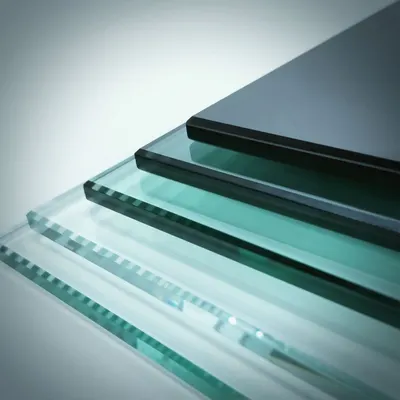
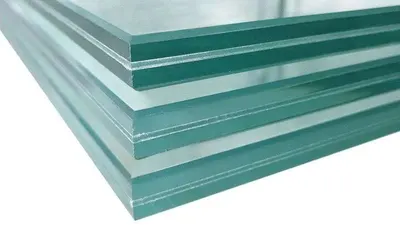
Qingdao Glorious Future Energy-saving Glass Co., Ltd is based in Qingdao, China and currently lists five distinct glass products in its catalogue. The company’s active product count of five includes tempered glass, insulated double‑glazing glass, laminated glass, toughened glass and ceramic fritted glass. Each item falls under the broader HS Chapter 70 that covers glass and glassware, a standard classification used for customs and trade statistics. The supplier’s catalogue does not provide individual HS codes, but the products are commonly recorded under sub‑headings such as 7010 for safety glass and 7020 for other processed glass. The listing reflects a focus on architectural and safety‑oriented glass solutions rather than agricultural goods, despite the broader category tag. The five products are described using industry‑standard terminology: “tempered” and “toughened” refer to heat‑strengthened safety glass, “insulated glass” denotes double‑glazed units with air or gas fills, “laminated” indicates glass sheets bonded with a PVB interlayer, and “ceramic fritted” describes glass with a ceramic pattern for solar control. These classifications align with typical export documentation for glass, where manufacturers specify thickness, performance class and intended application. The supplier’s catalogue therefore provides a concise yet complete view of its glass product portfolio for buyers seeking safety and energy‑efficiency solutions.
Product Range and Specialties of Qingdao Glorious Future Energy-saving Glass Co., Ltd
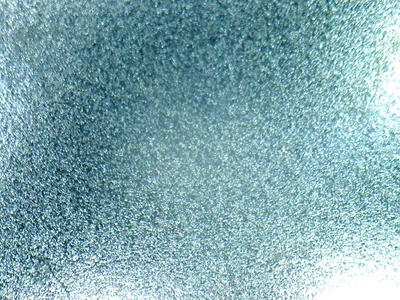
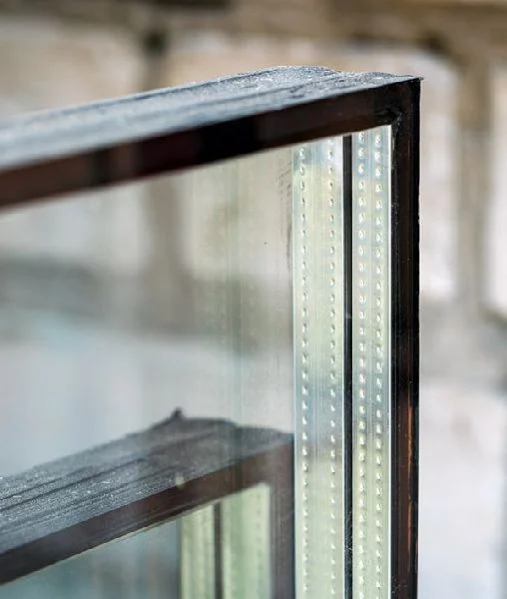
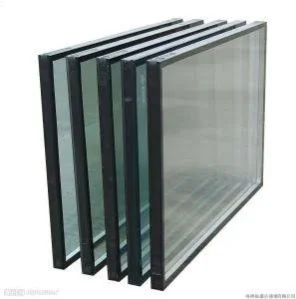
The catalogue covers five glass types that are standard in the building‑envelope market. Tempered and toughened glass are usually supplied in thicknesses from 4 mm to 12 mm and must meet EN 12150 (or ASTM C1048) for impact resistance and thermal shock. Insulated double‑glazing units are typically fabricated with spacer bars, low‑emissivity (Low‑E) coatings and gas fills, achieving U‑values between 1.0 and 1.5 W/m²·K, and are classified under HS 7010 90. Laminated glass incorporates a polyvinyl butyral (PVB) interlayer of 0.38 mm to 1.52 mm, offering acoustic reduction (STC 30‑45) and safety compliance with EN 12600. Ceramic fritted glass is used for solar‑control façades; frit patterns are graded by visible light transmittance (VLT) from 30 % to 80 % and are recorded under HS 7020. Industry practice for these categories includes optional certifications such as CE marking for EU markets, ISO 9001 quality management, and compliance with local building codes (e.g., AS 1170 in Australia or IBC in the United States). Buyers often request test reports for thermal performance, impact resistance, and acoustic transmission, as well as documentation of the glass’s fire‑rating where applicable. The supplier’s product list aligns with these typical specifications, allowing purchasers to match the items to project‑specific performance criteria.
Trade and Export Information - Qingdao Glorious Future Energy-saving Glass Co., Ltd
China ranks among the top global exporters of architectural glass, with Qingdao serving as a major port for containerised shipments. Export volumes are directed primarily to the European Union, North America, the Middle East and Southeast Asian construction markets, where demand for energy‑saving and safety glass remains strong. HS Chapter 70 products are subject to routine phytosanitary checks for contaminants, and buyers frequently require CE certificates, ISO 9001 compliance and, for certain jurisdictions, compliance with local building‑code approvals such as the U.S. National Fenestration Rating Council (NFRC) labeling. Typical logistics involve loading glass panels onto 20‑foot or 40‑foot containers on wooden pallets, with edge protection and shrink‑wrap to prevent breakage. Incoterms most often used by Chinese glass exporters are FOB Qingdao and CIF to major ports, allowing buyers to manage insurance and freight. Export documentation commonly includes a commercial invoice, packing list, certificate of origin, test reports and, where required, a CE Declaration of Conformity. These practices apply to the product types listed by the supplier and provide a framework for reliable cross‑border trade.
Sourcing from Qingdao Glorious Future Energy-saving Glass Co., Ltd - Buyer Guidance
When sourcing from this supplier, buyers should request the latest CE Declaration of Conformity and ISO 9001 certification to verify quality management. Specific test reports - such as impact resistance for tempered/toughened glass (EN 12150), thermal transmittance (U‑value) for insulated units, and acoustic transmission loss for laminated glass - are standard documents that help confirm performance claims. Buyers should also confirm panel dimensions, thickness tolerances (typically ±0.2 mm) and edge treatment specifications before placing an order. Requesting a physical sample of the glass, especially for ceramic fritted designs, allows verification of visual appearance and frit pattern density. Verifying the supplier’s packaging method (palletized, edge‑protected and shrink‑wrapped) and confirming the Incoterm (e.g., FOB Qingdao) will reduce the risk of damage during transit.
Frequently Asked Questions About Qingdao Glorious Future Energy-saving Glass Co., Ltd
What safety glass types are listed by the supplier?
The catalogue includes tempered glass, toughened glass and laminated glass, all of which meet international safety‑glass standards such as EN 12150 or ASTM C1048.
Which performance standards apply to the insulated double‑glazing units?
Insulated glass units are typically evaluated for thermal transmittance (U‑value) and are expected to meet standards like EN 673 or NFRC ratings, with U‑values commonly ranging from 1.0 to 1.5 W/m²·K.
What are the usual thickness ranges for the supplier’s glass products?
Temper‑ed and toughened glass are generally supplied in 4 mm to 12 mm thicknesses, while laminated glass can be built up to 20 mm depending on the combined glass sheets and interlayer thickness.
How is the glass packaged for export from Qingdao?
Glass panels are usually palletised, wrapped with protective edge covers and shrink‑film, then loaded into 20‑ft or 40‑ft containers to minimise breakage during sea transport.
Which certifications should a buyer request before purchase?
Buyers should ask for CE Declaration of Conformity, ISO 9001 quality‑management certification, and relevant test reports such as impact, thermal and acoustic performance depending on the glass type.
What is a typical lead time for a full container load of insulated glass?
Lead times for a 20‑ft container of insulated double‑glazing from Qingdao commonly range from 30 to 45 days after order confirmation, subject to production scheduling and shipping slot availability.
Can samples be obtained prior to a bulk order?
The supplier can provide sample panels of each glass type, allowing verification of thickness, tint, frit pattern and performance characteristics before committing to larger volumes.
Which regions most frequently import these glass products from China?
Major import destinations include the European Union, the United States, the Gulf Cooperation Council countries and fast‑growing construction markets in Southeast Asia, all of which have strong demand for safety and energy‑saving glass solutions.




 , China