Agriculture›
 Apparel and fashion accessories›
 Construction & real estate›💡Electronic & Electrical›🍎Food & Beverages›🛋️Home furnishing & supplies›⚗️Industrial goods & chemical›🪨Minerals & metals›📦Miscellaneous›Agriculture›Apparel and fashion accessories›Construction & real estate›💡Electronic & Electrical›🍎Food & Beverages›🛋️Home furnishing & supplies›⚗️Industrial goods & chemical›🪨Minerals & metals›📦Miscellaneous›
Qingdao Braide Graphite Co., Ltd.
⚓ Harbor , ChinaNew supplier / no reviews yet
Qingdao Braide Graphite Co., Ltd. Product Catalog
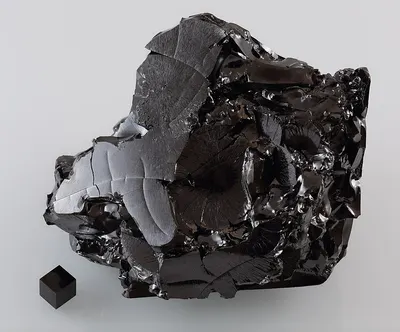
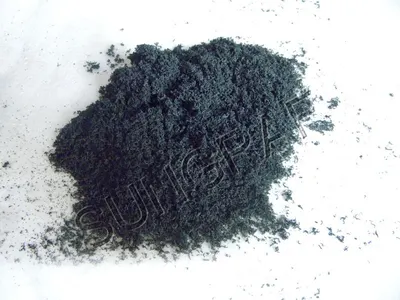
About Qingdao Braide Graphite Co., Ltd. - Graphite Supplier in China
Qingdao Braide Graphite Co., Ltd. is based in China and lists five active products. The company focuses on graphite materials, which are classified under the HS chapter 25 for carbon products. Its catalogue includes Expandable Graphite, Synthetic Graphite, High Purity Graphite, Natural Graphite Powder, and Natural Flake Graphite. The Natural Flake Graphite entry is recorded with HS code 2504.10 and specifies a carbon content range of 80‑99 %. All listed items fall within the broader graphite market used for industrial applications such as refractories, batteries, and lubricants.
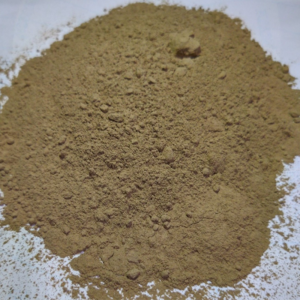
Expandable Graphite is produced by intercalating acid into flake graphite and later expanding under heat. Synthetic Graphite typically refers to graphitized carbon derived from petroleum coke at temperatures above 2500 °C, achieving purity levels of 99.5 % or higher. High Purity Graphite grades often target impurity levels below 0.01 % for electronics or aerospace uses. Natural Graphite Powder is supplied in mesh sizes ranging from 200 to 400 mesh, with moisture content generally below 1 %. The natural flake form is offered in flake sizes of 2 - 5 mm, suitable for conductive composites.
Product Range and Specialties of Qingdao Braide Graphite Co., Ltd.
The supplier’s catalogue covers five graphite products: Expandable Graphite, Synthetic Graphite, High Purity Graphite, Natural Graphite Powder and Natural Flake Graphite (HS 2504.10). In the industry, expandable graphite is graded by expansion ratio, typically 20‑30 times its original volume, and is used in fire‑retardant applications. Synthetic graphite is often described by its crystallite size (L a) and true density, with grades such as 1.70‑1.80 g/cm³ for high‑temperature furnaces. High Purity Graphite is measured by total impurity content, commonly below 10 ppm for metals like Fe, Al, and Si, and is demanded for battery anodes and semiconductor components. Natural Graphite Powder is classified by particle size distribution (D50) and bulk density, while Natural Flake Graphite is categorized by flake size (e.g., 2‑5 mm) and carbon content, which the supplier lists as 80‑99 %.
Typical industry specifications for these categories include ISO 9001 quality management, REACH compliance for European markets, and ASTM standards such as D4236 for graphite powders. Buyers often request test reports covering ash content, moisture, ash‑free carbon, and particle size analysis. Packaging for graphite powders is usually in multi‑layered polyethylene bags or metal drums to prevent moisture ingress, whereas flake graphite is shipped in bulk bags or wooden crates. Container loading frequently utilizes 20‑ft or 40‑ft containers, with a typical weight of 20‑22 metric tons per container for bulk graphite shipments.
Frequently Asked Questions About Qingdao Braide Graphite Co., Ltd.
What graphite products does Qingdao Braide Graphite Co., Ltd. list in its catalogue?
The catalogue includes Expandable Graphite, Synthetic Graphite, High Purity Graphite, Natural Graphite Powder and Natural Flake Graphite, which is recorded with HS code 2504.10 and a carbon content range of 80‑99 %.
Which HS code applies to the Natural Flake Graphite offered by the supplier?
Natural Flake Graphite is listed under HS code 2504.10, which falls within the chapter for graphite, amorphous carbon, and carbon blacks.
What typical purity levels are expected for High Purity Graphite in the market?
High Purity Graphite grades usually target total impurity levels below 0.01 % (10 ppm) for metals such as iron, aluminum, and silicon, and a carbon content of 99.9 % or higher.
What particle size range is common for Natural Graphite Powder?
Buyers commonly receive Natural Graphite Powder in mesh sizes from 200 to 400 mesh, with a D50 particle size of approximately 30‑50 µm and moisture content below 1 %.
Which certifications or compliance documents should a buyer request for graphite imports from China?
Buyers should ask for a REACH compliance statement, a Material Safety Data Sheet (MSDS), and, if required by the destination market, ISO 9001 or relevant ASTM/IEC test reports.
ChinaRelated Suppliers & Products
Explore similar suppliers, related products and trending categories