MainGrain & Logistic Saurl — Verified Supplier
About MainGrain & Logistic Saurl - Lithium Supplier in United Kingdom
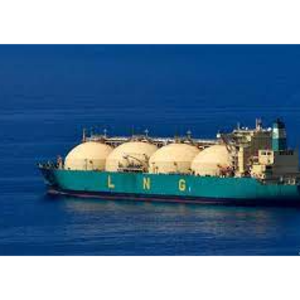
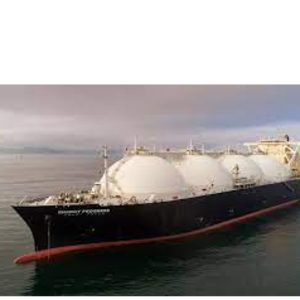
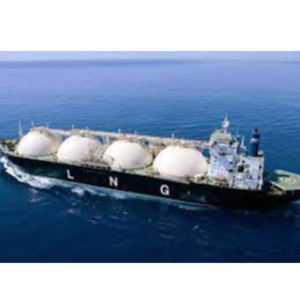
MainGrain & Logistic Saurl is based in the United Kingdom and lists six active raw material products. The catalogue covers liquefied natural gas (LNG), groundnut kernels, cold‑pressed cashew nut oil, tin ore concentrate, industrial fluorite, and lithium metal. Each item is identified with its HS‑code: LNG (2711.11), groundnuts (1202.42), cashew nut oil (1515.90), tin ore (2609.00), fluorite (2529.21) and lithium metal (2805.19). The supplier classifies itself under the ‘organic’ tier and operates within the harbor trust tier. Products are presented with material descriptions such as methane‑rich LNG and 99.9 % pure lithium metal.
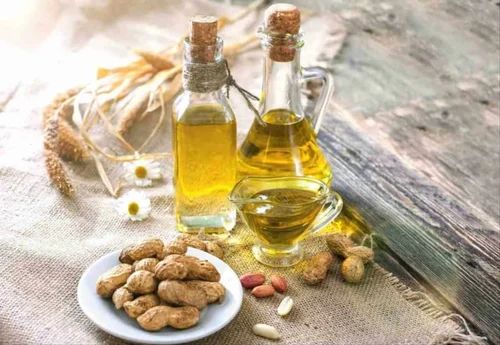
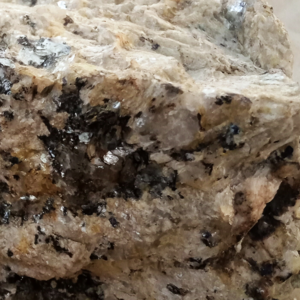
The listed categories span energy, food, chemical and metal sectors. LNG is supplied as methane content of 85‑95 % with trace ethane and propane. Groundnut kernels are described as Arachis hypogaea, suitable for further processing. Cashew nut oil is marketed as cold‑pressed oil from Anacardium occidentale. Tin ore is provided as cassiterite (SnO₂) concentrate, while fluorite is calcium fluoride (CaF₂) for industrial use. Lithium metal is offered in industrial grade with 99.9 % purity.
Product Range and Specialties of MainGrain & Logistic Saurl
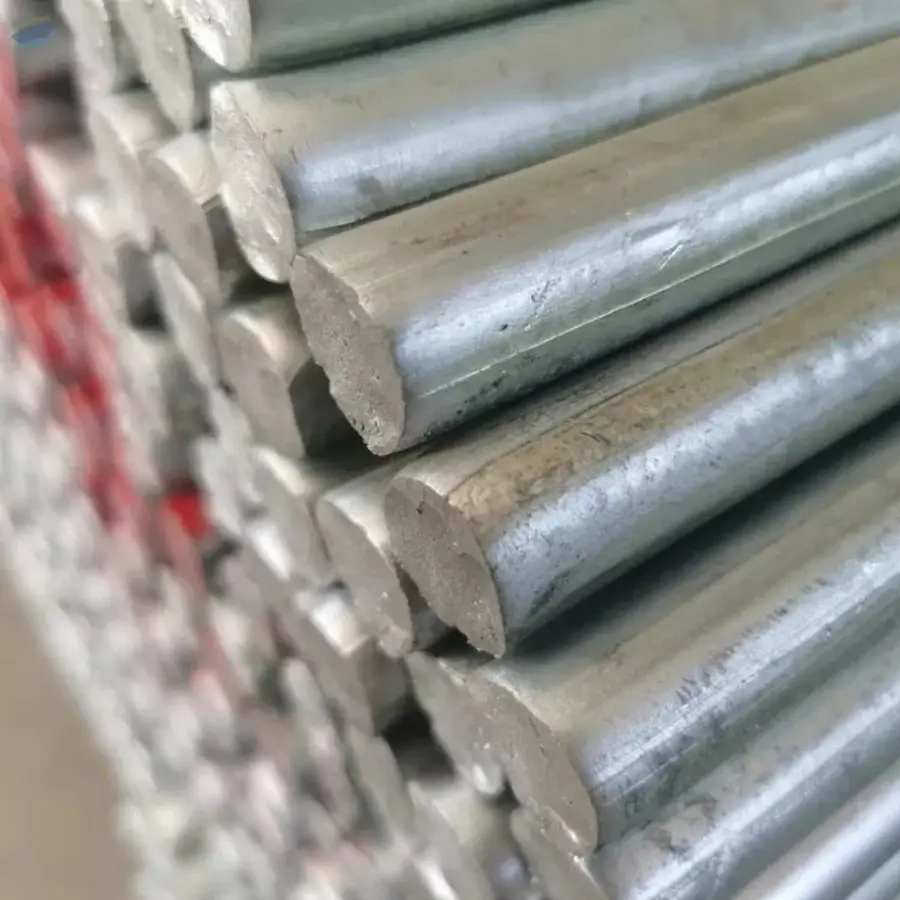
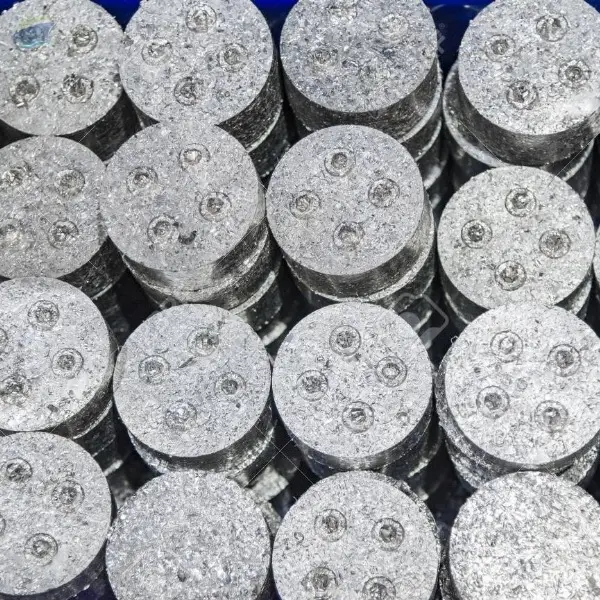
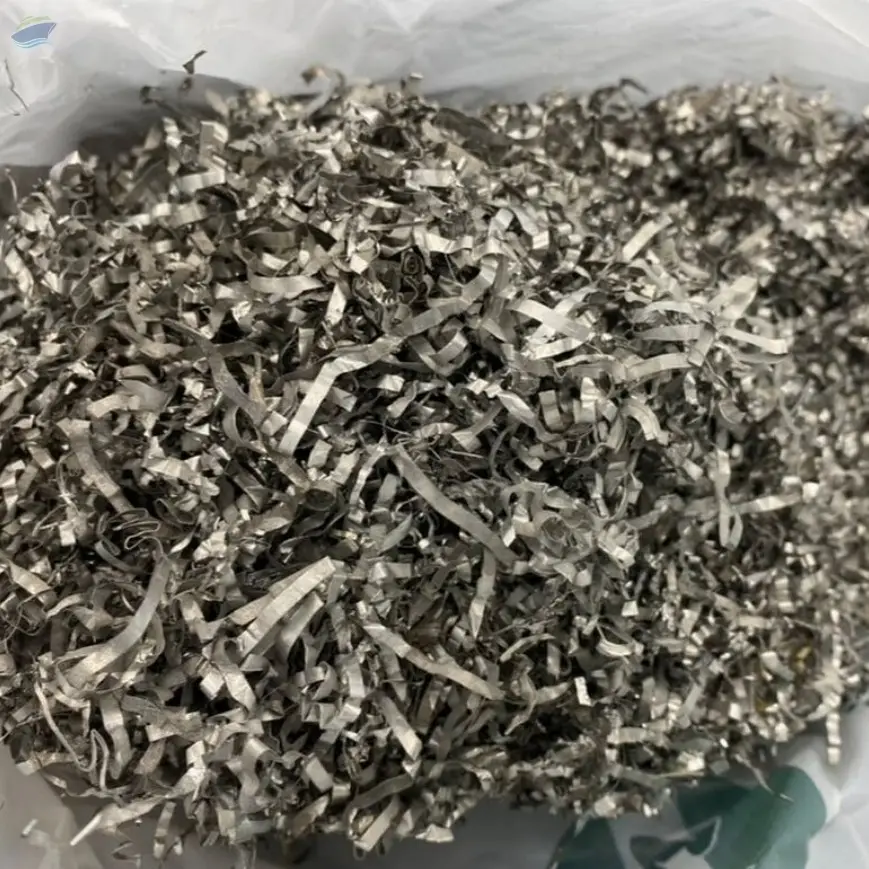
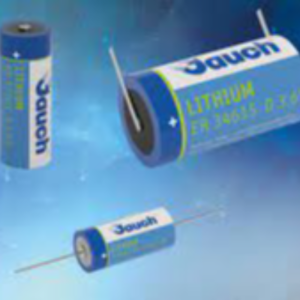
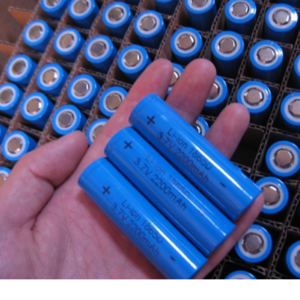
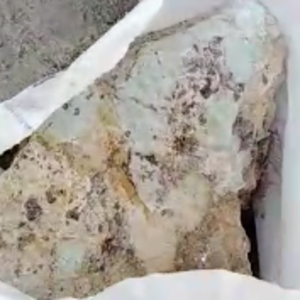
The LNG offering falls under HS 2711.11 and is typically measured by higher heating value (HHV) of 48‑55 MJ kg⁻¹ and moisture content below 0.1 %. Groundnuts (HS 1202.42) are usually graded by moisture ≤5 %, kernel size 10‑12 mm, and aflatoxin limits of 4 µg kg⁻¹ for EU markets. Cold‑pressed cashew nut oil (HS 1515.90) is commonly sold with free fatty acid (FFA) content below 0.1 % and iodine value around 85‑95. Tin ore concentrate (HS 2609.00) is evaluated on SnO₂ purity of 60‑70 % and moisture below 5 %. Industrial fluorite (HS 2529.21) is standardised to CaF₂ purity of 95 % or higher, particle size 0‑2 mm for steelmaking. Lithium metal (HS 2805.19) is supplied as 99.9 % pure ingots or sheets, with typical impurity limits for iron and aluminum below 0.01 %.
Trade and Export Information - MainGrain & Logistic Saurl
United Kingdom exporters of LNG, bulk minerals and food commodities typically ship to Europe, the Middle East, South‑East Asia and North America, using freight classifications that match the HS‑code families of 27, 12, 15, 26, 25 and 28. Buyers of LNG often require a Certificate of Quality showing heating value, water content and LNG‑specific safety tests, and they may request compliance with ISO 9001 and the International Maritime Organization (IMO) guidelines for cryogenic cargo. Food nuts such as groundnuts and cashew oil generally need a phytosanitary certificate, a Certificate of Analysis for moisture and aflatoxin, and adherence to EU food safety regulations (e.g., EU Regulation 1169/2011). Tin ore, fluorite and lithium metal are classified as non‑ferrous minerals; importers usually ask for an assay report, REACH registration, and ISO 14001 environmental management certification. Typical packaging includes 20‑foot or 40‑foot containers for bulk solids, 200 L drums for oils, and insulated cryogenic tanks for LNG, with Incoterms like FOB or CIF widely used.
Sourcing from MainGrain & Logistic Saurl - Buyer Guidance
When sourcing groundnuts from this supplier, buyers should request a recent phytosanitary certificate, a laboratory test for aflatoxin levels, and a moisture analysis confirming ≤5 % content. For cashew nut oil, request a Certificate of Analysis showing free fatty acid, peroxide value and iodine value, as well as a batch‑specific MSDS. LNG contracts should be accompanied by a quality report detailing heating value, methane concentration and water content, together with compliance documentation for IMO and ISO 9001. Tin ore and fluorite purchases should include an assay report specifying SnO₂ or CaF₂ purity and a REACH compliance statement. Lithium metal orders should be verified with a purity certificate, impurity analysis (Fe, Al) and a handling safety data sheet. In all cases, confirm the packaging dimensions, container sealing method and the Incoterm before finalising the order.
Frequently Asked Questions About MainGrain & Logistic Saurl
What HS codes are used for the products listed by MainGrain & Logistic Saurl?
The catalogue assigns LNG to HS 2711.11, groundnut kernels to HS 1202.42, cold‑pressed cashew nut oil to HS 1515.90, tin ore concentrate to HS 2609.00, industrial fluorite to HS 2529.21, and lithium metal to HS 2805.19. These codes align with the international tariff schedule for energy, food, and mineral commodities.
Which certifications are typically required for the food products in the catalogue?
Buyers normally request a phytosanitary certificate, a Certificate of Analysis for moisture and aflatoxin, and compliance with ISO 22000 or HACCP for groundnuts and cashew nut oil. Additionally, ISO 22000 or HACCP compliance is commonly required to demonstrate food safety management.
What quality parameters are used for LNG shipments?
LNG quality is measured by higher heating value (48‑55 MJ kg⁻¹), methane content (85‑95 %), and water content below 0.1 %, documented in a Certificate of Quality. The certificate also records trace amounts of ethane and propane and confirms compliance with IMO safety standards for cryogenic cargo.
How is lithium metal purity verified?
Lithium metal is supplied at 99.9 % purity; buyers should obtain a Certificate of Analysis showing impurity limits for iron, aluminum and other metals, typically below 0.01 %. The analysis is usually issued by an accredited laboratory and must be dated within three months of shipment.
What packaging is standard for the mineral products?
Tin ore concentrate and fluorite are usually packed in bulk bags or 20‑ft containers, while lithium metal is shipped in sealed steel drums; all packaging follows HS‑code‑specific handling guidelines. Bulk bags are typically 1 ton capacity, and containers are sealed to prevent moisture ingress.
Which Incoterms are commonly used for these exports?
Exporters from the United Kingdom often employ FOB (Free on Board) or CIF (Cost, Insurance and Freight) depending on the buyer’s preference and the product’s logistics requirements. CIF is often chosen for LNG due to the need for insurance and freight handling, while FOB is common for bulk minerals.




 , United Kingdom



.jpg.png)