Agriculture›
 Apparel and fashion accessories›
 Construction & real estate›💡Electronic & Electrical›🍎Food & Beverages›🛋️Home furnishing & supplies›⚗️Industrial goods & chemical›🪨Minerals & metals›📦Miscellaneous›Agriculture›Apparel and fashion accessories›Construction & real estate›💡Electronic & Electrical›🍎Food & Beverages›🛋️Home furnishing & supplies›⚗️Industrial goods & chemical›🪨Minerals & metals›📦Miscellaneous›
PT Zzeen Trans Indoneia
⚓ Harbor , IndonesiaNew supplier / no reviews yet
PT Zzeen Trans Indoneia Product Catalog
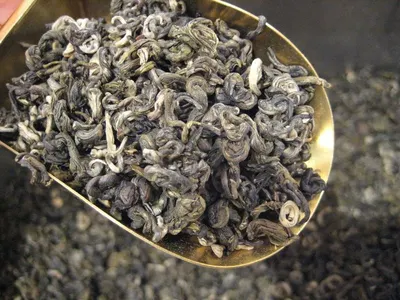
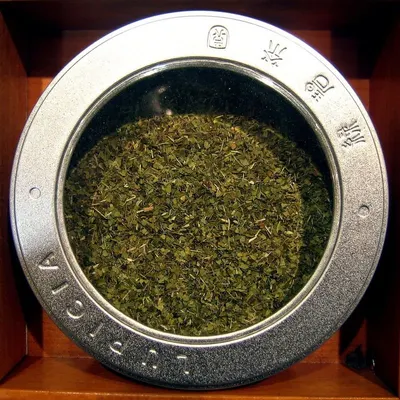
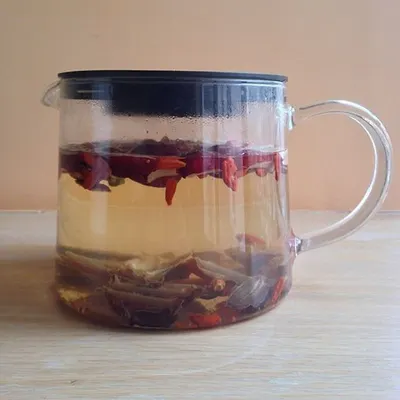

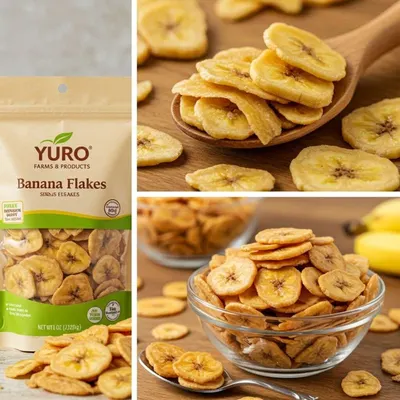

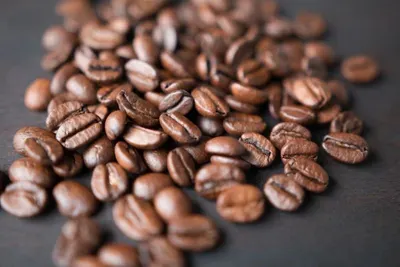
About PT Zzeen Trans Indoneia - Herbal Tea Supplier in Indonesia
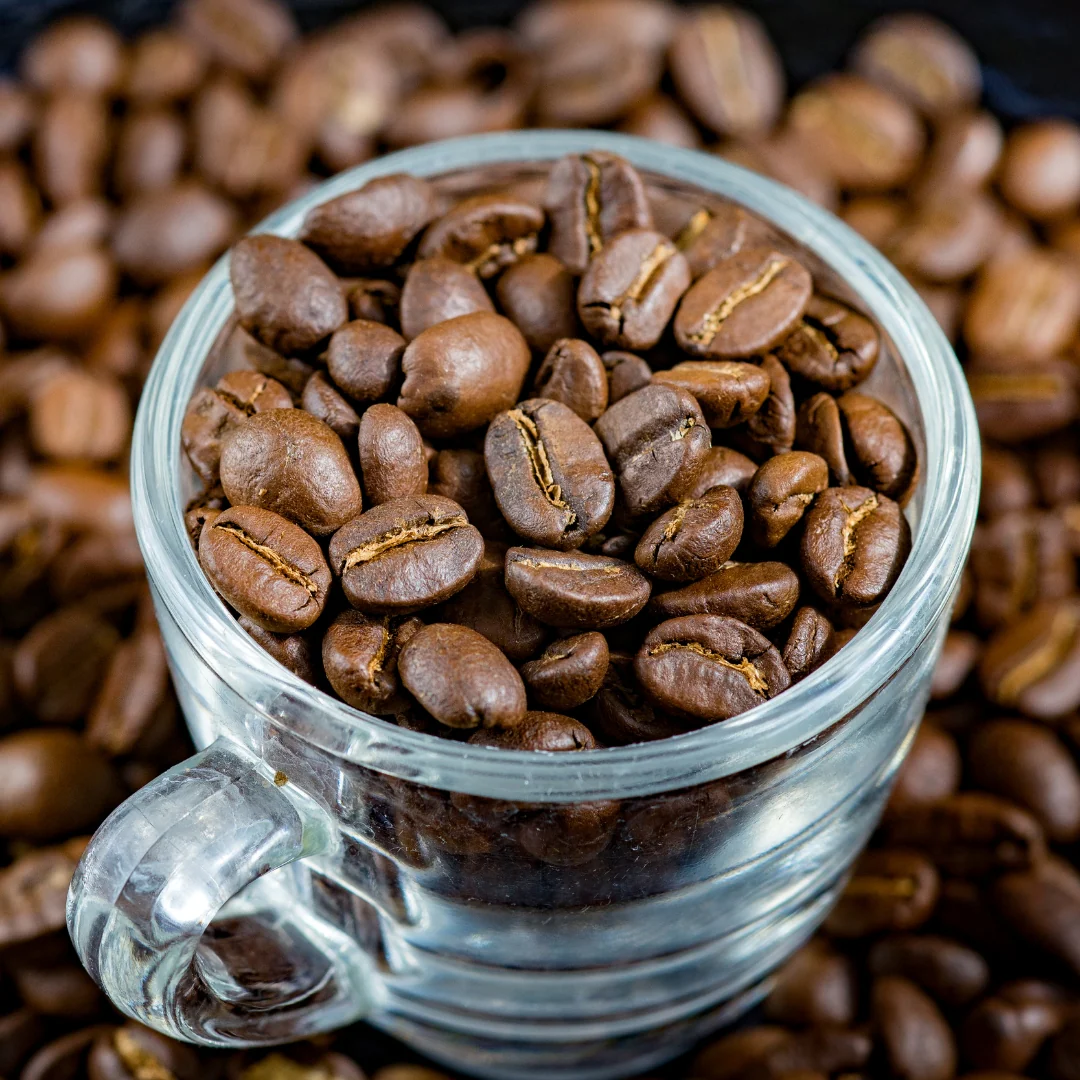
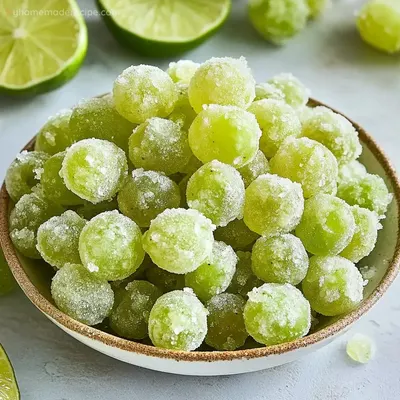
Indonesia is a major exporter of tropical agricultural commodities. PT Zzeen Trans Indoneia lists ten active products across five top categories: Herbal Tea, Dehydrated Vegetables, Banana, Coffee Powder, Robusta Coffee, and Spices Powder. The catalogue includes fresh Cavendish Banana classified under HS code 0803.90.20, multiple Robusta coffee powders, dried lemon and lime, several herbal tea blends, and a generic spices powder. All items are sourced from Indonesia and positioned for international trade. The supplier is tagged with a harbor trust tier, indicating its participation in port‑based verification processes.
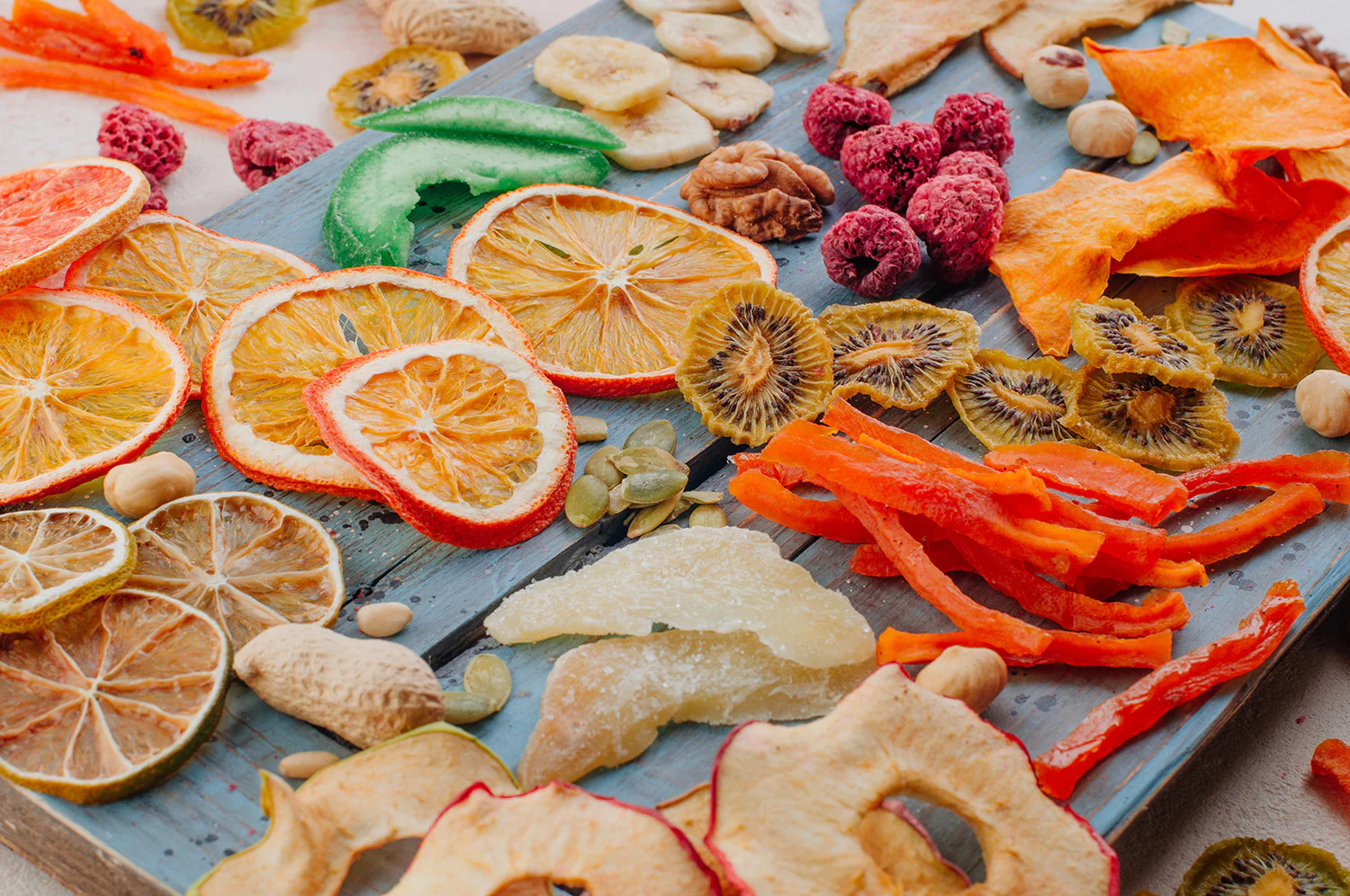
The product list comprises fresh Cavendish Banana (Musa acuminata AAA Group), two variants of Robusta coffee powder (Java and Dampit origins), a general spices powder, dried citrus fruits (lemon and lime), and four herbal tea blends targeting slimming, anti‑diabetes, breastfeeding support, and gastro‑esophageal reflux. Although HS codes are supplied only for the banana, the other items fall under standard HS chapters: coffee powders (0901), spices (0905), and herbal teas (2101). Each entry is described by its material type, for example fresh fruit, ground coffee, dried citrus, or blended herb leaves. The catalogue does not specify packaging dimensions, but typical export packaging for these commodities includes 20‑ft containers for bulk fruit and 40‑ft containers for processed powders. The supplier’s product count of ten reflects a focused portfolio within Indonesian agricultural exports.
Product Range and Specialties of PT Zzeen Trans Indoneia
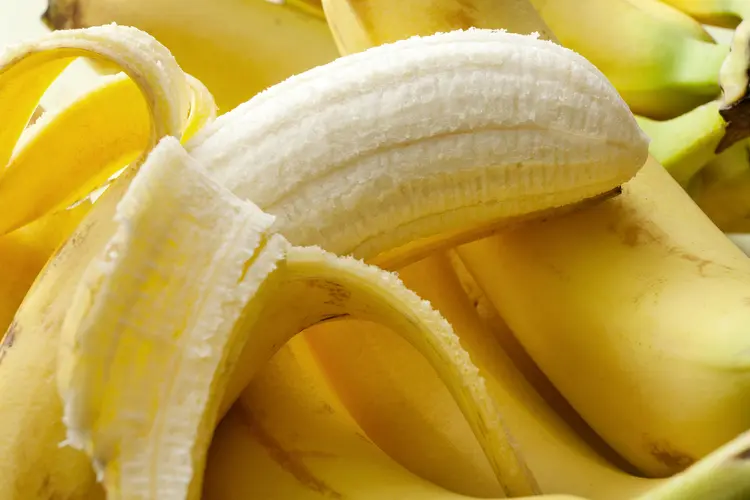
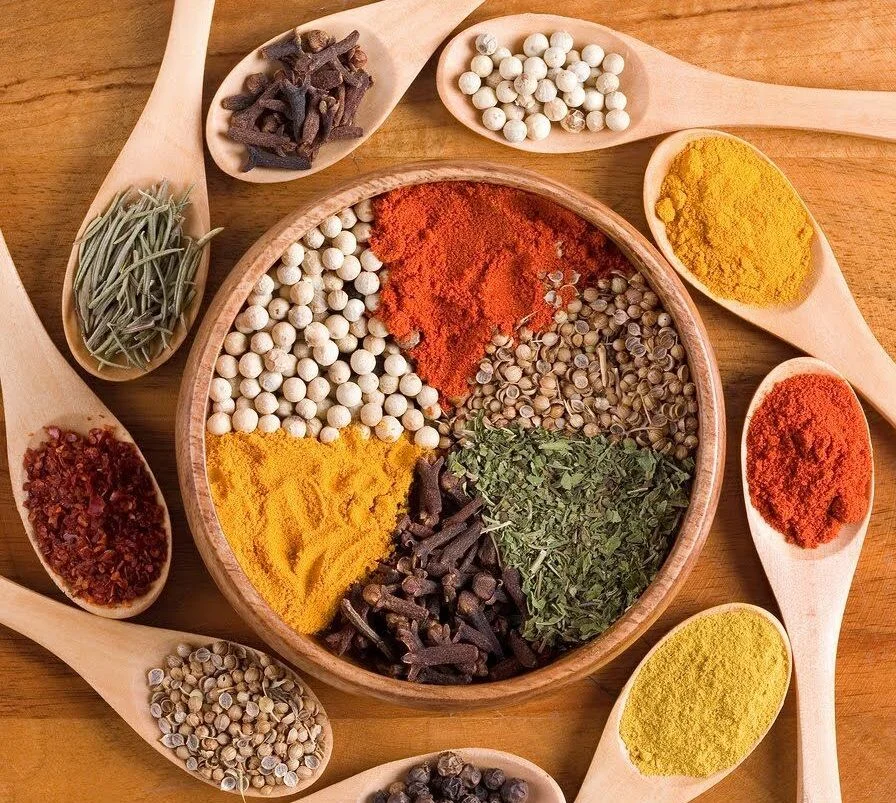
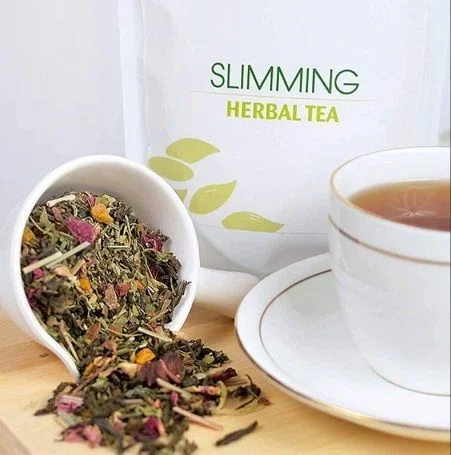
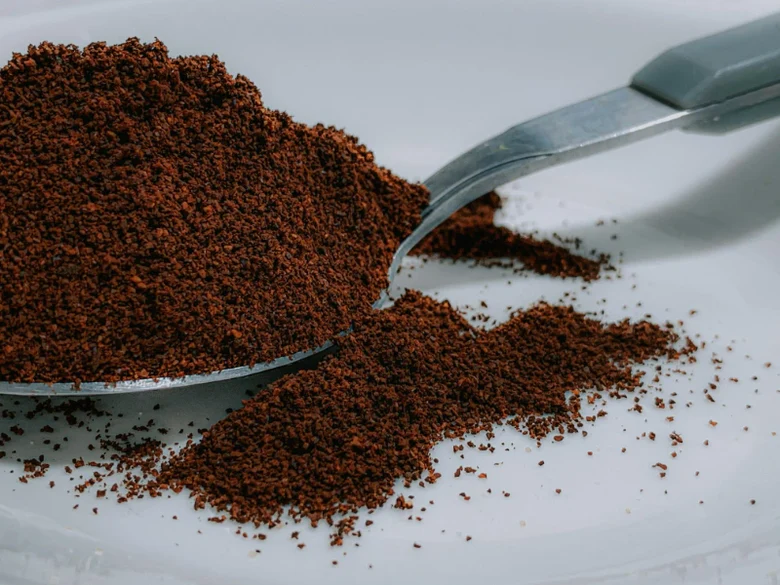
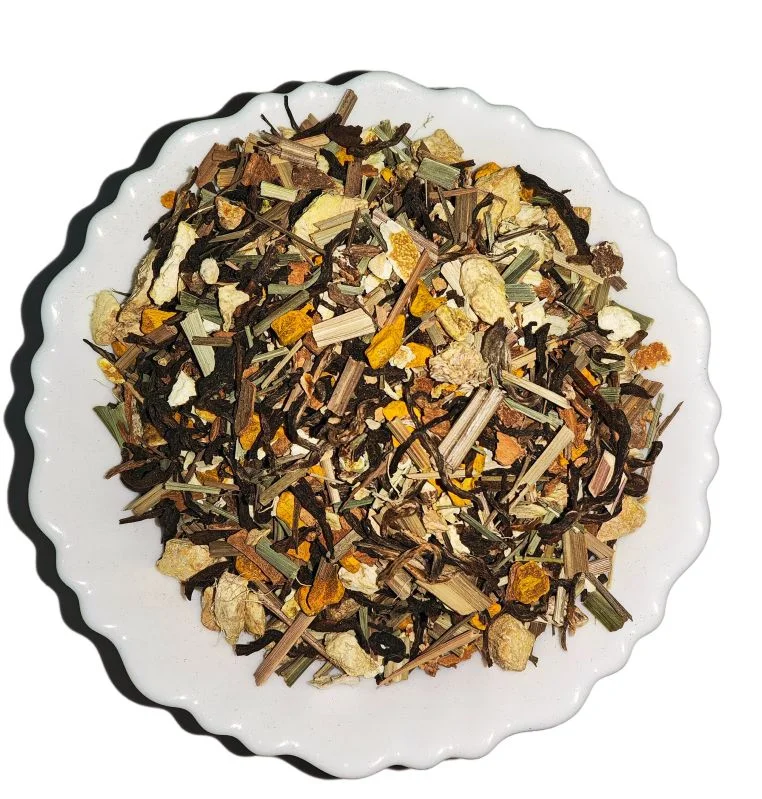
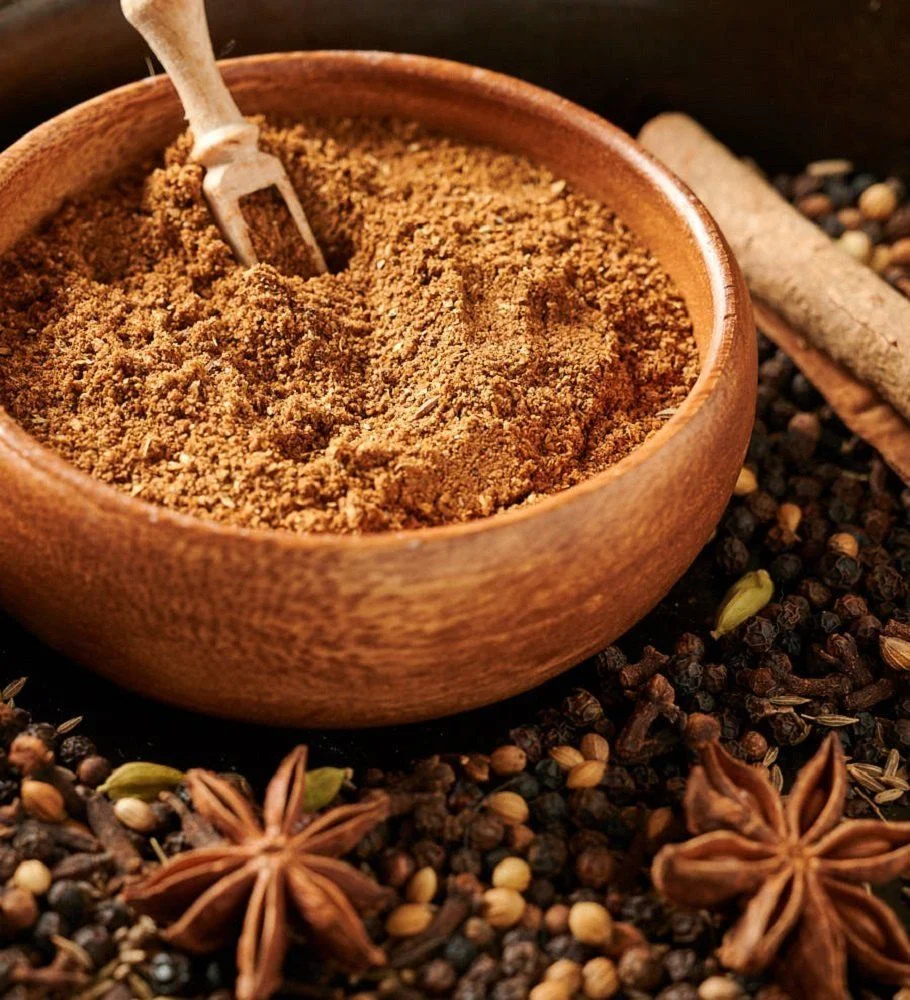
From the catalogue, PT Zzeen Trans Indoneia offers fresh Cavendish Banana (HS 0803.90.20), which in export markets is usually shipped in bunches of 15‑20 kg with a total soluble solids content of 20‑22 % and a moisture level below 85 %. Robusta coffee powders, both Java and Dampit variants, are typically ground to a medium‑fine particle size (250 - 400 µm) and contain moisture not exceeding 12 %. Spices powder generally meets a purity level of 95 % minimum and particle size distribution under 500 µm. The dried lemon and lime are commonly exported as whole dried slices with a moisture content of 10‑12 % and a citric acid concentration around 5 %. Herbal tea blends are usually blended from dried leaves and herbs, with a typical infusion strength of 2 g per 200 ml cup and a moisture content below 12 %.
In the global market, bananas from Indonesia are classified under the “Cavendish” standard and often require GlobalGAP or phytosanitary certificates. Robusta coffee powders are subject to ISO 9001 quality management and may be verified against cupping scores of 70 - 80 points on the SCA scale. Spices powders commonly need to comply with the EU’s maximum residue limits (MRL) and may be accompanied by a Certificate of Analysis for pesticide residues. Herbal teas are frequently inspected for microbial limits (e.g., total plate count <10 000 CFU/g) and may be required to hold organic or fair‑trade certifications depending on the buyer’s market. These industry benchmarks help buyers assess product suitability across European, North American, and Middle‑Eastern importers.
Frequently Asked Questions About PT Zzeen Trans Indoneia
What product categories does PT Zzeen Trans Indoneia offer?
The supplier lists ten products covering fresh Cavendish banana, two Robusta coffee powders (Java and Dampit), a generic spices powder, dried lemon and dried lime, and four herbal tea blends (slimming, anti‑diabetes, breastfeeding, and GERD). These fall under the HS categories 0803 for bananas, 0901 for coffee, 0905 for spices, and 2101 for herbal teas.
Which HS code applies to the banana product?
The Cavendish banana is classified under HS code 0803.90.20, which covers other fresh bananas not elsewhere specified.
What certifications are typically required for these Indonesian food exports?
Importers commonly request GlobalGAP, HACCP, ISO 22000, and a phytosanitary certificate for fresh produce; coffee and spice powders often need a Certificate of Analysis and compliance with EU maximum residue limits. Buyers should verify that the supplier can provide these documents.
What are the usual packaging formats for the coffee and spice powders?
Processed powders are generally packed in multi‑layer polyethylene bags of 25 kg each, which are then placed in 20‑ft dry containers. The bags are sealed to protect against moisture and contamination.
What is the typical minimum order quantity (MOQ) and lead time?
For bulk powder products, the MOQ is usually one 20‑ft container (approximately 800 kg), while fresh bananas may be ordered in shipments of 10 - 15 tons. Lead times range from 30 days for processed powders to 45 days for fresh fruit, subject to seasonal availability.
IndonesiaRelated Suppliers & Products
Explore similar suppliers, related products and trending categories