PT. Serajiyah resources and services — Verified Supplier
About PT. Serajiyah resources and services - Vegetable and Fruit Supplier in Malaysia
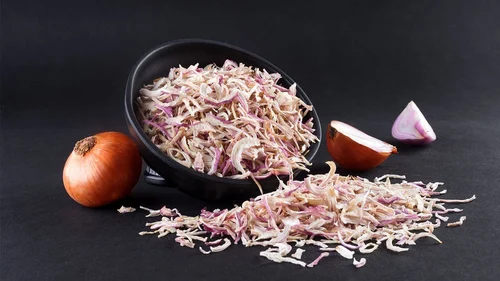
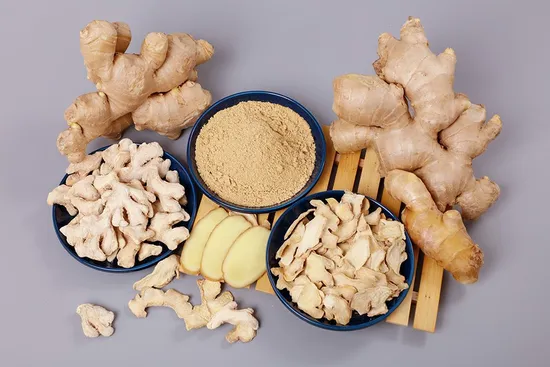
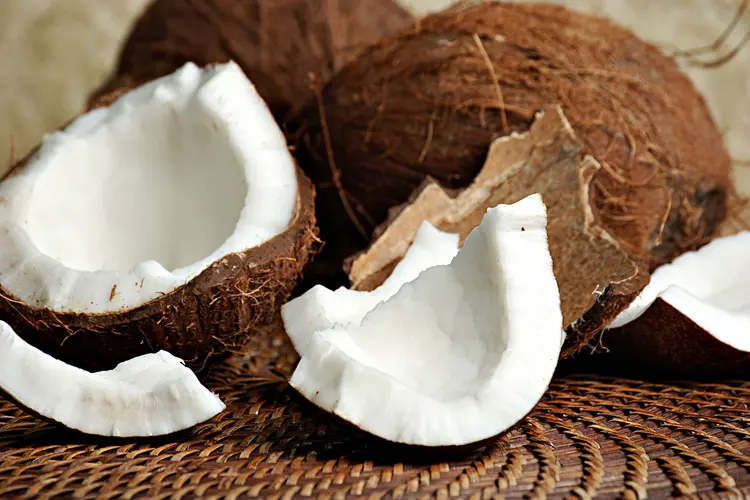
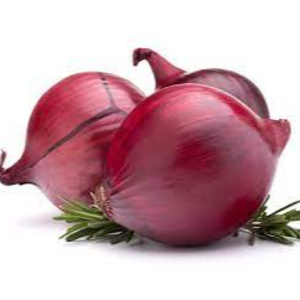
PT. Serajiyah resources and services, based in Malaysia, offers a diverse range of 7 products. The company lists various vegetable and fruit products, including Coconut Copra, Tamarind, Ginger, Onion, Dry Chili, Peanut, and Chick Peas. These products fall under HS code families such as 1203.00 for Coconut Copra, 2001.90 for Tamarind, and 0910.11 for Ginger. The materials used include Dried Coconut Kernel, Tamarind Pulp Concentrate, Ginger Root, Dehydrated Onion, and 100% Natural Dried Red Chili Peppers.
The company's product range caters to the needs of various industries, with a focus on providing quality vegetable and fruit products. The products are sourced from Malaysia, known for its rich agricultural land and favorable climate for farming. With its strategic location, PT. Serajiyah resources and services is well-positioned to serve the needs of buyers in various regions, including Asia, Europe, and the Americas.
Product Range and Specialties of PT. Serajiyah resources and services
PT. Serajiyah resources and services' product range includes a variety of vegetable and fruit products, each with its own unique characteristics and specifications. For example, the Coconut Copra product has a material specification of Dried Coconut Kernel (Cocos nucifera), while the Tamarind product has a material specification of Tamarind Pulp Concentrate (30-40% Acidity). The Ginger product, on the other hand, has a material specification of Zingiber officinale (Ginger Root).
Buyers of these products typically require specific grades and standards, such as ICUMSA 45 for sugar or palm-oil CP 10 cloud point for palm oil. The company's products are likely to meet these standards, given their quality materials and specifications. For instance, the Peanut product has a material specification of Inshell Peanut (Arachis hypogaea), which is commonly used in the food industry.
Trade and Export Information - PT. Serajiyah resources and services
Exporters of vegetable and fruit products, such as PT. Serajiyah resources and services, typically require certifications and compliance with regulations such as HACCP, ISO 22000, and EU food safety standards. The company's products are likely to be exported to regions such as the Middle East, Africa, and Southeast Asia, where there is a high demand for these types of products. The HS code families involved, such as 1203.00 for Coconut Copra and 2001.90 for Tamarind, are commonly used in international trade and are subject to regulations and inspections.
The logistics and packaging of these products are also crucial, with buyers typically requiring packaging that meets international standards, such as 20 ft or 40 ft containers, and Incoterms such as CIF or FOB. The company's products are likely to be shipped via sea or air freight, given their perishable nature and the need for timely delivery.
Sourcing from PT. Serajiyah resources and services - Buyer Guidance
Buyers sourcing from PT. Serajiyah resources and services should request specifications, samples, and test reports to verify the quality of the products. They should also verify the company's certifications and compliance with regulations, such as HACCP and ISO 22000. Additionally, buyers should confirm the packaging and shipping arrangements, including the use of 20 ft or 40 ft containers and Incoterms such as CIF or FOB.
Buyers should also be aware of the typical quality parameters and tests for these products, such as moisture percentage, purity percentage, and grain length in mm. They should request these specifications and test reports to ensure that the products meet their requirements. Furthermore, buyers should confirm the minimum order quantity (MOQ) and lead time to ensure timely delivery and to plan their production schedules accordingly.
Frequently Asked Questions About PT. Serajiyah resources and services
What is the product range of PT. Serajiyah resources and services?
The company offers a diverse range of 7 products, including Coconut Copra, Tamarind, Ginger, Onion, Dry Chili, Peanut, and Chick Peas. These products fall under HS code families such as 1203.00 for Coconut Copra, 2001.90 for Tamarind, and 0910.11 for Ginger.
What are the material specifications of the company's products?
The materials used include Dried Coconut Kernel, Tamarind Pulp Concentrate, Ginger Root, Dehydrated Onion, and 100% Natural Dried Red Chili Peppers. For example, the Coconut Copra product has a material specification of Dried Coconut Kernel (Cocos nucifera), while the Tamarind product has a material specification of Tamarind Pulp Concentrate (30-40% Acidity).
What certifications and regulations should buyers be aware of?
Buyers should be aware of certifications such as HACCP and ISO 22000, and regulations such as EU food safety standards. The company's products are likely to meet these standards, given their quality materials and specifications.
What is the typical packaging and shipping arrangement for the company's products?
The company's products are likely to be shipped via sea or air freight, given their perishable nature and the need for timely delivery. Buyers should confirm the packaging and shipping arrangements, including the use of 20 ft or 40 ft containers and Incoterms such as CIF or FOB.
What are the typical quality parameters and tests for the company's products?
Buyers should be aware of typical quality parameters and tests, such as moisture percentage, purity percentage, and grain length in mm. They should request these specifications and test reports to ensure that the products meet their requirements.
What is the minimum order quantity (MOQ) and lead time for the company's products?
Buyers should confirm the MOQ and lead time to ensure timely delivery and to plan their production schedules accordingly.
What documents and certifications should buyers request from the company?
Buyers should request documents and certifications such as HACCP and ISO 22000 certificates, as well as test reports and specifications to verify the quality of the products.




 , Malaysia