Pt. Mitra Saruta Indonesia — Verified Supplier

About Pt. Mitra Saruta Indonesia - Industrial Gloves Supplier in Indonesia

Pt. Mitra Saruta Indonesia is based in Indonesia and currently lists 20 active products across several categories. The catalogue includes industrial gloves, recycled open‑end yarn, industrial valves and gauges, and police and military uniforms. The glove line comprises working gloves and a series of 7‑gauge and 10‑gauge variants with different colors, patterns and dotting. The recycled yarn offerings are described as open‑end yarn produced from regenerated material. The other top categories are noted but no individual items are listed for them in the supplied data.

All glove items are identified by gauge (7 Gauge ≈ 0.18 mm, 10 Gauge ≈ 0.25 mm, 13 Gauge ≈ 0.33 mm) and by finish such as T/C, grey, charcoal, colored, stripped, camouflage, dotted or fingerless. The product list also includes a 13 Gauge polyester glove with optional PVC dots and a 10 Gauge dipping glove. The recycled yarn entry appears twice, indicating both “Recycle open end yarn” and “Regenerated (Recycle) Open End Year”. No HS codes are supplied in the source data.

Product Range and Specialties of Pt. Mitra Saruta Indonesia

The supplier’s glove portfolio spans 7‑gauge (≈180 µm) to 13‑gauge (≈330 µm) thicknesses, covering standard industrial uses such as handling, assembly and light mechanical work. In the global market, industrial gloves of this gauge are classified under HS chapter 62 (6216.00) and often meet EN 388 impact‑cut‑abrasion‑tear‑puncture standards, with cut‑resistance levels ranging from A to D. Buyers frequently request material composition (e.g., nitrile, PVC‑coated cotton, polyester), tensile strength, and chemical‑resistance data; fingerless variants are used where dexterity is critical, while dotted or camouflage finishes cater to specific visual or safety requirements.

The recycled open‑end yarn is produced from regenerated polyester fibers, a material that aligns with circular‑textile initiatives. Typical specifications for such yarn include denier between 1.5‑3 dtex, twist per meter of 8‑12, and moisture regain under 5 %. Buyers often verify the recycled‑content percentage and obtain ISO 14001 or GRS (Global Recycled Standard) certificates, although the supplier’s specific certifications are not listed.

Trade and Export Information - Pt. Mitra Saruta Indonesia

Indonesia is a major exporter of textile‑based industrial gloves and synthetic yarns, shipping primarily to Southeast Asian manufacturers, European OEMs and North American distributors. Export shipments are commonly packed in 20‑ft or 40‑ft containers with gloves placed in multi‑layered poly‑bags to protect against moisture, and yarn wound on spools or in bulk bags of 25 kg. The usual incoterms are FOB Jakarta or CIF major ports such as Jakarta and Surabaya, and buyers typically request CE marking, ISO 9001 quality‑management certification and REACH compliance for gloves containing PVC or other additives.

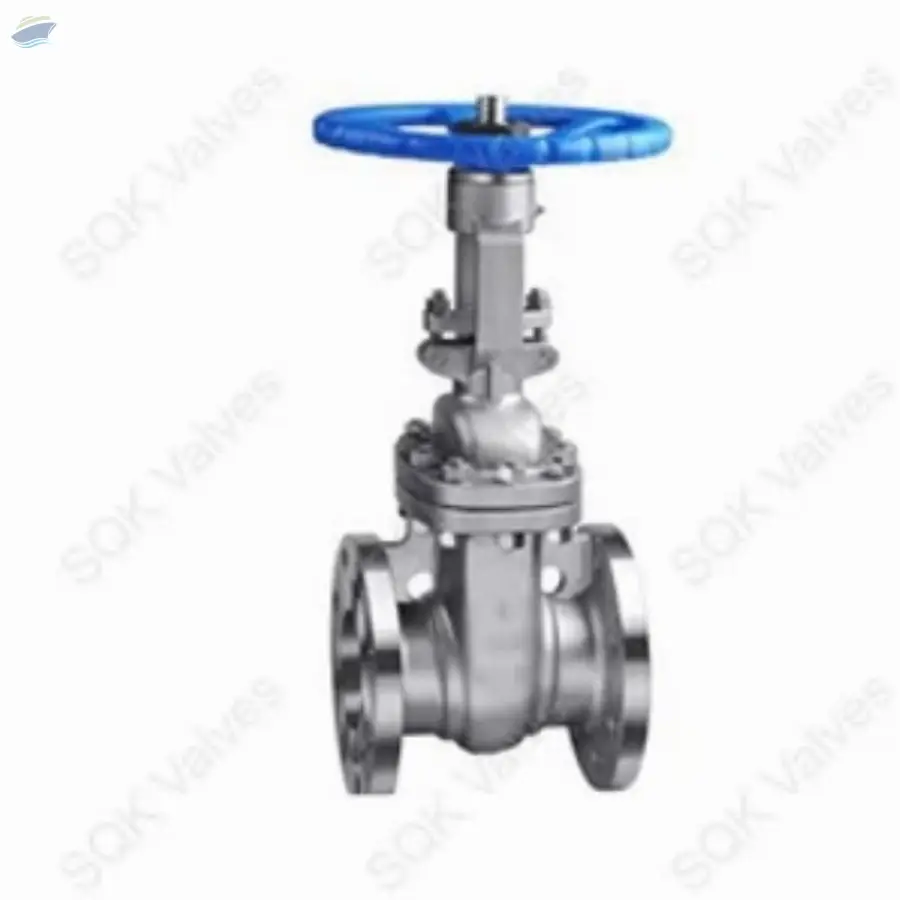
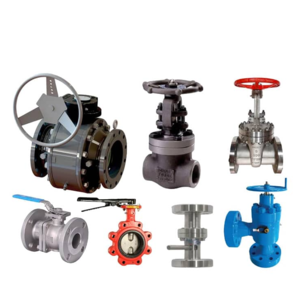
Industrial valves and gauges, as well as police and military uniforms, are also listed among the top categories, though detailed product data is absent. For such items, HS codes 8481 (valves) and 6205 (uniforms) are frequently applied, and purchasers normally require ISO 9001, ISO 14001 and, for uniforms, NFPA or MIL‑STD specifications depending on end‑use.

Sourcing from Pt. Mitra Saruta Indonesia - Buyer Guidance

When sourcing gloves from this supplier, buyers should request a product data sheet that lists gauge, material composition, colour, dot pattern and compliance test reports such as EN 388, ISO 3745 (cut resistance) and ISO 13997 (abrasion). Samples of the 7‑gauge and 10‑gauge variants should be examined for seam integrity and dimensional stability after a standard wash cycle. For the recycled yarn, a mill test report confirming denier, twist, tensile strength and recycled‑content percentage is advisable.

In the absence of listed certifications, buyers are advised to ask for copies of ISO 9001 or ISO 14001 certificates, as well as any REACH or CE declarations relevant to the glove material. Verification of packaging dimensions, container loading plan and lead time - typically 30‑45 days from order confirmation - helps align logistics with shipping schedules.

Frequently Asked Questions About Pt. Mitra Saruta Indonesia

What glove gauges are available from Pt. Mitra Saruta Indonesia?

The supplier lists 7‑gauge, 10‑gauge and 13‑gauge gloves, which correspond to approximate thicknesses of 0.18 mm, 0.25 mm and 0.33 mm respectively. Each gauge is offered in multiple colour and pattern variations.

Which materials are used in the listed gloves?

The catalogue mentions polyester gloves with optional PVC dots and various coloured or camouflaged finishes. Industrial gloves from Indonesia are commonly made from nitrile, PVC‑coated cotton, polyester or blended fabrics, so buyers should confirm the exact composition for each variant.

How are the gloves packaged for export?

Gloves are typically sealed in poly‑bags, placed in cartons and loaded into standard 20‑ft or 40‑ft containers. This packaging protects the products from moisture and mechanical damage during sea freight.

What documentation should a buyer request for the recycled yarn?

Buyers should ask for a mill test report that includes denier, twist per metre, tensile strength, moisture regain and the percentage of recycled content. If available, ISO 14001 or Global Recycled Standard certificates add further assurance.

Which HS codes are normally applied to these products?

Industrial gloves are generally classified under HS chapter 62 (6216.00) and recycled polyester yarn under HS 5402.00. The supplier’s catalogue does not provide specific HS codes, so the standard codes should be used for customs filings.

What certifications are commonly required for Indonesian industrial gloves?

Importers often require CE marking, ISO 9001 quality‑management certification, EN 388 performance testing and REACH compliance for chemical safety. Buyers should verify that the supplier can provide these documents.

What are typical lead times and minimum order quantities?

Lead times are usually 30‑45 days after order confirmation. Minimum order quantities often start at a full 20‑ft container, which equates to roughly 10 000‑12 000 pairs of gloves for bulk orders, though exact MOQs depend on the specific glove type.

Other Suppliers in Industrial Gloves

Top Trusted Suppliers

Related Products in Industrial Gloves

Trending in Parent Category

More Suppliers in Parent Category

Related Products

Other Suppliers

EximNext
58.4K+ live requirements
Register Free🎁 5 free buy-lead credits
Post Requirement
🌍 Trusted by 224.3K+ businesses in 200+ countries|
58.4K+ active requirements right now
✉️ [email protected]
|
Sell on EximNextPost Requirement
EximNext
AgricultureApparelConstructionElectronicFoodHomeIndustrialMineralsMiscellaneous
🔥 Deals|✨ AI Match|🏭 Suppliers|📋 Buy Leads|💰 Trade Finance|⭐ Upgrade
58.4K+ live RFQs·194.4K+ suppliers
🎁 5 free credits →
EximNext
EximNext
Register Free
🎁 5 free buy-lead credits
Sign In
📋Post Requirement💬Get QuotesAI Match📋RFQ Marketplace
All Categories
Services & Tools
🏭Supplier Directory🔥Today's Deals💰Trade FinanceMembership
Sell on EximNext
AboutContactBlogHelp
🏭

Pt. Mitra Saruta Indonesia

Harbor
Country flag , Indonesia
🛡️
78/100
Trust Score

Pt. Mitra Saruta Indonesia Product Catalog

Showing 12 of 20 products
View all products →
7 Gauge Colored Dotted Glove
Harbor
7 Gauge Colored Dotted Glove
Contact
MOQ: 1 Unit
Regenerated (Recycle) Open End Year
Harbor
Regenerated (Recycle) Open End Year
Contact
MOQ: 1 Unit
13 Gauge Polyster Glove with/without PVC Dots
Harbor
13 Gauge Polyster Glove with/without PVC Dots
Contact
MOQ: 1 Unit
10 Gauge Dipping Glove
Harbor
10 Gauge Dipping Glove
Contact
MOQ: 1 Unit
10 Gauge New Variant of Dotted Glove
Harbor
10 Gauge New Variant of Dotted Glove
Contact
MOQ: 1 Unit
7 Gauge New Variant of Dotted Glove
Harbor
7 Gauge New Variant of Dotted Glove
Contact
MOQ: 1 Unit
7 Gauge Multi Colored Fingerless Glove
Harbor
7 Gauge Multi Colored Fingerless Glove
Contact
MOQ: 1 Unit
7 Gauge Stripped Glove (Longer Cuff/Wrist Glove)
Harbor
7 Gauge Stripped Glove (Longer Cuff/Wrist Glove)
Contact
MOQ: 1 Unit
7 Gauge T/C Glove ( Short Wrist Glove)
Harbor
7 Gauge T/C Glove ( Short Wrist Glove)
Contact
MOQ: 1 Unit
7 Gauge Camouflageh Dotted Glove
Harbor
7 Gauge Camouflageh Dotted Glove
Contact
MOQ: 1 Unit
7 Gauge Bleach Dotted Glove
Harbor
7 Gauge Bleach Dotted Glove
Contact
MOQ: 1 Unit
7 Gauge T/C Raw White Dotted Glove
Harbor
7 Gauge T/C Raw White Dotted Glove
Contact
MOQ: 1 Unit

About Pt. Mitra Saruta Indonesia - Industrial Gloves Supplier in Indonesia

Pt. Mitra Saruta Indonesia is based in Indonesia and currently lists 20 active products across several categories. The catalogue includes industrial gloves, recycled open‑end yarn, industrial valves and gauges, and police and military uniforms. The glove line comprises working gloves and a series of 7‑gauge and 10‑gauge variants with different colors, patterns and dotting. The recycled yarn offerings are described as open‑end yarn produced from regenerated material. The other top categories are noted but no individual items are listed for them in the supplied data.

All glove items are identified by gauge (7 Gauge ≈ 0.18 mm, 10 Gauge ≈ 0.25 mm, 13 Gauge ≈ 0.33 mm) and by finish such as T/C, grey, charcoal, colored, stripped, camouflage, dotted or fingerless. The product list also includes a 13 Gauge polyester glove with optional PVC dots and a 10 Gauge dipping glove. The recycled yarn entry appears twice, indicating both “Recycle open end yarn” and “Regenerated (Recycle) Open End Year”. No HS codes are supplied in the source data.

Product Range and Specialties of Pt. Mitra Saruta Indonesia

The supplier’s glove portfolio spans 7‑gauge (≈180 µm) to 13‑gauge (≈330 µm) thicknesses, covering standard industrial uses such as handling, assembly and light mechanical work. In the global market, industrial gloves of this gauge are classified under HS chapter 62 (6216.00) and often meet EN 388 impact‑cut‑abrasion‑tear‑puncture standards, with cut‑resistance levels ranging from A to D. Buyers frequently request material composition (e.g., nitrile, PVC‑coated cotton, polyester), tensile strength, and chemical‑resistance data; fingerless variants are used where dexterity is critical, while dotted or camouflage finishes cater to specific visual or safety requirements.

The recycled open‑end yarn is produced from regenerated polyester fibers, a material that aligns with circular‑textile initiatives. Typical specifications for such yarn include denier between 1.5‑3 dtex, twist per meter of 8‑12, and moisture regain under 5 %. Buyers often verify the recycled‑content percentage and obtain ISO 14001 or GRS (Global Recycled Standard) certificates, although the supplier’s specific certifications are not listed.

Trade and Export Information - Pt. Mitra Saruta Indonesia

Indonesia is a major exporter of textile‑based industrial gloves and synthetic yarns, shipping primarily to Southeast Asian manufacturers, European OEMs and North American distributors. Export shipments are commonly packed in 20‑ft or 40‑ft containers with gloves placed in multi‑layered poly‑bags to protect against moisture, and yarn wound on spools or in bulk bags of 25 kg. The usual incoterms are FOB Jakarta or CIF major ports such as Jakarta and Surabaya, and buyers typically request CE marking, ISO 9001 quality‑management certification and REACH compliance for gloves containing PVC or other additives.

Industrial valves and gauges, as well as police and military uniforms, are also listed among the top categories, though detailed product data is absent. For such items, HS codes 8481 (valves) and 6205 (uniforms) are frequently applied, and purchasers normally require ISO 9001, ISO 14001 and, for uniforms, NFPA or MIL‑STD specifications depending on end‑use.

Sourcing from Pt. Mitra Saruta Indonesia - Buyer Guidance

When sourcing gloves from this supplier, buyers should request a product data sheet that lists gauge, material composition, colour, dot pattern and compliance test reports such as EN 388, ISO 3745 (cut resistance) and ISO 13997 (abrasion). Samples of the 7‑gauge and 10‑gauge variants should be examined for seam integrity and dimensional stability after a standard wash cycle. For the recycled yarn, a mill test report confirming denier, twist, tensile strength and recycled‑content percentage is advisable.

In the absence of listed certifications, buyers are advised to ask for copies of ISO 9001 or ISO 14001 certificates, as well as any REACH or CE declarations relevant to the glove material. Verification of packaging dimensions, container loading plan and lead time - typically 30‑45 days from order confirmation - helps align logistics with shipping schedules.

Frequently Asked Questions About Pt. Mitra Saruta Indonesia

What glove gauges are available from Pt. Mitra Saruta Indonesia?

The supplier lists 7‑gauge, 10‑gauge and 13‑gauge gloves, which correspond to approximate thicknesses of 0.18 mm, 0.25 mm and 0.33 mm respectively. Each gauge is offered in multiple colour and pattern variations.

Which materials are used in the listed gloves?

The catalogue mentions polyester gloves with optional PVC dots and various coloured or camouflaged finishes. Industrial gloves from Indonesia are commonly made from nitrile, PVC‑coated cotton, polyester or blended fabrics, so buyers should confirm the exact composition for each variant.

How are the gloves packaged for export?

Gloves are typically sealed in poly‑bags, placed in cartons and loaded into standard 20‑ft or 40‑ft containers. This packaging protects the products from moisture and mechanical damage during sea freight.

What documentation should a buyer request for the recycled yarn?

Buyers should ask for a mill test report that includes denier, twist per metre, tensile strength, moisture regain and the percentage of recycled content. If available, ISO 14001 or Global Recycled Standard certificates add further assurance.

Which HS codes are normally applied to these products?

Industrial gloves are generally classified under HS chapter 62 (6216.00) and recycled polyester yarn under HS 5402.00. The supplier’s catalogue does not provide specific HS codes, so the standard codes should be used for customs filings.

What certifications are commonly required for Indonesian industrial gloves?

Importers often require CE marking, ISO 9001 quality‑management certification, EN 388 performance testing and REACH compliance for chemical safety. Buyers should verify that the supplier can provide these documents.

What are typical lead times and minimum order quantities?

Lead times are usually 30‑45 days after order confirmation. Minimum order quantities often start at a full 20‑ft container, which equates to roughly 10 000‑12 000 pairs of gloves for bulk orders, though exact MOQs depend on the specific glove type.

About Pt. Mitra Saruta Indonesia - Industrial Gloves Supplier in Indonesia

Pt. Mitra Saruta Indonesia is based in Indonesia and currently lists 20 active products across several categories. The catalogue includes industrial gloves, recycled open‑end yarn, industrial valves and gauges, and police and military uniforms. The glove line comprises working gloves and a series of 7‑gauge and 10‑gauge variants with different colors, patterns and dotting. The recycled yarn offerings are described as open‑end yarn produced from regenerated material. The other top categories are noted but no individual items are listed for them in the supplied data.

All glove items are identified by gauge (7 Gauge ≈ 0.18 mm, 10 Gauge ≈ 0.25 mm, 13 Gauge ≈ 0.33 mm) and by finish such as T/C, grey, charcoal, colored, stripped, camouflage, dotted or fingerless. The product list also includes a 13 Gauge polyester glove with optional PVC dots and a 10 Gauge dipping glove. The recycled yarn entry appears twice, indicating both “Recycle open end yarn” and “Regenerated (Recycle) Open End Year”. No HS codes are supplied in the source data.

Product Range and Specialties of Pt. Mitra Saruta Indonesia

The supplier’s glove portfolio spans 7‑gauge (≈180 µm) to 13‑gauge (≈330 µm) thicknesses, covering standard industrial uses such as handling, assembly and light mechanical work. In the global market, industrial gloves of this gauge are classified under HS chapter 62 (6216.00) and often meet EN 388 impact‑cut‑abrasion‑tear‑puncture standards, with cut‑resistance levels ranging from A to D. Buyers frequently request material composition (e.g., nitrile, PVC‑coated cotton, polyester), tensile strength, and chemical‑resistance data; fingerless variants are used where dexterity is critical, while dotted or camouflage finishes cater to specific visual or safety requirements.

The recycled open‑end yarn is produced from regenerated polyester fibers, a material that aligns with circular‑textile initiatives. Typical specifications for such yarn include denier between 1.5‑3 dtex, twist per meter of 8‑12, and moisture regain under 5 %. Buyers often verify the recycled‑content percentage and obtain ISO 14001 or GRS (Global Recycled Standard) certificates, although the supplier’s specific certifications are not listed.

Trade and Export Information - Pt. Mitra Saruta Indonesia

Indonesia is a major exporter of textile‑based industrial gloves and synthetic yarns, shipping primarily to Southeast Asian manufacturers, European OEMs and North American distributors. Export shipments are commonly packed in 20‑ft or 40‑ft containers with gloves placed in multi‑layered poly‑bags to protect against moisture, and yarn wound on spools or in bulk bags of 25 kg. The usual incoterms are FOB Jakarta or CIF major ports such as Jakarta and Surabaya, and buyers typically request CE marking, ISO 9001 quality‑management certification and REACH compliance for gloves containing PVC or other additives.

Industrial valves and gauges, as well as police and military uniforms, are also listed among the top categories, though detailed product data is absent. For such items, HS codes 8481 (valves) and 6205 (uniforms) are frequently applied, and purchasers normally require ISO 9001, ISO 14001 and, for uniforms, NFPA or MIL‑STD specifications depending on end‑use.

Sourcing from Pt. Mitra Saruta Indonesia - Buyer Guidance

When sourcing gloves from this supplier, buyers should request a product data sheet that lists gauge, material composition, colour, dot pattern and compliance test reports such as EN 388, ISO 3745 (cut resistance) and ISO 13997 (abrasion). Samples of the 7‑gauge and 10‑gauge variants should be examined for seam integrity and dimensional stability after a standard wash cycle. For the recycled yarn, a mill test report confirming denier, twist, tensile strength and recycled‑content percentage is advisable.

In the absence of listed certifications, buyers are advised to ask for copies of ISO 9001 or ISO 14001 certificates, as well as any REACH or CE declarations relevant to the glove material. Verification of packaging dimensions, container loading plan and lead time - typically 30‑45 days from order confirmation - helps align logistics with shipping schedules.

Frequently Asked Questions About Pt. Mitra Saruta Indonesia
What glove gauges are available from Pt. Mitra Saruta Indonesia?
The supplier lists 7‑gauge, 10‑gauge and 13‑gauge gloves, which correspond to approximate thicknesses of 0.18 mm, 0.25 mm and 0.33 mm respectively. Each gauge is offered in multiple colour and pattern variations.
Which materials are used in the listed gloves?
The catalogue mentions polyester gloves with optional PVC dots and various coloured or camouflaged finishes. Industrial gloves from Indonesia are commonly made from nitrile, PVC‑coated cotton, polyester or blended fabrics, so buyers should confirm the exact composition for each variant.
How are the gloves packaged for export?
Gloves are typically sealed in poly‑bags, placed in cartons and loaded into standard 20‑ft or 40‑ft containers. This packaging protects the products from moisture and mechanical damage during sea freight.
What documentation should a buyer request for the recycled yarn?
Buyers should ask for a mill test report that includes denier, twist per metre, tensile strength, moisture regain and the percentage of recycled content. If available, ISO 14001 or Global Recycled Standard certificates add further assurance.
Which HS codes are normally applied to these products?
Industrial gloves are generally classified under HS chapter 62 (6216.00) and recycled polyester yarn under HS 5402.00. The supplier’s catalogue does not provide specific HS codes, so the standard codes should be used for customs filings.
What certifications are commonly required for Indonesian industrial gloves?
Importers often require CE marking, ISO 9001 quality‑management certification, EN 388 performance testing and REACH compliance for chemical safety. Buyers should verify that the supplier can provide these documents.
What are typical lead times and minimum order quantities?
Lead times are usually 30‑45 days after order confirmation. Minimum order quantities often start at a full 20‑ft container, which equates to roughly 10 000‑12 000 pairs of gloves for bulk orders, though exact MOQs depend on the specific glove type.

🏭
Pt. Mitra Saruta Indonesia
Country flag , Indonesia
Harbor
78/100
Trust Score
📦
20
Products
Free to contact — no commission
Escrow payment available
Verified business identity
Compare more suppliers
Post a requirement — get 10 quotes free
Let verified suppliers compete for your business. Free, fast, no commitment.
EximNext Verified Supplier
Business identity verified
Physical address confirmed
Financial history checked
Certifications authenticated
Trade references validated
Due Diligence
Verify this supplier's real shipping history.
Every shipment, every buyer, every port. Trade data that can't be faked.
Run due diligence →
Discover More

Related Suppliers & Products

Explore similar suppliers, related products and trending categories

Other Suppliers in Industrial Gloves

Top Trusted Suppliers

Related Products in Industrial Gloves

Trending in Parent Category

More Suppliers in Parent Category

Stay ahead in global trade
Weekly market insights & new supplier alerts.
EximNext
Exim Next is a leading global B2B marketplace, connecting over 205,000 verified suppliers and buyers across 200+ countries. As a trusted import export marketplace, it serves as the essential B2B portal for businesses worldwide, empowering them to expand their international reach. With Exim Next, businesses can trade smarter and grow faster.
SECURE PAYMENTS
VISAMastercardPayPalSWIFTL/CEscrow
Follow us
© 2026 EximNext