PT Guna Berkat Indonesia — Verified Supplier
About PT Guna Berkat Indonesia - Spice & Agricultural Product Supplier in Indonesia
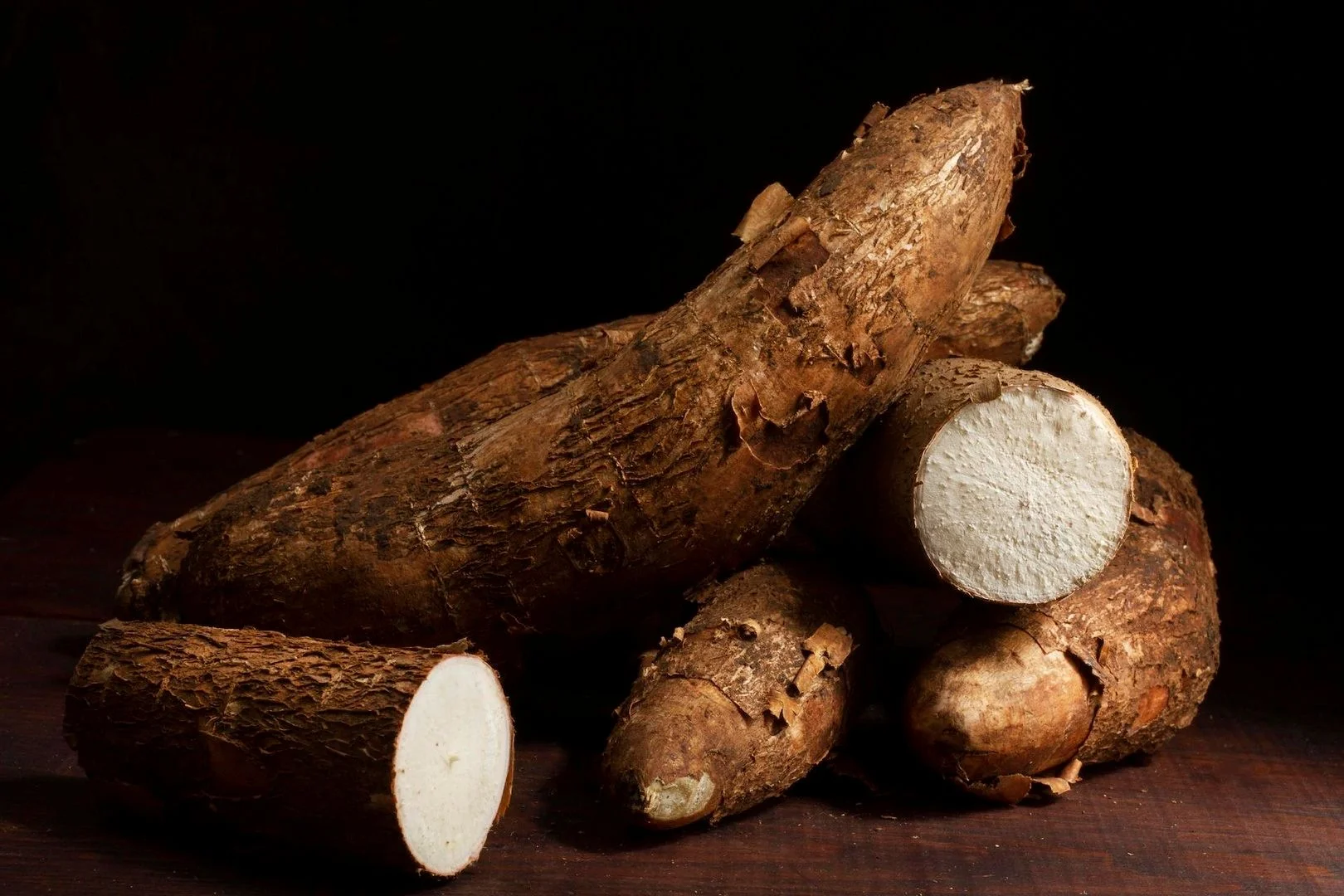
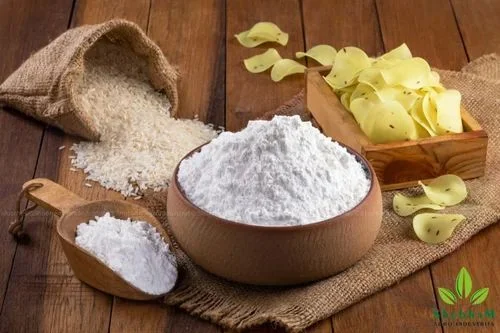
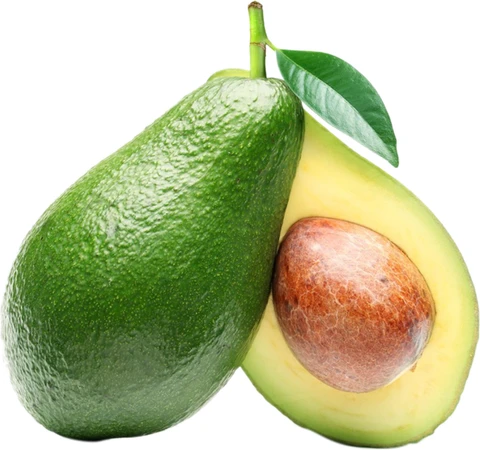
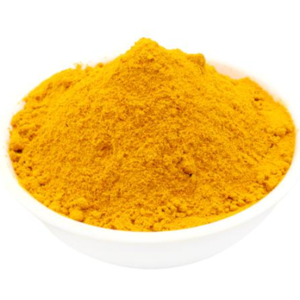
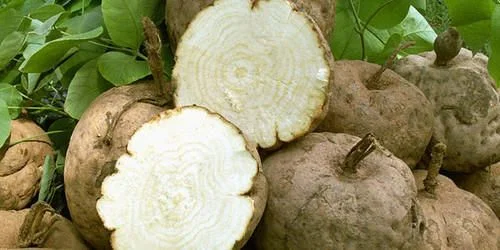
Indonesia is the source country for PT Guna Berkat Indonesia, which currently lists 15 active products. The catalogue includes fresh and processed spices such as Planifolia vanilla beans (Grade A), fresh turmeric, black pepper, fresh ginger, and fresh white turmeric. Processed forms comprise dried turmeric slices, turmeric powder, and two cassava‑derived flours - cassava flour and tapioca flour. Additional items are sulphur in lump and granule forms, a specialty coffee, fresh avocado (HS code 0804.40, material Fresh Avocado (Persea americana)), and coco peat. The product set spans the top categories of turmeric, sulphur, vanilla, pepper, fresh ginger, fresh cassava, and flour.
Product Range and Specialties of PT Guna Berkat Indonesia
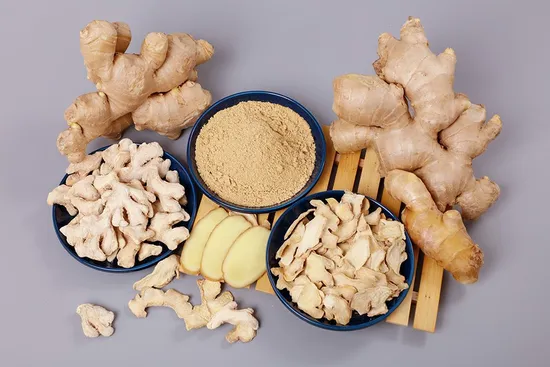
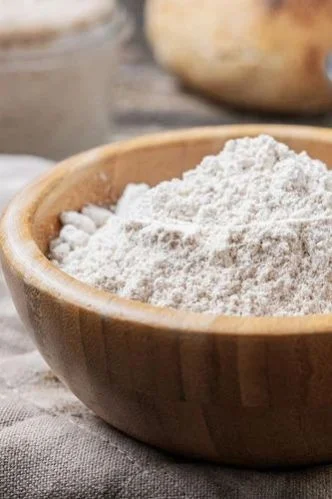
The vanilla offering is Planifolia beans classified as Grade A, typically meeting moisture ≤ 13 % and vanillin content around 2.5 %. Fresh turmeric and its white variant are supplied as whole roots, usually graded by ICUMSA colour values (ICUMSA 45 for premium powder) and moisture below 12 %. Black pepper is listed as whole peppercorns, standard size 3 - 5 mm, with essential oil content ≥ 45 %. Fresh ginger roots are supplied with a dry matter content of 12 - 15 %. Sulphur is available as 99 % pure lumps and granules, meeting specifications for sulfuric acid production. Cassava flour and tapioca flour are fine powders with starch purity of 80 %+ and moisture ≤ 12 %, packaged for bulk shipment. The coffee specialty, fresh avocado and coco peat round out the range, each adhering to typical freshness and moisture standards for their categories.
Trade and Export Information - PT Guna Berkat Indonesia
Indonesia is a major exporter of spices and tropical agricultural products. Buyers in the European Union, United States, Japan and the Gulf Cooperation Council frequently import vanilla beans (HS 0905), black pepper (HS 0904), ginger (HS 0909) and turmeric (HS 0904). Fresh avocado (HS 0804.40) is shipped to high‑value markets in Europe and North America, where cold‑chain logistics and phytosanitary certificates are mandatory. Sulphur (HS 2504) is largely destined for industrial users in Southeast Asia and the Middle East.
Typical export documentation includes a commercial invoice, packing list, certificate of origin, phytosanitary certificate for fresh produce, and where required a commodity‑specific quality certificate (e.g., COA for vanilla, ICUMSA report for turmeric powder). Buyers often require ISO 22000 or HACCP compliance, and for organic‑labelled spices, certification such as EU‑Organic or USDA‑Organic. Products are commonly packed in 20 kg polypropylene bags for spices, 25 kg jute bags for flours, and insulated containers for avocado. Standard Incoterms used are FOB Indonesian ports (e.g., Belawan, Jakarta) and CIF to major ports.
Sourcing from PT Guna Berkat Indonesia - Buyer Guidance
When sourcing from PT Guna Berkat Indonesia, buyers should request a recent Certificate of Analysis that details moisture, ash, colour (ICUMSA) and purity for each spice batch. For vanilla beans, a vanillin content test and moisture reading are essential, while turmeric powder should be accompanied by an ICUMSA 45/70 report. Fresh produce such as ginger, turmeric roots and avocado must be supplied with a phytosanitary certificate and a temperature‑controlled packing list.
Verification of sulphur purity (≥ 99 %) and grain size is advisable through a laboratory test report. For cassava‑derived flours, buyers typically ask for starch content, moisture, and microbiological limits (e.g., total plate count < 10 000 cfu/g). Requesting ISO 22000 or HACCP audit reports helps confirm the supplier’s food‑safety systems. Samples should be inspected for visual quality, aroma and absence of foreign matter before confirming a full order.
Frequently Asked Questions About PT Guna Berkat Indonesia
What HS codes apply to the main product categories?
Typical HS codes for the catalogue are: vanilla beans - 0905, black pepper - 0904, fresh ginger - 0909, fresh turmeric - 0904, dried turmeric slices and turmeric powder - 0904, sulphur lump and granule - 2504, cassava flour and tapioca flour - 1101, fresh avocado - 0804.40, and coco peat - 3105.
Which quality specifications are standard for vanilla beans Grade A?
Grade A Planifolia vanilla beans are usually required to have moisture ≤ 13 %, vanillin content around 2.5 % (±0.2 %), no visible mold, and a uniform bean length of 12 - 15 mm.
What documentation is required for fresh avocado shipments?
Fresh avocado exports normally need a phytosanitary certificate, a certificate of origin, a temperature‑controlled packing list, and a commercial invoice. Buyers often also request a moisture and firmness test report.
How is turmeric powder graded and what test reports should be requested?
Turmeric powder is graded by ICUMSA colour values; premium export batches target ICUMSA 45, while lower grades may be 70 or 90. A Certificate of Analysis should show ICUMSA colour, moisture ≤ 12 %, ash ≤ 7 % and absence of foreign matter.
What are the typical packaging sizes for spices and flours?
Spices such as vanilla, pepper, ginger and turmeric are commonly packed in 20 kg polypropylene or jute bags, while cassava flour and tapioca flour are usually shipped in 25 kg jute or polypropylene bags suitable for bulk handling.
Which certifications are commonly required for Indonesian spice exports?
Importers frequently ask for ISO 22000 or HACCP certification for food safety, along with any organic certifications (EU‑Organic, USDA‑Organic) when applicable. A Certificate of Origin and phytosanitary certificate are standard regulatory documents.




 , Indonesia