PT. Dewafi Indah Sejahtera — Verified Supplier

About PT. Dewafi Indah Sejahtera - Coconut Products Supplier in Indonesia

Indonesia‑based PT. Dewafi Indah Sejahtera currently lists five active products on the platform. The catalogue includes Coco Fiber (HS 5305.00, 100 % natural coconut coir fiber), Coco Peat, Briquette Charcoal, Charcoal, and a combined Coconut Oil and Briquette Charcoal offering. The supplier’s top categories are identified as Coconut Shell Charcoal, Coir Fiber, Coco Peat & Coir Pith, and Coconut Oil, matching the five catalogue entries. Each product is presented under its generic commodity name without additional proprietary specifications.

The five products cover two broad material families: fibrous coir derivatives (Coco Fiber and Coco Peat) and carbonised coconut products (Charcoal and Briquette Charcoal) together with edible oil (Coconut Oil). The coir items fall under HS chapter 53, while the charcoal products are classified in HS chapter 44 and the oil in HS chapter 15. No explicit certifications are listed for the supplier, so buyers should verify compliance with typical industry standards before purchase.

Product Range and Specialties of PT. Dewafi Indah Sejahtera

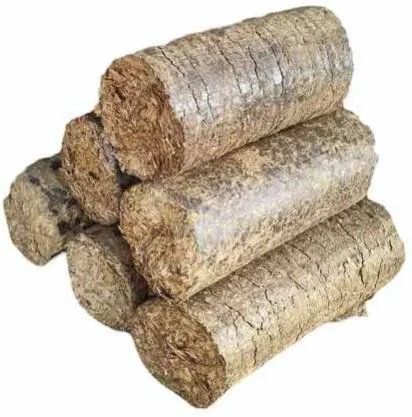
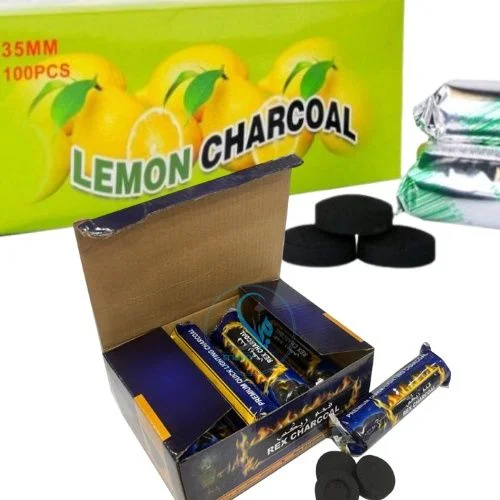
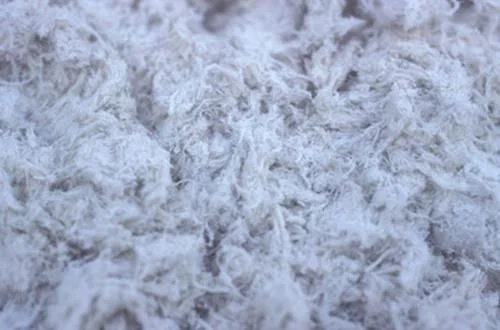
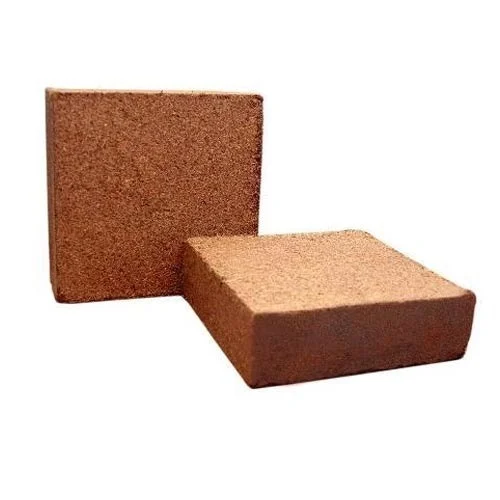
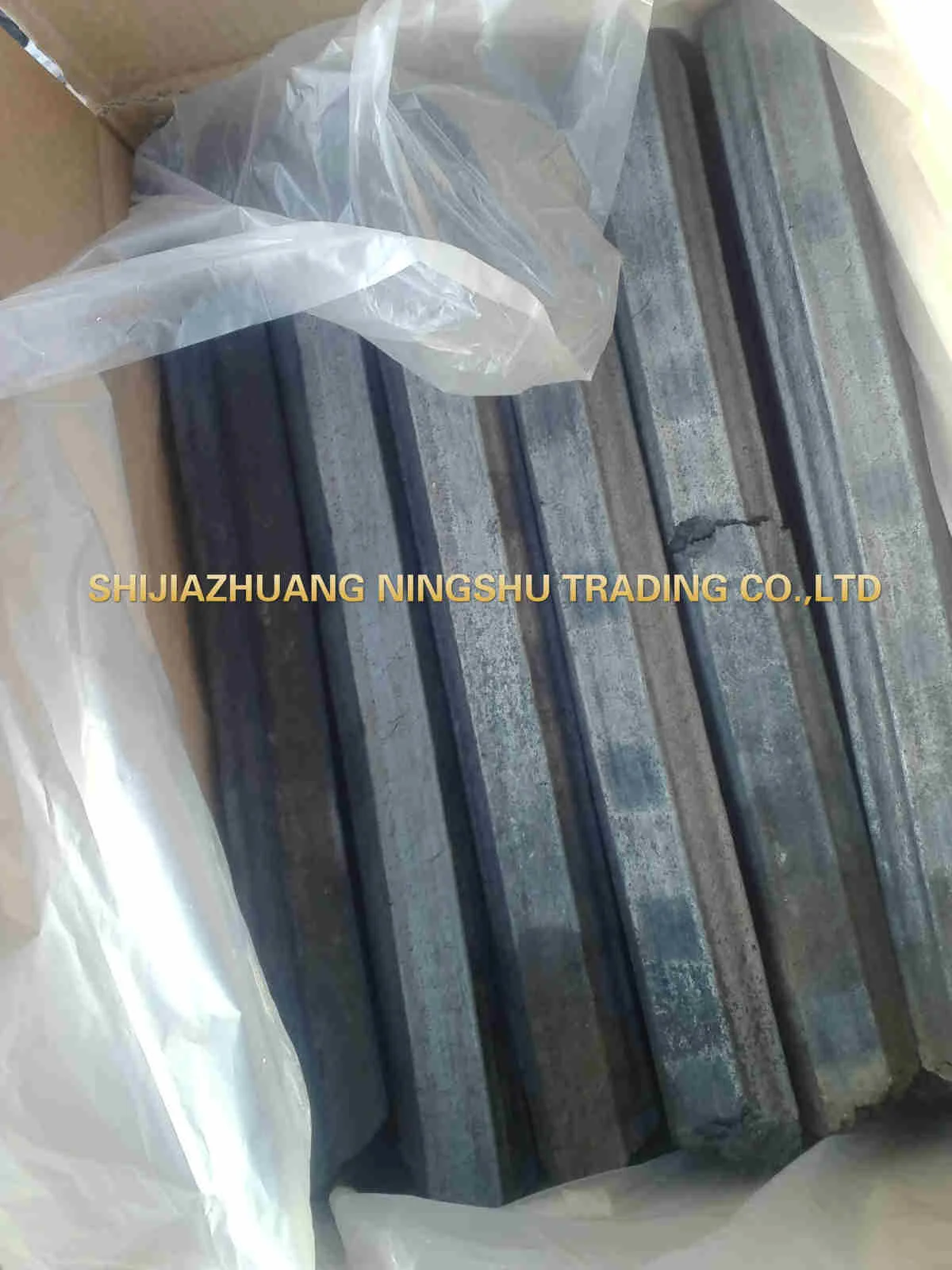
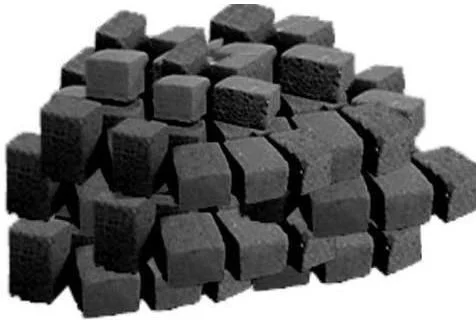
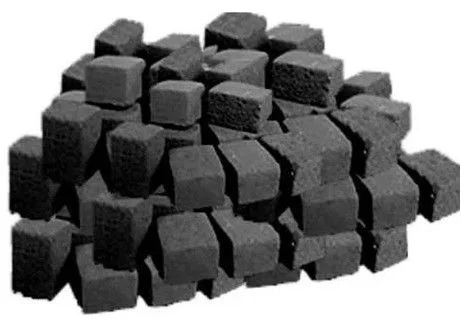
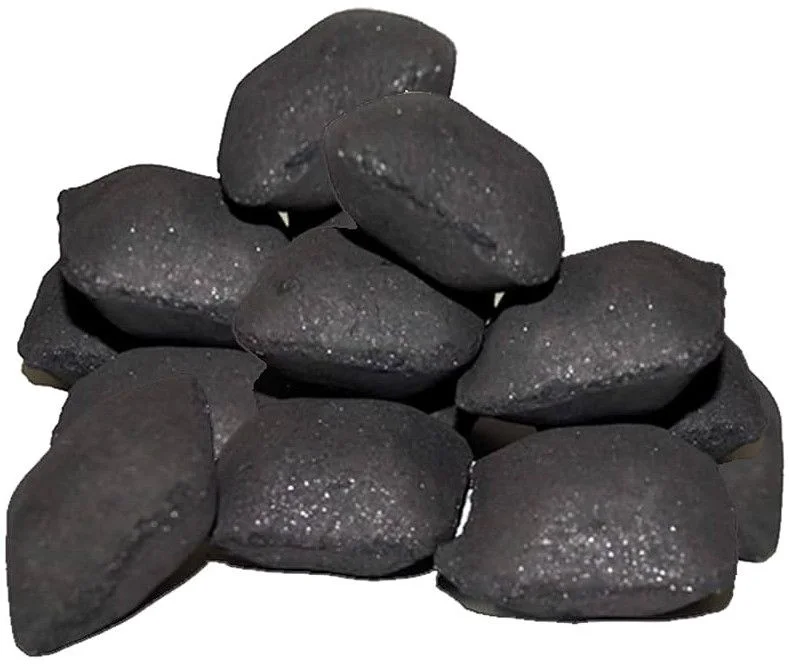
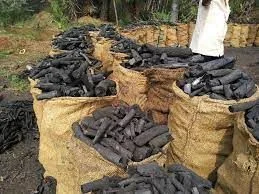
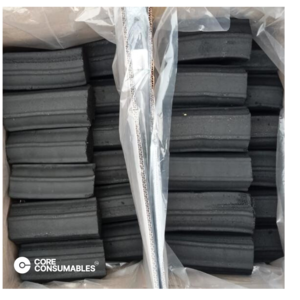
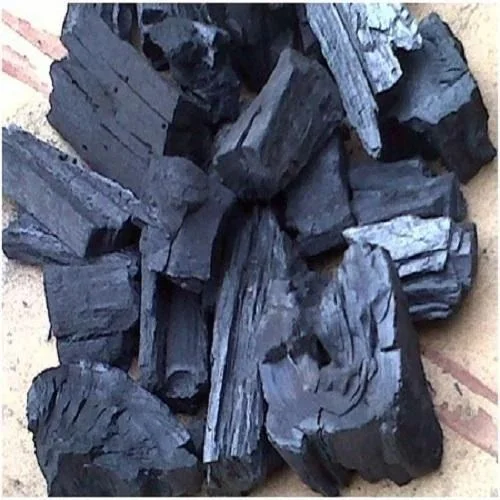
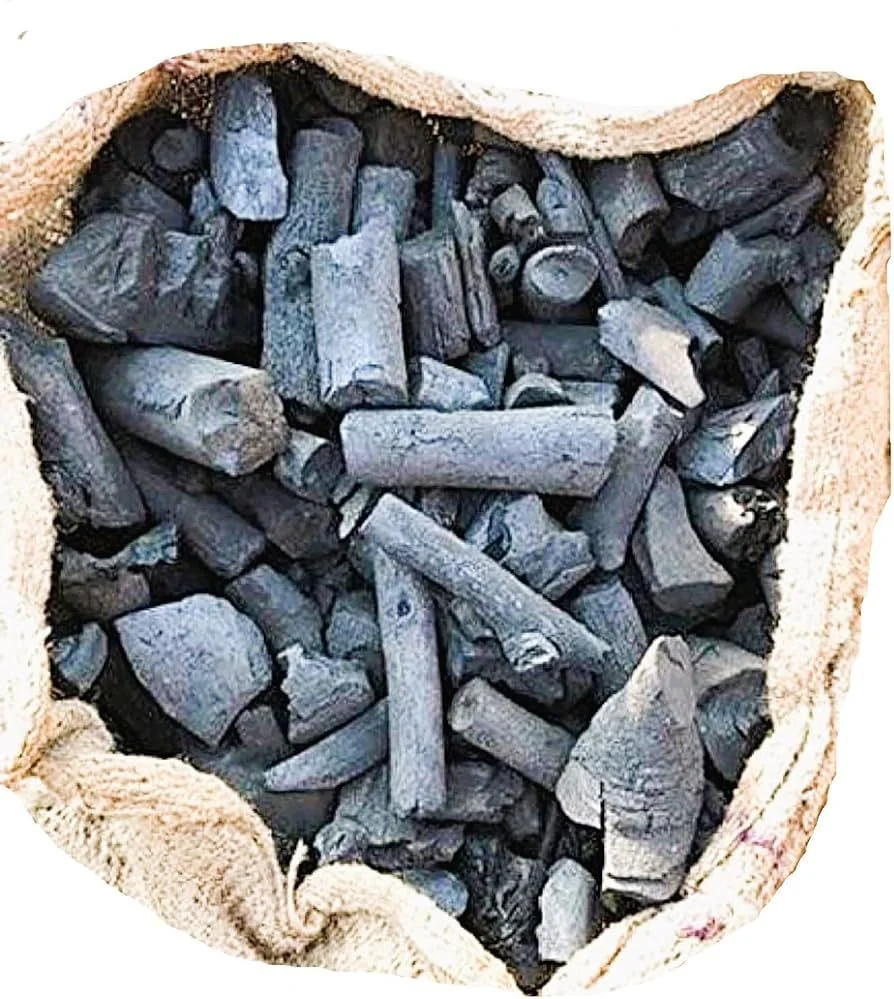
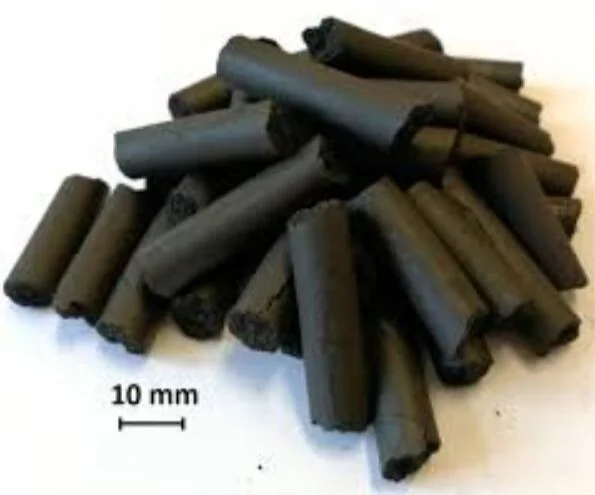
The catalogue’s Coco Fiber is a 100 % natural coir fibre commonly sold in bulk bales or compressed mats. In the global market coir fibre is graded by fibre length (typically 30‑80 mm) and bulk density (120‑180 kg / m³). Coco Peat, also known as coir pith, is usually supplied in 100 L bags with a moisture content of 40‑45 % and a pH of 5.5‑6.5. Charcoal and Briquette Charcoal derived from coconut shells are offered in various sizes; standard charcoal cubes are 30 mm × 30 mm × 30 mm with a calorific value of 7,300‑7,800 kcal / kg, while briquettes are pressed to a density of 650‑750 kg / m³. Coconut Oil is typically refined to a free‑fatty‑acid (FFA) level below 0.5 % and a peroxide value under 10 meq O₂ / kg. These specifications reflect common buyer expectations for the listed product types.

Trade and Export Information - PT. Dewafi Indah Sejahtera

Indonesia is a major exporter of coconut‑derived products, supplying Southeast Asian, European and North American markets. Coir fibre (HS 5305) and coco peat are frequently shipped in 20‑ft or 40‑ft containers, packed in polypropylene bales or bulk bags that meet ISPM 15 phytosanitary standards. Coconut shell charcoal and briquettes are usually exported in 1 ton wooden crates or bulk bags, with moisture content below 8 % to meet international fire‑safety regulations. Coconut oil shipments often use 200 L steel drums or food‑grade IBC containers, complying with HACCP and, where required, ISO 22000 food safety standards. Typical certifications requested by importers include phytosanitary certificates, ISO 9001 quality management, and, for edible oil, a Certificate of Analysis confirming FFA and peroxide values. Incoterms such as FOB Jakarta or CIF Rotterdam are regularly applied for these commodities.

Sourcing from PT. Dewafi Indah Sejahtera - Buyer Guidance

Buyers should request a recent Certificate of Analysis for coconut oil that details free‑fatty‑acid, peroxide value and moisture content. For coir fibre and coco peat, a sample batch with measured bulk density, fibre length distribution and moisture content helps verify grade. Charcoal and briquette buyers normally ask for calorific value test reports, ash content and moisture content, as well as a phytosanitary certificate confirming the product is pest‑free. Verification of ISO 9001 or other quality‑management certification is advisable, and buyers should confirm packaging dimensions (e.g., 100 L bags for coco peat, 1 ton wooden crates for charcoal) before placing orders.

Frequently Asked Questions About PT. Dewafi Indah Sejahtera

What product codes are used for the coir fibre listed by PT. Dewafi Indah Sejahtera?

The coir fibre is listed under HS code 5305.00, which covers natural coconut coir fibre in the HS chapter for vegetable fibres.

Can I obtain a sample of the Coco Peat before committing to a larger order?

Yes, the supplier can provide a small bulk‑bag sample (typically 10 kg) that includes a test report showing moisture content, pH and bulk density.

Which certifications should I request for the Coconut Shell Charcoal?

Importers usually require a phytosanitary certificate, a calorific value test report, and, if available, ISO 9001 or similar quality‑management certification.

What are the typical packaging formats for the Briquette Charcoal?

Briquette charcoal is commonly packed in 1 ton wooden crates or bulk bags, with each briquette pressed to a density of 650‑750 kg / m³ and moisture below 8 %.

How is Coconut Oil from Indonesia typically shipped?

Coconut oil is generally exported in 200 L food‑grade steel drums or IBC containers, sealed to meet HACCP and ISO 22000 requirements, and shipped under FOB or CIF terms.

What minimum order quantities (MOQ) are standard for these products?

MOQs vary by product: coir fibre and coco peat often start at 1 ton, charcoal at 2 tons, briquette charcoal at 1 ton, and coconut oil at 500 L, but exact figures should be confirmed with the supplier.

What lead times can I expect for a first shipment?

Lead times typically range from 2‑4 weeks for coir fibre and coco peat, 3‑5 weeks for charcoal products, and 4‑6 weeks for refined coconut oil, depending on production scheduling and export documentation.

Which HS code families are relevant for the supplier’s product range?

The relevant HS chapters are 53 (natural vegetable fibres such as coir), 44 (charcoal and briquettes from coconut shells) and 15 (coconut oil and related edible oils).


Featured Products from this Supplier

Other Suppliers in Primary Category

Top Trusted Suppliers

Related Products

Trending in Parent Category

More Suppliers in Category

Related Products

Other Suppliers

EximNext
58.7K+ live requirements
Register Free🎁 Reach verified global buyers
Post Requirement
🌍 Trusted by 224.9K+ businesses in 200+ countries|
58.7K+ active requirements right now
✉️ [email protected]
|
Sell on EximNextPost Requirement
EximNext
AgricultureApparelConstructionElectronicFoodHomeIndustrialMineralsMiscellaneous
🔥 Deals|✨ AI Match|🏭 Suppliers|📋 Buy Leads|💰 Trade Finance
58.7K+ live RFQs·194.8K+ suppliers
🎁 Reach global buyers →
EximNext
EximNext
Register Free
🎁 Reach verified global buyers
Sign In
📋Post Requirement💬Get Quotes✨AI Match📋RFQ Marketplace
All Categories
Services & Tools
🏭Supplier Directory🔥Today's Deals💰Trade Finance
Sell on EximNext →
AboutContactBlogHelp
Agriculture & Food  ·  Indonesia
5
products listed

PT. Dewafi Indah Sejahtera

⚓ Harbor
Country flag , Indonesia
🛡️
54/100
Trust Score

PT. Dewafi Indah Sejahtera Product Catalog

Showing 5 of 5 products
View all products →
Coconut Oil And Briquette Charcoal
⚓ Harbor
Coconut Oil And Briquette Charcoal
Contact
MOQ: 1 Unit
Charcoal
⚓ Harbor
Charcoal
Contact
MOQ: 1 Unit
Coco Fiber
⚓ Harbor
Coco Fiber
Contact
MOQ: 1 Unit
Coco Peat
⚓ Harbor
Coco Peat
Contact
MOQ: 1 Unit
Briquette Charcoal
⚓ Harbor
Briquette Charcoal
Contact
MOQ: 1 Unit

About PT. Dewafi Indah Sejahtera - Coconut Products Supplier in Indonesia

Indonesia‑based PT. Dewafi Indah Sejahtera currently lists five active products on the platform. The catalogue includes Coco Fiber (HS 5305.00, 100 % natural coconut coir fiber), Coco Peat, Briquette Charcoal, Charcoal, and a combined Coconut Oil and Briquette Charcoal offering. The supplier’s top categories are identified as Coconut Shell Charcoal, Coir Fiber, Coco Peat & Coir Pith, and Coconut Oil, matching the five catalogue entries. Each product is presented under its generic commodity name without additional proprietary specifications.

The five products cover two broad material families: fibrous coir derivatives (Coco Fiber and Coco Peat) and carbonised coconut products (Charcoal and Briquette Charcoal) together with edible oil (Coconut Oil). The coir items fall under HS chapter 53, while the charcoal products are classified in HS chapter 44 and the oil in HS chapter 15. No explicit certifications are listed for the supplier, so buyers should verify compliance with typical industry standards before purchase.

Product Range and Specialties of PT. Dewafi Indah Sejahtera

The catalogue’s Coco Fiber is a 100 % natural coir fibre commonly sold in bulk bales or compressed mats. In the global market coir fibre is graded by fibre length (typically 30‑80 mm) and bulk density (120‑180 kg / m³). Coco Peat, also known as coir pith, is usually supplied in 100 L bags with a moisture content of 40‑45 % and a pH of 5.5‑6.5. Charcoal and Briquette Charcoal derived from coconut shells are offered in various sizes; standard charcoal cubes are 30 mm × 30 mm × 30 mm with a calorific value of 7,300‑7,800 kcal / kg, while briquettes are pressed to a density of 650‑750 kg / m³. Coconut Oil is typically refined to a free‑fatty‑acid (FFA) level below 0.5 % and a peroxide value under 10 meq O₂ / kg. These specifications reflect common buyer expectations for the listed product types.

Trade and Export Information - PT. Dewafi Indah Sejahtera

Indonesia is a major exporter of coconut‑derived products, supplying Southeast Asian, European and North American markets. Coir fibre (HS 5305) and coco peat are frequently shipped in 20‑ft or 40‑ft containers, packed in polypropylene bales or bulk bags that meet ISPM 15 phytosanitary standards. Coconut shell charcoal and briquettes are usually exported in 1 ton wooden crates or bulk bags, with moisture content below 8 % to meet international fire‑safety regulations. Coconut oil shipments often use 200 L steel drums or food‑grade IBC containers, complying with HACCP and, where required, ISO 22000 food safety standards. Typical certifications requested by importers include phytosanitary certificates, ISO 9001 quality management, and, for edible oil, a Certificate of Analysis confirming FFA and peroxide values. Incoterms such as FOB Jakarta or CIF Rotterdam are regularly applied for these commodities.

Sourcing from PT. Dewafi Indah Sejahtera - Buyer Guidance

Buyers should request a recent Certificate of Analysis for coconut oil that details free‑fatty‑acid, peroxide value and moisture content. For coir fibre and coco peat, a sample batch with measured bulk density, fibre length distribution and moisture content helps verify grade. Charcoal and briquette buyers normally ask for calorific value test reports, ash content and moisture content, as well as a phytosanitary certificate confirming the product is pest‑free. Verification of ISO 9001 or other quality‑management certification is advisable, and buyers should confirm packaging dimensions (e.g., 100 L bags for coco peat, 1 ton wooden crates for charcoal) before placing orders.

Frequently Asked Questions About PT. Dewafi Indah Sejahtera

What product codes are used for the coir fibre listed by PT. Dewafi Indah Sejahtera?

The coir fibre is listed under HS code 5305.00, which covers natural coconut coir fibre in the HS chapter for vegetable fibres.

Can I obtain a sample of the Coco Peat before committing to a larger order?

Yes, the supplier can provide a small bulk‑bag sample (typically 10 kg) that includes a test report showing moisture content, pH and bulk density.

Which certifications should I request for the Coconut Shell Charcoal?

Importers usually require a phytosanitary certificate, a calorific value test report, and, if available, ISO 9001 or similar quality‑management certification.

What are the typical packaging formats for the Briquette Charcoal?

Briquette charcoal is commonly packed in 1 ton wooden crates or bulk bags, with each briquette pressed to a density of 650‑750 kg / m³ and moisture below 8 %.

How is Coconut Oil from Indonesia typically shipped?

Coconut oil is generally exported in 200 L food‑grade steel drums or IBC containers, sealed to meet HACCP and ISO 22000 requirements, and shipped under FOB or CIF terms.

What minimum order quantities (MOQ) are standard for these products?

MOQs vary by product: coir fibre and coco peat often start at 1 ton, charcoal at 2 tons, briquette charcoal at 1 ton, and coconut oil at 500 L, but exact figures should be confirmed with the supplier.

What lead times can I expect for a first shipment?

Lead times typically range from 2‑4 weeks for coir fibre and coco peat, 3‑5 weeks for charcoal products, and 4‑6 weeks for refined coconut oil, depending on production scheduling and export documentation.

Which HS code families are relevant for the supplier’s product range?

The relevant HS chapters are 53 (natural vegetable fibres such as coir), 44 (charcoal and briquettes from coconut shells) and 15 (coconut oil and related edible oils).

About PT. Dewafi Indah Sejahtera - Coconut Products Supplier in Indonesia

Indonesia‑based PT. Dewafi Indah Sejahtera currently lists five active products on the platform. The catalogue includes Coco Fiber (HS 5305.00, 100 % natural coconut coir fiber), Coco Peat, Briquette Charcoal, Charcoal, and a combined Coconut Oil and Briquette Charcoal offering. The supplier’s top categories are identified as Coconut Shell Charcoal, Coir Fiber, Coco Peat & Coir Pith, and Coconut Oil, matching the five catalogue entries. Each product is presented under its generic commodity name without additional proprietary specifications.

The five products cover two broad material families: fibrous coir derivatives (Coco Fiber and Coco Peat) and carbonised coconut products (Charcoal and Briquette Charcoal) together with edible oil (Coconut Oil). The coir items fall under HS chapter 53, while the charcoal products are classified in HS chapter 44 and the oil in HS chapter 15. No explicit certifications are listed for the supplier, so buyers should verify compliance with typical industry standards before purchase.

Product Range and Specialties of PT. Dewafi Indah Sejahtera

The catalogue’s Coco Fiber is a 100 % natural coir fibre commonly sold in bulk bales or compressed mats. In the global market coir fibre is graded by fibre length (typically 30‑80 mm) and bulk density (120‑180 kg / m³). Coco Peat, also known as coir pith, is usually supplied in 100 L bags with a moisture content of 40‑45 % and a pH of 5.5‑6.5. Charcoal and Briquette Charcoal derived from coconut shells are offered in various sizes; standard charcoal cubes are 30 mm × 30 mm × 30 mm with a calorific value of 7,300‑7,800 kcal / kg, while briquettes are pressed to a density of 650‑750 kg / m³. Coconut Oil is typically refined to a free‑fatty‑acid (FFA) level below 0.5 % and a peroxide value under 10 meq O₂ / kg. These specifications reflect common buyer expectations for the listed product types.

Trade and Export Information - PT. Dewafi Indah Sejahtera

Indonesia is a major exporter of coconut‑derived products, supplying Southeast Asian, European and North American markets. Coir fibre (HS 5305) and coco peat are frequently shipped in 20‑ft or 40‑ft containers, packed in polypropylene bales or bulk bags that meet ISPM 15 phytosanitary standards. Coconut shell charcoal and briquettes are usually exported in 1 ton wooden crates or bulk bags, with moisture content below 8 % to meet international fire‑safety regulations. Coconut oil shipments often use 200 L steel drums or food‑grade IBC containers, complying with HACCP and, where required, ISO 22000 food safety standards. Typical certifications requested by importers include phytosanitary certificates, ISO 9001 quality management, and, for edible oil, a Certificate of Analysis confirming FFA and peroxide values. Incoterms such as FOB Jakarta or CIF Rotterdam are regularly applied for these commodities.

Sourcing from PT. Dewafi Indah Sejahtera - Buyer Guidance

Buyers should request a recent Certificate of Analysis for coconut oil that details free‑fatty‑acid, peroxide value and moisture content. For coir fibre and coco peat, a sample batch with measured bulk density, fibre length distribution and moisture content helps verify grade. Charcoal and briquette buyers normally ask for calorific value test reports, ash content and moisture content, as well as a phytosanitary certificate confirming the product is pest‑free. Verification of ISO 9001 or other quality‑management certification is advisable, and buyers should confirm packaging dimensions (e.g., 100 L bags for coco peat, 1 ton wooden crates for charcoal) before placing orders.

Frequently Asked Questions About PT. Dewafi Indah Sejahtera
What product codes are used for the coir fibre listed by PT. Dewafi Indah Sejahtera?
The coir fibre is listed under HS code 5305.00, which covers natural coconut coir fibre in the HS chapter for vegetable fibres.
Can I obtain a sample of the Coco Peat before committing to a larger order?
Yes, the supplier can provide a small bulk‑bag sample (typically 10 kg) that includes a test report showing moisture content, pH and bulk density.
Which certifications should I request for the Coconut Shell Charcoal?
Importers usually require a phytosanitary certificate, a calorific value test report, and, if available, ISO 9001 or similar quality‑management certification.
What are the typical packaging formats for the Briquette Charcoal?
Briquette charcoal is commonly packed in 1 ton wooden crates or bulk bags, with each briquette pressed to a density of 650‑750 kg / m³ and moisture below 8 %.
How is Coconut Oil from Indonesia typically shipped?
Coconut oil is generally exported in 200 L food‑grade steel drums or IBC containers, sealed to meet HACCP and ISO 22000 requirements, and shipped under FOB or CIF terms.
What minimum order quantities (MOQ) are standard for these products?
MOQs vary by product: coir fibre and coco peat often start at 1 ton, charcoal at 2 tons, briquette charcoal at 1 ton, and coconut oil at 500 L, but exact figures should be confirmed with the supplier.
What lead times can I expect for a first shipment?
Lead times typically range from 2‑4 weeks for coir fibre and coco peat, 3‑5 weeks for charcoal products, and 4‑6 weeks for refined coconut oil, depending on production scheduling and export documentation.
Which HS code families are relevant for the supplier’s product range?
The relevant HS chapters are 53 (natural vegetable fibres such as coir), 44 (charcoal and briquettes from coconut shells) and 15 (coconut oil and related edible oils).

PT. Dewafi Indah Sejahtera
Country flag Indonesia
⚓ HarborAgriculture & Food
54/100
Trust Score
5
Products
✓ Free to contact — no commission
✓ Escrow payment available
✓ Verified business identity
Compare more suppliers
Post a requirement — get 10 quotes free
Let verified suppliers compete for your business. Free, fast, no commitment.
EximNext Verified Supplier
Business identity verified
Physical address confirmed
Financial history checked
Certifications authenticated
Trade references validated
Due Diligence
Verify this supplier's real shipping history.
Every shipment, every buyer, every port. Trade data that can't be faked.
Run due diligence →
Discover More

Related Suppliers & Products

Explore similar suppliers, related products and trending categories

Featured Products from this Supplier

Other Suppliers in Primary Category

Top Trusted Suppliers

Related Products

Trending in Parent Category

More Suppliers in Category

Stay ahead in global trade
Weekly market insights & new supplier alerts.
EximNext
Exim Next is a leading global B2B marketplace, connecting over 205,000 verified suppliers and buyers across 200+ countries. As a trusted import export marketplace, it serves as the essential B2B portal for businesses worldwide, empowering them to expand their international reach. With Exim Next, businesses can trade smarter and grow faster.
SECURE PAYMENTS
VISAMastercardPayPalSWIFTL/CEscrow
Follow us
© 2026 EximNext