Agriculture›
 Apparel and fashion accessories›
 Construction & real estate›💡Electronic & Electrical›🍎Food & Beverages›🛋️Home furnishing & supplies›⚗️Industrial goods & chemical›🪨Minerals & metals›📦Miscellaneous›Agriculture›Apparel and fashion accessories›Construction & real estate›💡Electronic & Electrical›🍎Food & Beverages›🛋️Home furnishing & supplies›⚗️Industrial goods & chemical›🪨Minerals & metals›📦Miscellaneous›
PT. Bagai Rajawali Ekspor
⚓ Harbor , IndonesiaNew supplier / no reviews yet
PT. Bagai Rajawali Ekspor Product Catalog


About PT. Bagai Rajawali Ekspor - Coconut Shell Charcoal Supplier in Indonesia
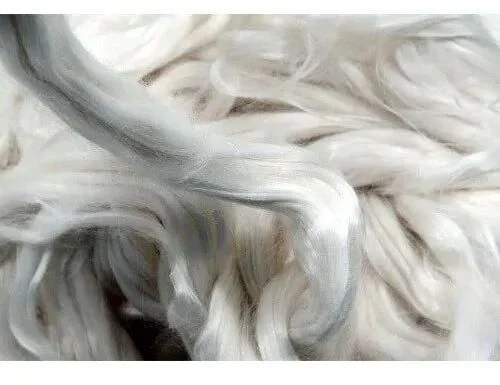
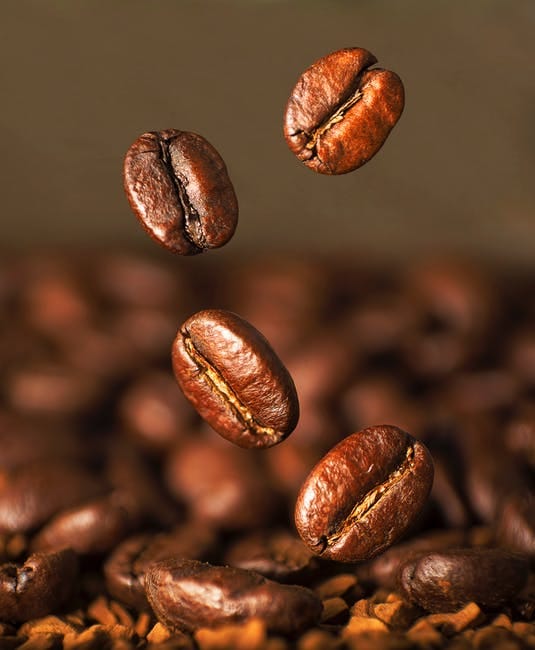
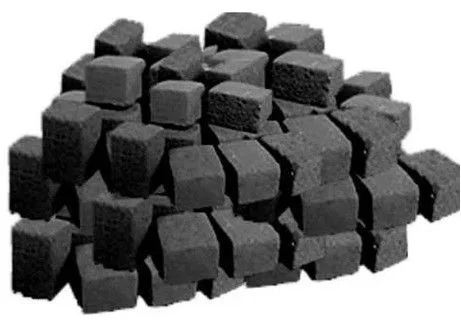
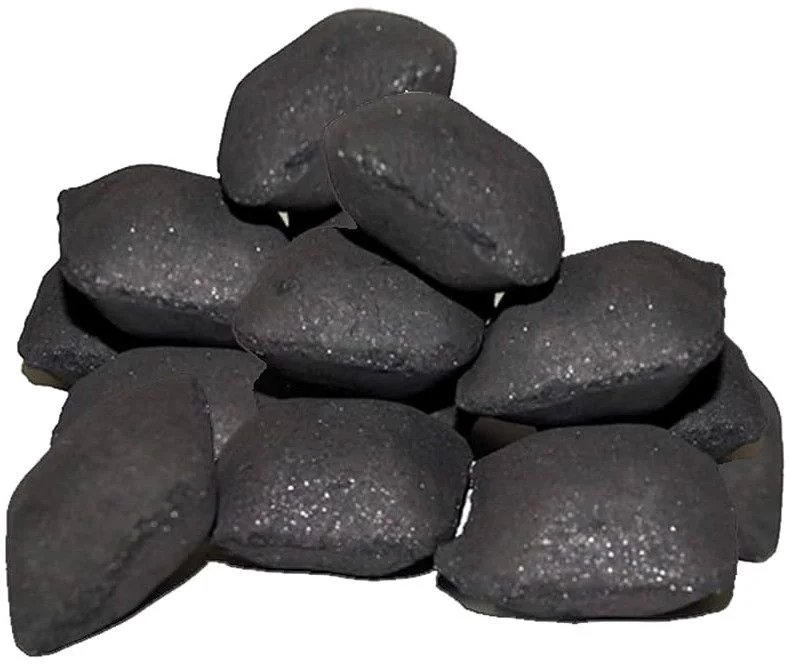
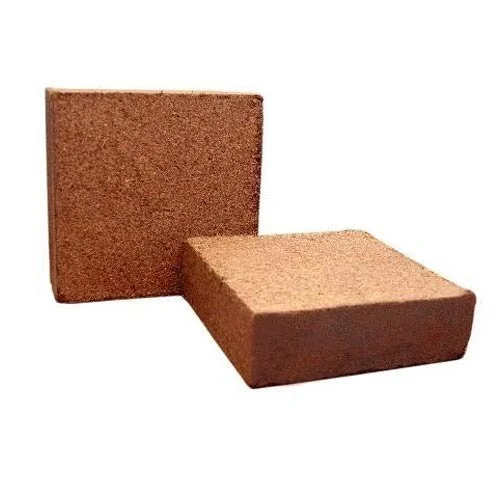
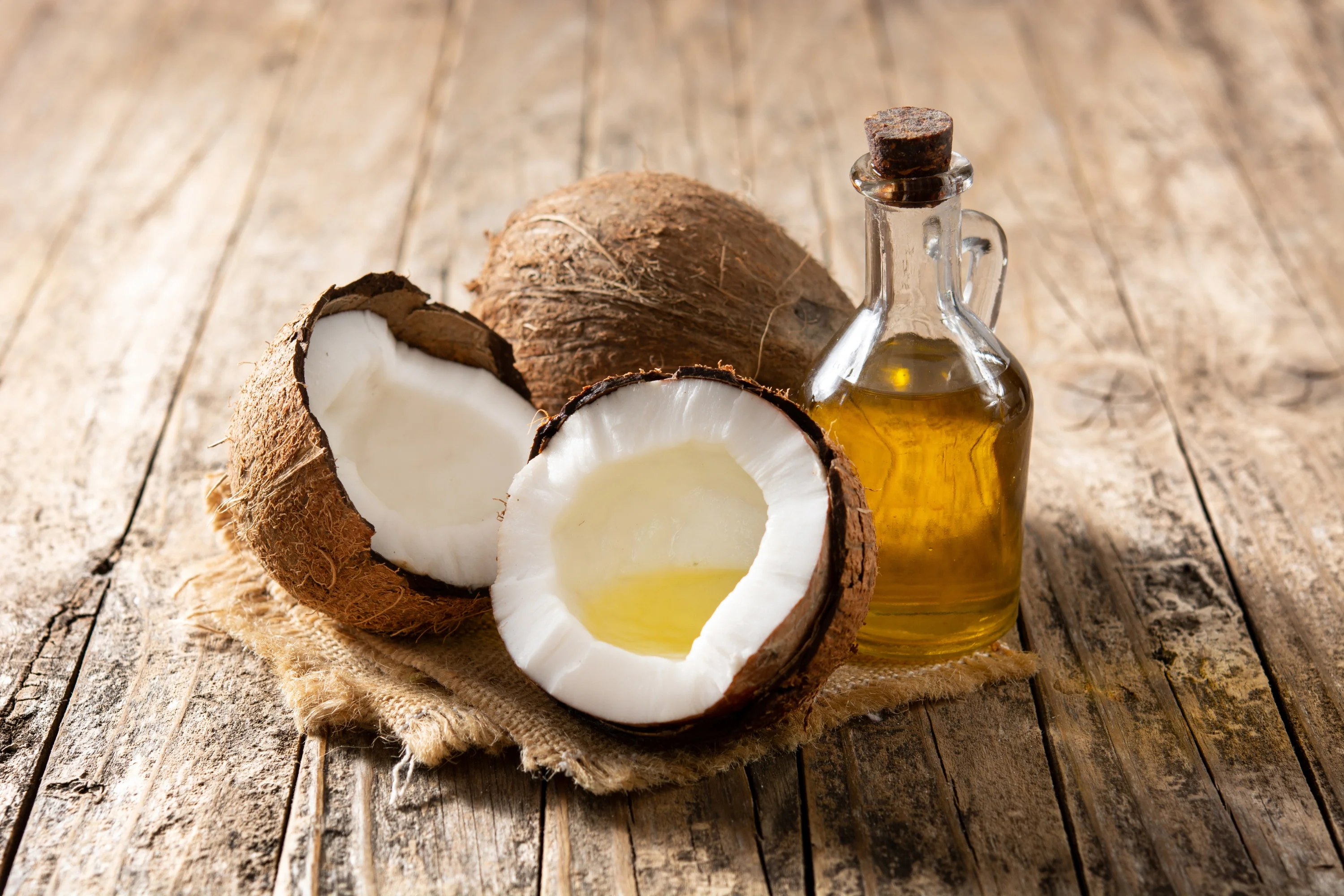
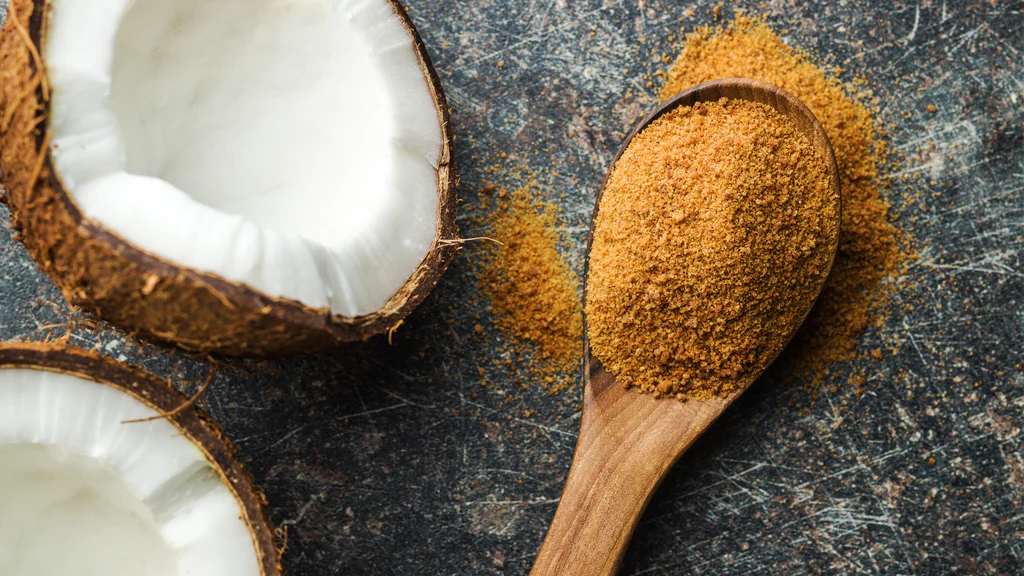
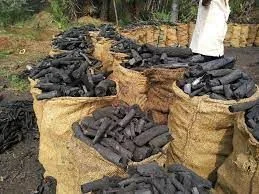
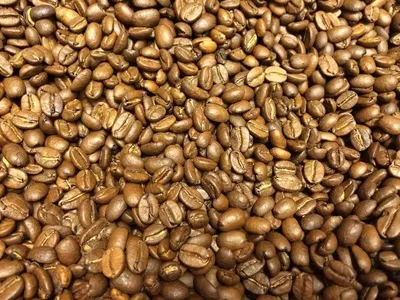
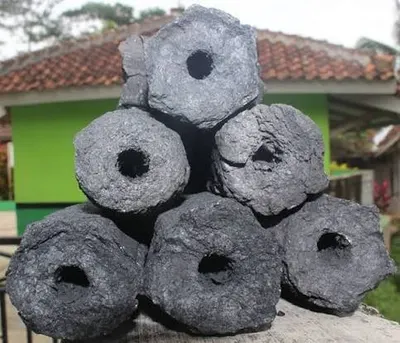
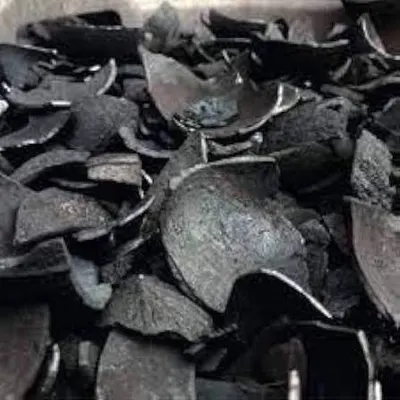
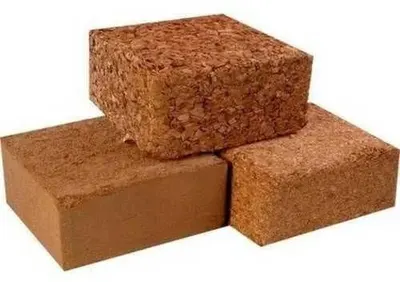
Indonesia hosts PT. Bagai Rajawali Ekspor, a supplier that currently lists eight active products across several coconut and coffee categories. The catalogue includes Coconut Shell Charcoal briquettes for shisha and barbecue, and two coffee lines: Green Bean Robusta Coffee and Green Beans Arabica Coffee (HS 0901.11, screen size 15‑19). Additional items are Coco Fiber (HS 5305.00, coir), Coco Peat, Virgin Coconut Oil, and Organic Coconut Sugar. Each product is identified by its material description, such as unroasted Arabica beans or virgin coconut oil, and the supplier groups them under top categories like Coconut Shell Charcoal, Robusta Coffee and Coir Fiber. The listing provides only the product count and category names without further corporate details.
The eight products cover both agricultural raw materials and processed goods. Coffee entries are presented as green (unroasted) beans, while the coconut‑derived line includes charcoal briquettes, fiber, peat, oil and sugar. The charcoal items are described by their intended use rather than technical specifications. Coconut‑based products are listed without explicit grades, but the material descriptors align with standard export classifications for Indonesian coconut commodities.
Product Range and Specialties of PT. Bagai Rajawali Ekspor
The supplier’s catalogue lists Green Bean Robusta Coffee, Green Beans Arabica Coffee (screen size 15‑19, 100 % pure Arabica), two types of Coconut Charcoal Briquette (shisha and barbecue), Coco Fiber, Coco Peat, Virgin Coconut Oil (VCO) and Organic Coconut Sugar. In the coffee segment, buyers typically look for moisture content below 12 %, cup scores above 80, and may request certifications such as ISO 22000 or Fairtrade. Charcoal briquettes are usually evaluated on fixed carbon (≈ 70 %), ash content (< 5 %) and bulk density (≈ 0.5 t/m³). Coir fiber grades range from 0.5 mm to 2 mm in length with bulk density around 120 kg/m³, while coco peat is sold with pH 5.5‑6.5, EC < 0.5 dS/m and moisture 30‑45 %. Virgin coconut oil for export is commonly required to have free fatty acid (FFA) ≤ 0.8 % and peroxide value ≤ 5 meq O₂/kg. Organic coconut sugar generally meets moisture ≤ 5 % and sucrose content ≥ 95 %.
Industry data shows Indonesia ranks among the top global exporters of both coffee and coconut products. Robusta beans are usually classified under HS 0901.11 with typical net weight 60 kg jute bags, while Arabica beans follow the same heading but may carry a sub‑heading for specialty grades. Coconut charcoal is exported under HS 1202, often in 25 kg polyethylene bags. Coir fiber falls under HS 5305 and is shipped in bulk bags of 1 ton. Coco peat is classified under HS 1211 and commonly packed in 1 m³ sacks. VCO is listed under HS 1515 and exported in PET bottles ranging from 250 ml to 5 L. Coconut sugar uses HS 1701 and is shipped in 25 kg paper bags.
Frequently Asked Questions About PT. Bagai Rajawali Ekspor
What coffee varieties does PT. Bagai Rajawali Ekspor offer?
The supplier lists Green Bean Robusta Coffee and Green Beans Arabica Coffee screened 15‑19, both unroasted and classified under HS 0901.11.
Which HS codes are associated with the listed products?
Arabica coffee uses HS 0901.11, while Coco Fiber is under HS 5305.00. Other items follow standard headings: coffee beans 0901, charcoal 1202, coco peat 1211, virgin coconut oil 1515, coconut sugar 1701.
What are the typical packaging formats for the coffee beans?
Exporters of Indonesian green coffee beans usually pack them in 60 kg jute bags, which fit comfortably in a 20 ft container.
What quality parameters should a buyer check for the charcoal briquettes?
Buyers normally verify fixed carbon content (≈ 70 %), ash content (< 5 %), moisture (< 10 %) and bulk density (≈ 0.5 t/m³) through a lab report.
Are any certifications required for the coconut oil?
Virgin coconut oil is often required to meet ISO 22000 or HACCP and to provide a lab analysis showing free fatty acid ≤ 0.8 % and peroxide value ≤ 5 meq O₂/kg.
IndonesiaRelated Suppliers & Products
Explore similar suppliers, related products and trending categories