Pt Aksa Cipta Prakarsa — Verified Supplier
About Pt Aksa Cipta Prakarsa - Pepper Supplier in Indonesia
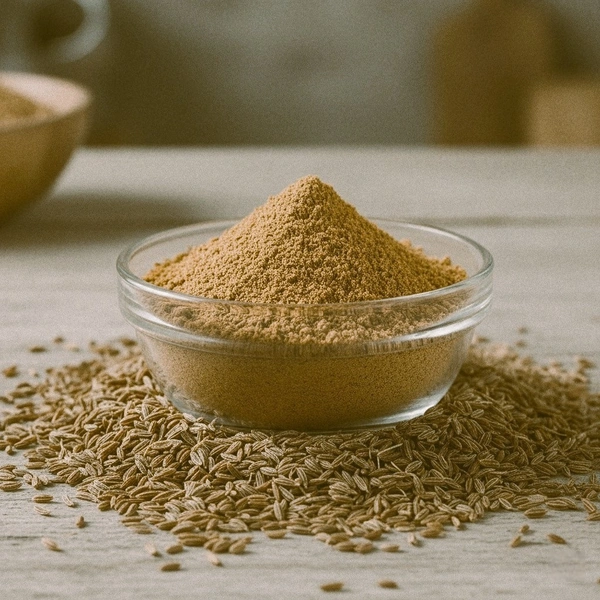
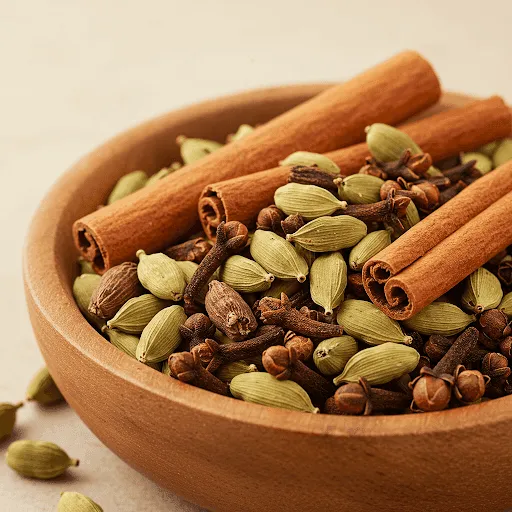
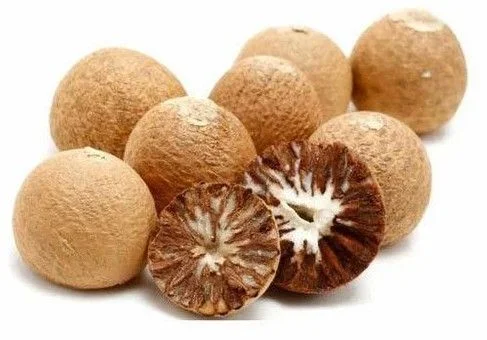
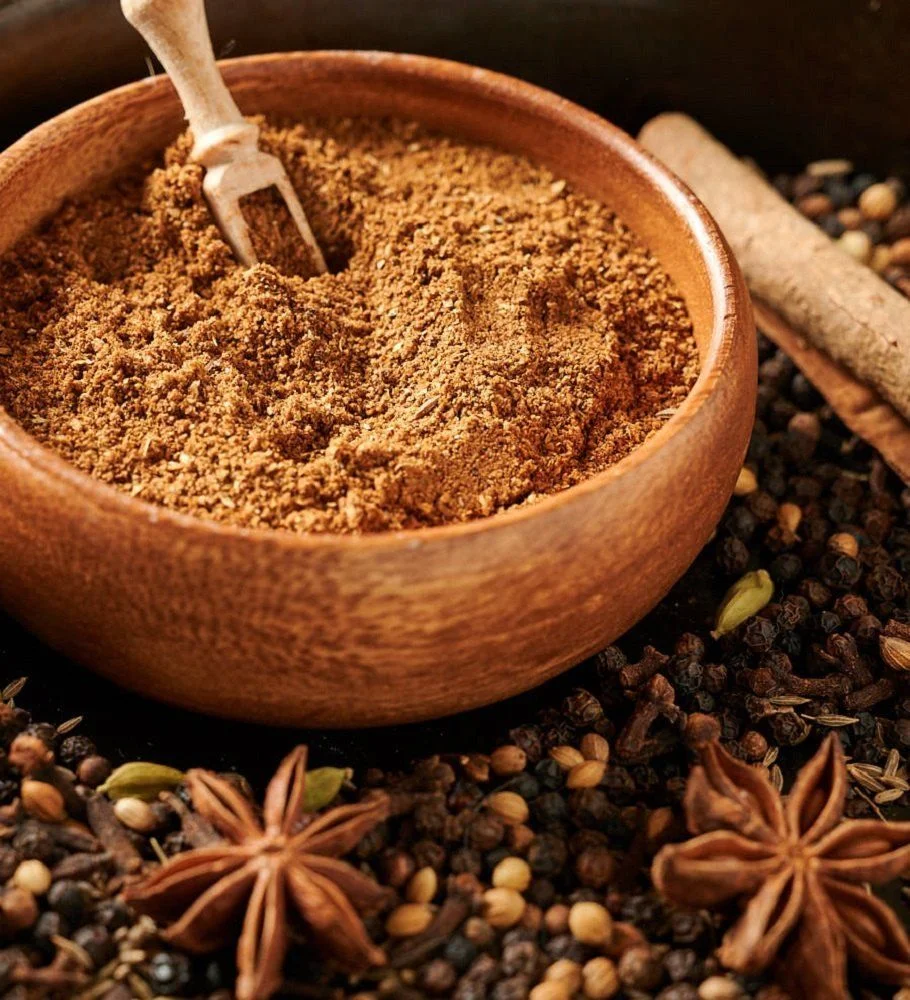
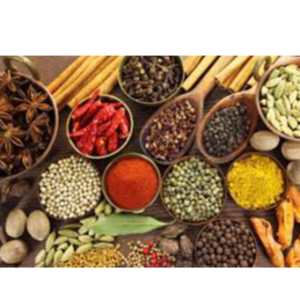
Indonesia is the origin country for Pt Aksa Cipta Prakarsa, which currently lists eight active spice products. The catalogue includes Black Pepper Lampung and White Pepper Ambon, both classified under the pepper family, as well as Cinnamon Casia, Nutmeg, Long Pepper, Betel Nut, Clove (including clove stem), and Cumin. The Betel Nut entry specifies HS code 0802.80 and identifies the material as dried Areca catechu. The remaining items are listed without HS codes in the supplied data.
These items span the primary spice categories of pepper, nutmeg, betel nut, clove and cumin. The supplier’s product list reflects common Indonesian spice varieties sourced from regions such as Lampung, Ambon and other local farms. No additional product specifications, such as moisture content or grade, are provided in the source data.
Product Range and Specialties of Pt Aksa Cipta Prakarsa
The pepper range includes whole black pepper from Lampung and white pepper from Ambon, which in international trade are typically graded by size (e.g., 6‑10 mm for whole pepper) and moisture content below 13 %. Cinnamon Casia is usually sold as cassia bark with a moisture limit of 12 % and oil content around 1‑2 %. Nutmeg and long pepper are offered as whole seeds, commonly inspected for size (10‑15 mm) and essential oil content. Betel nut, identified with HS 0802.80, is traded as dried areca nuts with a standard moisture of 5‑7 %. Clove and clove stem are graded by flower size and oil yield, while cumin seeds are evaluated for size (4‑6 mm) and moisture below 12 %. Industry standards such as ISO 22000, HACCP and commodity‑specific ISO 9001 are frequently applied to these spice categories.
Trade and Export Information - Pt Aksa Cipta Prakarsa
Indonesia ranks among the world’s top exporters of pepper, cinnamon, nutmeg, clove, cumin and betel nut, supplying primarily the European Union, United States, Middle East and Asian markets. HS chapters relevant to the catalogue are 0904 (pepper), 0905 (nutmeg, mace), 0906 (cinnamon), 0907 (clove), 0908 (cumin) and 0802.80 for betel nut. Importers commonly require a phytosanitary certificate, a commodity analysis report, and where applicable, organic or fair‑trade certifications. Standard export packaging includes 25 kg jute or polypropylene bags, with a 20‑ft container able to hold 20‑22 metric tons of pepper or equivalent volumes for other spices. Typical Incoterms are FOB Indonesian ports such as Jakarta or Surabaya, with CIF options to major ports in Europe and North America.
Sourcing from Pt Aksa Cipta Prakarsa - Buyer Guidance
When sourcing spices from Pt Aksa Cipta Prakarsa, buyers should request a sample batch and a laboratory analysis covering moisture, oil content, microbial limits and pesticide residues, aligned with Codex Alimentarius standards. Verification of a phytosanitary certificate and, if required, an origin certificate for compliance with EU or US import regulations is advisable. Buyers should also confirm packaging details, such as 25 kg bag material and container loading plans, and clarify the minimum order quantity, which for most Indonesian spice exporters ranges from 1 metric ton to 5 metric tons per shipment.
Frequently Asked Questions About Pt Aksa Cipta Prakarsa
What spice products are listed by Pt Aksa Cipta Prakarsa?
The supplier lists eight spice items: Black Pepper Lampung, White Pepper Ambon, Cinnamon Casia, Nutmeg, Long Pepper, Betel Nut (HS 0802.80, dried Areca catechu), Clove/Clove Stem, and Cumin.
Which HS codes are applicable to the listed products?
While the catalogue provides HS 0802.80 for Betel Nut, the other spices fall under standard HS headings: pepper (0904), cinnamon (0906), nutmeg (0905), long pepper (0904), clove (0907) and cumin (0908).
What quality specifications are typical for the pepper products?
International buyers usually expect whole black or white pepper with a size of 6‑10 mm, moisture below 13 %, and a broken pepper content under 5 %. Additional tests often include oil content and foreign matter limits.
What documentation should a buyer request before import?
A phytosanitary certificate, a commodity analysis report (moisture, oil, pesticide residues) and any applicable ISO 9001 or HACCP compliance documents are standard requirements. Importers may also ask for origin certificates for specific market regimes.
How are the spices typically packaged for export?
Exporters commonly use 25 kg jute or polypropylene bags, stacked in 20‑ft containers that can accommodate roughly 20 metric tons of pepper or an equivalent weight of other spices. Palletized loading and moisture‑proof liners are often employed.
What are typical lead times for orders from this supplier?
Lead times generally range from 30 to 45 days after order confirmation, depending on harvest season and required documentation. Seasonal fluctuations may extend the timeline for certain crops such as pepper.
Which markets commonly import Indonesian spices like those offered by Pt Aksa Cipta Prakarsa?
Major import destinations include the European Union, United States, Middle East and Asian countries such as Japan and South Korea. These regions have established demand for Indonesian pepper, cinnamon, nutmeg, clove, cumin and betel nut.




 , Indonesia