Premier Cables — Supplier
About Premier Cables - Telecommunication Cables Supplier in Pakistan
Premier Cables is based in Pakistan and currently lists five distinct telecommunication cable products. The catalogue includes double armored cable, jelly‑filled copper cable (armoured), and three optical‑fiber cable variants - duct type, direct‑buried, and flat‑drop. All five items fall under the telecommunication cable segment, which is classified in HS chapter 85 (e.g., HS 8544 for copper conductors and HS 8545 for fiber optic cables). The supplier is recorded as an imported tier with a harbor trust tier, indicating it operates through port‑based logistics. The product count of five reflects a focused portfolio rather than a broad line.
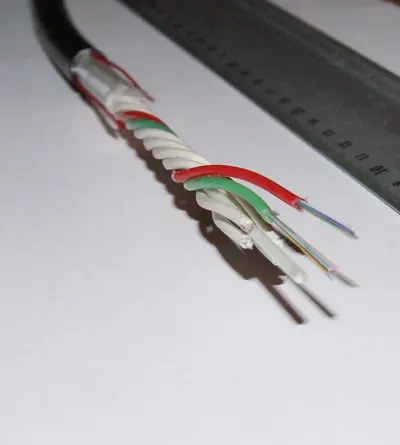
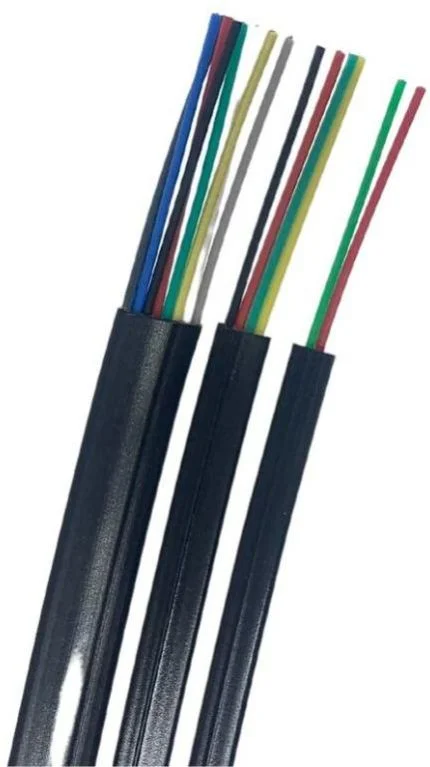
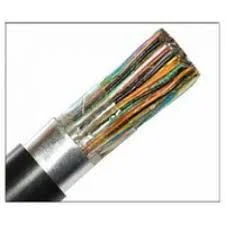
The double‑armored cable is typically a steel‑wire protected copper conductor used for underground or aerial networks, conforming to IEC 60228 for conductor quality and IEC 60502 for construction standards. Jelly‑filled copper cable incorporates a petroleum‑based jelly for moisture resistance and is commonly tested against IEC 60332 fire‑performance criteria. Optical‑fiber offerings include a duct‑type cable designed for installation in protective ducts, a direct‑buried cable with a robust outer sheath for trenching, and a flat‑drop cable used for aerial droppers. These fiber products are usually manufactured in single‑mode or multimode variants with attenuation below 0.35 dB/km at 1310 nm wavelength. While the catalogue does not list specific certifications, buyers typically request IEC and ISO compliance documents for such products.
Product Range and Specialties of Premier Cables
Premier Cables’ catalogue covers two copper‑based armored cables and three fiber‑optic cable types. The double‑armored cable generally meets IEC 60228 class 1 copper conductivity and IEC 60502‑1 voltage rating up to 1 kV, with a typical outer diameter of 12 mm and steel armor thickness of 1.2 mm. The jelly‑filled copper cable is usually rated for underground use, featuring a PVC sheath, a jelly filler with dielectric strength above 30 kV, and fire‑resistance classification of IEC 60332‑1. Optical‑fiber products follow IEC 60794 standards; duct‑type cables often have a 10‑12 mm outer diameter, a steel or aramid strength member, and a water‑blocking gel, while direct‑buried cables use a UV‑resistant polyethylene jacket and a minimum tensile strength of 30 MPa. Flat‑drop cables are supplied on a flat‑lay reel, typically 8 mm thick, suitable for aerial deployment with a minimum bend radius of 20 times the cable diameter. Buyers in the telecom sector usually verify these parameters against project specifications before procurement.
Trade and Export Information - Premier Cables
Pakistan’s telecommunication‑cable industry exports primarily to the Middle East, East Africa, South‑Asia and parts of Europe, where rapid network expansion drives demand for both copper and fiber solutions. Copper‑based armored cables fall under HS 8544, while fiber‑optic cables are classified under HS 8545; both codes are subject to standard customs inspections for compliance with IEC safety and performance standards. Importers frequently request IEC 60228, IEC 60794, and ISO 9001 certificates, as well as CE marking for shipments entering the European Union. Typical shipping involves 20‑ft containers holding up to 1,500 m of 12 mm‑diameter armored cable or multiple 1,000 m spools of fiber cable, packed on wooden pallets with moisture‑barrier liners. Pakistani exporters often use FOB Karachi or Port Qasim terms, with freight forwarding agents handling pre‑shipment inspections and phytosanitary certifications where required.
Sourcing from Premier Cables - Buyer Guidance
When sourcing from Premier Cables, buyers should request product data sheets that list conductor grade, armor thickness, jelly composition, and fiber type (single‑mode or multimode) together with attenuation, tensile strength and fire‑rating test results. Verify that the supplier can provide IEC conformity certificates (e.g., IEC 60228 for copper conductors, IEC 60794 for fiber) and, if the destination market requires, ISO 9001 or CE documentation. Confirm packaging details such as spool length (commonly 1,000 m for fiber), container load plan, and moisture‑proofing measures before finalizing the order. Typical minimum order quantities are 500 m per spool for copper cables and 1,000 m per spool for fiber, with lead times ranging from 30 to 45 days depending on product configuration.
Frequently Asked Questions About Premier Cables
What types of telecommunication cables does Premier Cables list?
The catalogue includes double‑armored copper cable, jelly‑filled copper cable (armoured), and three optical‑fiber variants: duct‑type, direct‑buried, and flat‑drop.
Which HS codes apply to the listed products?
Copper‑based armored cables fall under HS 8544, while the fiber‑optic cable types are classified under HS 8545.
What standards should buyers check for the copper cables?
Buyers should look for IEC 60228 conductor class, IEC 60502 voltage rating, and IEC 60332 fire‑performance certification for the jelly‑filled variant.
What specifications are typical for the optical‑fiber cables?
Fiber cables usually comply with IEC 60794, have outer diameters of 10‑12 mm, attenuation below 0.35 dB/km at 1310 nm, and tensile strength of at least 30 MPa for direct‑buried versions.
What certifications are commonly required for these products?
Importers often request IEC conformity certificates, ISO 9001 quality‑management certification, and CE marking for EU shipments; the supplier’s own certifications are not listed in the provided facts.
What are the typical packaging and shipping formats?
Products are shipped on wooden pallets in 20‑ft containers, with copper cables coiled on drums and fiber cables on 1,000 m spools, protected by moisture‑barrier liners.
What minimum order quantities and lead times should buyers expect?
Typical MOQs are 500 m per copper cable drum and 1,000 m per fiber spool, with lead times of 30‑45 days after order confirmation.
How can buyers verify product compliance before purchase?
Request the latest test reports covering fire rating, attenuation, tensile strength, and IEC certification copies; cross‑check these documents against project specifications and any required regulatory standards.




 , Pakistan