Agriculture›
 Apparel and fashion accessories›
 Construction & real estate›💡Electronic & Electrical›🍎Food & Beverages›🛋️Home furnishing & supplies›⚗️Industrial goods & chemical›🪨Minerals & metals›📦Miscellaneous›Agriculture›Apparel and fashion accessories›Construction & real estate›💡Electronic & Electrical›🍎Food & Beverages›🛋️Home furnishing & supplies›⚗️Industrial goods & chemical›🪨Minerals & metals›📦Miscellaneous›

Foremost Electronic Co., Ltd.
🚢 Voyage , TaiwanEst. 1973-01-01New supplier / no reviews yet
Foremost Electronic Co., Ltd. Product Catalog
About Foremost Electronic Co., Ltd. - Earphones/Headphone Supplier in Taiwan
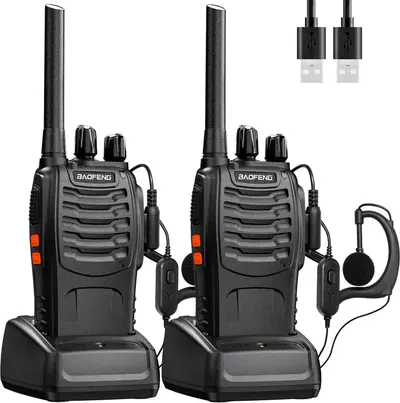
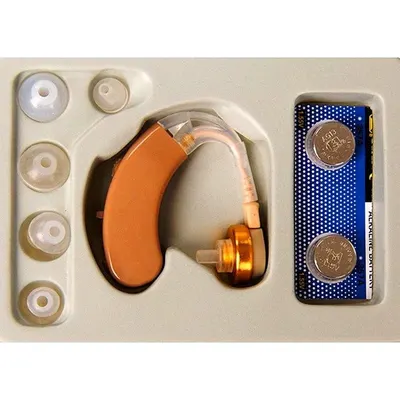
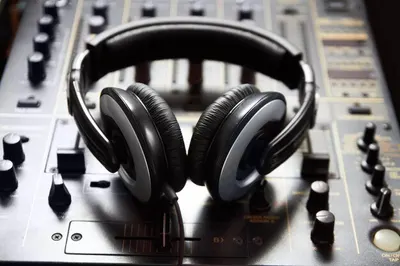
Foremost Electronic Co., Ltd. is based in Taiwan and currently lists nine active products in its catalogue. The product portfolio falls under HS‑code 8518.30 for most headphone and earphone items, with a single pillow speaker classified under HS‑code 8518.21. The listed categories include over‑ear, on‑ear, in‑ear, and specialized audio devices such as audiometer headphones and two‑way radio headsets. All items are described with material compositions such as ABS plastic housings, copper wiring, silicone tips, and ceramic piezoelectric elements. The catalogue also mentions electronic audio goods and accessories beyond standard headphones.
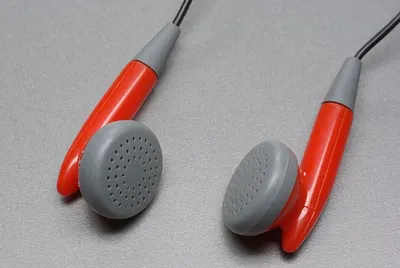
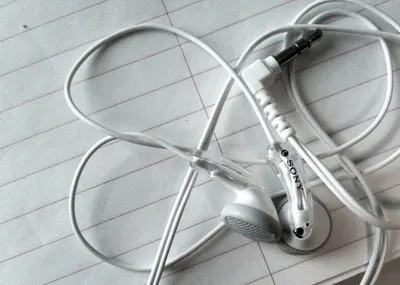
The over‑ear model 2HP1650 combines an ABS‑plastic frame with steel reinforcement, faux leather cushions and copper wiring for driver connections. The on‑ear THP250 adds a polyurethane foam ear cushion to an ABS housing, while the ear‑hook H316 uses silicone tips for a secure fit. In‑ear earbuds 2MH278 and 2EM591 feature ABS shells, silicone tips and, for the microphone version, a TPU‑cable for durability. The high‑impedance ceramic earphone CH905 uses a ceramic piezoelectric element with a copper coil to target audiophile applications. Pillow speakers PS609 integrate electronic components within a polyester‑fabric covering for low‑profile room‑filling sound.
Product Range and Specialties of Foremost Electronic Co., Ltd.
The catalogue covers a spectrum of personal audio equipment: over‑ear, on‑ear, in‑ear, and ear‑hook designs, as well as a pillow‑speaker and a two‑way radio headset. Typical industry specifications for these classes include driver impedance ranging from 16 Ω to 300 Ω, frequency response between 20 Hz and 20 kHz, and sensitivity around 95‑105 dB SPL/1 mW. Ceramic piezoelectric earphones such as the CH905 are often graded by resonant frequency and mechanical Q‑factor, while standard earphones use dynamic drivers meeting IEC 60268‑7 standards. Materials commonly used across the sector include ABS or polycarbonate shells, copper or silver conductors, silicone or memory‑foam earpads, and TPU or PVC cables for durability. Buyers typically request compliance with CE marking, RoHS limits on lead and cadmium, and test reports for SPL, THD and impedance.
Frequently Asked Questions About Foremost Electronic Co., Ltd.
What HS codes are used for Foremost Electronic Co., Ltd.'s headphone products?
Most headphone and earphone models are classified under HS‑code 8518.30, which covers headphones, earphones and personal stereo headsets. The pillow speaker PS609 is listed under HS‑code 8518.21 for loudspeakers.
Which material specifications should I verify for the in‑ear earbuds?
Check that the housing is made of ABS plastic, the ear tips are silicone, and the cable uses a TPU jacket. Also confirm the copper wire gauge for the driver connections and any gold plating on the contacts.
What certifications are typically required for these audio products?
Buyers usually request CE marking for the EU, FCC certification for the US, and RoHS compliance to limit hazardous substances. An IEC 60268‑7 test report is also standard for performance verification.
How are the products packaged for export?
Items are generally placed in anti‑static poly‑bags, then boxed in double‑wall corrugated cartons. Pillow speakers receive additional padding to protect the fabric covering during transport.
What are the typical minimum order quantities (MOQ) for the over‑ear and in‑ear models?
Suppliers often set MOQs of 500 units for over‑ear models and 1,000 units for in‑ear earbuds, but exact numbers should be confirmed with the seller.
TaiwanRelated Suppliers & Products
Explore similar suppliers, related products and trending categories




.jpg.png)