Agriculture›
 Apparel and fashion accessories›
 Construction & real estate›💡Electronic & Electrical›🍎Food & Beverages›🛋️Home furnishing & supplies›⚗️Industrial goods & chemical›🪨Minerals & metals›📦Miscellaneous›Agriculture›Apparel and fashion accessories›Construction & real estate›💡Electronic & Electrical›🍎Food & Beverages›🛋️Home furnishing & supplies›⚗️Industrial goods & chemical›🪨Minerals & metals›📦Miscellaneous›
PM Brokers Global Product Catalog

About PM Brokers Global - Coffee Supplier in Spain
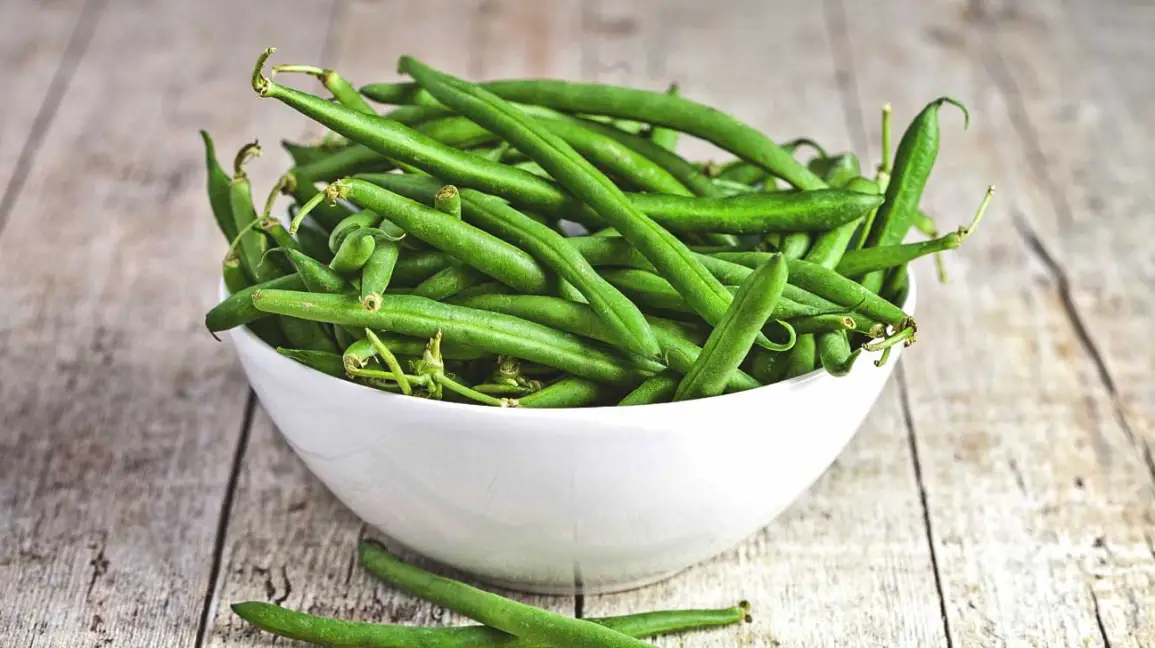
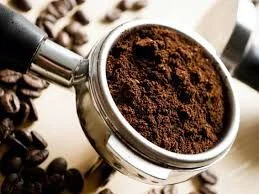
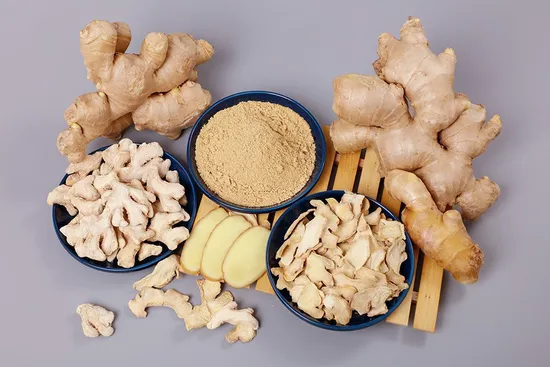
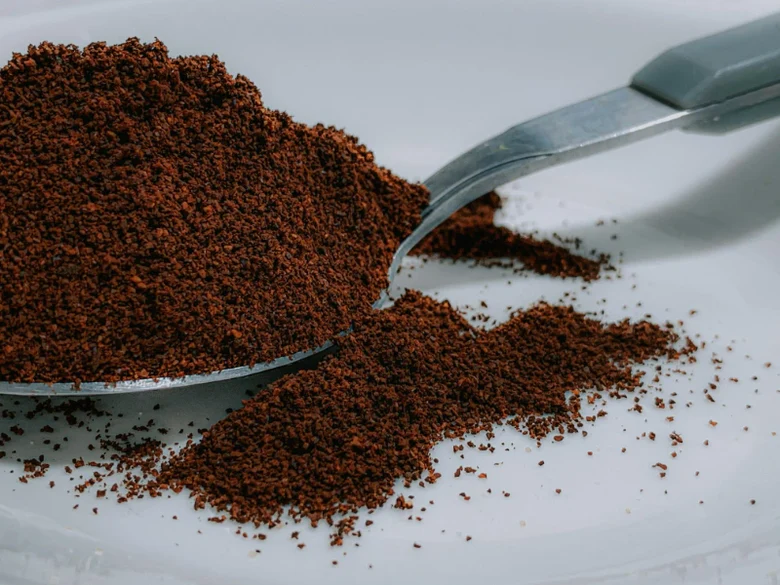
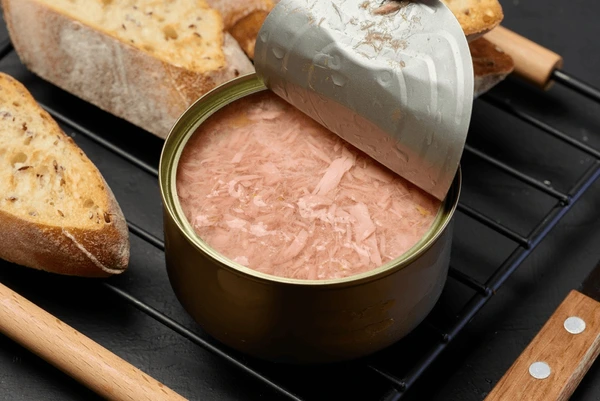
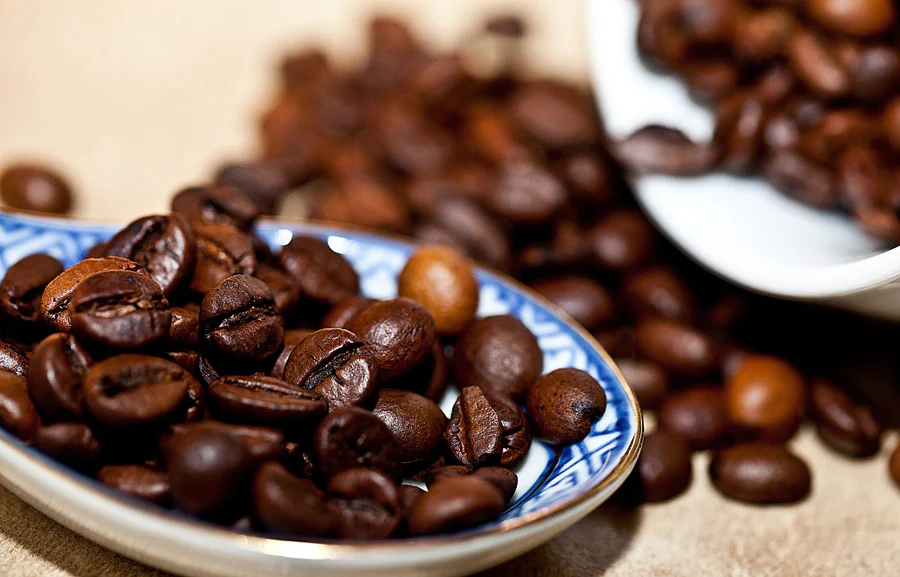
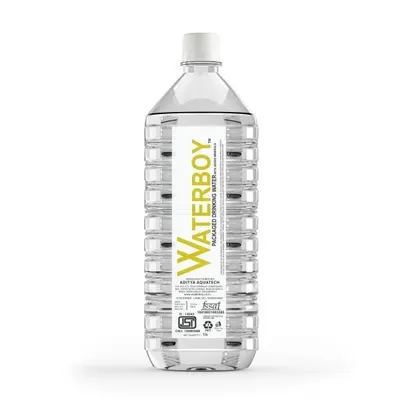
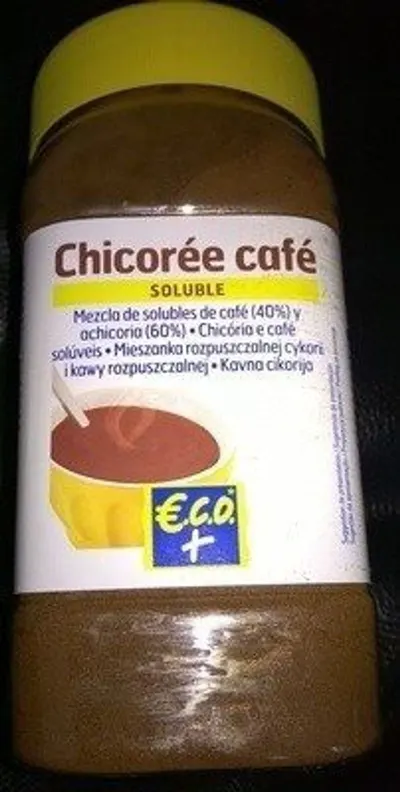
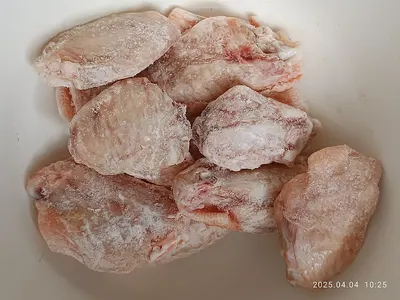
Based in Spain, PM Brokers Global lists six distinct product lines in its current catalogue. The active product count of six includes Coffees, Mineral Water, Black Beans, Ginger, Coffee Powder and Chicken Parts. The supplier’s catalogue identifies Black Beans with HS code 0713.33, classified under the HS chapter for edible vegetables, and specifies the material as dried black beans (Phaseolus vulgaris). The remaining items are listed without explicit HS codes, but fall within standard HS families for beverages, spices, and meat products.
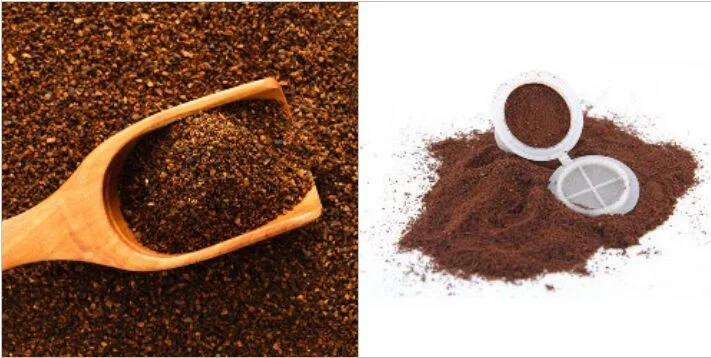
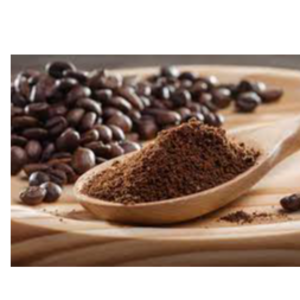
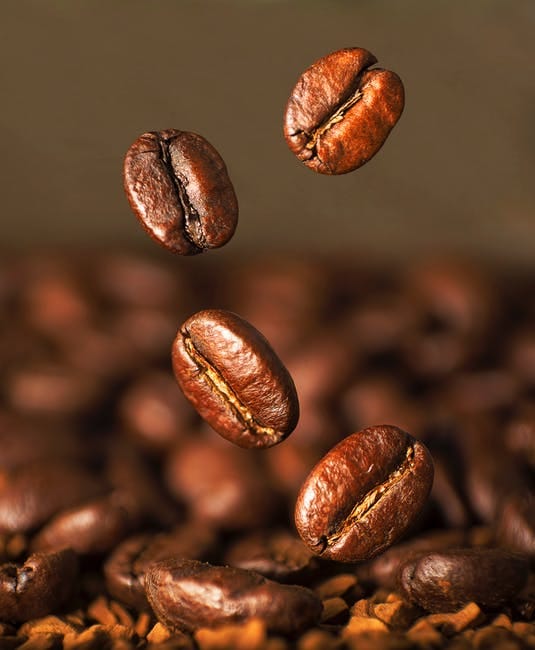
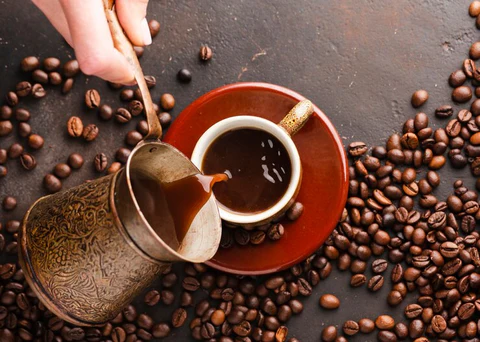
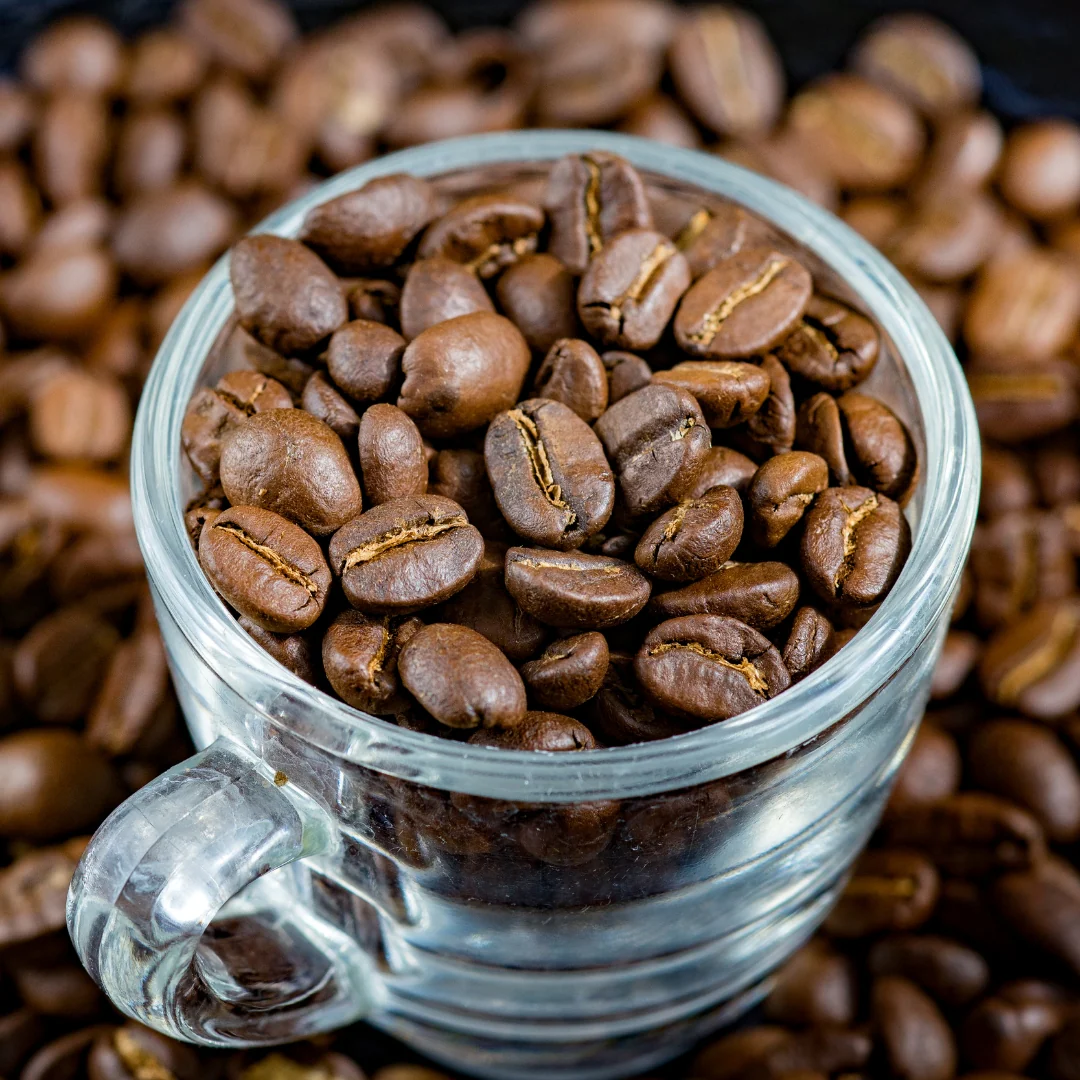
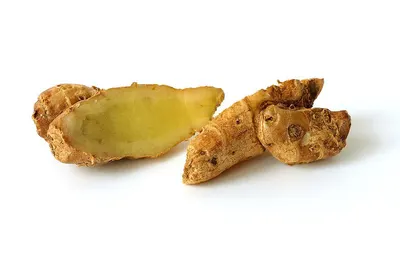
The six catalogue entries reflect a focus on food and beverage commodities commonly traded from the European Union. Coffees and Coffee Powder are presented as separate categories, indicating both whole‑bean and processed instant formats. Mineral Water is listed as a bottled non‑carbonated product, while Ginger refers to fresh root intended for fresh or processed use. Chicken Parts are described as frozen meat cuts, and the Black Beans entry provides a precise HS code, supporting customs classification. Together these items constitute the full product offering currently active for PM Brokers Global.
Product Range and Specialties of PM Brokers Global
PM Brokers Global’s catalogue enumerates six commodities: Coffees, Mineral Water, Black Beans (HS 0713.33, dried Phaseolus vulgaris), Ginger, Coffee Powder and Chicken Parts. In the coffee segment, European trade typically involves green Arabica beans with moisture 10‑12 % and cupping scores of 80‑85, as well as roasted blends meeting ISO 22000. Mineral water is usually bottled in PET containers ranging from 0.5 L to 20 L, with total dissolved solids below 500 mg/L and compliance to EU Directive 2009/54/EC. Black beans are shipped in bulk bags of 20 kg, with size grades of 6‑8 mm and moisture under 12 % to meet HS 0713.33 standards. Fresh ginger is harvested at 12‑15 % moisture, root length 80‑120 mm, and often packed in 25 kg cartons for refrigerated transport. Coffee powder, classified as instant coffee, commonly exhibits solubility ≥ 99 % and moisture ≤ 5 % in 500 g to 1 kg tins. Frozen chicken parts are typically chilled to - 18 °C, supplied in 10 kg vacuum‑packed trays, and meet BRC Grade A requirements.
Industry practice for these categories includes additional grade distinctions: specialty coffee may be graded as “Specialty” (IC Cup score ≥ 80), while standard blends fall under “Commercial”. Mineral water may carry EU organic labeling if sourced from protected springs. Ginger is often subject to pesticide residue limits of 0.01 mg/kg for lead and cadmium. Chicken parts are screened for Salmonella and Listeria according to EU Regulation 2073/2005. Buyers usually request certificates of analysis covering moisture, microbiological limits, and heavy‑metal content for each product line.
Frequently Asked Questions About PM Brokers Global
What HS codes does PM Brokers Global use for its listed products?
The catalogue provides an HS code only for Black Beans (0713.33, edible vegetables). Coffee and Coffee Powder are normally classified under HS 0901, Mineral Water under HS 2201, Ginger under HS 0910 and Chicken Parts under HS 0207, which are the typical codes applied in EU trade.
What Incoterms does PM Brokers Global typically offer?
The supplier commonly works with FOB Spanish ports for buyers who prefer to arrange freight, and CIF to major Mediterranean or Gulf ports for those who want carrier responsibility included.
Which certifications should a buyer request for the coffee products?
Buyers should ask for ISO 22000 or HACCP compliance and a Certificate of Analysis showing moisture 10‑12 % and, for specialty coffee, a cupping score report. If the coffee is marketed as organic, an EU organic certificate is also required.
How is mineral water packaged for export?
Export shipments normally use PET bottles ranging from 0.5 L to 20 L, packed on Euro‑pallets with up to 1 200 L per pallet, and loaded into 20‑ft or 40‑ft containers. The product must meet EU Directive 2009/54/EC for water quality and be accompanied by a health certificate.
What quality tests are standard for fresh ginger?
Standard tests include moisture content (12‑15 %), pesticide residue analysis (e.g., lead ≤ 0.01 mg/kg) and microbial limits (total plate count ≤ 10⁴ CFU/g). A phytosanitary certificate is required for export from Spain.
 Spain
Related Suppliers & Products
Explore similar suppliers, related products and trending categories