Agriculture›
 Apparel and fashion accessories›
 Construction & real estate›💡Electronic & Electrical›🍎Food & Beverages›🛋️Home furnishing & supplies›⚗️Industrial goods & chemical›🪨Minerals & metals›📦Miscellaneous›Agriculture›Apparel and fashion accessories›Construction & real estate›💡Electronic & Electrical›🍎Food & Beverages›🛋️Home furnishing & supplies›⚗️Industrial goods & chemical›🪨Minerals & metals›📦Miscellaneous›
Petro Phillips Inc. Product Catalog


About Petro Phillips Inc. - Petroleum By Products Supplier in Canada
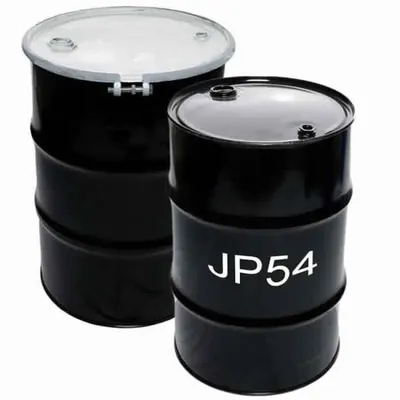
Canada lists 11 distinct petroleum‑related items under Petro Phillips Inc., covering crude oil, diesel, LPG, gasoline, jet fuel, fuel oil, marine fuel oil, base oil, asphalt and polyethylene. The active product count of 11 matches the catalogue entries and reflects the company’s focus on primary fuel and petrochemical streams.
The listed items belong to HS chapter 27 for mineral fuels (crude oil, diesel, LPG, gasoline, jet fuel, fuel oil, marine fuel oil and asphalt) and HS chapter 39 for plastics such as polyethylene. Each entry follows standard trade classifications used for bulk petroleum exports and polymer shipments, providing a clear basis for customs and regulatory processing.
Product Range and Specialties of Petro Phillips Inc.
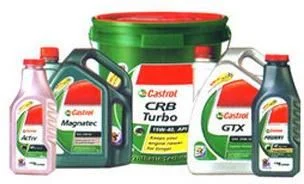
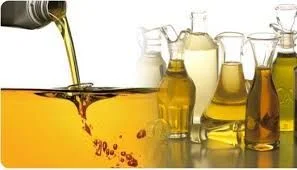
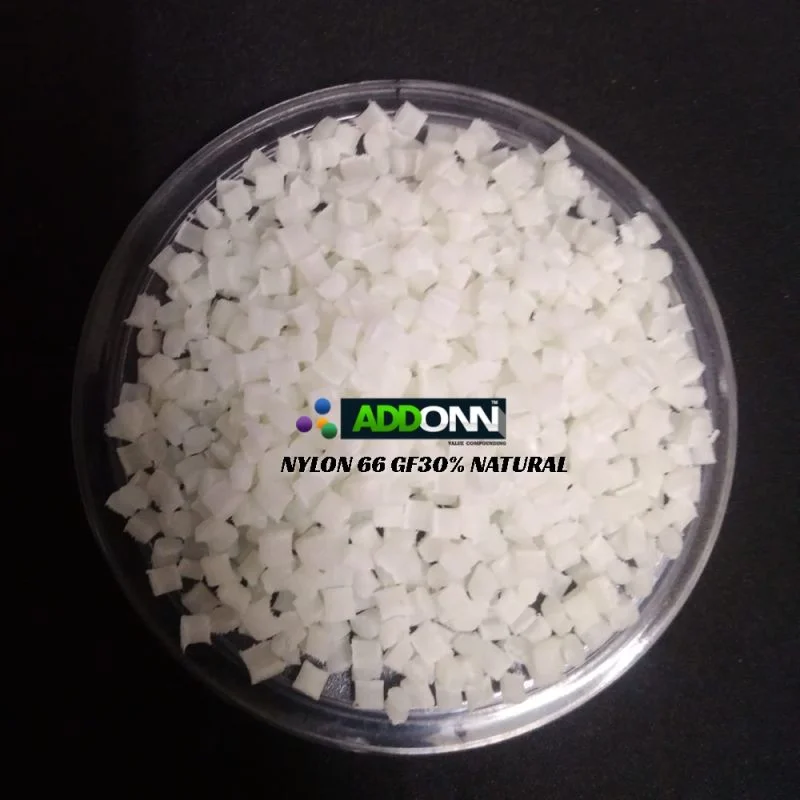
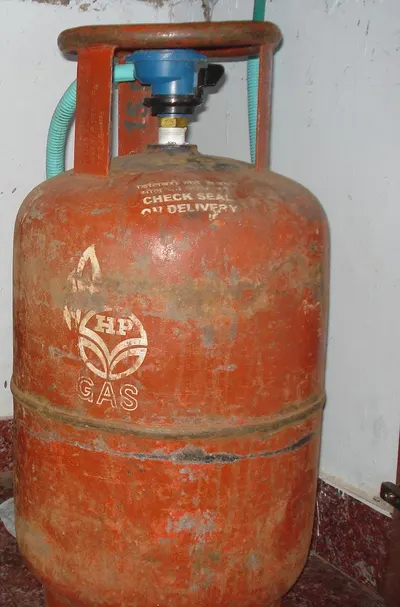
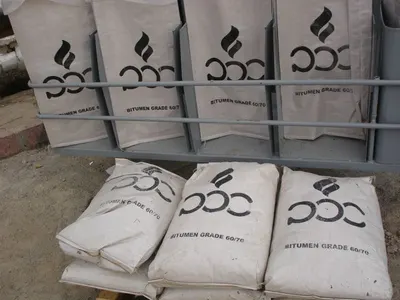
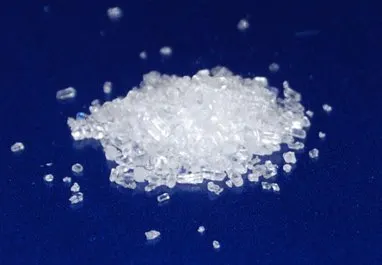
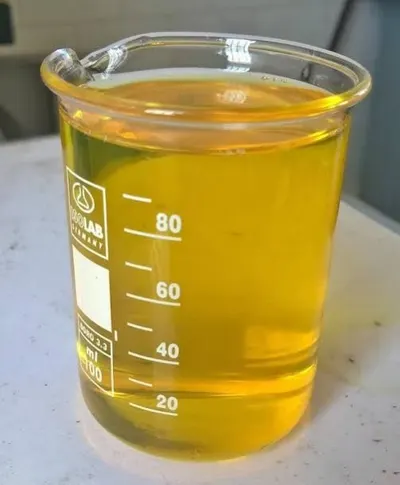
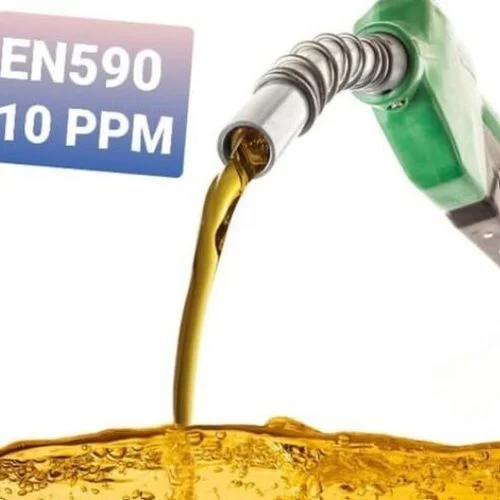
The catalogue includes crude oil (including D2 marine fuel), diesel (D2 grade), gasoline, jet fuel, fuel oil, LPG, base oil, asphalt and polyethylene. In the broader market, crude oil grades are distinguished by API gravity (e.g., 30‑35° API) and sulfur content (≤0.5 % for sweet grades). Diesel typically meets cetane numbers of 50 + and conforms to ASTM D975, while LPG is traded as a propane‑butane mix with a typical 60/40 ratio. Gasoline is evaluated by octane ratings (RON 87‑95) and must meet ASTM D4814. Jet fuel follows ASTM D1655 specifications, and fuel oil grades are classified by viscosity (e.g., ISO VG‑2). Base oil for lubricants adheres to API GL‑4/GL‑5 viscosity grades, and asphalt is specified by penetration values of 60‑80 × 0.1 mm. Polyethylene is supplied as HDPE with density 0.94‑0.96 g/cm³ and melt index 0.2‑2.0 g/10 min, aligning with typical HS 3901 classifications.
Frequently Asked Questions About Petro Phillips Inc.
What petroleum products does Petro Phillips Inc. list in its catalogue?
The catalogue lists crude oil (including D2 marine fuel), diesel (D2 grade), gasoline, jet fuel, fuel oil, LPG, base oil, asphalt and polyethylene.
Which HS codes are associated with these products?
Crude oil, diesel, gasoline, jet fuel, fuel oil and LPG fall under HS chapters 2709‑2711, while polyethylene is classified under HS 3901.
What quality standards should a buyer request for the diesel product?
Buyers should request compliance with ASTM D975, a cetane number of 50 or higher, and an API gravity and sulfur content report.
Are certifications such as ISO 9001 or API required for these exports?
While the supplier’s certifications are not listed, buyers typically require ISO 9001 quality management certification and API product specifications for petroleum fuels.
What is a typical packaging method for the polyethylene offered?
Polyethylene is usually shipped in 20‑ft or 40‑ft containers, palletized and sealed to protect against moisture.
 Canada
Related Suppliers & Products
Explore similar suppliers, related products and trending categories