Agriculture›
 Apparel and fashion accessories›
 Construction & real estate›💡Electronic & Electrical›🍎Food & Beverages›🛋️Home furnishing & supplies›⚗️Industrial goods & chemical›🪨Minerals & metals›📦Miscellaneous›Agriculture›Apparel and fashion accessories›Construction & real estate›💡Electronic & Electrical›🍎Food & Beverages›🛋️Home furnishing & supplies›⚗️Industrial goods & chemical›🪨Minerals & metals›📦Miscellaneous›
Pescadores Del Sur Product Catalog
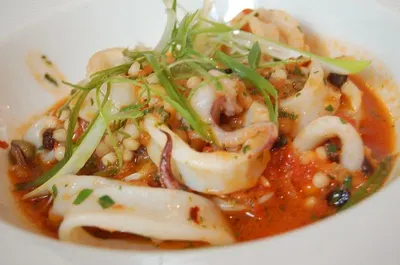
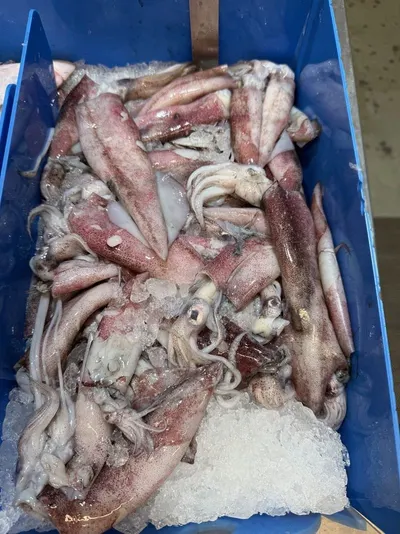
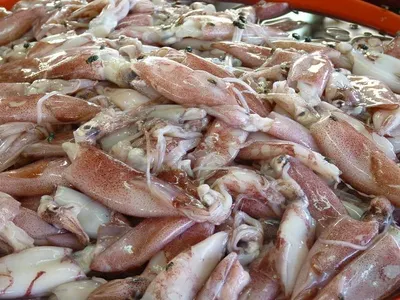
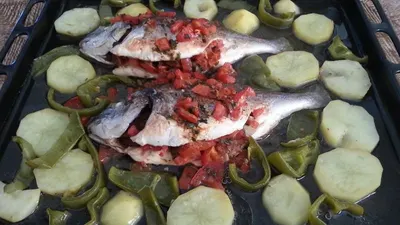

About Pescadores Del Sur - Fresh Squid Supplier in Spain
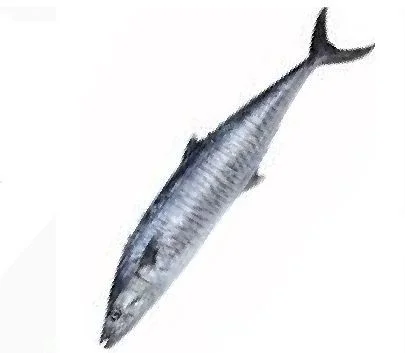
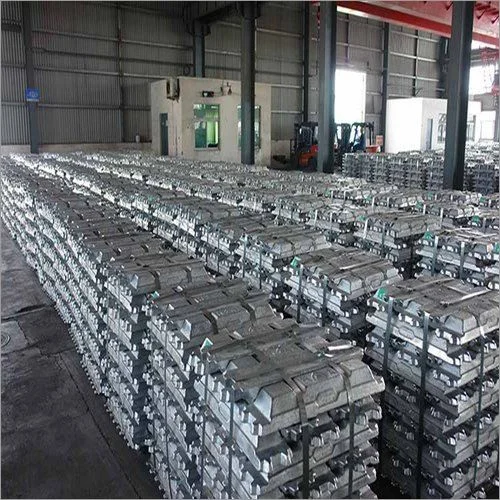
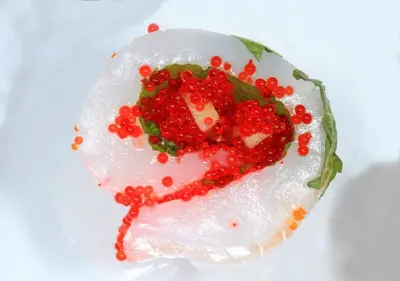
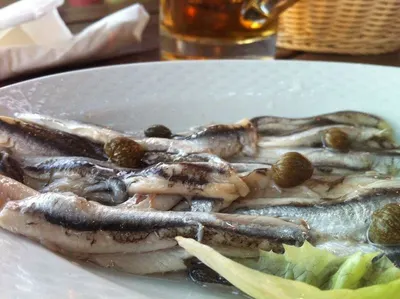
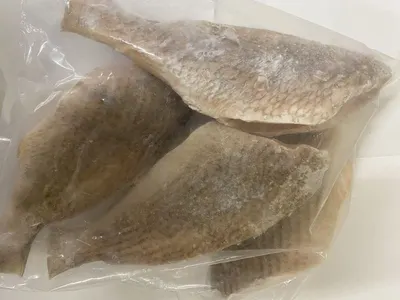
Pescadores Del Sur operates from Spain and currently lists eight distinct products in its catalogue. The catalogue includes a primary metal offering, Aluminum Ingots Grade A, classified under HS code 7601.10 and specified as primary aluminum Al 99.80%. The remaining seven entries are marine products, comprising Ribbon Fish (HS 0303.89, wild‑caught Trichiurus lepturus), Flying Fish Roe (tobiko), Anchovy Fish, and four squid variations - Giant Squid Raw Wings 500 g, Giant Squid Tentacles 1‑2 kg, Dosidicus Gigas Squid Bites and Pieces, and Giant Squid Boiled Wings 300 g. All squid items are listed without HS codes in the supplied data. The supplier’s active product count of eight reflects a focused portfolio spanning both metal and seafood categories.
The marine segment emphasizes fresh or chilled fish and specialty squid products, while the aluminium segment targets industrial users requiring high‑purity primary aluminium. Each entry is recorded with its material description where available, allowing buyers to match product specifications with import requirements. The mix of HS‑coded and non‑coded items suggests a catalogue that supports both standard customs classifications and niche seafood shipments.
Product Range and Specialties of Pescadores Del Sur
The Aluminium Ingots Grade A are described as primary aluminium with 99.80 % purity, a specification that aligns with common industry grades such as AA 1050 or AA 1100 used for extrusion and rolling. Typical ingot sizes range from 25 kg to 100 kg, and buyers often request melt‑test certificates to confirm alloy composition. In the seafood segment, Ribbon Fish is a wild‑caught marine species (Trichiurus lepturus) usually sold frozen or iced, with standard fillet lengths of 30‑45 cm and moisture content below 70 %. Fresh squid products such as raw wings, tentacles, and boiled wings are generally supplied in vacuum‑packed trays weighing 300 g to 2 kg, with ice‑temperature control to preserve texture and colour. Flying Fish Roe (tobiko) and anchovy fish are typical sushi‑grade items, commonly offered in 200 g to 500 g vacuum packs, meeting HACCP and BRC food‑safety standards expected in international trade.
Frequently Asked Questions About Pescadores Del Sur
What aluminium product does Pescadores Del Sur offer?
The supplier lists Aluminum Ingots Grade A, a primary aluminium product with 99.80 % purity and classified under HS code 7601.10. Buyers typically receive the ingots in 25 kg or 100 kg sizes and should request a material test report to confirm alloy composition.
Which HS code applies to the Ribbon Fish product?
Ribbon Fish is recorded with HS code 0303.89, covering other fish, fresh or chilled. The entry specifies wild‑caught Trichiurus lepturus, and importers usually need an EU health certificate and HACCP compliance documentation.
Are health certificates required for the squid products?
Yes, fresh or boiled squid exported from Spain generally requires an EU health certificate and HACCP plan verification. Buyers should also ask for a laboratory analysis confirming moisture content and microbial limits before shipment.
What packaging is commonly used for the fresh fish and squid items?
Spanish exporters typically use insulated boxes with gel ice for fresh fish, and vacuum‑sealed trays or bulk frozen packs for squid, placed on pallets inside 20‑ft or 40‑ft refrigerated containers. Packaging must maintain a temperature of ‑18 °C or lower throughout transit.
What is a typical minimum order quantity for the aluminium ingots?
Importers often set a minimum order of 5 tonnes, which corresponds to roughly 200 ingots of 25 kg each. Smaller quantities may be accepted for trial shipments but are less common in standard contracts.
 Spain
Related Suppliers & Products
Explore similar suppliers, related products and trending categories