Pashupati Group — Verified Supplier
About Pashupati Group - Textile Fibers Supplier in India
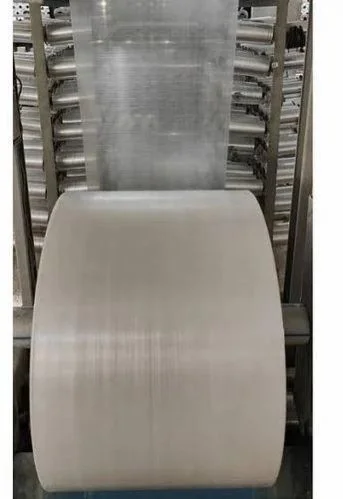
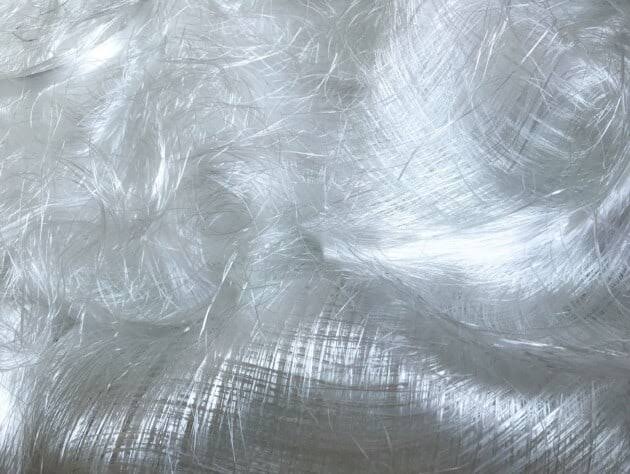
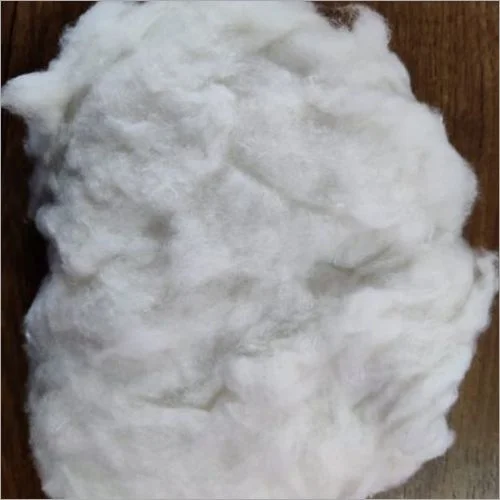
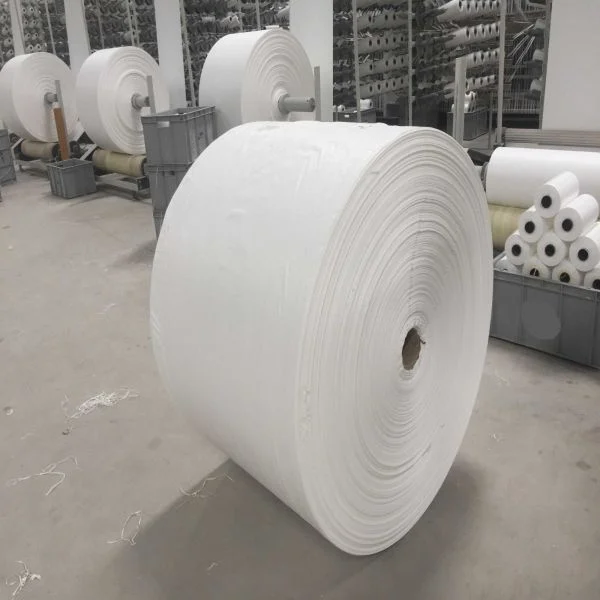
Located in India, Pashupati Group is a supplier with an active product count of 15. The company lists a variety of products, including Recycled PET Fibre (RPSF) Solid, Recycled PET Staple Fibre (rPSF) Hollow, and Recycled Polyester Staple Fibre Hollow Conjugate, among others. These products fall under categories such as Polyester Fiber, Textile Fibers, and Knitted & Woven Fabrics. Pashupati Group also offers PP Woven Bags, HDPE Woven Bags, and Jumbo Bags, which are commonly used in construction and packaging.
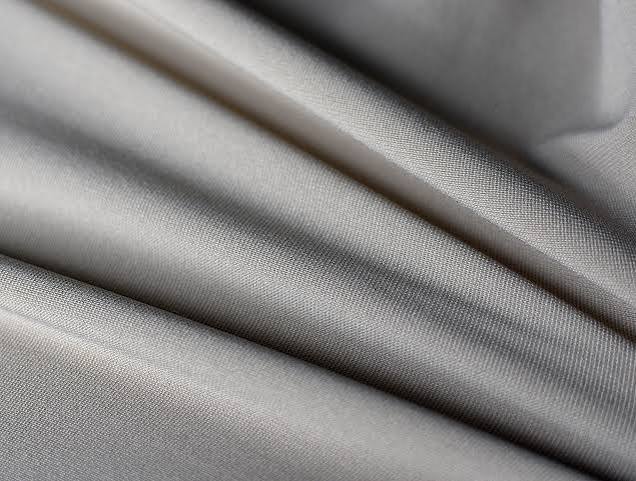
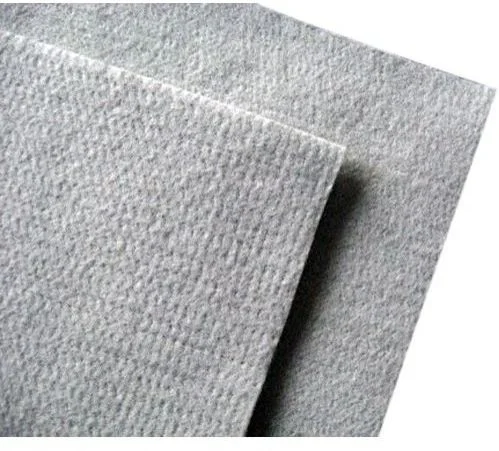
The company's product range includes various types of fibers, fabrics, and raw materials. For instance, their Recycled Polyester Staple Fibre is available in different variants, such as Reinforcement, Micro, and Easy Dyeable. Additionally, Pashupati Group supplies PP Woven Fabric and HDPE Woven Fabric, which can be used in a range of applications, from clothing to industrial uses. With a presence in India, Pashupati Group is well-positioned to serve buyers in various regions, particularly in Asia and other parts of the world where textile and construction industries are prominent.
Product Range and Specialties of Pashupati Group
Pashupati Group's catalogue includes a diverse range of products, from fibers and fabrics to raw materials and packaging solutions. Buyers can expect to find products that meet typical industry standards for quality and specifications. For example, the company's Recycled PET Fibre (RPSF) Solid and Recycled PET Staple Fibre (rPSF) Hollow products are likely to meet specifications such as ICUMSA 45 or similar standards for sugar and textile industries. The PP Woven Bags and HDPE Woven Bags offered by Pashupati Group are commonly used in construction, agriculture, and packaging, and are likely to meet standards such as those set by the International Organization for Standardization (ISO) for packaging materials.
Trade and Export Information - Pashupati Group
Exporters of textile fibers and packaging materials, such as Pashupati Group, typically require certifications and compliance with regulations such as those related to customs, taxation, and product safety. Buyers of these goods usually require compliance with standards such as ISO 9001 for quality management and ISO 14001 for environmental management. The HS code family 3902, which includes products such as fillers and masterbatches, is subject to regulations and standards related to plastics and polymers. Regions such as Asia, Europe, and the Americas are common importers of these goods, with industries such as textiles, construction, and packaging being major consumers. Pashupati Group, based in India, is likely to export to these regions, leveraging the country's well-established textile and manufacturing industries.
Sourcing from Pashupati Group - Buyer Guidance
When sourcing from Pashupati Group, buyers should request specifications, samples, and test reports to verify the quality and suitability of the products. It is also important to confirm the availability of certifications such as ISO 9001 and ISO 14001, which are commonly required in the industry. Additionally, buyers should inquire about the company's quality control processes, packaging, and shipping procedures to ensure that the products meet their requirements. By requesting and verifying this information, buyers can ensure a smooth and successful sourcing experience with Pashupati Group.
Frequently Asked Questions About Pashupati Group
What types of fibers does Pashupati Group offer?
Pashupati Group offers a range of fibers, including Recycled PET Fibre (RPSF) Solid, Recycled PET Staple Fibre (rPSF) Hollow, and Recycled Polyester Staple Fibre Hollow Conjugate, among others. These fibers are suitable for various applications, from clothing to industrial uses.
What is the typical lead time for orders from Pashupati Group?
The lead time for orders from Pashupati Group may vary depending on the product and the destination. However, buyers can typically expect a lead time of several weeks to a few months. It is best to confirm the lead time with the company before placing an order.
What certifications should buyers request from Pashupati Group?
Buyers should request certifications such as ISO 9001 for quality management and ISO 14001 for environmental management, which are commonly required in the industry. Additionally, buyers may want to request certifications related to product safety and compliance with regulations.
How can buyers verify the quality of Pashupati Group's products?
Buyers can verify the quality of Pashupati Group's products by requesting specifications, samples, and test reports. They can also inquire about the company's quality control processes and packaging procedures to ensure that the products meet their requirements.
What is the minimum order quantity (MOQ) for Pashupati Group's products?
The MOQ for Pashupati Group's products may vary depending on the product and the destination. However, buyers can typically expect an MOQ of several hundred kilograms or more. It is best to confirm the MOQ with the company before placing an order.
How does Pashupati Group package and ship its products?
Pashupati Group packages its products in a variety of ways, depending on the product and the destination. The company may use bags, boxes, or other packaging materials to protect the products during shipping. Buyers can inquire about the company's packaging procedures to ensure that the products are properly protected during transit.
What are the typical payment terms for Pashupati Group's products?
The payment terms for Pashupati Group's products may vary depending on the product and the destination. However, buyers can typically expect to pay using common payment methods such as letter of credit or telegraphic transfer. It is best to confirm the payment terms with the company before placing an order.
Can Pashupati Group provide custom products or formulations?
Pashupati Group may be able to provide custom products or formulations, depending on the company's capabilities and the buyer's requirements. Buyers can inquire about the company's ability to provide custom products or formulations and discuss their specific needs with the company.




 , India