Palm Indo International — Verified Supplier
About Palm Indo International - Coconut Sugar Supplier in Indonesia
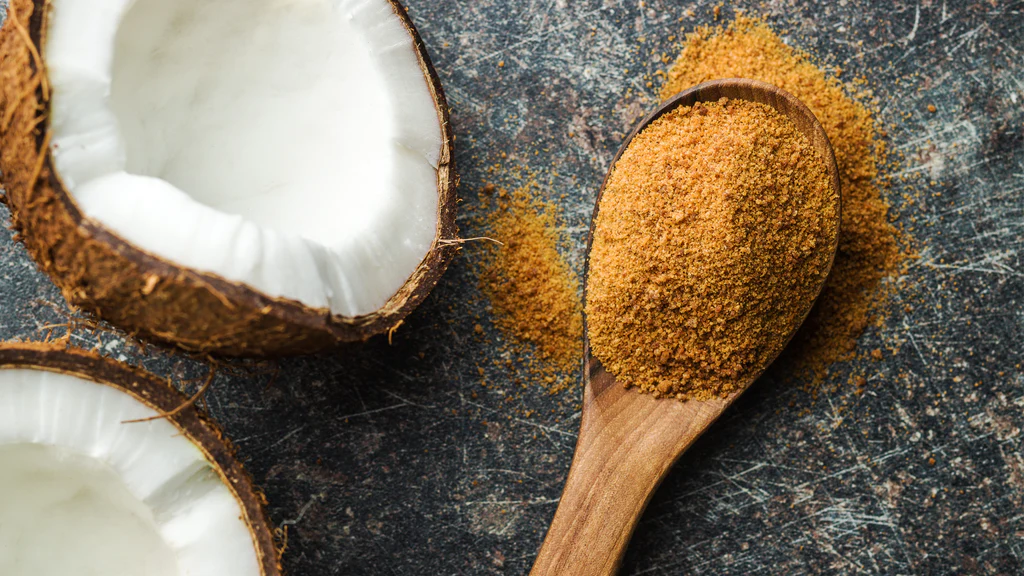
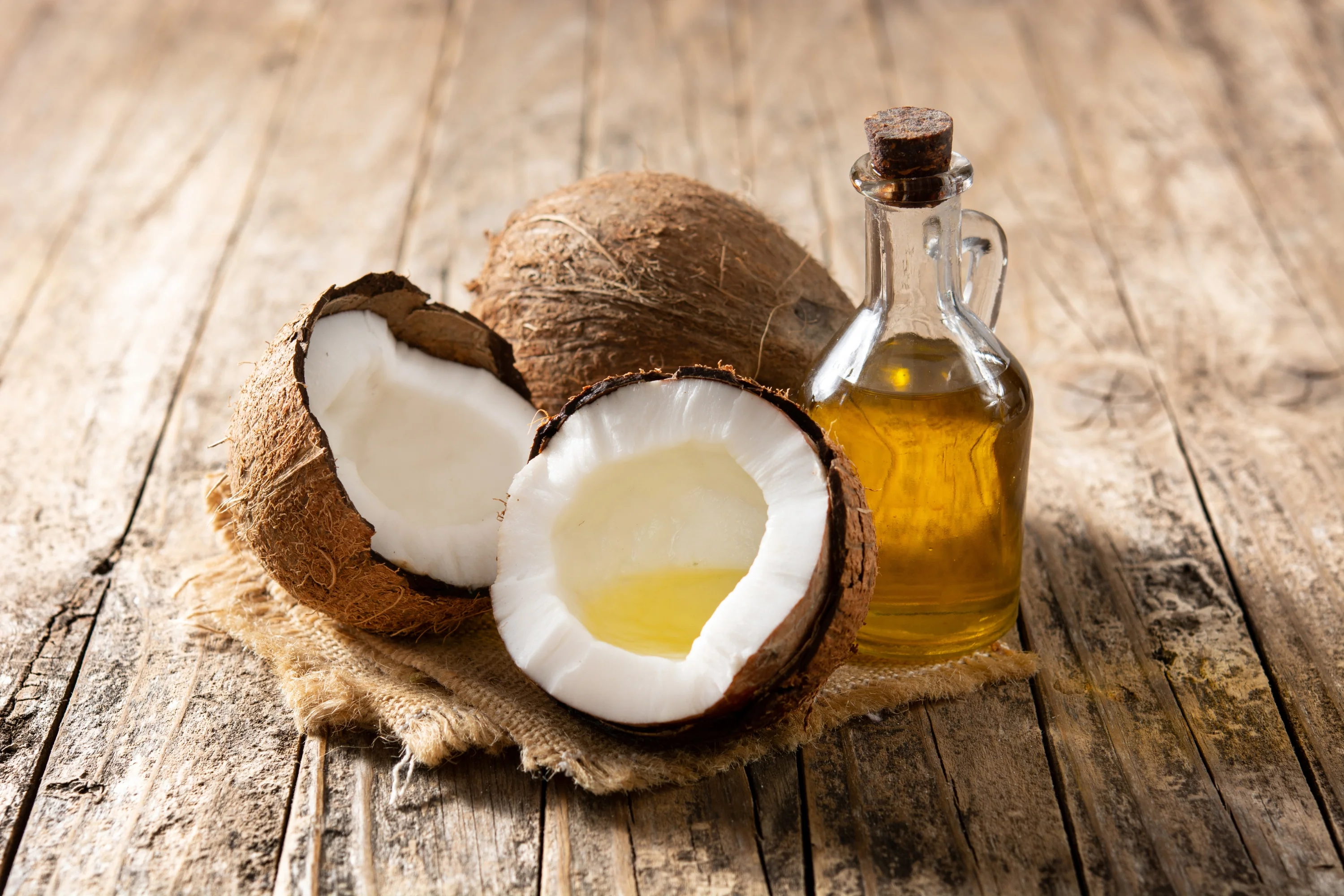
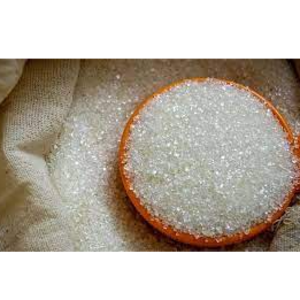
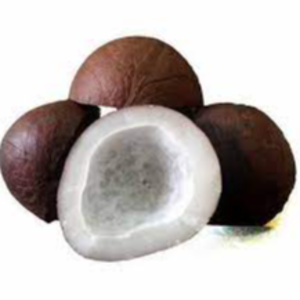
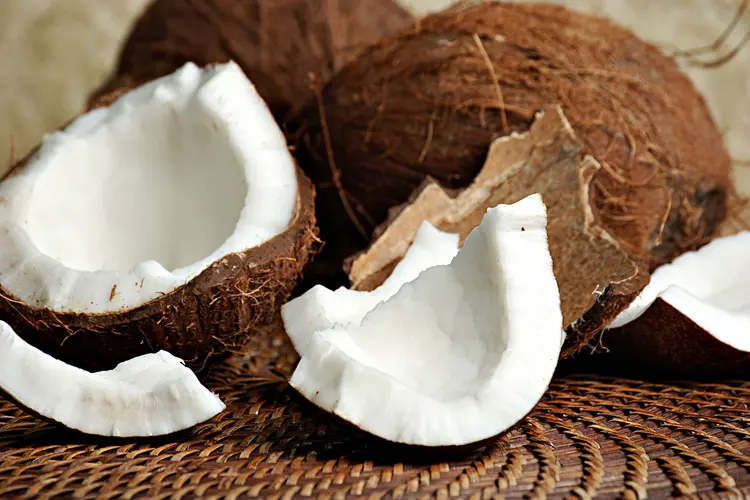
Indonesia hosts Palm Indo International, a supplier that currently lists eight active products across its catalogue. The portfolio covers coconut sugar, palm sugar, coconut oil, and desiccated coconut in both fine and extra‑fine grades. Products include Organic Coconut Sugar, Organic Palm Sugar, Palm Sugar Syrup, RBD Coconut Oil, Coconut Sugar, Virgin Coconut Oil, Desiccated Coconut Fine Grade and Desiccated Coconut Extra Fine Grade. Each item is classified under the supplier’s top categories of Coconut Sugar, Coconut Oil, Desiccated Coconut, Sugar and Food Additives. The catalogue does not provide HS codes, but the product types align with common HS chapters for sugars (chapter 17), edible oils (chapter 15) and dried coconut meat (chapter 08).
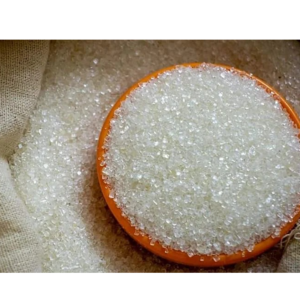
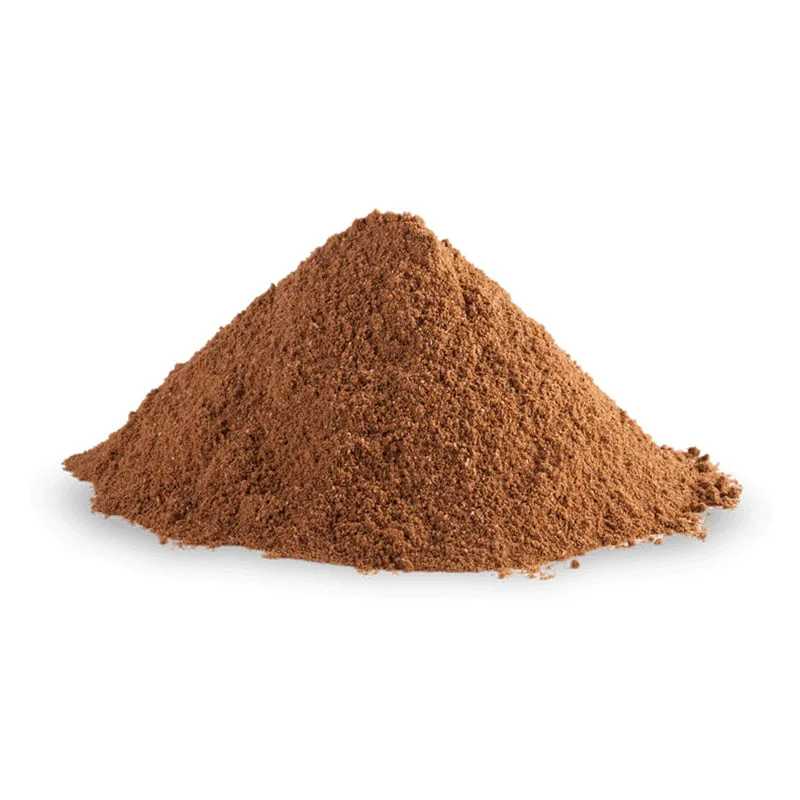
The listed coconut sugars are produced from the sap of mature coconut palms and are available in both conventional and certified organic forms. Coconut oil entries include refined, bleached and deodorised (RBD) oil as well as virgin oil obtained by cold‑pressing. Desiccated coconut is offered in fine (approximately 0.5 mm particle size) and extra‑fine (approximately 0.3 mm) grades, suitable for confectionery and bakery applications. All eight products are positioned for bulk trade, with typical packaging options such as 25 kg paper bags for sugars and 200 L drums or 1 ton polyethylene bulk containers for oils. The supplier’s trust tier is listed as “harbor”, indicating a medium level of verification in the platform.
Product Range and Specialties of Palm Indo International
Palm Indo International’s catalogue features organic and conventional coconut sugars, a palm‑derived sugar syrup, refined and virgin coconut oils, and two grades of desiccated coconut. In the global market, coconut sugar is commonly graded by colour and moisture, with ICUMSA 45 - 55 being the standard for white to light‑brown sugar and moisture limits of 5 % max. Coconut oil is typically evaluated by free fatty acid (FFA) content, with RBD oil meeting a ≤0.1 % FFA specification and a flash point above 260 °C. Virgin coconut oil is often certified for peroxide value below 10 meq O₂/kg and a minimum iodine value of 6 - 8 g I₂/100 g. Desiccated coconut grades are distinguished by particle size (fine 0.5 mm, extra‑fine 0.3 mm) and moisture content not exceeding 6 %.
Buyers frequently request documentation such as organic certification (e.g., USDA‑NOP or EU Organic), ISO 22000 food safety certificates, and laboratory analysis reports confirming sugar purity, oil FFA, peroxide value, and microbial limits. The product forms suit container loads of 20‑ft or 40‑ft containers, with oil typically shipped in 200 L drums or bulk tankers, and sugars and desiccated coconut packed in bulk bags.
Trade and Export Information - Palm Indo International
Indonesia is a major exporter of coconut‑derived products, supplying the EU, United States, Middle East and Southeast Asian markets. Coconut sugar and desiccated coconut fall under HS 1702 and 0805 respectively, while coconut oil and palm‑derived sugar syrup are classified under HS 1515 and 1702. Importers in the EU commonly require compliance with EU Regulation No 1169/2011 on food information and may request a Certificate of Origin and phytosanitary inspection for dried coconut. The United States follows FDA food import requirements, including Prior Notice and possible entry under the Food Safety Modernization Act (FSMA).
Typical Incoterms for bulk food commodities from Indonesia are FOB Jakarta or CIF major ports such as Jakarta or Surabaya. Buyers should anticipate container load planning: a 20‑ft container can hold approximately 18 tons of coconut oil or 22 tons of desiccated coconut, while sugar bulk bags fill a 40‑ft container to around 25 tons. Export documentation generally includes a commercial invoice, packing list, bill of lading and, where applicable, an organic certification certificate.
Sourcing from Palm Indo International - Buyer Guidance
Prospective buyers should request the supplier’s current organic certification documents, ISO 22000 or HACCP audit reports, and recent laboratory analyses for each product. For coconut sugar, verify colour grade (ICUMSA), moisture content and microbial limits (e.g., total plate count ≤10⁴ CFU/g). For RBD coconut oil, confirm free fatty acid level, peroxide value and flash point. Desiccated coconut samples should be checked for particle size distribution, moisture and aflatoxin levels.
Before placing a bulk order, ask for a product sample with accompanying test report, confirm packaging dimensions (e.g., 25 kg paper bags, 200 L drums) and clarify the minimum order quantity, which for most of these bulk commodities ranges from one to two standard containers. Verify the supplier’s ability to provide a Certificate of Origin and, if required by the destination, a phytosanitary certificate for the desiccated coconut. Align lead times with the supplier’s production schedule, typically 30‑45 days for organics and 20‑30 days for conventional grades.
Frequently Asked Questions About Palm Indo International
What product forms does Palm Indo International offer for coconut sugar?
The catalogue lists Organic Coconut Sugar, conventional Coconut Sugar and Organic Palm Sugar, each supplied in bulk bags (typically 25 kg) suitable for container loading.
Are the coconut oils certified organic or refined?
The supplier provides RBD (refined, bleached, deodorised) Coconut Oil and Virgin Coconut Oil; the RBD oil is not indicated as organic, while the virgin oil may be sourced from organically certified plantations if the buyer requests supporting documentation.
What are the typical specifications for desiccated coconut grades?
Fine Grade desiccated coconut is milled to about 0.5 mm particle size with moisture ≤6 %, and Extra Fine Grade is milled to approximately 0.3 mm with the same moisture limit; both grades meet food‑grade standards for bakery and confectionery use.
Which HS codes are generally applied to these products?
Coconut sugar and palm sugar syrup are usually classified under HS 1702, RBD and Virgin Coconut Oil under HS 1515, and desiccated coconut under HS 0805.
What certifications should a buyer request when importing these items?
Buyers should ask for organic certification (USDA‑NOP, EU Organic or equivalent), ISO 22000 or HACCP food safety certificates, and recent laboratory test reports covering purity, moisture, FFA (for oil) and microbial limits.
What are the common packaging options and container capacities?
Sugars and desiccated coconut are commonly packed in 25 kg paper bags, while oils are shipped in 200 L steel drums or bulk polyethylene containers; a 20‑ft container can hold roughly 18 tons of oil or 22 tons of desiccated coconut, and a 40‑ft container can accommodate about 25 tons of bulk sugar.
What are typical lead times and minimum order quantities?
Lead times range from 20 days for conventional products to 45 days for certified organic items, with minimum orders generally equivalent to one standard 20‑ft container (approximately 18‑22 tons depending on product).




 , Indonesia