Opoint APM Ltd. — Supplier
About Opoint APM Ltd. - Aluminum Hardware Supplier in China
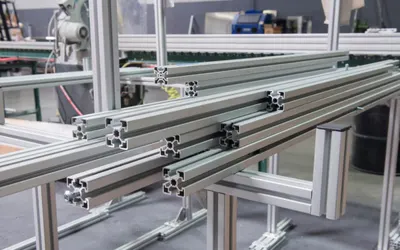
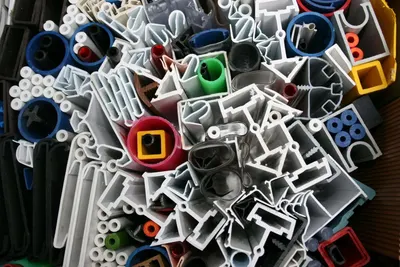
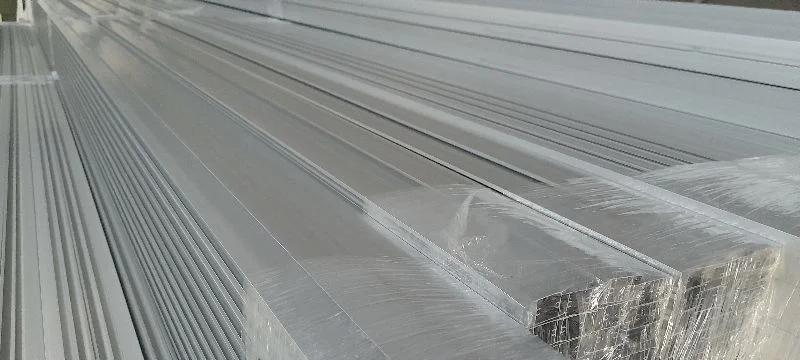
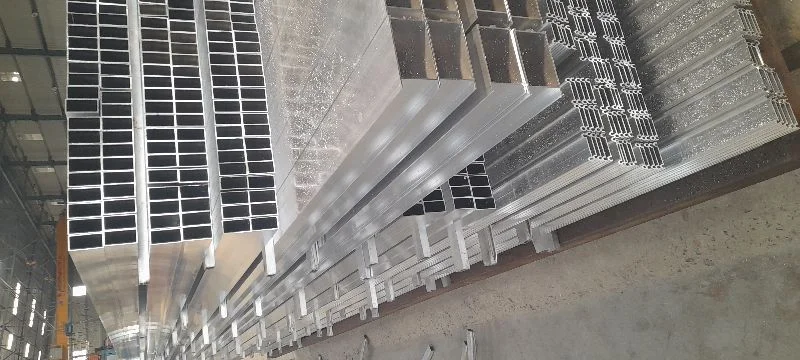
China‑based Opoint APM Ltd. lists 24 active product lines that fall under aluminium hardware, CNC machine parts, printer accessories, and related extrusion profiles. The catalogue groups the items under HS‑code families 7604 (aluminium extrusions and profiles), 7616 (other aluminium articles), 7606 (aluminium frames) and 8473 (machinery parts), reflecting typical customs classifications for fabricated aluminium components. Materials are repeatedly specified as 6000‑series alloys - principally 6063‑T5 and 6061‑T6 - which are standard for architectural and precision‑engineered parts. The supplier also references specialised items such as heat‑sink profiles, glass‑mount hardware and medical‑equipment extrusions, each matched to the appropriate HS code in the list.
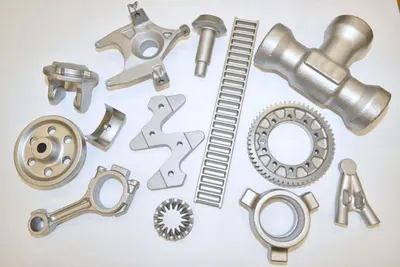
The product list includes customised aluminium hardware for automation, photo‑printer frames, glass fittings, furniture components and display‑panel frames. Several entries lack explicit HS codes, indicating they are likely covered by the broader 7604.29 or 7616.99 categories already cited. Materials such as ADC12, A383 (EN AB 46100) and 7075‑T6 appear for higher‑strength parts, while surface‑finish data (e.g., 97.5 % Al, 0.5 % Mg, 0.4 % Si) is provided for heat‑sink alloys. The presence of both extrusion (HS 7604.21) and fabricated (HS 7616.90/99) codes shows the supplier can deliver both long‑profile extrusions and machined or cast components.
Product Range and Specialties of Opoint APM Ltd.
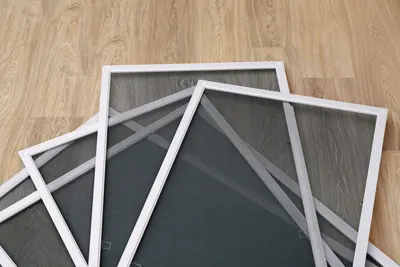
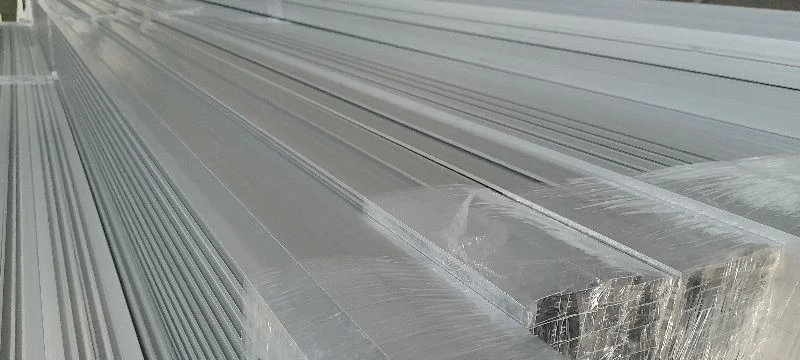
The catalogue covers customised extrusion profiles (e.g., 7604.29) for automation, medical equipment and car window frames, as well as fabricated accessories such as hardware for glass, heat‑sink modules and display‑panel frames (7606.12). Typical industry practice for 6063‑T5 and 6061‑T6 alloys includes tolerances of ±0.2 % on cross‑section, surface roughness Ra ≤ 3.2 µm, and optional anodising to ASTM B580 standards. Heat‑sink profiles are often designed to meet thermal resistance of 0.5‑1.0 °C/W, with fin spacing of 2‑5 mm and extrusion lengths up to 6 m per standard container load. For CNC‑machined parts (8473.30) buyers usually require dimensional accuracy of ±0.1 mm and surface finish of Ra ≤ 1.6 µm. Aluminium frames for display panels typically follow EN 755‑2 specifications for structural integrity and load‑bearing capacity.
In the broader aluminium hardware market, manufacturers frequently offer standard profile series such as 40 × 40 mm, 80 × 40 mm and custom T‑sections, with wall thicknesses ranging from 1.5 mm to 6 mm. Common ancillary finishes include powder coating (ISO 12944‑4) for corrosion resistance in outdoor applications, and brushed or polished finishes for aesthetic fixtures. Buyers often request mill test reports (MTR) confirming alloy composition, temper designation (T5, T6) and tensile strength (e.g., 6063‑T5 ≈ 190 MPa, 6061‑T6 ≈ 310 MPa).
Trade and Export Information - Opoint APM Ltd.
China is one of the world’s largest exporters of aluminium extrusions, supplying roughly 12 % of global volume. HS‑chapter 76 items from China typically flow to construction, automotive, electronics and medical‑device industries in the EU, North America and Southeast Asia. Standard export documentation includes a commercial invoice, packing list, certificate of origin and, where required, an ISO‑9001 quality‑management certificate or CE‑type examination for safety‑critical components. Shipping is commonly arranged on 20‑ft or 40‑ft containers, with a 40‑ft box accommodating 20‑25 tonnes of extruded aluminium profiles. Buyers often select FOB Shanghai or Ningbo, while CIF to European ports (e.g., Rotterdam) is also frequent. Regulatory checks in the destination market may involve EN 755‑2 compliance for extrusions and RoHS verification for electronic‑grade parts.
Given the prevalence of aluminium alloys in high‑precision sectors, importers usually request pre‑shipment inspection by SGS or Bureau Veritas, focusing on alloy grade, temper, dimensional tolerance and surface finish. Many European buyers also require conformity to REACH restrictions on hazardous substances, even though aluminium alloys are generally exempt. For medical‑equipment extrusions, additional compliance with ISO 13485 and FDA‑recognised material standards may be stipulated by the end‑user.
Sourcing from Opoint APM Ltd. - Buyer Guidance
When sourcing from Opoint APM Ltd., buyers should obtain a mill test report for each alloy grade (6063‑T5, 6061‑T6, 7075‑T6) to verify chemical composition and mechanical properties. Request drawings or CAD files that detail profile dimensions, tolerances and any required surface treatment such as anodising or powder coating. For heat‑sink profiles, ask for thermal‑performance data (fin density, thermal resistance) and confirm that the extrusion complies with IEC 60721‑3‑3 for temperature‑stable operation. Verify that the supplier can provide certificates for ISO 9001, CE marking or any other standard you require, as these are not listed in the supplied facts.
Before confirming a purchase, confirm the packaging method - typically wood‑crate with anti‑corrosion film - and the container loading plan to ensure the quoted 40‑ft container capacity aligns with your order volume. Request a pre‑shipment sample or prototype, especially for custom profiles, to assess fit, finish and dimensional accuracy. Finally, ensure the trade terms (e.g., FOB Shanghai, CIF Hamburg) and insurance coverage are clearly defined in the commercial contract.
Frequently Asked Questions About Opoint APM Ltd.
What aluminium alloy grades does Opoint APM Ltd. offer for custom extrusion profiles?
The catalogue lists 6000‑series alloys, primarily 6063‑T5 and 6061‑T6, with occasional use of 7075‑T6 for higher‑strength parts and ADC12/A383 for specialised applications.
Which HS codes are associated with the aluminium hardware and extrusion products?
Typical HS codes in the listing are 7604.29 for aluminium extrusions and profiles, 7604.21 for custom extrusion beams, 7616.90/99 for fabricated aluminium articles, 7606.12 for aluminium frames, and 8473.30 for machined aluminium parts.
What documentation should a buyer request before ordering aluminium heat‑sink profiles?
Buyers should request a mill test report, thermal‑performance data (fin density, thermal resistance), and, if required by the destination market, a CE‑type examination or RoHS compliance statement.
Are there standard surface‑finish options for the aluminium frames and display panels?
Industry practice includes powder‑coat finishes compliant with ISO 12944‑4, brushed or polished finishes, and optional anodising according to ASTM B580 for enhanced corrosion resistance.
What are the typical shipping arrangements for 40‑ft containers of aluminium extrusions from China?
A 40‑ft container can carry 20‑25 tonnes of extruded profiles; exporters usually ship FOB Shanghai or Ningbo, with buyers often opting for CIF to European ports.
Which certifications are commonly required for aluminium components used in medical equipment?
Medical‑device aluminium parts are frequently required to meet ISO 13485 quality‑management standards, EN 755‑2 for extrusion safety, and may need FDA‑recognised material certifications depending on the end‑use.
How can a buyer verify the dimensional tolerance of custom aluminium parts?
Request detailed engineering drawings, specify tolerance limits (e.g., ±0.2 % on cross‑section or ±0.1 mm on critical dimensions), and arrange a pre‑shipment inspection by an accredited third‑party inspector.
What is the recommended packaging for aluminium hardware to prevent corrosion during transit?
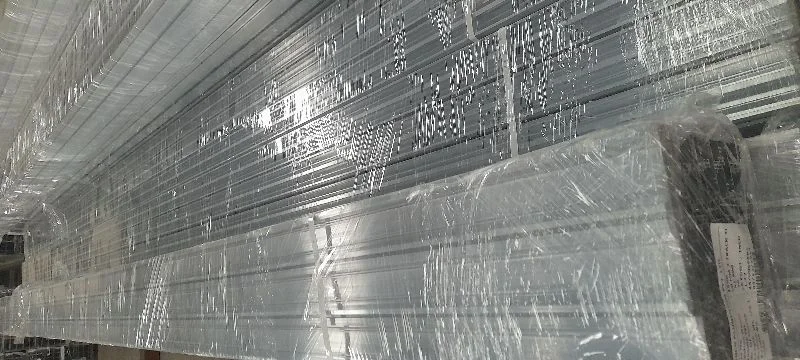
Standard practice is to pack parts in wood‑crates or steel pallets, line with anti‑corrosion film or moisture‑absorbing packets, and seal with shrink‑wrap to protect against humidity.




 , China