Olive Overseas — Verified Supplier
About Olive Overseas - Spices Supplier in India
Olive Overseas is a supplier based in India, with 87 active products in its catalogue. The company lists a variety of spices, including Asafoetida, Bay Leaf, Black Peppercorns, and Black Salt, among others. These products fall under the HS code 0910.99, which covers spices, including seeds, fruits, and plant extracts. Buyers can expect to find a range of spices, with specific materials such as Ferula Resin Gum and Cinnamomum tamala.
The company's product range includes spices like Cardamom, Green, Carom Seeds, Thymol, and Celery Seeds, as well as other products like Chilli Powder, Cinnamon, and Cloves. With its location in India, Olive Overseas is well-positioned to serve buyers in various regions, particularly those in the Middle East, Africa, and Southeast Asia, where spices are in high demand.
Product Range and Specialties of Olive Overseas
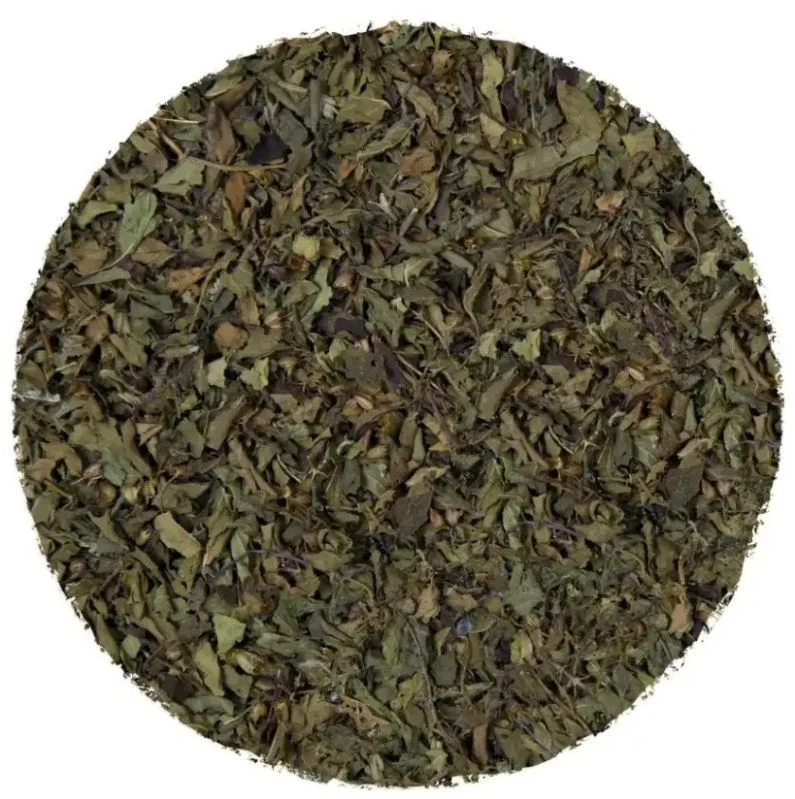
Olive Overseas' catalogue includes a diverse range of spices, each with its own unique characteristics and uses. For example, Asafoetida is a natural plant extract with a distinct flavor and aroma, while Bay Leaf is a whole dried leaf with a mild, slightly sweet flavor. Buyers can expect to find spices with varying grades and specifications, such as moisture content, purity, and packaging.
In the spices industry, buyers typically require certifications like ISO 22000 or HACCP, and may also request test reports or samples to verify the quality of the products. Spices can be packaged in various formats, including bags, containers, or bulk shipments, and may be shipped via air or sea freight, with Incoterms like FOB or CIF commonly used.
Trade and Export Information - Olive Overseas
Exporters of spices from India, like Olive Overseas, typically ship their products to regions with high demand for spices, such as the Middle East, Africa, and Southeast Asia. These goods are usually classified under HS chapter 09, which covers coffee, tea, mate, and spices.
The spices industry is subject to various regulations and standards, including those related to food safety, quality, and packaging. Buyers should be aware of these requirements and ensure that their suppliers comply with them. For example, spices may need to meet standards like ISO 9001 or ASTM, and may require certifications like organic or non-GMO.
Sourcing from Olive Overseas - Buyer Guidance
When sourcing spices from Olive Overseas, buyers should request specifications, samples, and test reports to verify the quality of the products. They should also ensure that the supplier provides the necessary certifications and documents, such as certificates of origin or phytosanitary certificates.
Buyers should be aware of the typical quality parameters for spices, such as moisture content, purity, and flavor profile, and should request these details from the supplier. They should also clarify the packaging and shipping terms, including the use of Incoterms like FOB or CIF, and ensure that the supplier complies with all relevant regulations and standards.
Frequently Asked Questions About Olive Overseas
What types of spices does Olive Overseas supply?
Olive Overseas supplies a variety of spices, including Asafoetida, Bay Leaf, Black Peppercorns, and Black Salt, among others. These spices fall under the HS code 0910.99, which covers spices, including seeds, fruits, and plant extracts.
What certifications should I request from Olive Overseas?
Buyers should request certifications like ISO 22000 or HACCP, as well as test reports or samples to verify the quality of the products. Spices may also require certifications like organic or non-GMO, depending on the specific product and market requirements.
How are spices typically packaged and shipped?
Spices can be packaged in various formats, including bags, containers, or bulk shipments, and may be shipped via air or sea freight, with Incoterms like FOB or CIF commonly used. Buyers should clarify the packaging and shipping terms with the supplier to ensure compliance with all relevant regulations and standards.
What quality parameters should I verify when sourcing spices?
Buyers should verify typical quality parameters for spices, such as moisture content, purity, and flavor profile. They should also request specifications, samples, and test reports from the supplier to ensure compliance with the required standards.
What regions do spices from India typically get exported to?
Spices from India, like those supplied by Olive Overseas, are typically exported to regions with high demand for spices, such as the Middle East, Africa, and Southeast Asia.
What are the common Incoterms used in spice trade?
Common Incoterms used in the spice trade include FOB, CIF, and CFR, which define the responsibilities of the buyer and seller regarding the delivery of goods. Buyers should clarify the Incoterms with the supplier to ensure compliance with all relevant regulations and standards.
What is the typical lead time for spice shipments from India?
The typical lead time for spice shipments from India can vary depending on the supplier, product, and shipping terms. Buyers should clarify the lead time with the supplier to ensure compliance with their requirements and to plan accordingly.




 , India