Oceanic Minotaur Trading Comp — Supplier
About Oceanic Minotaur Trading Comp - Horns, Skins, Hides, Skulls, Feathers & Hairs Of Animals Supplier in Hong Kong
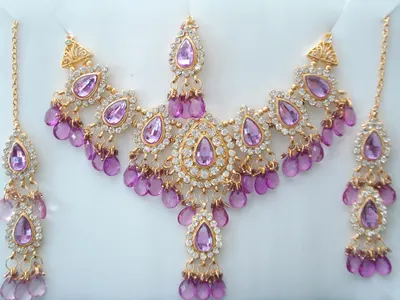
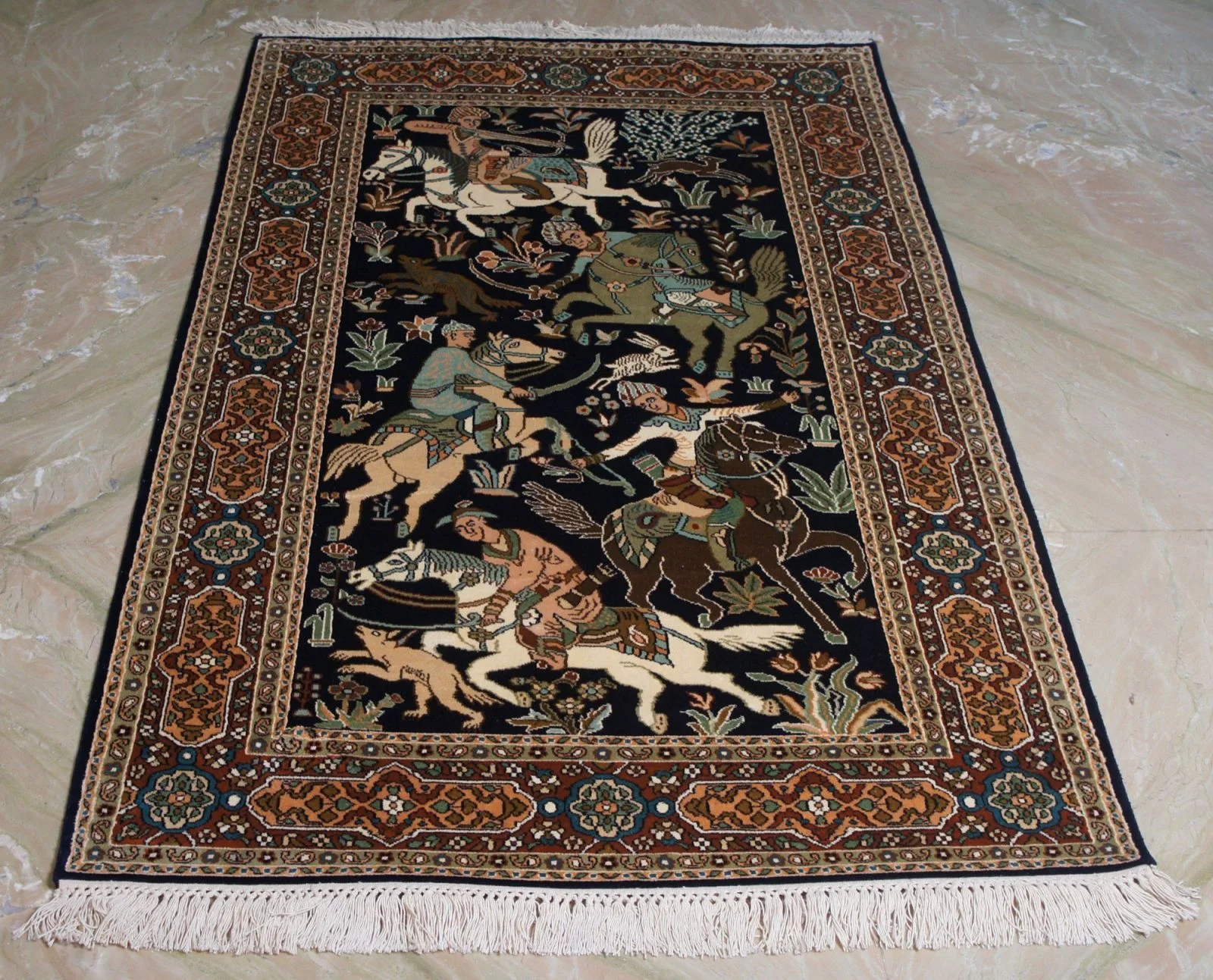
Hong Kong‑based Oceanic Minotaur Trading Comp lists ten active products across animal hide and leather categories. The catalogue includes various types of cow leather, full‑grain, nubuck, and oily or waxy finishes such as Crazy Horse, as well as cow hide rugs and imitation jewellery. These items fall under the broader classification of horns, skins, hides, skulls, feathers and hairs of animals, as well as finished leather and leather rugs. The supplier’s trust tier is recorded as “harbor”. No HS codes are provided in the supplied data.
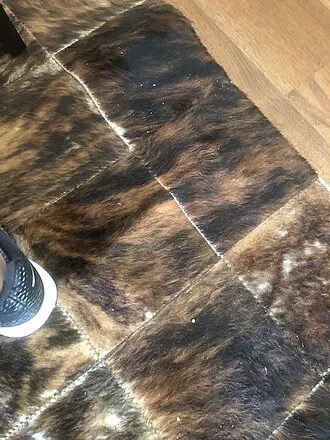
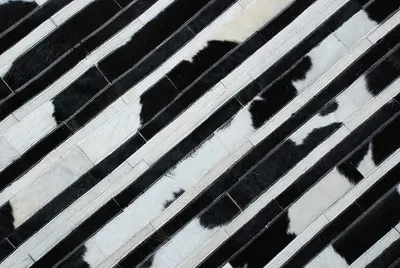
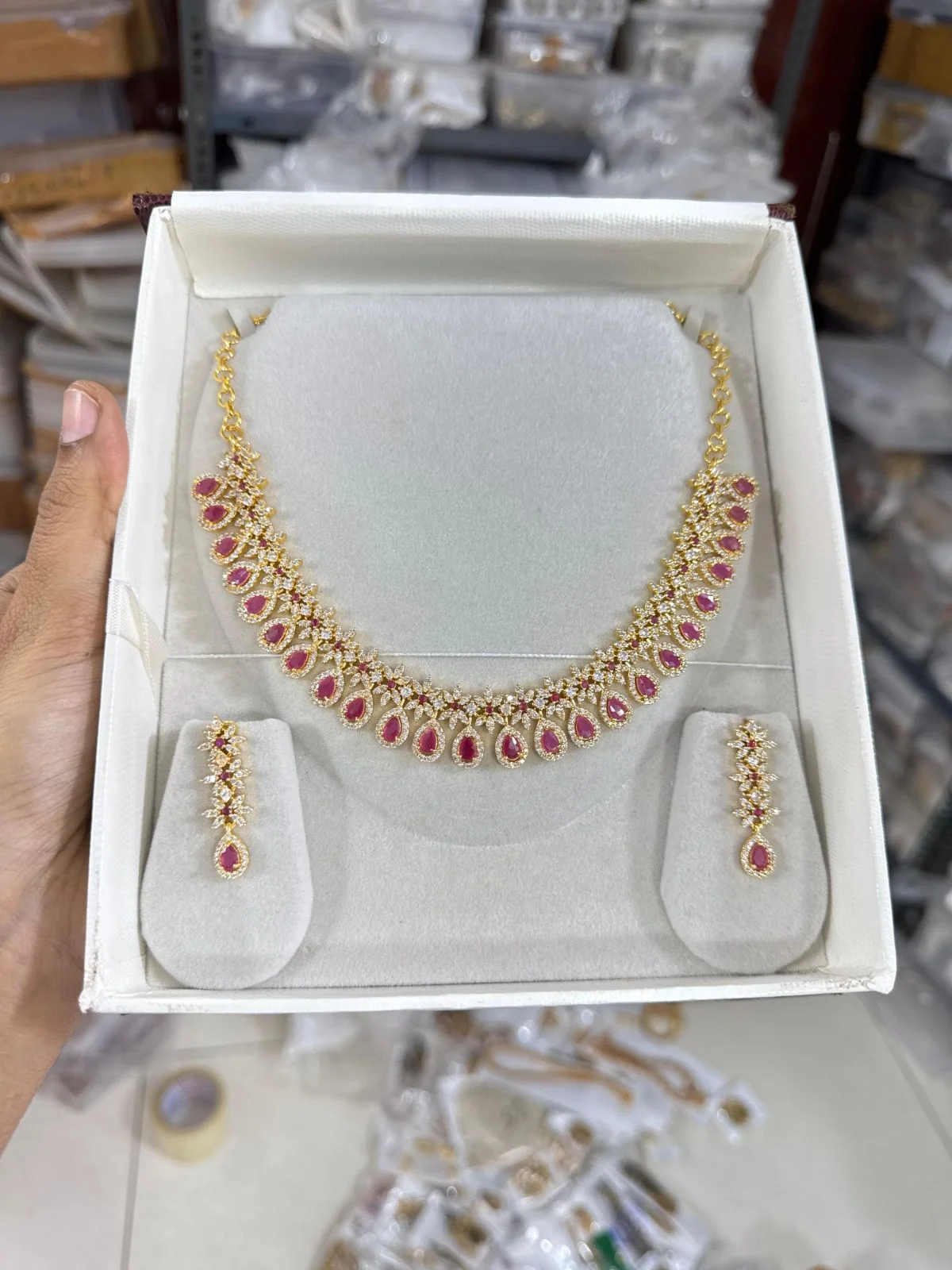
The listed products cover both raw hides (e.g., Cow Hide Rugs) and processed leather finishes (e.g., Oily Full Grain, Nubuck, Oily / Waxy Crazy Horse). Artificial jewellery appears under the category of imitation jewellery. The catalogue does not specify quantities, container sizes, or certification status. The supplier’s origin is Hong Kong, and no city or region is indicated. No corporate history, employee count, or client references are included.
Product Range and Specialties of Oceanic Minotaur Trading Comp
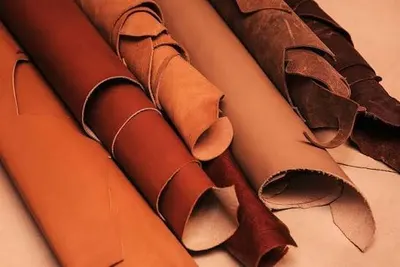
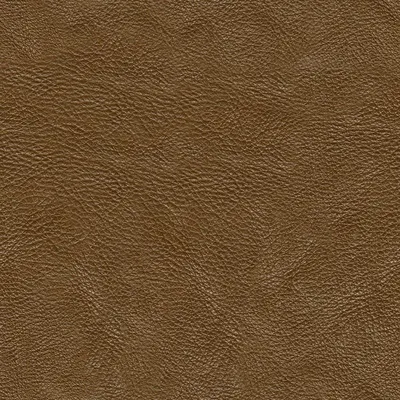
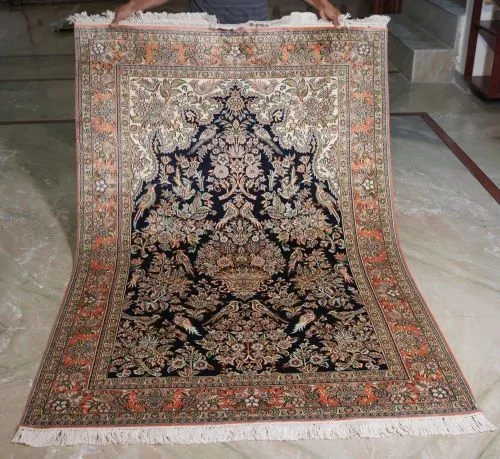
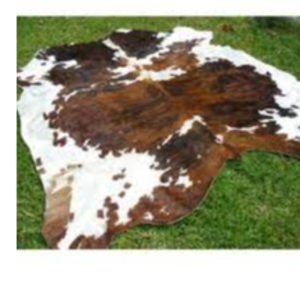
The catalogue’s leather line comprises full‑grain, nubuck and oily/waxy “Crazy Horse” finishes, which are common grades in the global leather market. Full‑grain leather is typically graded by thickness ranging from 0.8 mm to 1.2 mm and by grain surface quality, while nubuck is a sand‑finished top‑grain leather valued for its velvety feel. Oily or waxy Crazy Horse finishes are treated with waxes to enhance durability and water resistance, often supplied in 3 mm to 5 mm thickness for upholstery or fashion applications. Cow hide rugs are usually sold as hand‑tied or tufted pieces measuring approximately 2 m × 3 m, and artificial jewellery is produced from polymer or alloy components shaped to mimic precious metals.
International buyers frequently require ISO 9001 quality‑management certification, REACH compliance for chemical treatments, and test reports on tensile strength (≥30 MPa), moisture content (≤12 %) and colour fastness (ISO 105‑B02). The International Council of Tanners (ICT) grading system is also used to verify leather grade. Samples are often requested to confirm surface finish and dimensional tolerances.
Trade and Export Information - Oceanic Minotaur Trading Comp
Hong Kong serves as a major re‑export hub for leather goods, with shipments commonly directed to Europe, North America and the Middle East. Leather products are classified under HS Chapter 41, with full‑grain leather typically using HS 4104 90 and coated or split leather using HS 4105 90. Importers usually request a certificate of origin, a phytosanitary certificate for raw hides, and compliance documents such as ISO 9001 or REACH for chemical finishes. Standard Incoterms include FOB Hong Kong Port or CIF to the buyer’s destination, and container loads are often 20‑ft (≈12 m³) or 40‑ft (≈24 m³) for bulk leather sheets.
Export logistics from Hong Kong involve moisture control and protection against UV exposure; pallets are wrapped in breathable film and stacked on wooden crates. Buyers in the fashion and automotive upholstery sectors typically require pre‑shipment inspection reports and laboratory analysis of dye fastness. Artificial jewellery exports are strongest to Southeast Asia and the United States, where alloy content regulations are enforced.
Sourcing from Oceanic Minotaur Trading Comp - Buyer Guidance
When sourcing from Oceanic Minotaur Trading Comp, buyers should request product specification sheets that detail leather thickness, finish type and any chemical treatments applied. Sample pieces should be evaluated for tensile strength, tear resistance and moisture content, and the supplier should provide laboratory test reports aligned with ISO 3377 for leather. It is advisable to verify the presence of ISO 9001 or REACH compliance certificates, even though the supplier’s own certifications are not listed.
Buyers should confirm packaging details - whether leather is shipped in folded sheets, rolled rolls, or on wooden pallets - and clarify container loading plans. Minimum order quantities for bulk leather often start at one 20‑ft container (≈12 m³), while smaller orders may be accommodated in less‑than‑container‑load (LCL) shipments. Lead times for processed leather finishes typically range from 30 to 45 days after order confirmation, subject to hide availability and finishing schedules.
Frequently Asked Questions About Oceanic Minotaur Trading Comp
What types of leather does Oceanic Minotaur Trading Comp offer?
The catalogue lists cow leather in full‑grain, nubuck, and oily or waxy Crazy Horse finishes, as well as cow hide rugs. These are standard leather grades used in upholstery and fashion applications.
Are HS codes provided for the products?
The supplied data does not include HS codes. Leather products are commonly classified under HS 4104 90 for full‑grain leather and HS 4105 90 for coated or split leather.
Which certifications should a buyer request for these leather goods?
Buyers typically request ISO 9001 quality‑management certification, REACH compliance for chemical finishes, and a phytosanitary certificate for raw hides. Providing these documents helps meet most import regulations.
What documentation is needed for artificial jewellery?
For imitation jewellery, buyers usually ask for a material safety data sheet (MSDS), a declaration of non‑metal content, and any relevant CE or ASTM compliance certificates. These documents verify safety and material conformity.
What are typical packaging and shipping methods for the leather items?
Leather is generally packed in breathable film on wooden pallets, with container loads of 20‑ft or 40‑ft. Shipping terms often use FOB Hong Kong or CIF to the destination port.
What is a realistic lead time for a full‑grain leather order?
Lead times for processed leather finishes such as full‑grain or Crazy Horse range from 30 to 45 days after order confirmation, depending on hide availability. Seasonal demand can affect the schedule.
How can a buyer verify product quality before placing a full order?
Buyers should request sample swatches and laboratory test reports covering tensile strength (≥30 MPa), moisture content (≤12 %), and colour‑fastness according to ISO 105‑B02. Reviewing these reports helps confirm compliance with industry standards.




 , Hong Kong