Agriculture›
 Apparel and fashion accessories›
 Construction & real estate›💡Electronic & Electrical›🍎Food & Beverages›🛋️Home furnishing & supplies›⚗️Industrial goods & chemical›🪨Minerals & metals›📦Miscellaneous›Agriculture›Apparel and fashion accessories›Construction & real estate›💡Electronic & Electrical›🍎Food & Beverages›🛋️Home furnishing & supplies›⚗️Industrial goods & chemical›🪨Minerals & metals›📦Miscellaneous›
Nurzhan Product Catalog
About Nurzhan - Petroleum By Products Supplier in Kazakhstan
Based in Kazakhstan, Nurzhan lists seven active products across four main categories: Petroleum By Products, LPG/LNG & CNG, Coke, and Crude Oil. The catalogue includes Mazut fuel oil, liquefied natural gas (LNG), petroleum coke (PetCoke), crude oil, a combined LNG/LPG/Gas offering, general petroleum products, and an additional pet coke entry. These entries cover both refined fuel grades and unrefined crude streams that are typical in bulk energy trade. The supplier is classified under the “harbor” trust tier, indicating a certain level of trade reliability.
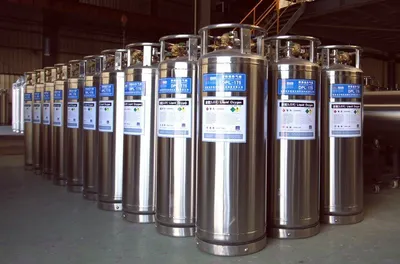
The product set reflects standard market segments for downstream oil and gas supply, ranging from heavy fuel oil (Mazut) used in power generation to bulk petrochemical feedstock such as petroleum coke. LNG and LPG listings correspond to gas liquids that are commonly shipped in cryogenic tankers, while crude oil represents a range of API gravity grades. The inclusion of generic “Petroleum Products” suggests additional refined outputs that may be specified upon inquiry.
Product Range and Specialties of Nurzhan
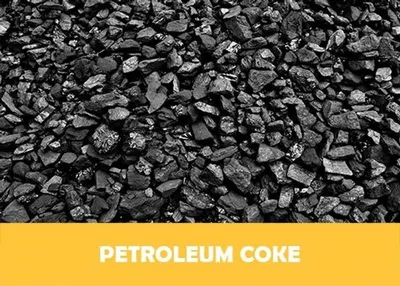
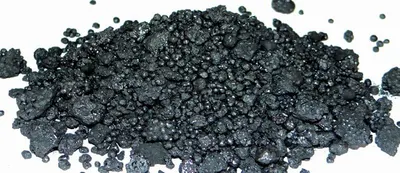
Nurzhan’s catalogue enumerates Mazut, LNG, PetCoke, crude oil, a combined LNG/LPG/Gas package, and broader petroleum products. In industry terms, Mazut aligns with heavy fuel oil grades such as ISO 8217 0.5 % sulfur content, while LNG is typically measured by methane purity above 99.5 % and a boil‑off rate of 0.12 - 0.15 % per day. Petroleum coke is classified by its calorific value, often between 7 500 and 8 000 kcal/kg, and low sulfur levels for use in metallurgical processes. Crude oil grades are described by API gravity (e.g., 30 - 40 ° API) and sulfur content, which determine suitability for refining streams.
Buyers of these energy products usually request specifications such as viscosity for Mazut, heating value for coke, and moisture content for LNG. Standard documentation includes a Certificate of Analysis (COA) and, where applicable, an API product specification sheet. Trade volumes are typically handled in metric tonnes for bulk oils and in cubic metres for LNG.
Frequently Asked Questions About Nurzhan
What product categories does Nurzhan list?
Nurzhan lists products in the petroleum by‑products segment, including Mazut fuel oil, LNG, petroleum coke (PetCoke), crude oil, a combined LNG/LPG/Gas offering, and general petroleum products.
Which HS codes are applicable to Nurzhan’s main products?
Typical HS codes are 2709 for Mazut and other fuel oils, 2710 for refined petroleum products, 2701 for natural gas and LNG, and 2704 for coke and petcoke. Exact codes should be confirmed for each shipment.
Does Nurzhan hold any certifications?
The supplied facts do not list specific certifications for Nurzhan; buyers should request copies of ISO‑9001, API, or SGS inspection certificates directly from the supplier.
How are Nurzhan’s products usually packaged for export?
Mazut and coke are loaded directly into bulk tanker ships or hold‑filled vessels, while LNG is transported in cryogenic LNG carriers using insulated containment tanks. Refined petroleum products may be moved by pipeline to the loading berth or by tanker trucks for smaller shipments.
What specifications should a buyer verify for Mazut?
Verify the sulfur content (commonly ≤0.5 % by weight), viscosity class per ISO 8217, and heating value. A Certificate of Analysis confirming these parameters is standard practice.
 Kazakhstan
Related Suppliers & Products
Explore similar suppliers, related products and trending categories