Nkadam Impex Pvt Ltd — Verified Supplier
About Nkadam Impex Pvt Ltd - Chickpeas Supplier in India
India, the supplier’s country of origin, lists six active products in its catalogue. Nkadam Impex Pvt Ltd offers rice, dried black‑eyed beans (HS 0713.59, Vigna unguiculata), black chickpeas, regular chickpeas, peanuts, and A2 type cow ghee (clarified butter). The product count of six reflects a focus on staple grains, pulses and oilseeds as well as dairy‑derived fat. Each entry aligns with distinct HS code families - rice falls under chapter 10, beans under 0713, and ghee under chapter 04 - providing clear tariff classification for international buyers.
The rice entry is a generic grain commodity without a specific variety noted, while the bean entries cover both black‑eyed and black chickpea pulses commonly used in protein‑rich meals. The chickpea line includes the standard Cicer arietinum grain, and the peanuts are listed as raw oilseed kernels. The A2 type cow ghee represents clarified butter produced from milk of cows that produce only the A2 beta‑casein protein, a specification sometimes required by niche health markets. All six items are sourced from Indian farms and processing facilities that operate under the country’s food safety regulations.
Product Range and Specialties of Nkadam Impex Pvt Ltd
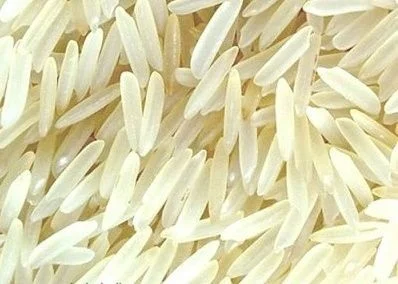
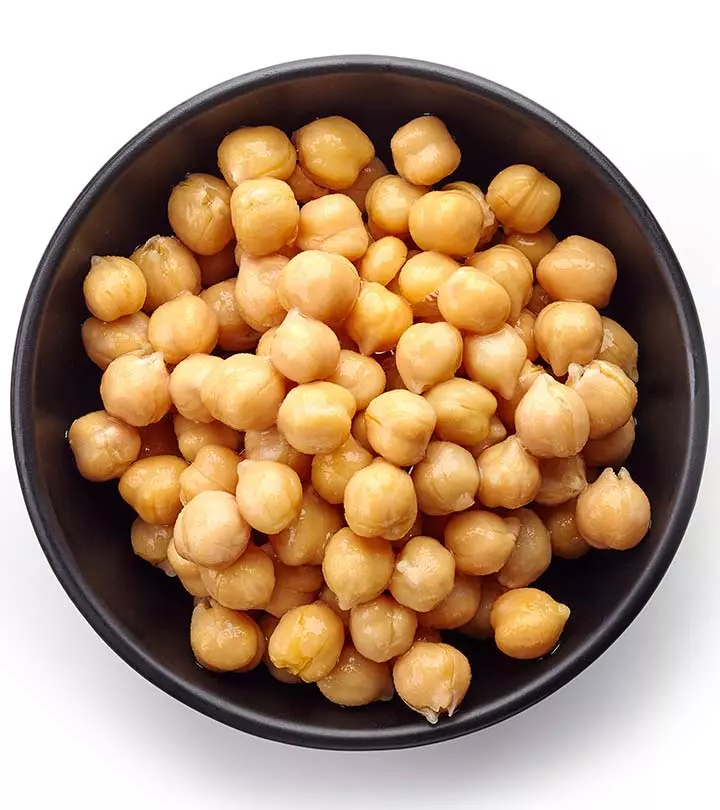
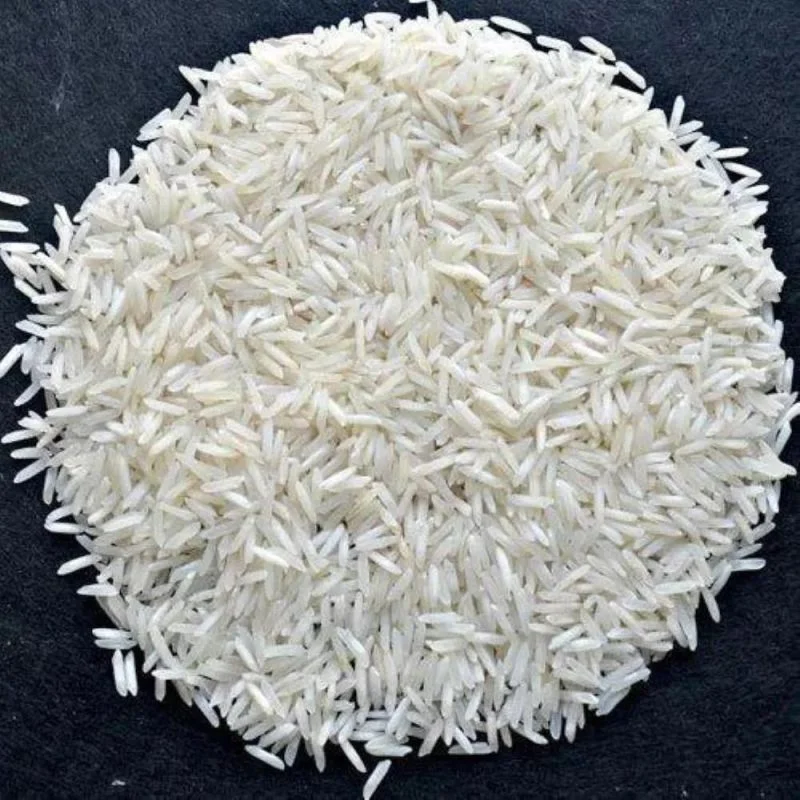
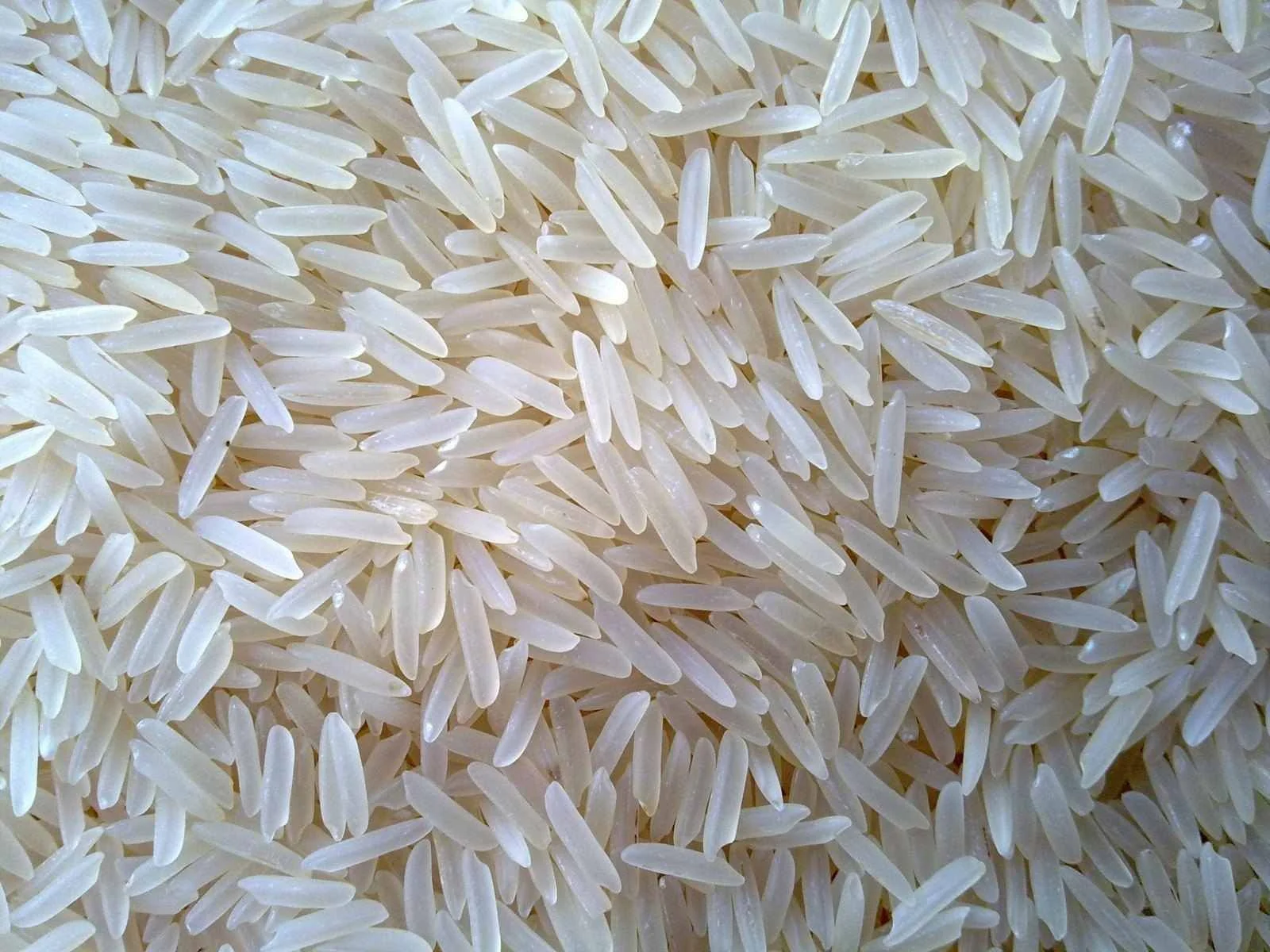
Nkadam Impex’s catalogue contains rice, two pulse varieties, peanuts and A2 cow ghee. Indian rice typically trades under HS 1006 and is classified by grain length (e.g., long‑grain Basmati 1006.30 or non‑Basmati 1006.10) with moisture limits of 14 % and broken grain ≤5 %. Black‑eyed beans (HS 0713.59) are exported as dried Vigna unguiculata, generally meeting an ICAR grade 1 standard with moisture ≤12 % and impurity ≤2 %. Black chickpeas and regular chickpeas fall under HS 0713 as well and are commonly graded by size (e.g., 10 mm ± 0.5 mm) and protein content around 20‑22 %. Indian peanuts are traded under HS 1209, usually in 25 kg bags with aflatoxin limits of 10 µg kg⁻¹ and moisture ≤6 %. A2 type cow ghee is classified under HS 0405, with typical specifications of free‑fatty‑acid ≤0.1 %, moisture ≤0.5 % and a minimum butterfat content of 99.5 %.
Standard export packaging for these commodities includes 20‑ft containers loaded with 25 kg polypropylene bags for rice and pulses, bulk sacks for peanuts, and sealed tin containers or PET jars for ghee ranging from 500 g to 1 kg. These packaging formats meet most importers’ handling and shelf‑life requirements while complying with ISPM 15 phytosanitary treatment for wood packaging.
Trade and Export Information - Nkadam Impex Pvt Ltd
India is a major exporter of rice, pulses, peanuts and ghee to markets in the Middle East, Africa, Southeast Asia and Europe. HS chapter 10 (rice) and chapter 07 (pulses) are among the most traded agricultural codes, with buyers often requiring ISO 22000, HACCP or FSSAI certification and a phytosanitary certificate for raw commodities. Ghee (HS 0405) frequently demands a halal certificate for Muslim‑majority destinations and a Kosher audit for certain European buyers. Peanuts (HS 1209) are subject to stringent aflatoxin testing and may need a USDA‑APHIS import permit for the United States.
Export shipments from Indian ports such as Nhava Sheva or Mundra are commonly quoted on FOB terms, with buyers arranging CIF to their destination ports. Full‑load 20‑ft containers can hold approximately 20 metric tonnes of rice or pulses, while a 40‑ft container accommodates up to 38 tonnes of bulk peanuts. Ghee is usually shipped in smaller cartons, with a 20‑ft container carrying roughly 1,200 kg of sealed tins. Importers should verify that the supplier can provide SGS or Bureau Veritas inspection reports aligned with the destination country’s customs requirements.
Sourcing from Nkadam Impex Pvt Ltd - Buyer Guidance
Prospective buyers should request a product specification sheet that details moisture content, impurity levels, size distribution (for pulses) and free‑fatty‑acid values (for ghee). For rice and pulses, a recent laboratory analysis confirming compliance with ICAR grade standards and pesticide residue limits under Codex Alimentarius is advisable. Ghee buyers often ask for a halal certificate, a shelf‑life study and a peroxide value test to ensure oxidative stability.
Samples should be supplied in the same packaging intended for the full order, and a third‑party inspection report (e.g., SGS) should accompany the commercial invoice. Typical minimum order quantities are 20 MT for rice, 5 MT for each pulse variety, 10 MT for peanuts and 2 MT for ghee, with lead times ranging from 30 to 45 days from order confirmation, depending on product and shipping schedule.
Frequently Asked Questions About Nkadam Impex Pvt Ltd
What pulse varieties are listed by Nkadam Impex?
The catalogue includes dried black‑eyed beans (Vigna unguiculata) classified under HS 0713.59, black chickpeas and regular chickpeas, both falling under the HS 0713 pulse family.
Which HS codes apply to the rice and ghee products?
Rice is generally covered by HS chapter 10 (e.g., 1006), while A2 type cow ghee is classified under HS 0405 for clarified butter.
What quality parameters are typical for the black‑eyed beans offered?
Buyers usually require moisture ≤ 12 %, impurity ≤ 2 % and an ICAR grade 1 specification, with a test report confirming these limits.
What certifications should a buyer request for the peanuts?
For Indian peanuts, request an FSSAI license, an aflatoxin test report (≤ 10 µg kg⁻¹) and a phytosanitary certificate; many importers also ask for ISO 22000 compliance.
How is A2 type cow ghee packaged for export?
The ghee is typically packed in sealed tin cans or PET jars ranging from 500 g to 1 kg, stacked in cartons that fit a 20‑ft container (approximately 1,200 kg total).
What are the typical shipment terms and container loads for rice?
Shipments are often quoted FOB from Indian ports, with a full 20‑ft container holding about 20 metric tonnes of rice; CIF terms may be arranged by the buyer.
What documentation is essential before placing a purchase order?
Essential documents include a commercial invoice, packing list, certificate of origin, phytosanitary certificate and a recent third‑party lab analysis covering moisture, pesticide residues and, where applicable, halal or Kosher certification.




 , India