Next Level Sourcing — Supplier
About Next Level Sourcing - Building Materials Supplier in United States
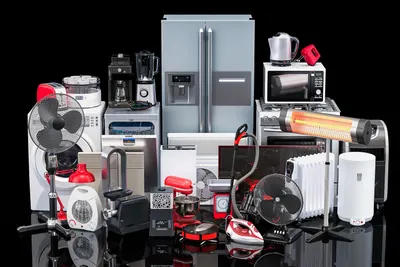
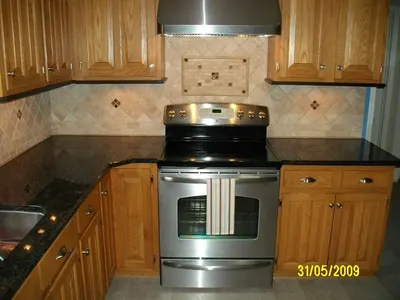
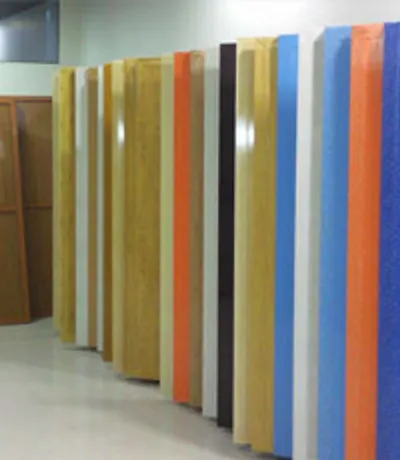
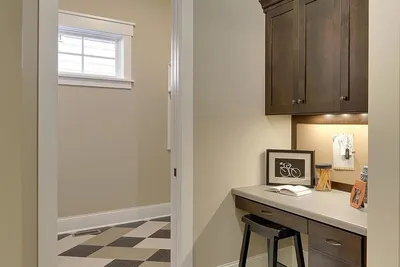
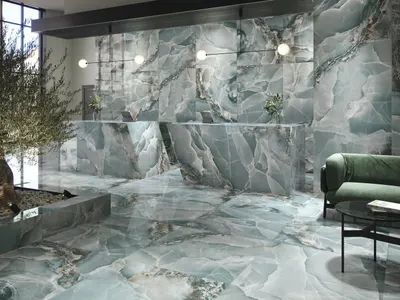
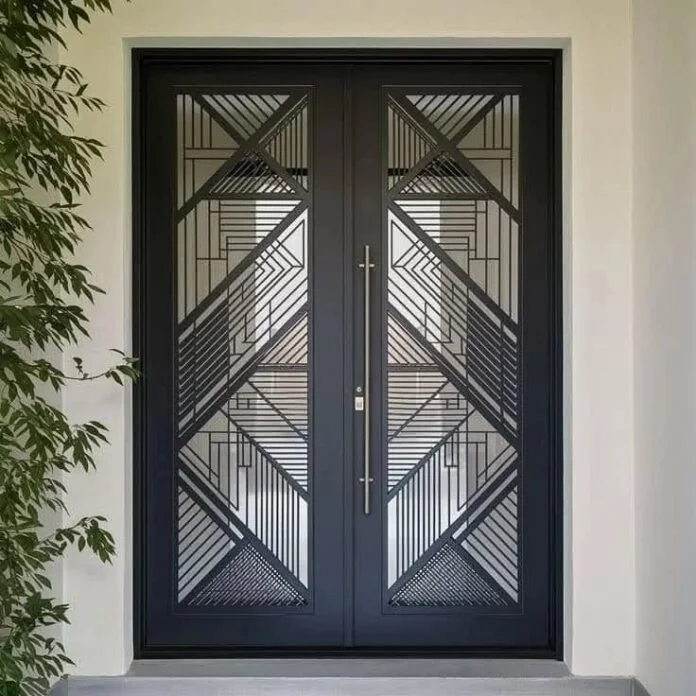
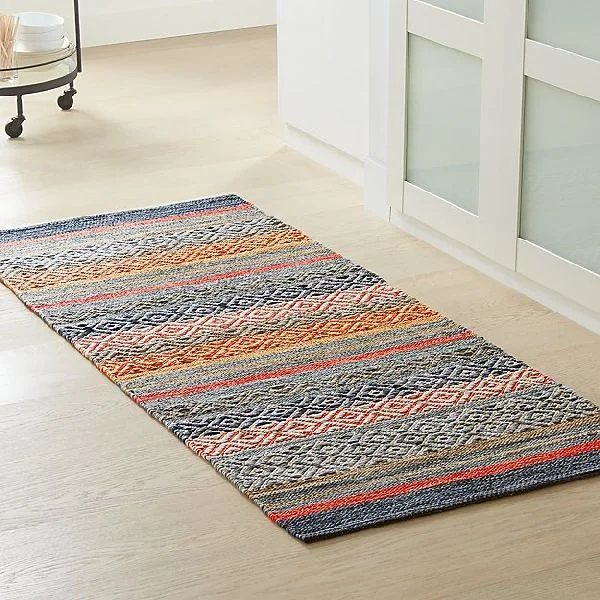
Next Level Sourcing, based in the United States, offers a diverse range of building materials with 16 active products. The company's product catalogue includes Quartz Countertops, Accent Furniture, Ceramic Tile, Fiberglass Doors, Laminate Flooring, Wood Flooring, Wood External Doors, Iron Doors, Interior Doors, Porcelain Tile, Plumbing Fixtures, Cabinets, Door Hardware, Rugs, Granite Countertops, and Appliances. These products cater to various construction and renovation needs, with specific materials and HS codes assigned to each product, such as Fiberglass Reinforced Polymer (FRP) for Fiberglass Doors, and Solid Hardwood or Softwood for Wood External Doors.
The United States, with its developed infrastructure and stringent quality standards, is an ideal origin country for these building materials. Next Level Sourcing's location allows for efficient logistics and export operations, particularly for products like Wood External Doors, which are classified under HS code 4418.20, and Iron Doors, classified under HS code 7308.30. The company's product range is enriched by the country's expertise in manufacturing and exporting quality building materials, with typical grades and standards including ASTM and ANSI certifications.
Product Range and Specialties of Next Level Sourcing
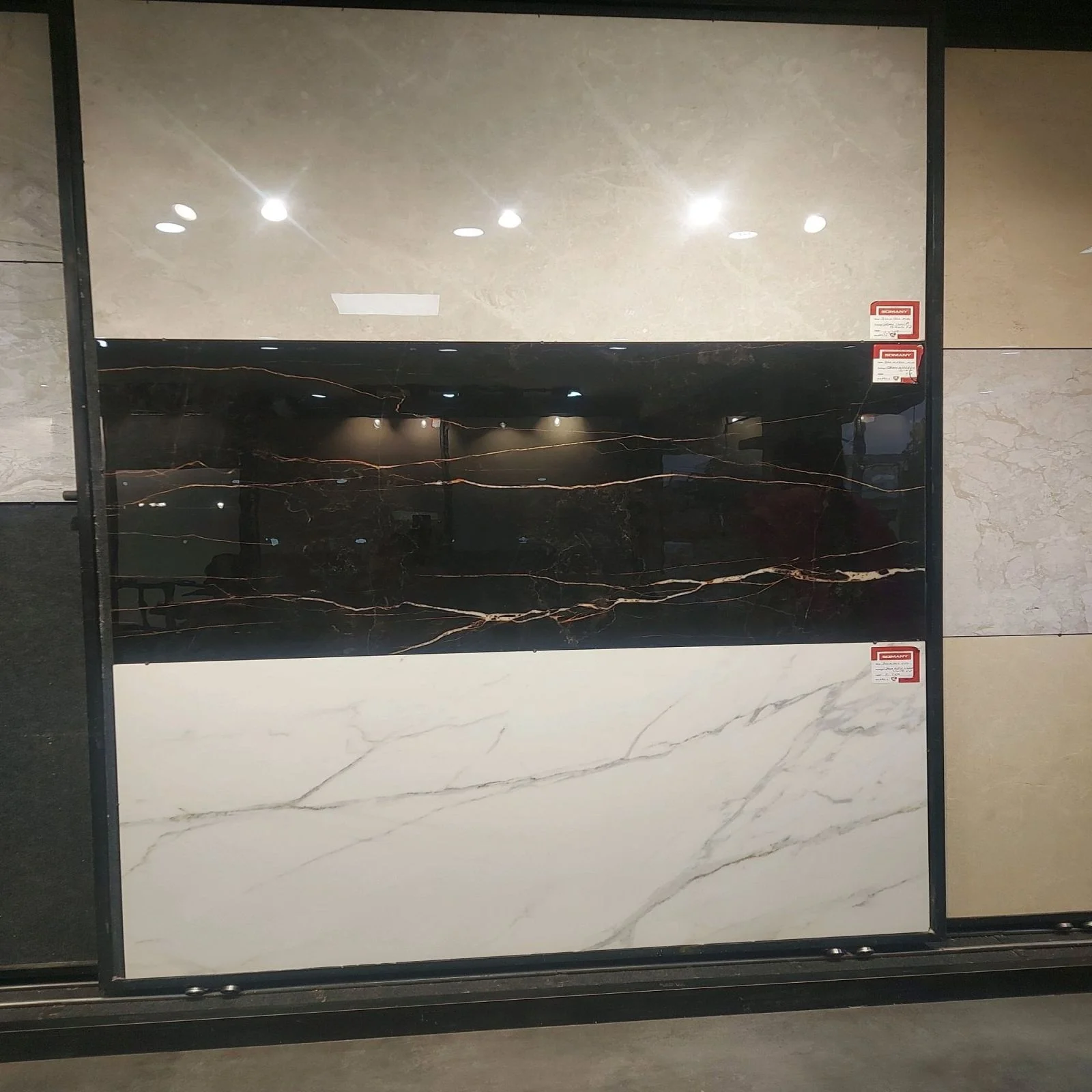
Next Level Sourcing's product range encompasses various building materials, including doors, flooring, countertops, and fixtures. For instance, their Fiberglass Doors are made from Fiberglass Reinforced Polymer (FRP), while their Wood External Doors are crafted from Solid Hardwood or Softwood. The company's Ceramic Tile and Porcelain Tile products are also notable, with typical industry standards including ICUMSA and ISO certifications. Buyers can expect to find a range of materials and specifications, such as 12 Gauge Steel for Iron Doors, and Engineered Wood Core with Wood Veneer or MDF Skin for Interior Doors.
The supplier's catalogue is further enriched by industry knowledge, with typical grades and standards for building materials including moisture resistance, thermal insulation, and durability. For example, Laminate Flooring typically has a thickness of 8-10 mm, while Wood Flooring often has a thickness of 15-20 mm. These specifications, along with the HS code families and materials, provide a comprehensive understanding of the products offered by Next Level Sourcing.
Trade and Export Information - Next Level Sourcing
Exporters of building materials from the United States, like Next Level Sourcing, typically cater to regions with high construction demands, such as the Middle East, Asia, and Europe. The HS code families involved, such as 4418.20 for Wood External Doors, and 7308.30 for Iron Doors, play a crucial role in determining the export regulations and requirements. Buyers from these regions usually require certifications like ASTM and ANSI, as well as compliance with local building codes and standards.
The origin country's export context also influences the trade, with the United States being a significant exporter of building materials. The country's expertise in manufacturing and logistics enables efficient export operations, particularly for products like Plumbing Fixtures, which are classified under HS code 7307.93. The supplier's location in the United States allows for easy access to major ports and transportation hubs, facilitating the export of their products to various regions worldwide.
Sourcing from Next Level Sourcing - Buyer Guidance
When sourcing from Next Level Sourcing, buyers should request specifications, samples, and test reports to ensure the products meet their requirements. For instance, buyers should verify the moisture resistance and thermal insulation properties of Laminate Flooring, and the durability and strength of Wood External Doors. It is also essential to request certifications like ASTM and ANSI, as well as compliance with local building codes and standards.
Buyers should also be aware of the typical quality parameters and tests for building materials, such as the ICUMSA standard for Ceramic Tile, and the ISO standard for Porcelain Tile. By verifying these parameters and requesting the necessary certifications, buyers can ensure they receive quality products that meet their needs. Additionally, buyers should confirm the packaging and shipping details, including the use of Incoterms like CIF or FOB, to ensure smooth logistics and export operations.
Frequently Asked Questions About Next Level Sourcing
What is the typical material used for Fiberglass Doors?
Fiberglass Reinforced Polymer (FRP) - Glass Fiber Mat with Polyester or Vinyl Ester Resin. Buyers should verify the material composition and request samples to ensure the product meets their requirements.
What is the HS code for Wood External Doors?
4418.20. Buyers should be aware of the HS code and its implications for export regulations and requirements.
What certifications are typically required for building materials in the United States?
ASTM and ANSI certifications are commonly required. Buyers should request these certifications and verify compliance with local building codes and standards.
What is the typical thickness of Laminate Flooring?
8-10 mm. Buyers should verify the thickness and other specifications to ensure the product meets their requirements.
What is the MOQ and lead time for Next Level Sourcing's products?
The MOQ and lead time vary depending on the product and buyer's requirements. Buyers should confirm these details with the supplier to ensure smooth logistics and export operations.
What packaging and shipping options are available for Next Level Sourcing's products?
The supplier offers various packaging and shipping options, including the use of Incoterms like CIF or FOB. Buyers should confirm the packaging and shipping details to ensure smooth logistics and export operations.
How do I verify the quality of Next Level Sourcing's products?
Buyers should request test reports, certifications, and samples to verify the quality of the products. They should also verify the supplier's compliance with local building codes and standards.




 , United States