Navisatin Asian Company — Verified Supplier

About Navisatin Asian Company - Fresh Fruits and Spices Supplier in China

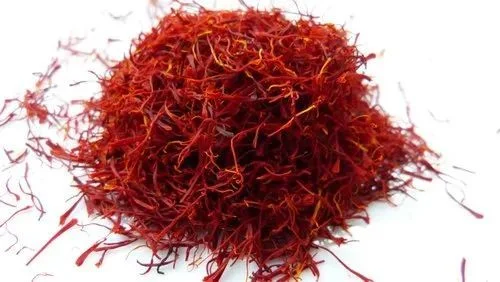
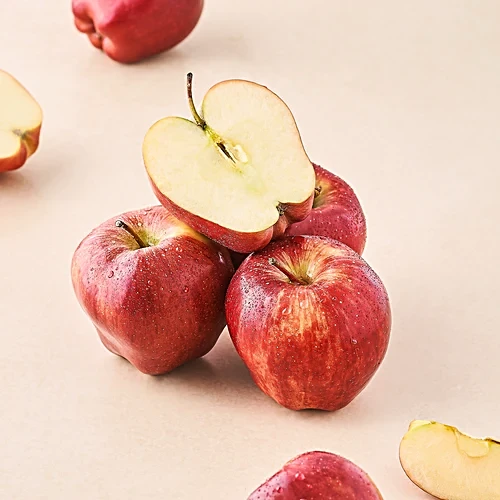
China‑based Navisatin Asian Company lists fourteen active products across fresh fruit and spice categories. The catalogue includes saffron, coriander seeds, cumin seeds, fennel seeds, fresh garlic, green kiwi (Hyward Kiwi), grape, cherry, tomato and cherry tomato, pomegranate, pear, apple, date and cucumber. Apple is specifically identified with HS code 0808.10 and classified as Fresh Fruit - Malus Domestica, providing a clear customs reference for importers.

The company’s product set spans typical Chinese export items such as high‑value saffron and a broad selection of temperate and subtropical fruits. Seed spices are presented without individual HS codes, but they fall under HS chapter 09 (spices and aromatic vegetables). The fresh produce items align with HS chapters 07 and 08 for vegetables and fruits, respectively, giving buyers a ready reference for tariff classification and documentation.

Product Range and Specialties of Navisatin Asian Company

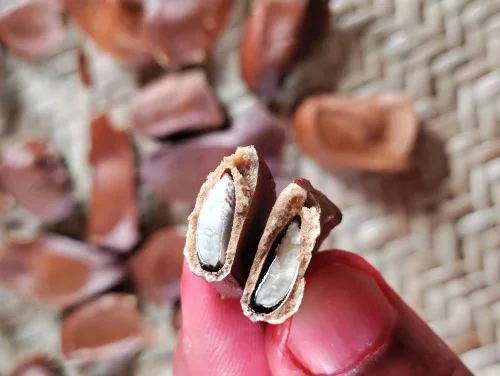
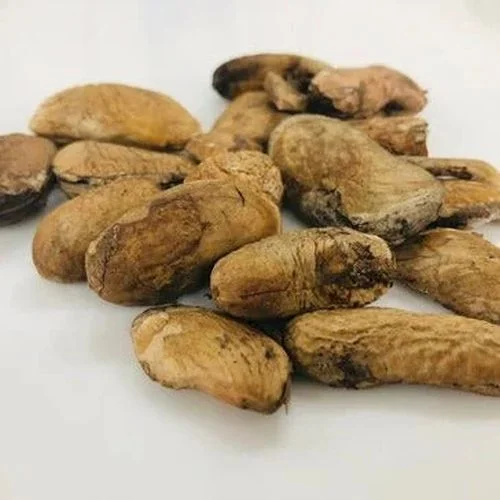
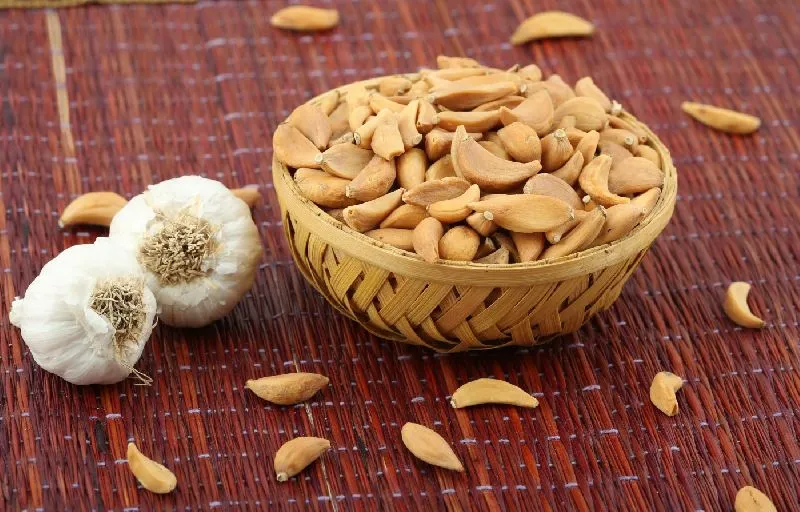
Navisatin Asian Company’s catalogue covers saffron, coriander, cumin and fennel seeds, each commonly traded in bulk bags of 25 kg or 50 kg. In the spice market, ISO 3632 grading (e.g., ISO 3632‑1 for saffron) and moisture limits below 12 % are typical specifications. Fresh garlic is usually supplied in mesh bags of 10 kg with a moisture content not exceeding 18 %. Green kiwi, grapes, cherries, pomegranates, pears, dates and cucumbers are generally packed in ventilated cartons of 10 kg to 20 kg, with cold‑chain handling to preserve freshness. Apples, identified under HS 0808.10, are often sorted by size (e.g., 65‑75 mm) and graded by skin colour and sugar content (Brix 11‑13).

Trade and Export Information - Navisatin Asian Company

China exports large volumes of spices and fresh fruit to the European Union, the United States, the Middle East and Southeast Asian markets. HS chapter 09 for spices and HS chapter 08 for fresh fruit are subject to phytosanitary inspection and may require a Plant Protection Certificate under the IPPC framework. Typical buyer‑required certifications include GlobalGAP, ISO 22000, HACCP and, for organic claims, USDA‑NOP or EU‑organic certificates. Export logistics often use refrigerated containers (40 ft Reefer) for perishable fruit, with Incoterms such as FOB Shanghai or CIF EU ports. Chinese exporters commonly employ wooden pallets treated to ISPM 15 standards for compliance with international wood packaging regulations.

Sourcing from Navisatin Asian Company - Buyer Guidance

Buyers should request a phytosanitary certificate, a commodity‑specific certificate of origin, and any applicable quality certificates (e.g., GlobalGAP or ISO 22000) before confirming an order. For spices, request a laboratory analysis report showing ISO 3632 colour strength for saffron and pesticide residue limits compliant with EU maximum residue levels. For fresh fruit, ask for Brix measurements, moisture content, and a recent inspection report confirming compliance with the importing country's cold‑chain standards. Verify packaging details - mesh bags for seeds, ventilated cartons for fruit, and refrigerated container space - and confirm the minimum order quantity and lead time for each product line.

Frequently Asked Questions About Navisatin Asian Company

What spice products does Navisatin Asian Company offer?

The catalogue lists saffron, coriander seeds, cumin seeds and fennel seeds. These are typically shipped in 25 kg or 50 kg bulk bags and are expected to meet ISO 3632 grading for colour strength and moisture limits below 12 %.

Which fresh fruits are available and how are they packaged?

Fresh produce includes green kiwi, grape, cherry, tomato, pomegranate, pear, apple (HS 0808.10), date and cucumber. Standard packaging is ventilated cartons of 10 kg - 20 kg, often consolidated into refrigerated 40 ft containers for export.

Does the supplier provide any certifications?

No specific certifications are listed in the supplier facts. Buyers should request GlobalGAP, ISO 22000, HACCP or any other relevant certificates directly from the supplier as part of the sourcing process.

What documentation is required for importing the spices?

Importers normally require a phytosanitary certificate, a certificate of origin, and a laboratory analysis report confirming ISO 3632 colour grade for saffron and compliance with EU pesticide residue limits for the other seeds.

What are the typical MOQ and lead time for fresh fruit shipments?

Minimum order quantities usually start at one standard 20 ft container (approximately 12‑15 tons) for most fruits, with lead times ranging from 25 to 45 days depending on seasonality and harvest schedules.

How are apples classified for customs purposes?

Apples are classified under HS code 0808.10 as Fresh Fruit - Malus Domestica. Importers should provide the HS code on all shipping documents and may need to present a phytosanitary certificate and size/grade specification sheet.

What shipping terms are commonly used for these products?

Typical Incoterms include FOB Shanghai for bulk spice shipments and CIF or DAP for refrigerated fruit containers destined for Europe or North America.

Are there any special handling requirements for the fresh produce?

Fresh produce requires temperature‑controlled transport, usually at 0 °C ± 2 °C for apples and grapes, and 4 °C ± 2 °C for kiwi, tomato and cucumber. Humidity control and proper ventilation are also essential to maintain shelf life during transit.


Featured Products from this Supplier

Other Suppliers in Primary Category

Top Trusted Suppliers

Related Products

Trending in Parent Category

More Suppliers in Category

Related Products

Other Suppliers

EximNext
58.5K+ live requirements
Register Free🎁 Reach verified global buyers
Post Requirement
🌍 Trusted by 224.6K+ businesses in 200+ countries|
58.5K+ active requirements right now
✉️ [email protected]
|
Sell on EximNextPost Requirement
EximNext
AgricultureApparelConstructionElectronicFoodHomeIndustrialMineralsMiscellaneous
🔥 Deals|✨ AI Match|🏭 Suppliers|📋 Buy Leads|💰 Trade Finance
58.5K+ live RFQs·194.6K+ suppliers
🎁 Reach global buyers →
EximNext
EximNext
Register Free
🎁 Reach verified global buyers
Sign In
📋Post Requirement💬Get QuotesAI Match📋RFQ Marketplace
All Categories
Services & Tools
🏭Supplier Directory🔥Today's Deals💰Trade Finance
Sell on EximNext
AboutContactBlogHelp
🏭

Navisatin Asian Company

Harbor
Country flag , China
🛡️
55/100
Trust Score

Navisatin Asian Company Product Catalog

Showing 12 of 14 products
View all products →
Saffron
Harbor
Saffron
Contact
MOQ: 1 Unit
Coriander Seeds
Harbor
Coriander Seeds
Contact
MOQ: 1 Unit
Cumin Seeds
Harbor
Cumin Seeds
Contact
MOQ: 1 Unit
Fennel Seeds
Harbor
Fennel Seeds
Contact
MOQ: 1 Unit
Garlic
Harbor
Garlic
Contact
MOQ: 1 Unit
Hyward Kiwi (green Kiwi)
Harbor
Hyward Kiwi (green Kiwi)
Contact
MOQ: 1 Unit
Grape
Harbor
Grape
Contact
MOQ: 1 Unit
Cherry
Harbor
Cherry
Contact
MOQ: 1 Unit
Tomato & Cherry Tomato
Harbor
Tomato & Cherry Tomato
Contact
MOQ: 1 Unit
Pomegranate
Harbor
Pomegranate
Contact
MOQ: 1 Unit
Pear
Harbor
Pear
Contact
MOQ: 1 Unit
Apple
Harbor
Apple
Contact
MOQ: 1 Unit

About Navisatin Asian Company - Fresh Fruits and Spices Supplier in China

China‑based Navisatin Asian Company lists fourteen active products across fresh fruit and spice categories. The catalogue includes saffron, coriander seeds, cumin seeds, fennel seeds, fresh garlic, green kiwi (Hyward Kiwi), grape, cherry, tomato and cherry tomato, pomegranate, pear, apple, date and cucumber. Apple is specifically identified with HS code 0808.10 and classified as Fresh Fruit - Malus Domestica, providing a clear customs reference for importers.

The company’s product set spans typical Chinese export items such as high‑value saffron and a broad selection of temperate and subtropical fruits. Seed spices are presented without individual HS codes, but they fall under HS chapter 09 (spices and aromatic vegetables). The fresh produce items align with HS chapters 07 and 08 for vegetables and fruits, respectively, giving buyers a ready reference for tariff classification and documentation.

Product Range and Specialties of Navisatin Asian Company

Navisatin Asian Company’s catalogue covers saffron, coriander, cumin and fennel seeds, each commonly traded in bulk bags of 25 kg or 50 kg. In the spice market, ISO 3632 grading (e.g., ISO 3632‑1 for saffron) and moisture limits below 12 % are typical specifications. Fresh garlic is usually supplied in mesh bags of 10 kg with a moisture content not exceeding 18 %. Green kiwi, grapes, cherries, pomegranates, pears, dates and cucumbers are generally packed in ventilated cartons of 10 kg to 20 kg, with cold‑chain handling to preserve freshness. Apples, identified under HS 0808.10, are often sorted by size (e.g., 65‑75 mm) and graded by skin colour and sugar content (Brix 11‑13).

Trade and Export Information - Navisatin Asian Company

China exports large volumes of spices and fresh fruit to the European Union, the United States, the Middle East and Southeast Asian markets. HS chapter 09 for spices and HS chapter 08 for fresh fruit are subject to phytosanitary inspection and may require a Plant Protection Certificate under the IPPC framework. Typical buyer‑required certifications include GlobalGAP, ISO 22000, HACCP and, for organic claims, USDA‑NOP or EU‑organic certificates. Export logistics often use refrigerated containers (40 ft Reefer) for perishable fruit, with Incoterms such as FOB Shanghai or CIF EU ports. Chinese exporters commonly employ wooden pallets treated to ISPM 15 standards for compliance with international wood packaging regulations.

Sourcing from Navisatin Asian Company - Buyer Guidance

Buyers should request a phytosanitary certificate, a commodity‑specific certificate of origin, and any applicable quality certificates (e.g., GlobalGAP or ISO 22000) before confirming an order. For spices, request a laboratory analysis report showing ISO 3632 colour strength for saffron and pesticide residue limits compliant with EU maximum residue levels. For fresh fruit, ask for Brix measurements, moisture content, and a recent inspection report confirming compliance with the importing country's cold‑chain standards. Verify packaging details - mesh bags for seeds, ventilated cartons for fruit, and refrigerated container space - and confirm the minimum order quantity and lead time for each product line.

Frequently Asked Questions About Navisatin Asian Company

What spice products does Navisatin Asian Company offer?

The catalogue lists saffron, coriander seeds, cumin seeds and fennel seeds. These are typically shipped in 25 kg or 50 kg bulk bags and are expected to meet ISO 3632 grading for colour strength and moisture limits below 12 %.

Which fresh fruits are available and how are they packaged?

Fresh produce includes green kiwi, grape, cherry, tomato, pomegranate, pear, apple (HS 0808.10), date and cucumber. Standard packaging is ventilated cartons of 10 kg - 20 kg, often consolidated into refrigerated 40 ft containers for export.

Does the supplier provide any certifications?

No specific certifications are listed in the supplier facts. Buyers should request GlobalGAP, ISO 22000, HACCP or any other relevant certificates directly from the supplier as part of the sourcing process.

What documentation is required for importing the spices?

Importers normally require a phytosanitary certificate, a certificate of origin, and a laboratory analysis report confirming ISO 3632 colour grade for saffron and compliance with EU pesticide residue limits for the other seeds.

What are the typical MOQ and lead time for fresh fruit shipments?

Minimum order quantities usually start at one standard 20 ft container (approximately 12‑15 tons) for most fruits, with lead times ranging from 25 to 45 days depending on seasonality and harvest schedules.

How are apples classified for customs purposes?

Apples are classified under HS code 0808.10 as Fresh Fruit - Malus Domestica. Importers should provide the HS code on all shipping documents and may need to present a phytosanitary certificate and size/grade specification sheet.

What shipping terms are commonly used for these products?

Typical Incoterms include FOB Shanghai for bulk spice shipments and CIF or DAP for refrigerated fruit containers destined for Europe or North America.

Are there any special handling requirements for the fresh produce?

Fresh produce requires temperature‑controlled transport, usually at 0 °C ± 2 °C for apples and grapes, and 4 °C ± 2 °C for kiwi, tomato and cucumber. Humidity control and proper ventilation are also essential to maintain shelf life during transit.

About Navisatin Asian Company - Fresh Fruits and Spices Supplier in China

China‑based Navisatin Asian Company lists fourteen active products across fresh fruit and spice categories. The catalogue includes saffron, coriander seeds, cumin seeds, fennel seeds, fresh garlic, green kiwi (Hyward Kiwi), grape, cherry, tomato and cherry tomato, pomegranate, pear, apple, date and cucumber. Apple is specifically identified with HS code 0808.10 and classified as Fresh Fruit - Malus Domestica, providing a clear customs reference for importers.

The company’s product set spans typical Chinese export items such as high‑value saffron and a broad selection of temperate and subtropical fruits. Seed spices are presented without individual HS codes, but they fall under HS chapter 09 (spices and aromatic vegetables). The fresh produce items align with HS chapters 07 and 08 for vegetables and fruits, respectively, giving buyers a ready reference for tariff classification and documentation.

Product Range and Specialties of Navisatin Asian Company

Navisatin Asian Company’s catalogue covers saffron, coriander, cumin and fennel seeds, each commonly traded in bulk bags of 25 kg or 50 kg. In the spice market, ISO 3632 grading (e.g., ISO 3632‑1 for saffron) and moisture limits below 12 % are typical specifications. Fresh garlic is usually supplied in mesh bags of 10 kg with a moisture content not exceeding 18 %. Green kiwi, grapes, cherries, pomegranates, pears, dates and cucumbers are generally packed in ventilated cartons of 10 kg to 20 kg, with cold‑chain handling to preserve freshness. Apples, identified under HS 0808.10, are often sorted by size (e.g., 65‑75 mm) and graded by skin colour and sugar content (Brix 11‑13).

Trade and Export Information - Navisatin Asian Company

China exports large volumes of spices and fresh fruit to the European Union, the United States, the Middle East and Southeast Asian markets. HS chapter 09 for spices and HS chapter 08 for fresh fruit are subject to phytosanitary inspection and may require a Plant Protection Certificate under the IPPC framework. Typical buyer‑required certifications include GlobalGAP, ISO 22000, HACCP and, for organic claims, USDA‑NOP or EU‑organic certificates. Export logistics often use refrigerated containers (40 ft Reefer) for perishable fruit, with Incoterms such as FOB Shanghai or CIF EU ports. Chinese exporters commonly employ wooden pallets treated to ISPM 15 standards for compliance with international wood packaging regulations.

Sourcing from Navisatin Asian Company - Buyer Guidance

Buyers should request a phytosanitary certificate, a commodity‑specific certificate of origin, and any applicable quality certificates (e.g., GlobalGAP or ISO 22000) before confirming an order. For spices, request a laboratory analysis report showing ISO 3632 colour strength for saffron and pesticide residue limits compliant with EU maximum residue levels. For fresh fruit, ask for Brix measurements, moisture content, and a recent inspection report confirming compliance with the importing country's cold‑chain standards. Verify packaging details - mesh bags for seeds, ventilated cartons for fruit, and refrigerated container space - and confirm the minimum order quantity and lead time for each product line.

Frequently Asked Questions About Navisatin Asian Company
What spice products does Navisatin Asian Company offer?
The catalogue lists saffron, coriander seeds, cumin seeds and fennel seeds. These are typically shipped in 25 kg or 50 kg bulk bags and are expected to meet ISO 3632 grading for colour strength and moisture limits below 12 %.
Which fresh fruits are available and how are they packaged?
Fresh produce includes green kiwi, grape, cherry, tomato, pomegranate, pear, apple (HS 0808.10), date and cucumber. Standard packaging is ventilated cartons of 10 kg - 20 kg, often consolidated into refrigerated 40 ft containers for export.
Does the supplier provide any certifications?
No specific certifications are listed in the supplier facts. Buyers should request GlobalGAP, ISO 22000, HACCP or any other relevant certificates directly from the supplier as part of the sourcing process.
What documentation is required for importing the spices?
Importers normally require a phytosanitary certificate, a certificate of origin, and a laboratory analysis report confirming ISO 3632 colour grade for saffron and compliance with EU pesticide residue limits for the other seeds.
What are the typical MOQ and lead time for fresh fruit shipments?
Minimum order quantities usually start at one standard 20 ft container (approximately 12‑15 tons) for most fruits, with lead times ranging from 25 to 45 days depending on seasonality and harvest schedules.
How are apples classified for customs purposes?
Apples are classified under HS code 0808.10 as Fresh Fruit - Malus Domestica. Importers should provide the HS code on all shipping documents and may need to present a phytosanitary certificate and size/grade specification sheet.
What shipping terms are commonly used for these products?
Typical Incoterms include FOB Shanghai for bulk spice shipments and CIF or DAP for refrigerated fruit containers destined for Europe or North America.
Are there any special handling requirements for the fresh produce?
Fresh produce requires temperature‑controlled transport, usually at 0 °C ± 2 °C for apples and grapes, and 4 °C ± 2 °C for kiwi, tomato and cucumber. Humidity control and proper ventilation are also essential to maintain shelf life during transit.

🏭
Navisatin Asian Company
Country flag , China
Harbor
55/100
Trust Score
📦
14
Products
Free to contact — no commission
Escrow payment available
Verified business identity
Compare more suppliers
Post a requirement — get 10 quotes free
Let verified suppliers compete for your business. Free, fast, no commitment.
EximNext Verified Supplier
Business identity verified
Physical address confirmed
Financial history checked
Certifications authenticated
Trade references validated
Due Diligence
Verify this supplier's real shipping history.
Every shipment, every buyer, every port. Trade data that can't be faked.
Run due diligence →
Discover More

Related Suppliers & Products

Explore similar suppliers, related products and trending categories

Featured Products from this Supplier

Other Suppliers in Primary Category

Top Trusted Suppliers

Related Products

Trending in Parent Category

More Suppliers in Category

Stay ahead in global trade
Weekly market insights & new supplier alerts.
EximNext
Exim Next is a leading global B2B marketplace, connecting over 205,000 verified suppliers and buyers across 200+ countries. As a trusted import export marketplace, it serves as the essential B2B portal for businesses worldwide, empowering them to expand their international reach. With Exim Next, businesses can trade smarter and grow faster.
SECURE PAYMENTS
VISAMastercardPayPalSWIFTL/CEscrow
Follow us
© 2026 EximNext