Agriculture›
 Apparel and fashion accessories›
 Construction & real estate›💡Electronic & Electrical›🍎Food & Beverages›🛋️Home furnishing & supplies›⚗️Industrial goods & chemical›🪨Minerals & metals›📦Miscellaneous›Agriculture›Apparel and fashion accessories›Construction & real estate›💡Electronic & Electrical›🍎Food & Beverages›🛋️Home furnishing & supplies›⚗️Industrial goods & chemical›🪨Minerals & metals›📦Miscellaneous›
Nanjing, Sunglow Imp. & Exp. Co., Ltd
⚓ Harbor , ChinaNew supplier / no reviews yet
Nanjing, Sunglow Imp. & Exp. Co., Ltd Product Catalog

About Nanjing, Sunglow Imp. & Exp. Co., Ltd - Chemical Salts Supplier in China
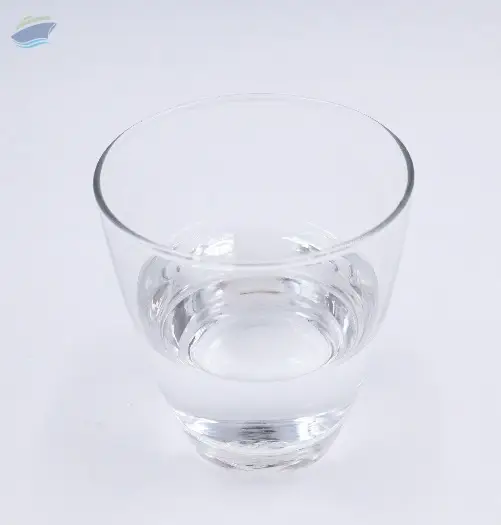
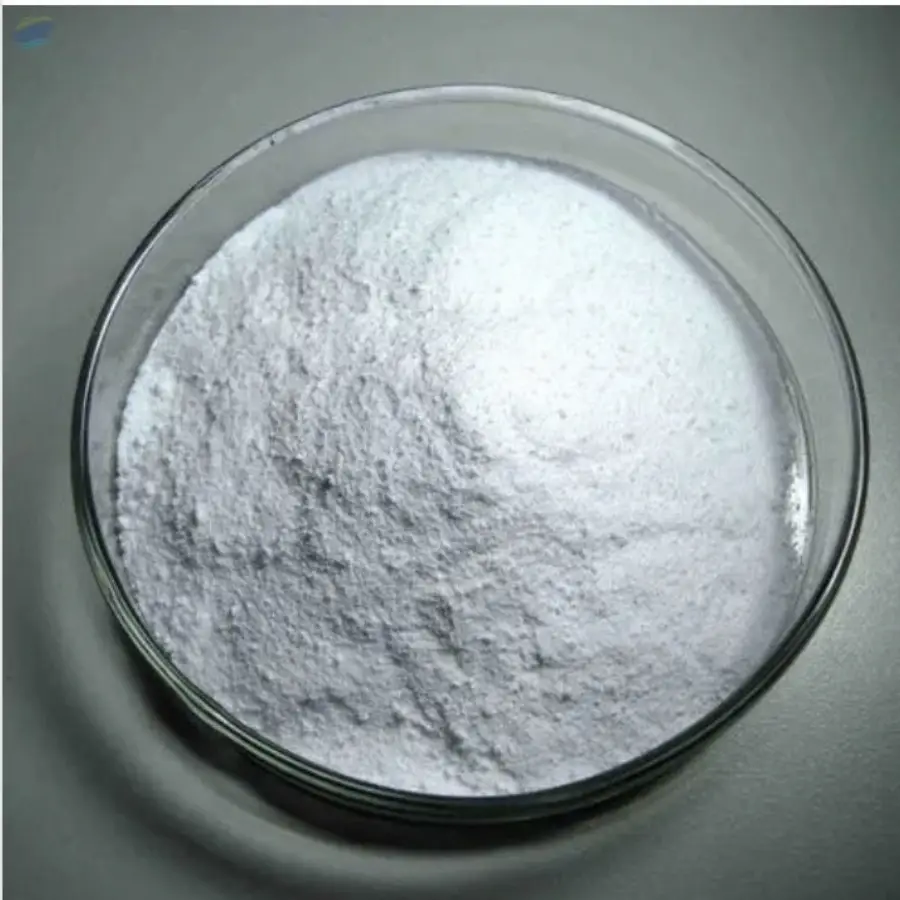
Based in Nanjing, China, the company lists seven active products across the categories of Chemical Salts and Laboratory Chemicals. The catalogue includes lithium bromide solution, lithium chloride, tetrafluoroisophthalonitrile, barbituric acid, 2‑cyclohexen‑1‑one, 3‑butoxy‑1‑propylamine and N,N‑carbonyl diimidazole (CDI). These items are classified under HS chapter 28 for inorganic chemicals and chapter 29 for organic compounds, which are the standard tariff headings for such substances. The supplier’s imported tier status indicates that the listed chemicals are sourced for re‑export rather than domestically produced.
The listed chemicals represent typical bulk products used in industrial and research settings. Lithium bromide and lithium chloride are inorganic salts commonly applied in refrigeration, moisture control and electrolyte formulations. The five organic compounds serve as intermediates in pharmaceutical synthesis, agro‑chemical development and specialty polymer research. No further specifications such as concentration or purity are provided in the catalogue, but each product aligns with the supplier’s primary focus on chemical salts and laboratory reagents.
Product Range and Specialties of Nanjing, Sunglow Imp. & Exp. Co., Ltd
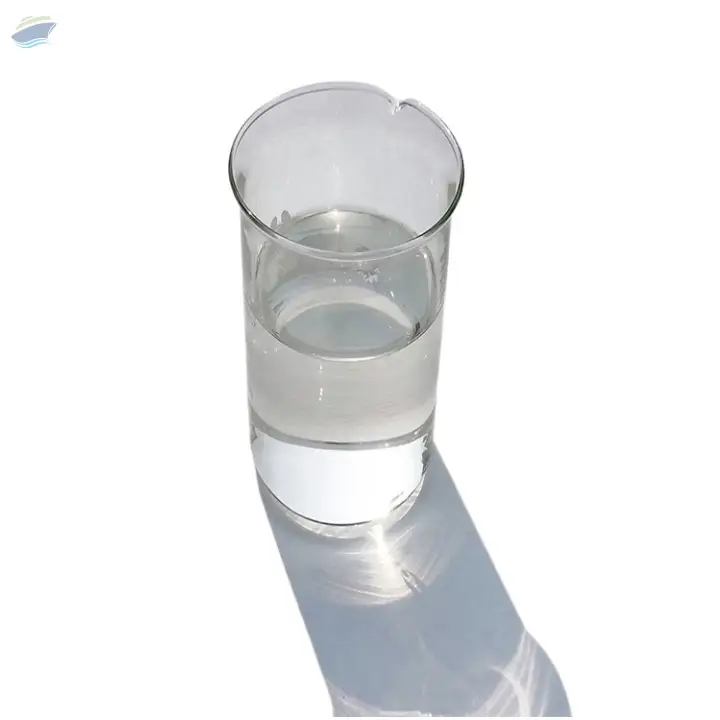
The product range comprises two inorganic lithium salts and five organic intermediates. Lithium bromide solution is typically supplied as a 50‑55 % w/w aqueous solution with a minimum purity of 99.5 %. Lithium chloride is usually offered as anhydrous material with purity ≥99 %. Tetrafluoroisophthalonitrile, barbituric acid, 2‑cyclohexen‑1‑one, 3‑butoxy‑1‑propylamine and N,N‑carbonyl diimidazole (CDI) are standard reagent‑grade organics, commonly meeting ≥98 % purity and supplied in 25 kg drums or 500 g glass bottles. Industry practice for these categories includes providing a Certificate of Analysis (COA) and Material Safety Data Sheet (MSDS) with each shipment.
Frequently Asked Questions About Nanjing, Sunglow Imp. & Exp. Co., Ltd
What HS codes are typically used for the lithium salts listed by the supplier?
Lithium bromide solution and lithium chloride are generally classified under HS code 2836, which covers lithium compounds and other inorganic salts.
Which quality documents should a buyer request before purchasing the organic intermediates?
Buyers should ask for a Certificate of Analysis, a Material Safety Data Sheet, and, if the destination is the EU, a REACH registration dossier for each organic compound.
What are the common purity specifications for the reagents in this catalogue?
Industry standards for reagent‑grade chemicals usually require a minimum purity of 98 % for organic intermediates and 99 % - 99.5 % for inorganic lithium salts.
How are these chemicals typically packaged for international shipment?
Bulk chemicals are commonly packed in 25 kg steel drums or 1‑ton IBCs, while smaller quantities may be shipped in 500 g to 1 kg glass bottles, all sealed and labeled according to UN hazardous material regulations.
Which certifications are normally expected from Chinese exporters of these chemicals?
Exporters typically hold ISO 9001 quality management certification and provide REACH compliance documentation for EU customers; MSDS is required for all hazardous chemicals.
ChinaRelated Suppliers & Products
Explore similar suppliers, related products and trending categories