Mundi Trading — Verified Supplier
About Mundi Trading - Agriculture Supplier in Brazil
Based in Brazil, Mundi Trading lists six agricultural products in its catalogue. The portfolio includes fresh egg, liquid egg, dry egg, frozen orange juice, seedless fresh grapes, and mango fruit. All items fall under the supplier’s primary category of Agriculture. The active product count of six reflects a focus on perishable and processed food commodities. Mundi Trading’s catalogue does not provide HS codes or certification details.
The egg line covers three forms: whole fresh eggs, liquid egg for food service and bakery applications, and dried egg powder used as a protein ingredient. The fruit offerings comprise frozen orange juice, a common export from Brazil for beverage manufacturers, seedless grapes harvested for fresh consumption, and mangoes that meet typical export quality standards for tropical fruit. Each product is subject to standard agricultural grading systems, such as grade A for fresh eggs and size classifications for grapes. The supplier’s catalog positions these goods for buyers seeking bulk agricultural commodities from South America.
Product Range and Specialties of Mundi Trading
Mundi Trading’s catalogue lists fresh egg, liquid egg, and dry egg, which correspond to the three main processing stages of poultry eggs. In the global market, fresh eggs are graded by shell integrity and interior quality, with grade A and AA being the most common for export. Liquid egg is measured by total solids content, typically 45‑50 % protein, and is packaged in bulk containers such as IBCs or refrigerated drums. Dried egg powder is evaluated on protein percentage (usually 45‑50 % protein) and moisture below 5 %, and is shipped in 25 kg bags or bulk containers.
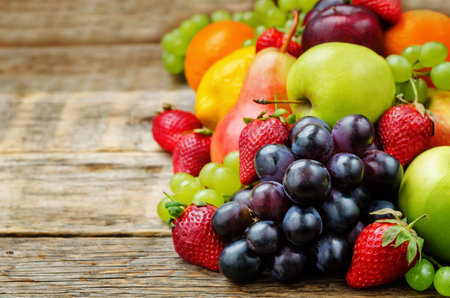
The fruit segment includes frozen orange juice, seedless fresh grapes, and mango fruit. Frozen orange juice is usually processed from concentrate with a Brix of 30‑35 % and packaged in 20 ft refrigerated containers. Seedless grapes are harvested at a maturity index of 18‑20 °Brix and sorted by size, while mangoes are classified by size and pulp firmness, with typical export specifications of 10‑12 % acidity and a shelf life of 10‑14 days under cold chain. Buyers often request GlobalGAP or organic certifications for these fruits, along with phytosanitary certificates.
Trade and Export Information - Mundi Trading
Brazil is a major exporter of eggs, fruit juices, and tropical fruits, supplying markets in the European Union, United States, Middle East, and Asia. Export shipments of perishable goods such as fresh eggs and mangoes normally use refrigerated containers (reefers) with temperature controls of 0‑4 °C for eggs and 10‑13 °C for mangoes. Frozen orange juice is shipped in insulated containers with dry ice or refrigerated units to maintain the required 0 °C temperature.
Importers of these commodities typically require compliance with food safety standards such as HACCP, ISO 22000, and BRC, as well as a phytosanitary certificate issued by Brazilian authorities. Documentation may also include a Certificate of Origin and, where applicable, an organic or fair‑trade certificate. Trade terms frequently involve CIF or FOB, with container loads ranging from 20 ft (approximately 15‑20 tons for juice) to 40 ft reefers for fresh produce.
Sourcing from Mundi Trading - Buyer Guidance
Buyers sourcing from Mundi Trading should request a recent HACCP or ISO 22000 audit report, along with product specifications sheets that detail grade, size, Brix, protein content, moisture, and shelf‑life. For egg products, a sample of grade A fresh eggs, a laboratory analysis of total solids for liquid egg, and a protein assay for dry egg powder are standard verification steps.
For fruit shipments, buyers normally ask for a phytosanitary certificate, a GlobalGAP compliance statement, and a recent lab report confirming pesticide residue limits. Minimum order quantities generally start at one container load for frozen orange juice (≈18 tons) and at 10 metric tonnes for fresh grapes or mangoes, with lead times of 30‑45 days from order confirmation to shipment. Packaging specifications such as IBCs for liquid egg, 25 kg bags for dry egg, and insulated cartons for fresh fruit should be confirmed before finalizing the contract.
Frequently Asked Questions About Mundi Trading
What grades are available for the fresh eggs listed by Mundi Trading?
The supplier offers grade A fresh eggs, which meet international shell integrity and interior quality standards; buyers can request a grading certificate with each shipment.
How is liquid egg supplied and what typical solids content should buyers expect?
Liquid egg is supplied in bulk IBCs or refrigerated drums and generally contains 45‑50 % total solids; a laboratory analysis report confirming solids and microbial limits can be requested.
What specifications define the dry egg powder offered?
Dry egg powder is marketed with a protein content of 45‑50 % and moisture below 5 %; it is packed in 25 kg bags and accompanied by a certificate of analysis.
What are the common export requirements for frozen orange juice from Brazil?
Exporters usually provide a phytosanitary certificate, a Certificate of Origin, and compliance with HACCP; the juice is shipped in refrigerated containers at 0 °C and typically has a Brix of 30‑35 %.
Which certifications are standard for the seedless fresh grapes and mango fruit?
Buyers often request GlobalGAP certification and a phytosanitary certificate; mangoes may also be accompanied by a pulp acidity report and a shelf‑life test.
What packaging formats are used for the fruit products?
Seedless grapes and mangoes are packed in insulated cardboard cartons with ventilation holes, while frozen orange juice is placed in bulk IBCs or palletized drums within a refrigerated container.
What lead times and minimum order quantities apply to these products?
Typical lead times are 30‑45 days from order confirmation; minimum orders are usually one 20 ft container for frozen juice (≈18 tons) and 10 metric tonnes for fresh grapes or mangoes.




 , Brazil