Agriculture›
 Apparel and fashion accessories›
 Construction & real estate›💡Electronic & Electrical›🍎Food & Beverages›🛋️Home furnishing & supplies›⚗️Industrial goods & chemical›🪨Minerals & metals›📦Miscellaneous›Agriculture›Apparel and fashion accessories›Construction & real estate›💡Electronic & Electrical›🍎Food & Beverages›🛋️Home furnishing & supplies›⚗️Industrial goods & chemical›🪨Minerals & metals›📦Miscellaneous›
Mssak Oil & Gas DMCC
⚓ Harbor , United Arab EmiratesNew supplier / no reviews yet
Mssak Oil & Gas DMCC Product Catalog




About Mssak Oil & Gas DMCC - Petroleum By Products Supplier in United Arab Emirates
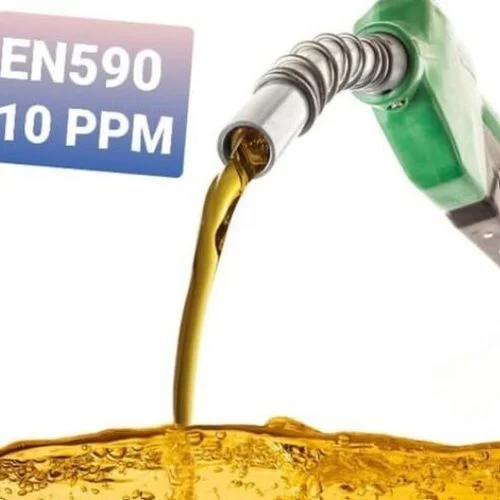
The United Arab Emirates‑based Mssak Oil & Gas DMCC lists seven active products across petroleum by‑products. Its catalogue covers diesel, gasoil, jet fuel, LPG, LNG, and bitumen grades, reflecting the typical product families exported from the UAE’s refining and petrochemical sector. The supplier’s top categories are Petroleum By Products, Diesel, Bitumen/Asphalt, and LPG/LNG & CNG. All items fall under standard specifications such as EN590 for diesel and common bitumen 60/70 grade used in road construction. The catalogue entries are Diesel EN590 10PPM, Bitumen 60/70, Jet Fuel, Liquified Petroleum Gas, Gasoil, Diesel, and LNG. These items represent standard middle‑distillate fuels, heavy asphalt binders, and liquefied gas products that are typically shipped in bulk tankers or ISO containers for regional and international buyers.
Product Range and Specialties of Mssak Oil & Gas DMCC
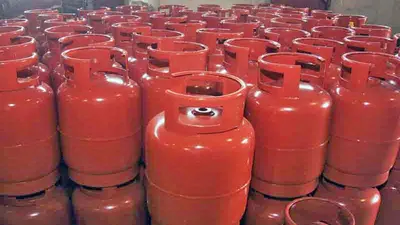
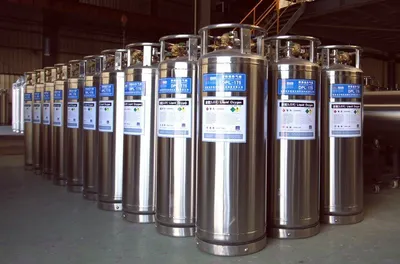
Mssak’s product list includes Diesel EN590 10PPM, a fuel that meets the EU EN590 standard with a sulfur limit of 10 ppm, a minimum cetane number of 51 and a density of 0.820‑0.845 kg/m³ at 15 °C. Bitumen 60/70 is supplied at a penetration range of 60‑70 0.1 mm and a softening point near 100 °C, which aligns with the specifications used in hot‑mix asphalt for highways. Jet Fuel conforms to ASTM D1655, typically having a flash point above 38 °C, a freezing point below - 47 °C and a sulfur content below 30 ppm. Liquified Petroleum Gas is offered in bulk cylinders or ISO tanks with a typical propane‑butane ratio of 70 %/30 % and a purity of ≥99.5 %. Gasoil mirrors the diesel specifications but is often marketed for heating and marine applications. LNG is supplied as chilled natural gas with methane content above 90 % and a calorific value of roughly 55 MJ/kg. These grades are widely recognized in global markets. Buyers usually compare diesel against EN590, bitumen against penetration and softening point values, jet fuel against ASTM D1655, LPG against propane‑butane composition and vapor pressure, and LNG against methane purity and calorific value. The product set therefore covers the core middle‑distillate and gaseous fuel segments that dominate the UAE’s export portfolio.
Frequently Asked Questions About Mssak Oil & Gas DMCC
What diesel specification does Mssak Oil & Gas DMCC provide?
Mssak lists Diesel EN590 10PPM, which conforms to the EU EN590 standard limiting sulfur to 10 ppm, a minimum cetane number of 51 and a density range of 0.820‑0.845 kg/m³ at 15 °C.
Which bitumen grade is available from the supplier?
The catalogue includes Bitumen 60/70, a grade with a penetration value between 60 and 70 0.1 mm and a softening point around 100 °C, commonly used for road surfacing.
How is LPG supplied and what are its typical characteristics?
Liquified Petroleum Gas is offered in bulk cylinders or ISO tanks, usually containing a 70 % propane and 30 % butane mix with a purity of ≥99.5 % and a vapor pressure of about 8 bar at 20 °C.
What documentation should a buyer request for Jet Fuel?
Buyers should obtain a Jet Fuel test certificate to ASTM D1655, a Certificate of Origin, and any applicable ISO or API quality certificates from a recognized third‑party inspector.
Which regions commonly import LNG from the UAE?
UAE‑origin LNG is frequently shipped to South‑East Asia, Europe and the Indian sub‑continent for power generation and industrial use.
United Arab EmiratesRelated Suppliers & Products
Explore similar suppliers, related products and trending categories