Moonlight Overseas — Verified Supplier

About Moonlight Overseas - Rice Supplier in India

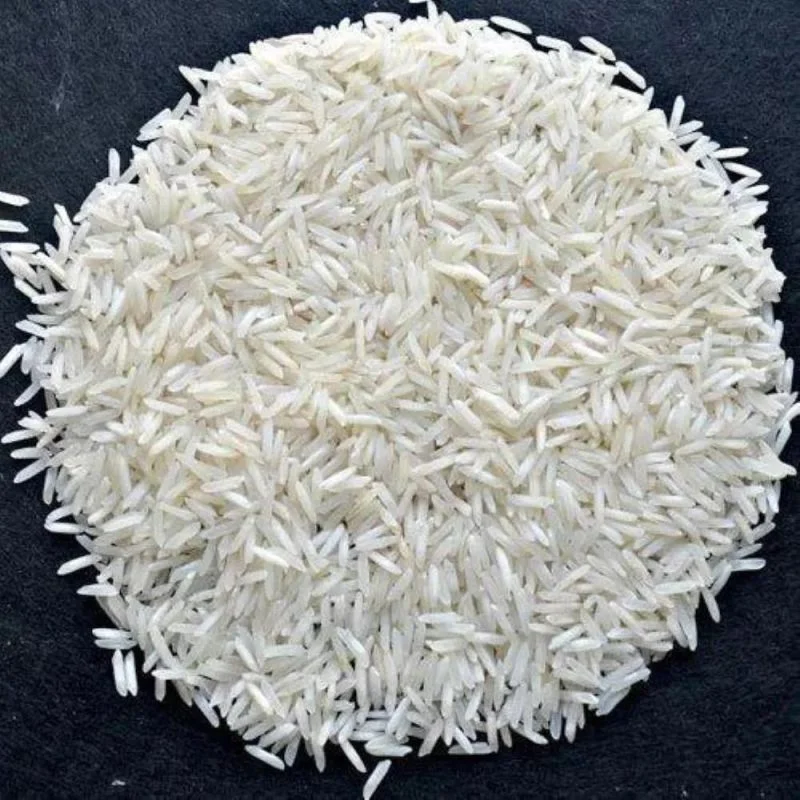
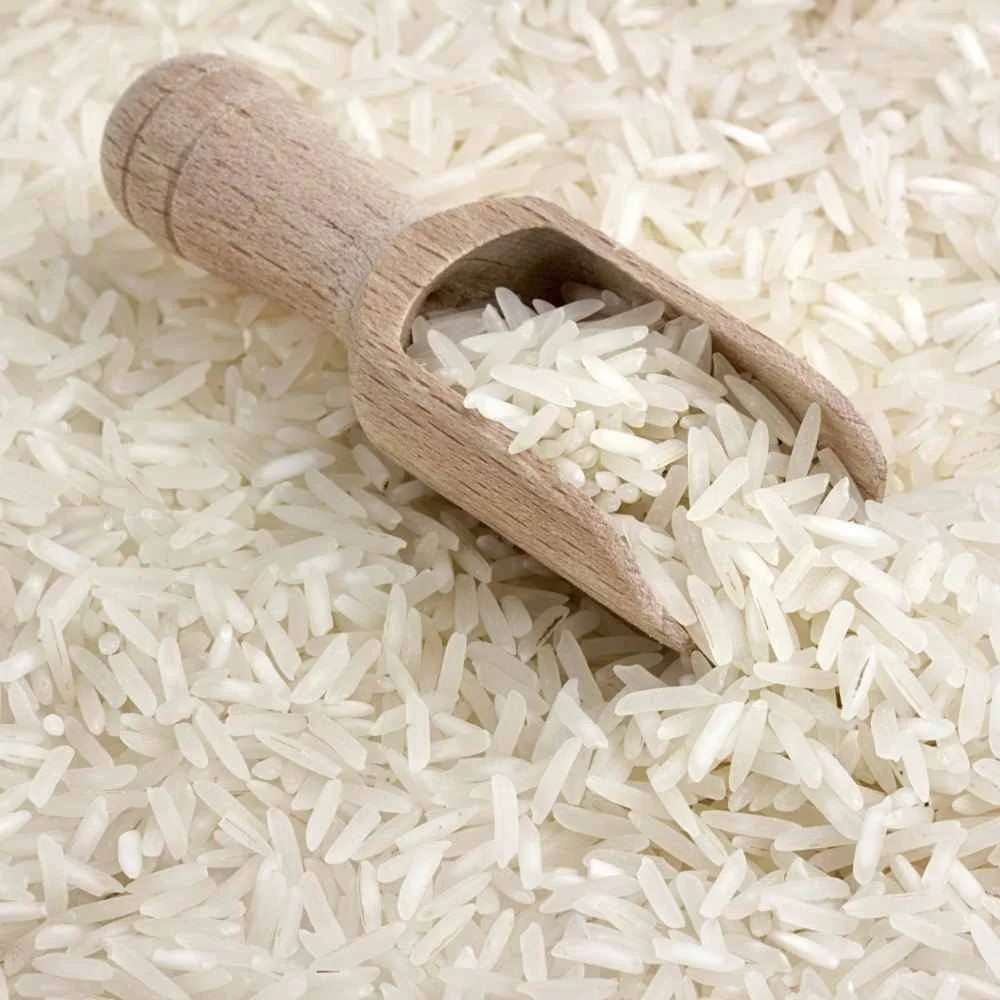
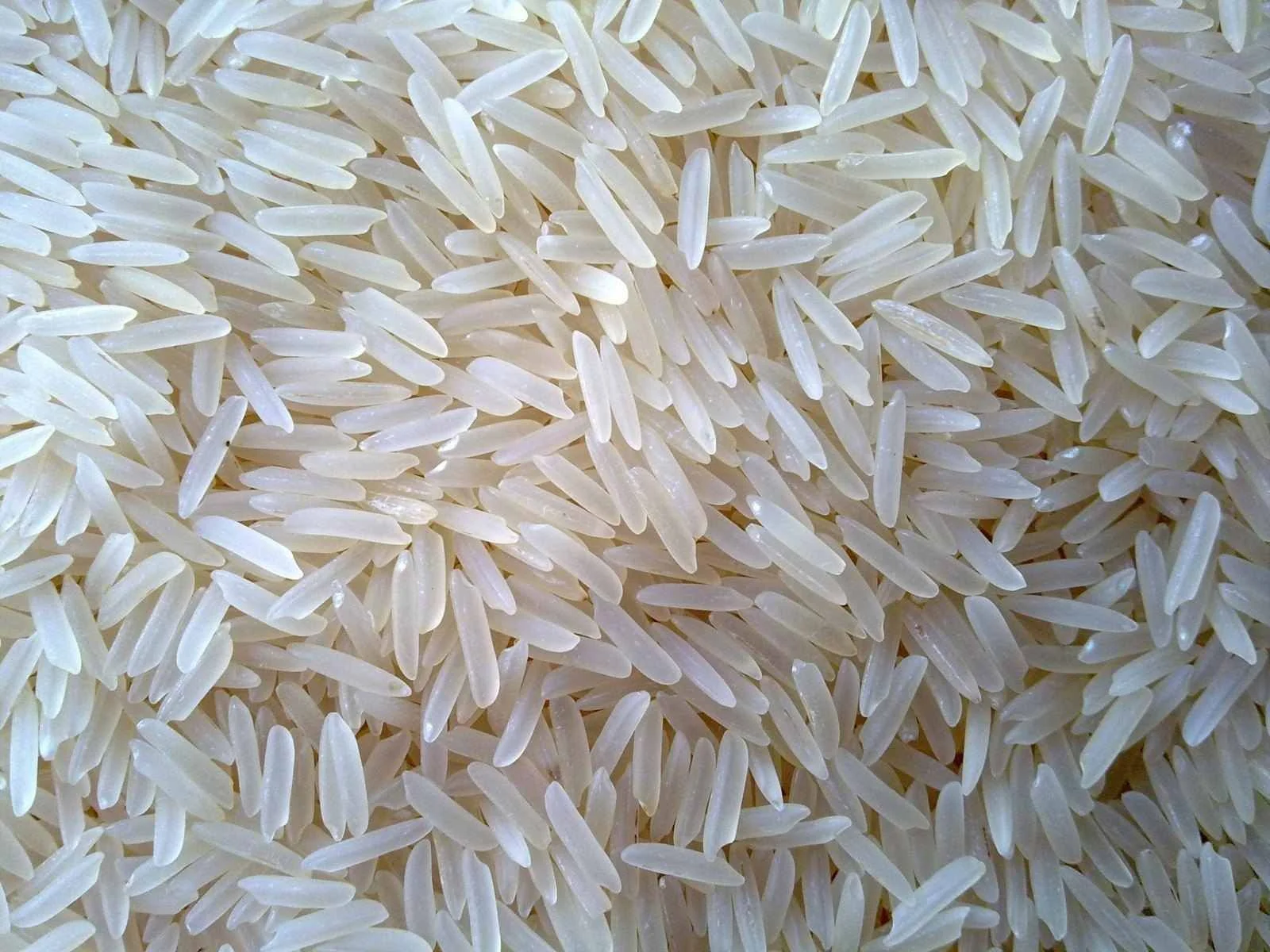
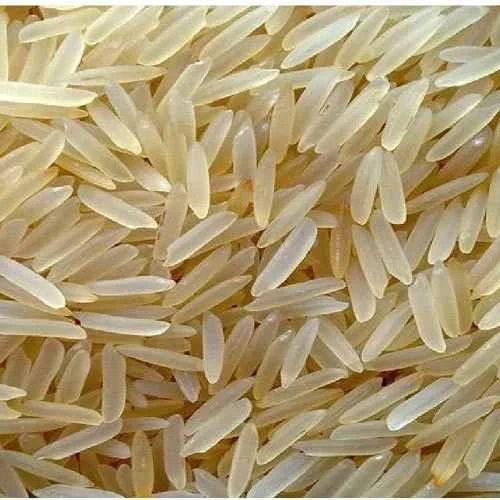
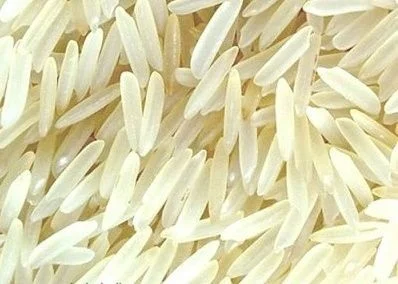
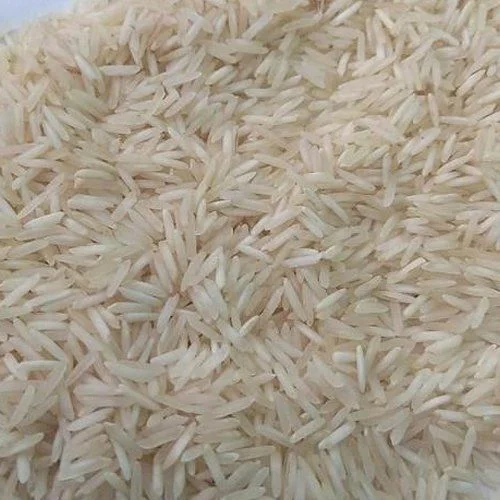
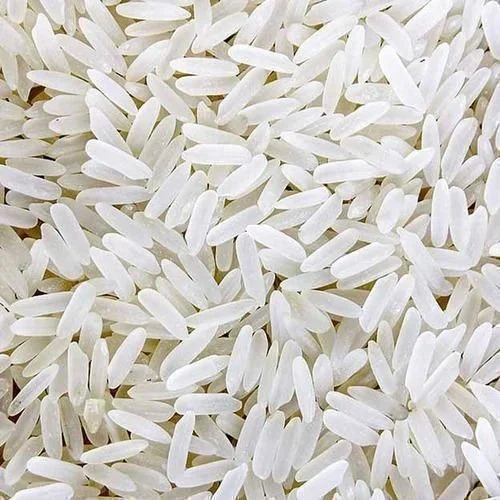
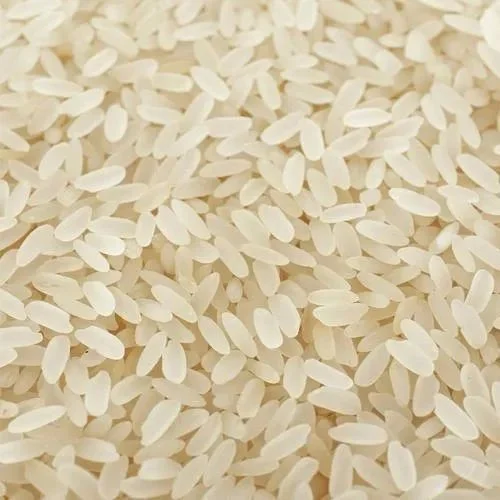
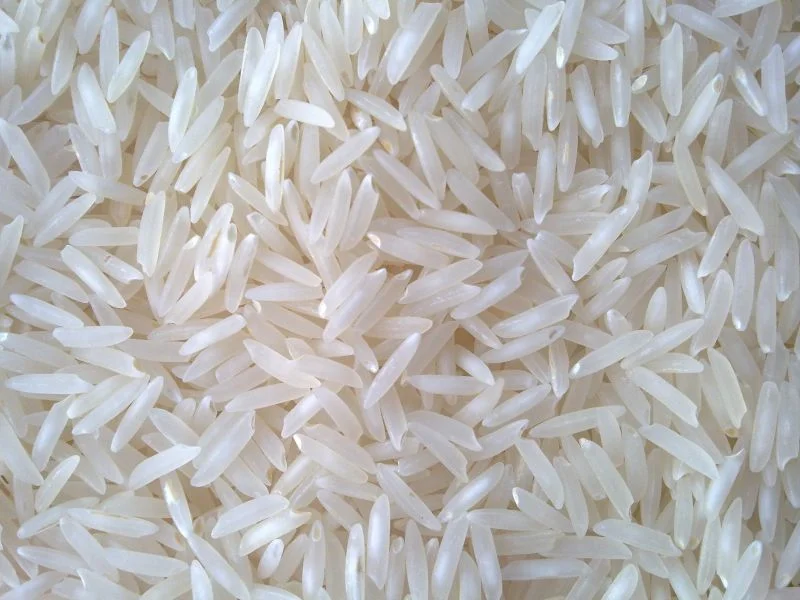
India, Moonlight Overseas lists 16 active rice products. The catalogue includes both Basmati and non‑Basmati varieties such as 1121 Basmati, Sugandha Basmati, Sharbati Basmati, and regional types like Pr 11, Ir 36, and Sona Masoori. Four of the listed items carry the HS sub‑heading 1006.30 for milled long‑grain rice, indicating the standard export classification for Basmati rice. Products are described by grain type - milled long grain, polished, whole grain - and also include broken rice. The supplier’s primary category is Rice within the broader Agriculture sector.

The lineup comprises traditional Basmati, premium cultivars (1509, 1121) and a selection of non‑Basmati rice cultivated in different Indian states. Materials are identified as Oryza sativa varieties, with typical specifications such as grain length 7‑9 mm and moisture levels below 14 %. The catalogue does not list any certifications, so buyers should verify compliance with import regulations. All items fall under HS chapter 10, sub‑heading 1006 for rice and are usually packed in bulk bags or 25 kg polypropylene sacks. Moonlight Overseas is classified in the “harbor” trust tier.

Product Range and Specialties of Moonlight Overseas

The catalogue covers fifteen named rice varieties plus a generic broken rice line. Basmati entries - Traditional, 1121, 1509, Sugandha, Sharbati and the generic Basmati label - are long‑grain milled rice, commonly graded as 1 or 2 based on aroma, kernel length, and moisture. Non‑Basmati entries such as Pr 11, Ir 64, Sona Masoori and Swarna are short‑ to medium‑grain types, typically used for everyday consumption and industrial processing. Industry standards for Indian rice usually require ICUMSA 45 whiteness for premium white rice, moisture ≤13.5 %, broken grain ≤5 % for premium grades and ≤10 % for standard grades, and pesticide residue within Codex limits. Packaging is normally 25 kg polypropylene bags, 10 kg jute sacks, or bulk bulk‑load for broken rice, with each 20‑foot container holding roughly 800‑900 bags.

Trade and Export Information - Moonlight Overseas

India is one of the world’s largest exporters of Basmati and non‑Basmati rice, with major import markets in the Middle East, the Gulf Cooperation Council, East Africa and parts of Europe. The HS code 1006.30 used for the listed Basmati varieties falls under chapter 10 for cereals, and customs authorities commonly request a phytosanitary certificate, a certificate of origin and compliance with the Food Safety and Standards Authority of India (FSSAI) regulations. Buyers often request ISO 22000 or HACCP documentation, although such certifications are not listed for this supplier. Typical logistics involve loading rice in 25 kg bags onto 20‑foot or 40‑foot containers; a 20‑foot container can accommodate about 800 bags (≈20 tonnes) and a 40‑foot container about 1 600 bags. Incoterms such as FOB Mumbai or CIF Dubai are frequently applied for Indian rice shipments.

Sourcing from Moonlight Overseas - Buyer Guidance

When sourcing rice from Moonlight Overseas, request a sample batch to verify grain length, aroma profile and moisture content against the specifications mentioned above. Ask for a laboratory analysis report covering ICUMSA whiteness, pesticide residues, and mycotoxin levels, as well as a phytosanitary certificate and a certificate of origin before finalizing the order. Verify that the HS code on the commercial invoice matches 1006.30 for the Basmati items and 1006.10 for non‑Basmati varieties, and confirm packaging dimensions, minimum order quantity (often 5 tonnes) and lead time, which typically ranges from 30 to 45 days after order confirmation.

Frequently Asked Questions About Moonlight Overseas

What rice varieties does Moonlight Overseas offer?

The supplier lists 16 products, including Traditional Basmati, 1121, 1509, Sugandha, Sharbati, and several non‑Basmati types such as Pr 11, Ir 64, Sona Masoori and Swarna, plus a broken rice line.

Which HS code applies to the Basmati rice products?

Four Basmati items are assigned HS sub‑heading 1006.30, which covers milled long‑grain rice in the international tariff schedule.

What typical quality parameters should buyers check for Indian Basmati rice?

Buyers usually verify grain length (7‑9 mm), moisture ≤13.5 %, broken grain ≤5 % for premium grades, ICUMSA 45 whiteness, and compliance with Codex pesticide limits.

What documentation is commonly required for importing this rice?

Importers normally request a phytosanitary certificate, a certificate of origin, an FSSAI compliance statement, and, if available, ISO 22000 or HACCP audit reports.

What are the usual packaging formats and container loading capacities?

Rice is typically packed in 25 kg polypropylene bags or 10 kg jute sacks; a 20‑foot container can hold about 800 bags (≈20 tonnes) and a 40‑foot container about 1 600 bags.

What minimum order quantity and lead time can buyers expect?

While the catalogue does not state a fixed MOQ, Indian rice exporters commonly set a minimum of 5 tonnes, with production and shipment lead times of 30‑45 days after order confirmation.

Which Incoterms are most frequently used for shipments from India?

FOB from the port of Mumbai and CIF to Gulf ports are the standard Incoterms applied by Indian rice exporters.

How can a buyer verify the authenticity of the product before full shipment?

Request a pre‑shipment sample and a laboratory analysis report covering moisture, broken percentage, ICUMSA whiteness and pesticide residues; compare the results with the specifications stated in the supplier’s catalogue.


Featured Products from this Supplier

Other Suppliers in Primary Category

Top Trusted Suppliers

Related Products

Trending in Parent Category

More Suppliers in Category

Related Products

Other Suppliers

EximNext
58.4K+ live requirements
Register Free🎁 5 free buy-lead credits
Post Requirement
🌍 Trusted by 224.4K+ businesses in 200+ countries|
58.4K+ active requirements right now
✉️ [email protected]
|
Sell on EximNextPost Requirement
EximNext
AgricultureApparelConstructionElectronicFoodHomeIndustrialMineralsMiscellaneous
🔥 Deals|✨ AI Match|🏭 Suppliers|📋 Buy Leads|💰 Trade Finance|⭐ Upgrade
58.4K+ live RFQs·194.4K+ suppliers
🎁 5 free credits →
EximNext
EximNext
Register Free
🎁 5 free buy-lead credits
Sign In
📋Post Requirement💬Get QuotesAI Match📋RFQ Marketplace
All Categories
Services & Tools
🏭Supplier Directory🔥Today's Deals💰Trade FinanceMembership
Sell on EximNext
AboutContactBlogHelp
🏭

Moonlight Overseas

Harbor
Country flag , India
🛡️
77/100
Trust Score

Moonlight Overseas Product Catalog

Showing 12 of 16 products
View all products →
Basmati Rice
Harbor
Basmati Rice
Contact
MOQ: 1 Unit
1509 Basmati Rice
Harbor
1509 Basmati Rice
Contact
MOQ: 1 Unit
Pr 106(non-basmati Rice)
Harbor
Pr 106(non-basmati Rice)
Contact
MOQ: 1 Unit
Ir 8(non Basmati Rice)
Harbor
Ir 8(non Basmati Rice)
Contact
MOQ: 1 Unit
Sona Masoori(non Basmati Rice)
Harbor
Sona Masoori(non Basmati Rice)
Contact
MOQ: 1 Unit
Pusa Basmati Rice
Harbor
Pusa Basmati Rice
Contact
MOQ: 1 Unit
Sugandha Basmati Rice
Harbor
Sugandha Basmati Rice
Contact
MOQ: 1 Unit
Sharbati Basmati Rice
Harbor
Sharbati Basmati Rice
Contact
MOQ: 1 Unit
Pr 14(non-basmati Rice)
Harbor
Pr 14(non-basmati Rice)
Contact
MOQ: 1 Unit
Ir 36(non Basmati Rice)
Harbor
Ir 36(non Basmati Rice)
Contact
MOQ: 1 Unit
Ir 64(non Basmati Rice)
Harbor
Ir 64(non Basmati Rice)
Contact
MOQ: 1 Unit
Swarna(non Basmati Rice)
Harbor
Swarna(non Basmati Rice)
Contact
MOQ: 1 Unit

About Moonlight Overseas - Rice Supplier in India

India, Moonlight Overseas lists 16 active rice products. The catalogue includes both Basmati and non‑Basmati varieties such as 1121 Basmati, Sugandha Basmati, Sharbati Basmati, and regional types like Pr 11, Ir 36, and Sona Masoori. Four of the listed items carry the HS sub‑heading 1006.30 for milled long‑grain rice, indicating the standard export classification for Basmati rice. Products are described by grain type - milled long grain, polished, whole grain - and also include broken rice. The supplier’s primary category is Rice within the broader Agriculture sector.

The lineup comprises traditional Basmati, premium cultivars (1509, 1121) and a selection of non‑Basmati rice cultivated in different Indian states. Materials are identified as Oryza sativa varieties, with typical specifications such as grain length 7‑9 mm and moisture levels below 14 %. The catalogue does not list any certifications, so buyers should verify compliance with import regulations. All items fall under HS chapter 10, sub‑heading 1006 for rice and are usually packed in bulk bags or 25 kg polypropylene sacks. Moonlight Overseas is classified in the “harbor” trust tier.

Product Range and Specialties of Moonlight Overseas

The catalogue covers fifteen named rice varieties plus a generic broken rice line. Basmati entries - Traditional, 1121, 1509, Sugandha, Sharbati and the generic Basmati label - are long‑grain milled rice, commonly graded as 1 or 2 based on aroma, kernel length, and moisture. Non‑Basmati entries such as Pr 11, Ir 64, Sona Masoori and Swarna are short‑ to medium‑grain types, typically used for everyday consumption and industrial processing. Industry standards for Indian rice usually require ICUMSA 45 whiteness for premium white rice, moisture ≤13.5 %, broken grain ≤5 % for premium grades and ≤10 % for standard grades, and pesticide residue within Codex limits. Packaging is normally 25 kg polypropylene bags, 10 kg jute sacks, or bulk bulk‑load for broken rice, with each 20‑foot container holding roughly 800‑900 bags.

Trade and Export Information - Moonlight Overseas

India is one of the world’s largest exporters of Basmati and non‑Basmati rice, with major import markets in the Middle East, the Gulf Cooperation Council, East Africa and parts of Europe. The HS code 1006.30 used for the listed Basmati varieties falls under chapter 10 for cereals, and customs authorities commonly request a phytosanitary certificate, a certificate of origin and compliance with the Food Safety and Standards Authority of India (FSSAI) regulations. Buyers often request ISO 22000 or HACCP documentation, although such certifications are not listed for this supplier. Typical logistics involve loading rice in 25 kg bags onto 20‑foot or 40‑foot containers; a 20‑foot container can accommodate about 800 bags (≈20 tonnes) and a 40‑foot container about 1 600 bags. Incoterms such as FOB Mumbai or CIF Dubai are frequently applied for Indian rice shipments.

Sourcing from Moonlight Overseas - Buyer Guidance

When sourcing rice from Moonlight Overseas, request a sample batch to verify grain length, aroma profile and moisture content against the specifications mentioned above. Ask for a laboratory analysis report covering ICUMSA whiteness, pesticide residues, and mycotoxin levels, as well as a phytosanitary certificate and a certificate of origin before finalizing the order. Verify that the HS code on the commercial invoice matches 1006.30 for the Basmati items and 1006.10 for non‑Basmati varieties, and confirm packaging dimensions, minimum order quantity (often 5 tonnes) and lead time, which typically ranges from 30 to 45 days after order confirmation.

Frequently Asked Questions About Moonlight Overseas

What rice varieties does Moonlight Overseas offer?

The supplier lists 16 products, including Traditional Basmati, 1121, 1509, Sugandha, Sharbati, and several non‑Basmati types such as Pr 11, Ir 64, Sona Masoori and Swarna, plus a broken rice line.

Which HS code applies to the Basmati rice products?

Four Basmati items are assigned HS sub‑heading 1006.30, which covers milled long‑grain rice in the international tariff schedule.

What typical quality parameters should buyers check for Indian Basmati rice?

Buyers usually verify grain length (7‑9 mm), moisture ≤13.5 %, broken grain ≤5 % for premium grades, ICUMSA 45 whiteness, and compliance with Codex pesticide limits.

What documentation is commonly required for importing this rice?

Importers normally request a phytosanitary certificate, a certificate of origin, an FSSAI compliance statement, and, if available, ISO 22000 or HACCP audit reports.

What are the usual packaging formats and container loading capacities?

Rice is typically packed in 25 kg polypropylene bags or 10 kg jute sacks; a 20‑foot container can hold about 800 bags (≈20 tonnes) and a 40‑foot container about 1 600 bags.

What minimum order quantity and lead time can buyers expect?

While the catalogue does not state a fixed MOQ, Indian rice exporters commonly set a minimum of 5 tonnes, with production and shipment lead times of 30‑45 days after order confirmation.

Which Incoterms are most frequently used for shipments from India?

FOB from the port of Mumbai and CIF to Gulf ports are the standard Incoterms applied by Indian rice exporters.

How can a buyer verify the authenticity of the product before full shipment?

Request a pre‑shipment sample and a laboratory analysis report covering moisture, broken percentage, ICUMSA whiteness and pesticide residues; compare the results with the specifications stated in the supplier’s catalogue.

About Moonlight Overseas - Rice Supplier in India

India, Moonlight Overseas lists 16 active rice products. The catalogue includes both Basmati and non‑Basmati varieties such as 1121 Basmati, Sugandha Basmati, Sharbati Basmati, and regional types like Pr 11, Ir 36, and Sona Masoori. Four of the listed items carry the HS sub‑heading 1006.30 for milled long‑grain rice, indicating the standard export classification for Basmati rice. Products are described by grain type - milled long grain, polished, whole grain - and also include broken rice. The supplier’s primary category is Rice within the broader Agriculture sector.

The lineup comprises traditional Basmati, premium cultivars (1509, 1121) and a selection of non‑Basmati rice cultivated in different Indian states. Materials are identified as Oryza sativa varieties, with typical specifications such as grain length 7‑9 mm and moisture levels below 14 %. The catalogue does not list any certifications, so buyers should verify compliance with import regulations. All items fall under HS chapter 10, sub‑heading 1006 for rice and are usually packed in bulk bags or 25 kg polypropylene sacks. Moonlight Overseas is classified in the “harbor” trust tier.

Product Range and Specialties of Moonlight Overseas

The catalogue covers fifteen named rice varieties plus a generic broken rice line. Basmati entries - Traditional, 1121, 1509, Sugandha, Sharbati and the generic Basmati label - are long‑grain milled rice, commonly graded as 1 or 2 based on aroma, kernel length, and moisture. Non‑Basmati entries such as Pr 11, Ir 64, Sona Masoori and Swarna are short‑ to medium‑grain types, typically used for everyday consumption and industrial processing. Industry standards for Indian rice usually require ICUMSA 45 whiteness for premium white rice, moisture ≤13.5 %, broken grain ≤5 % for premium grades and ≤10 % for standard grades, and pesticide residue within Codex limits. Packaging is normally 25 kg polypropylene bags, 10 kg jute sacks, or bulk bulk‑load for broken rice, with each 20‑foot container holding roughly 800‑900 bags.

Trade and Export Information - Moonlight Overseas

India is one of the world’s largest exporters of Basmati and non‑Basmati rice, with major import markets in the Middle East, the Gulf Cooperation Council, East Africa and parts of Europe. The HS code 1006.30 used for the listed Basmati varieties falls under chapter 10 for cereals, and customs authorities commonly request a phytosanitary certificate, a certificate of origin and compliance with the Food Safety and Standards Authority of India (FSSAI) regulations. Buyers often request ISO 22000 or HACCP documentation, although such certifications are not listed for this supplier. Typical logistics involve loading rice in 25 kg bags onto 20‑foot or 40‑foot containers; a 20‑foot container can accommodate about 800 bags (≈20 tonnes) and a 40‑foot container about 1 600 bags. Incoterms such as FOB Mumbai or CIF Dubai are frequently applied for Indian rice shipments.

Sourcing from Moonlight Overseas - Buyer Guidance

When sourcing rice from Moonlight Overseas, request a sample batch to verify grain length, aroma profile and moisture content against the specifications mentioned above. Ask for a laboratory analysis report covering ICUMSA whiteness, pesticide residues, and mycotoxin levels, as well as a phytosanitary certificate and a certificate of origin before finalizing the order. Verify that the HS code on the commercial invoice matches 1006.30 for the Basmati items and 1006.10 for non‑Basmati varieties, and confirm packaging dimensions, minimum order quantity (often 5 tonnes) and lead time, which typically ranges from 30 to 45 days after order confirmation.

Frequently Asked Questions About Moonlight Overseas
What rice varieties does Moonlight Overseas offer?
The supplier lists 16 products, including Traditional Basmati, 1121, 1509, Sugandha, Sharbati, and several non‑Basmati types such as Pr 11, Ir 64, Sona Masoori and Swarna, plus a broken rice line.
Which HS code applies to the Basmati rice products?
Four Basmati items are assigned HS sub‑heading 1006.30, which covers milled long‑grain rice in the international tariff schedule.
What typical quality parameters should buyers check for Indian Basmati rice?
Buyers usually verify grain length (7‑9 mm), moisture ≤13.5 %, broken grain ≤5 % for premium grades, ICUMSA 45 whiteness, and compliance with Codex pesticide limits.
What documentation is commonly required for importing this rice?
Importers normally request a phytosanitary certificate, a certificate of origin, an FSSAI compliance statement, and, if available, ISO 22000 or HACCP audit reports.
What are the usual packaging formats and container loading capacities?
Rice is typically packed in 25 kg polypropylene bags or 10 kg jute sacks; a 20‑foot container can hold about 800 bags (≈20 tonnes) and a 40‑foot container about 1 600 bags.
What minimum order quantity and lead time can buyers expect?
While the catalogue does not state a fixed MOQ, Indian rice exporters commonly set a minimum of 5 tonnes, with production and shipment lead times of 30‑45 days after order confirmation.
Which Incoterms are most frequently used for shipments from India?
FOB from the port of Mumbai and CIF to Gulf ports are the standard Incoterms applied by Indian rice exporters.
How can a buyer verify the authenticity of the product before full shipment?
Request a pre‑shipment sample and a laboratory analysis report covering moisture, broken percentage, ICUMSA whiteness and pesticide residues; compare the results with the specifications stated in the supplier’s catalogue.

🏭
Moonlight Overseas
Country flag , India
Harbor
77/100
Trust Score
📦
16
Products
Free to contact — no commission
Escrow payment available
Verified business identity
Compare more suppliers
Post a requirement — get 10 quotes free
Let verified suppliers compete for your business. Free, fast, no commitment.
EximNext Verified Supplier
Business identity verified
Physical address confirmed
Financial history checked
Certifications authenticated
Trade references validated
Due Diligence
Verify this supplier's real shipping history.
Every shipment, every buyer, every port. Trade data that can't be faked.
Run due diligence →
Discover More

Related Suppliers & Products

Explore similar suppliers, related products and trending categories

Featured Products from this Supplier

Other Suppliers in Primary Category

Top Trusted Suppliers

Related Products

Trending in Parent Category

More Suppliers in Category

Stay ahead in global trade
Weekly market insights & new supplier alerts.
EximNext
Exim Next is a leading global B2B marketplace, connecting over 205,000 verified suppliers and buyers across 200+ countries. As a trusted import export marketplace, it serves as the essential B2B portal for businesses worldwide, empowering them to expand their international reach. With Exim Next, businesses can trade smarter and grow faster.
SECURE PAYMENTS
VISAMastercardPayPalSWIFTL/CEscrow
Follow us
© 2026 EximNext