Mirage Marble For Import, Export And General Trading — Supplier
About Mirage Marble For Import, Export And General Trading - Marble & Granite Supplier in Egypt
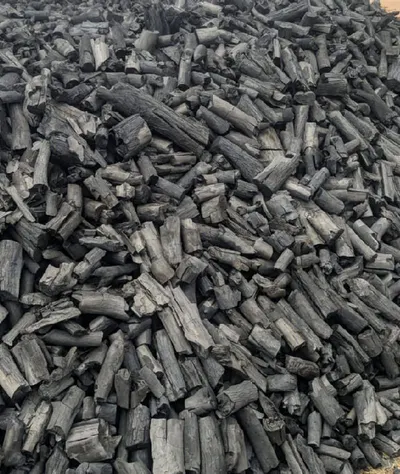
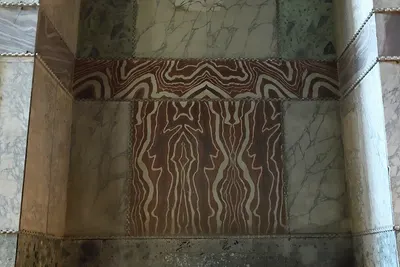
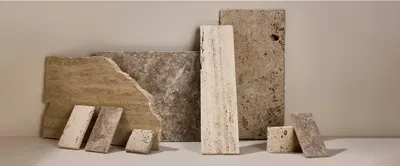
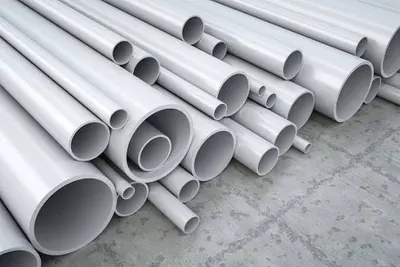
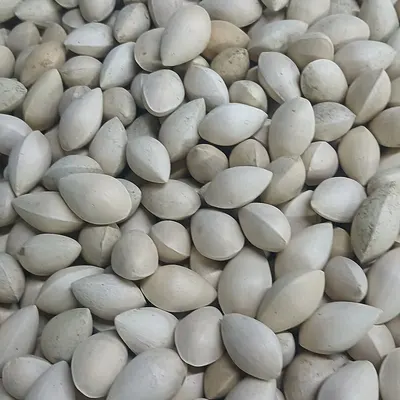
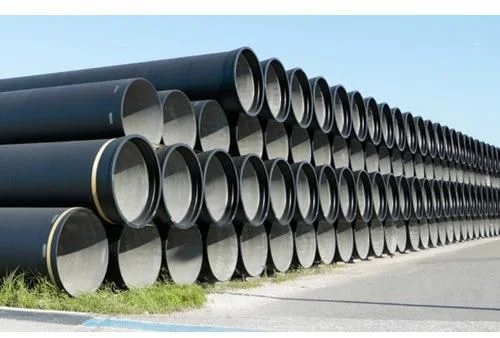
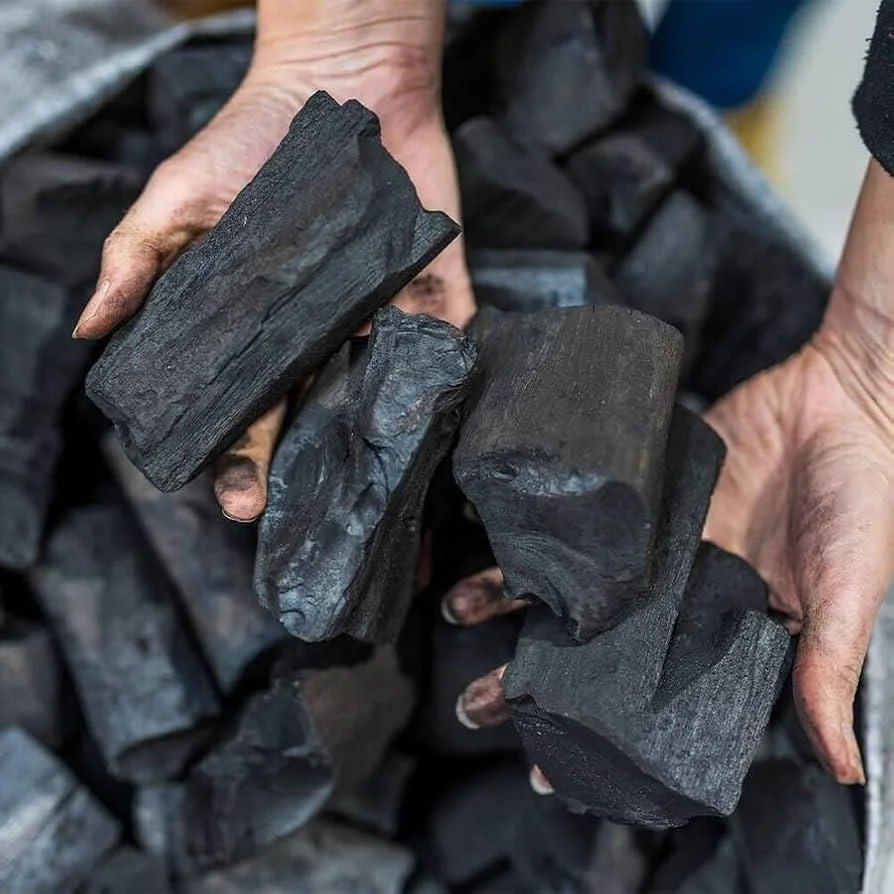
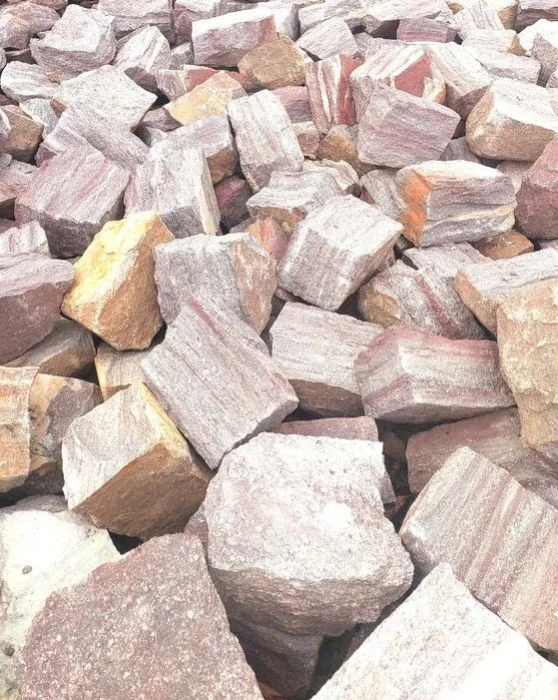
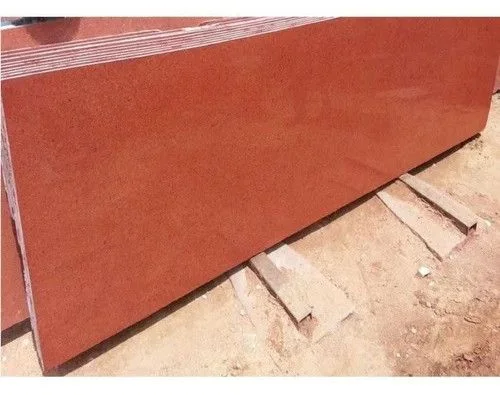
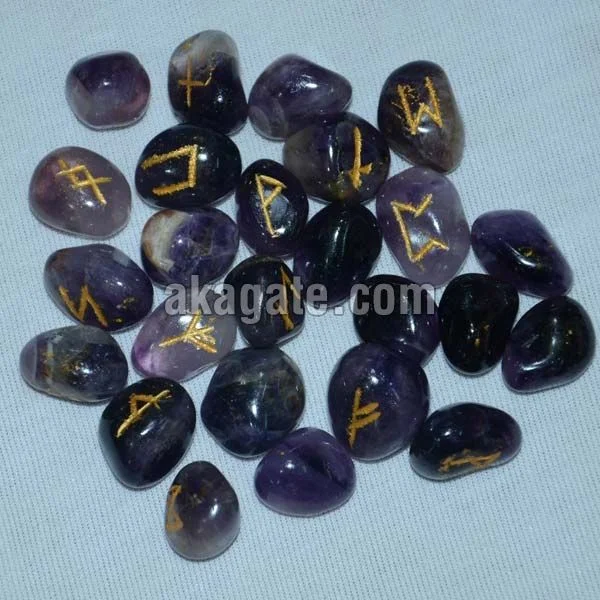
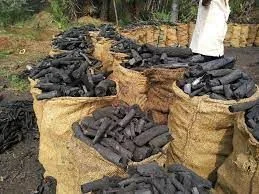
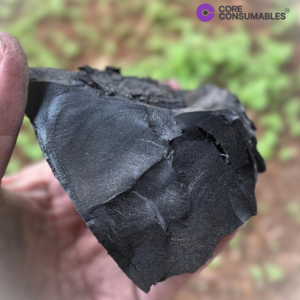
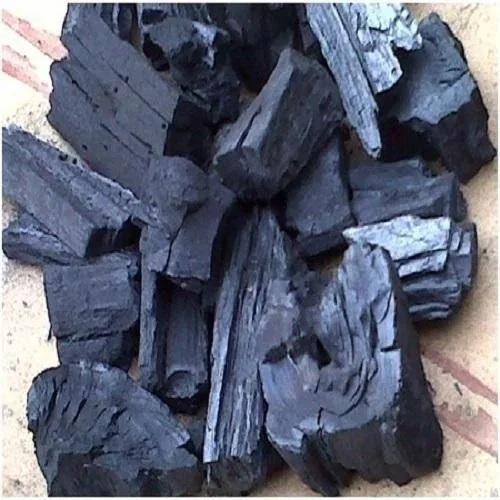
Egypt hosts six active product listings from Mirage Marble For Import, Export And General Trading. The catalogue spans wood‑derived charcoal, natural stone slabs, marble pebbles and a polymer pipe line, each recorded under distinct HS‑code families where applicable. Citrus charcoal and Casuarina hardwood charcoal are listed without HS codes, while the UPVC pipe is catalogued under HS 3917.40 and identified as unplasticized polyvinyl chloride. The stone items - Egyptian marble and Egyptian granite - fall under the typical HS 6802 chapter for worked stone, though the specific HS numbers are not supplied in the source data.
The supplier’s top categories include Wood Charcoal, Marble & Granite, Flanges and Stone Pebbles, reflecting a focus on raw material exports. Within the stone segment, both marble and granite are offered in cut forms suitable for construction and decorative applications, and marble pebbles are presented as landscaping aggregates. The charcoal products are described by feedstock - citrus shells and casuarina hardwood - which influence calorific value and moisture content. This mix of mineral and carbon‑based goods positions the company within Egypt’s broader export portfolio of construction materials and energy‑source commodities.
Product Range and Specialties of Mirage Marble For Import, Export And General Trading
Mirage Marble’s catalogue lists Citrus charcoal, Casuarina hardwood charcoal, Egyptian marble, Egyptian granite, UPVC pipes (HS 3917.40, material UPVC) and marble pebbles. In the charcoal market, buyers typically evaluate calorific value (often 28‑30 MJ kg⁻¹ for hardwood and 24‑26 MJ kg⁻¹ for agricultural residues), moisture content below 12 %, and particle size distribution for furnace or grill use. Marble and granite exports are commonly graded A‑plus or B based on veining, surface finish and absence of fissures; standard slab thicknesses range from 20 mm to 30 mm and dimensions up to 3 m × 1.5 m. UPVC pipes are generally supplied in nominal diameters from 20 mm to 200 mm, conforming to ISO 1452 pressure‑rating classes (PN10‑PN16) and marked with the material grade (e.g., uPVC‑C). Marble pebbles are sized 5‑20 mm and used for landscaping, with typical bulk density around 2.6 t m⁻³.
Trade and Export Information - Mirage Marble For Import, Export And General Trading
Egypt is a recognized exporter of natural stone, supplying Europe, the Gulf Cooperation Council and North Africa through sea freight in 20‑ft and 40‑ft containers or bulk break‑bulk shipments. HS chapter 68 (worked stone) and HS 3917 for plastic pipes are the primary customs classifications for these goods. International buyers often request CE marking or ISO 9001 quality‑management certificates for stone, and compliance with ASTM D3039 or EN 13241 for UPVC pipe dimensions and pressure ratings. Charcoal from Egypt is typically shipped under HS 4401, with buyers in the Middle East and Southern Europe seeking SGS or Bureau Veritas inspection reports confirming calorific value and moisture limits. Export logistics from Egyptian ports such as Alexandria and Port Said involve standard Incoterms CIF or FOB, with packaging ranging from wooden crates for stone slabs to bulk bags for charcoal and sealed poly‑wrap for pipes.
Sourcing from Mirage Marble For Import, Export And General Trading - Buyer Guidance
When sourcing charcoal from this supplier, request a laboratory analysis that details calorific value, ash content, moisture percentage and particle size range. Verify that the batch complies with the buyer’s furnace specifications and that the material is packaged in moisture‑resistant burlap or sealed bags to preserve energy value during transit. For marble and granite, ask for a mill‑certificate that lists dimensions, grade, surface finish (polished or honed) and a visual inspection report; a 3‑day sample slab is standard practice for quality confirmation. UPVC pipe orders should be accompanied by material data sheets, pressure‑test certificates and compliance statements to ISO 1452 or EN 13241, plus a statement of the pipe’s nominal diameter and wall thickness. Confirm the HS code used on the commercial invoice matches the product (e.g., 3917.40 for UPVC pipe) and that packaging meets container‑load guidelines to avoid breakage of stone slabs or deformation of pipe coils.
Frequently Asked Questions About Mirage Marble For Import, Export And General Trading
What types of charcoal does Mirage Marble offer?
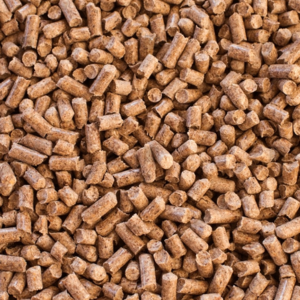
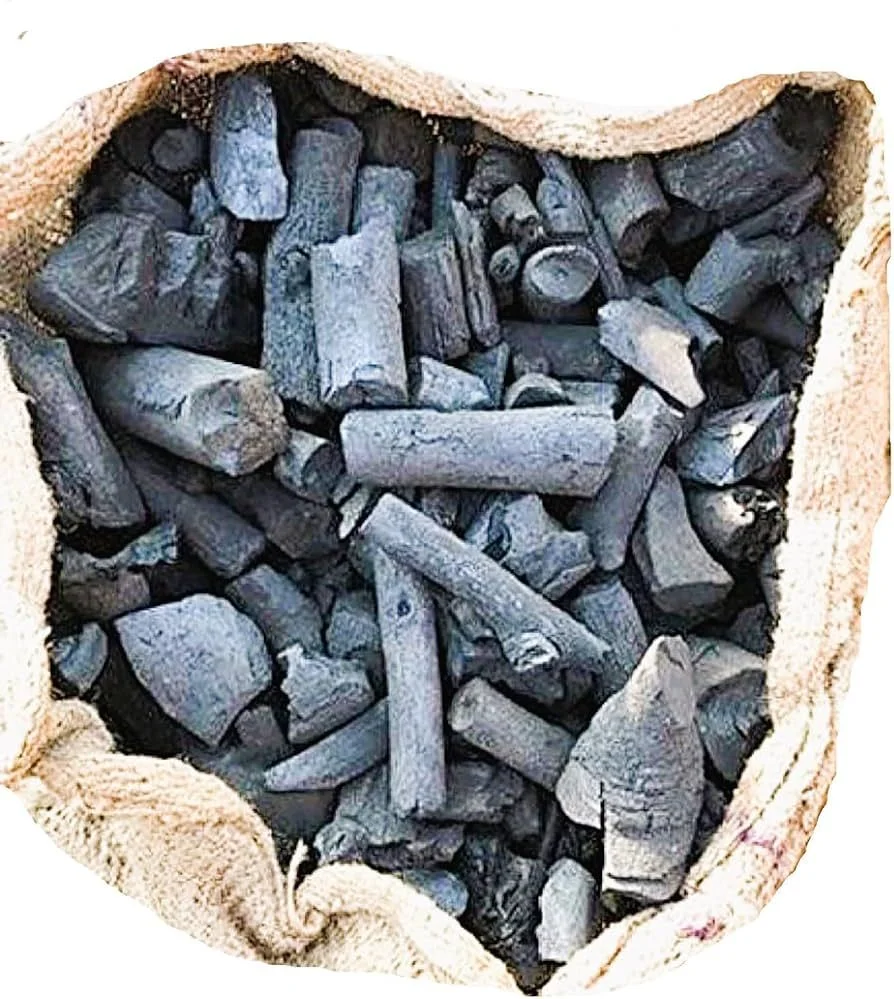
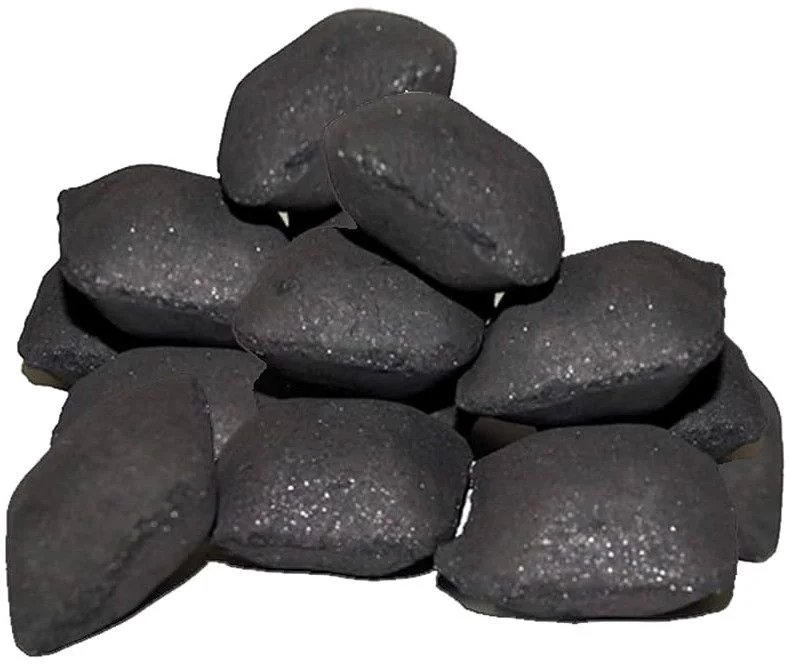
The catalogue lists Citrus charcoal made from fruit‑shell waste and Casuarina hardwood charcoal derived from fast‑growing trees. Both are supplied as bulk granules suitable for industrial burners.
Are there specifications available for the Egyptian marble and granite?
Typical specifications include slab thickness of 20‑30 mm, surface finish options (polished or honed), and grade A‑plus visual quality. Buyers usually request a mill‑certificate that records these parameters.
What is the HS code for the UPVC pipes and what material are they made of?
The UPVC pipes are recorded under HS 3917.40 and are manufactured from unplasticized polyvinyl chloride, a rigid thermoplastic used for water and drainage applications.
What certifications should a buyer request for stone and pipe products?
Buyers commonly ask for ISO 9001 quality‑management certification for stone, CE or ASTM conformity for UPVC pipes, and SGS or Bureau Veritas inspection reports confirming dimensions and material compliance.
What are typical minimum order quantities and lead times?
For charcoal, MOQ is often 1 ton with a lead time of 7‑10 days after payment. Marble slabs and granite typically require a MOQ of one 20‑ft container (≈18 m³) and a lead time of 4‑6 weeks, while UPVC pipes are ordered in coil lengths with MOQ of 500 kg and lead time of 10‑14 days.
How are the products packaged for export?
Charcoal is packed in sealed bulk bags or wooden crates, stone slabs are wrapped in protective film and placed on wooden pallets, and UPVC pipes are bundled in shrink‑wrap and loaded in containers with bracing to prevent movement.
Which markets commonly import these Egyptian products?
European Union countries, GCC states and North‑African markets are the primary import destinations for Egyptian stone and charcoal, while UPVC pipe buyers are often found in Middle‑Eastern construction projects and African infrastructure developments.
What documentation is needed to clear customs for these goods?
Customs clearance typically requires a commercial invoice, packing list, certificate of origin, the appropriate HS code declaration and, where required, test or inspection certificates for quality and safety compliance.




 , Egypt