Agriculture›
 Apparel and fashion accessories›
 Construction & real estate›💡Electronic & Electrical›🍎Food & Beverages›🛋️Home furnishing & supplies›⚗️Industrial goods & chemical›🪨Minerals & metals›📦Miscellaneous›Agriculture›Apparel and fashion accessories›Construction & real estate›💡Electronic & Electrical›🍎Food & Beverages›🛋️Home furnishing & supplies›⚗️Industrial goods & chemical›🪨Minerals & metals›📦Miscellaneous›

Mil-Tec Tactical Supplies
⚓ Harbor , SwedenEst. 2020-01-01New supplier / no reviews yet
Mil-Tec Tactical Supplies Product Catalog
About Mil-Tec Tactical Supplies - Body Armor Supplier in Sweden
Sweden, Dalarna region hosts Mil‑Tec Tactical Supplies, which currently lists five distinct products in its catalogue. The inventory comprises three entries for Bulletproof Vest NIJ IIIA under HS codes V‑Fit 024, 6210.40 and 6210.10, a combined Vest NIJ IIIA + 55J also under 6210.40, and a Tactical Bulletproof Helmet classified under HS code 6506.10. All items are described as being manufactured from aramid fibers, a material commonly used for ballistic protection. The supplier’s profile states distribution of defence‑sector brands and personal‑protection body armour, confirming the focus on protective wear and equipment. The catalogue does not list any additional categories beyond the five listed products.
Mil‑Tec’s product set aligns with the HS‑code families for protective clothing (6210.x) and headgear (6506.10), which are standard classification groups for ballistic vests and helmets worldwide. In the defence and law‑enforcement markets, NIJ Level IIIA protection is a widely accepted benchmark, requiring the vest to stop .44 Magnum rounds and 9 mm FMJ projectiles. Aramid fabrics such as Kevlar or Twaron typically meet these performance criteria when layered to a total thickness of 10‑15 mm. Swedish export regulations for defence‑related goods include end‑use verification and may require an export licence under the EU Dual‑Use Regulation. Buyers importing these items generally arrange shipment in sealed, tamper‑proof packaging to preserve certification integrity.
Product Range and Specialties of Mil-Tec Tactical Supplies
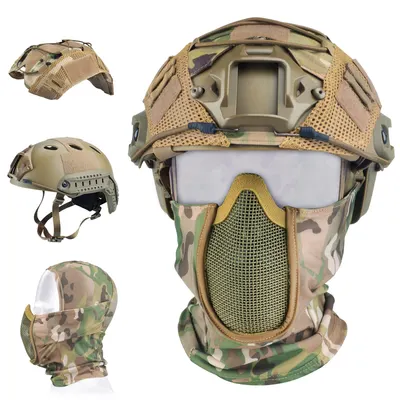
The catalogue lists two core product families: ballistic vests rated NIJ IIIA and a tactical helmet, each built from aramid material. Within the vest family, the entries span three HS‑code variations (V‑Fit 024, 6210.40, 6210.10), reflecting different customs classifications for protective garments, while the helmet is recorded under 6506.10, the standard heading for protective headgear. In the broader industry, NIJ‑IIIA vests are offered in sizes ranging from Small to XXX‑Large and often feature removable trauma plates; typical weight lies between 2.5 kg and 3.5 kg per vest. Helmets conform to EN 1063 or MIL‑STD‑2190 standards, with impact energy absorption ratings of 1,500 J to 2,000 J. Buyers frequently request details on fabric areal density (e.g., 40 g/m² per layer) and total vest thickness, which influence protection level and ergonomics.
Frequently Asked Questions About Mil-Tec Tactical Supplies
What ballistic protection level do Mil‑Tec’s vests provide?
All listed vests are rated NIJ Level IIIA, which must stop .44 Magnum and 9 mm FMJ projectiles according to the National Institute of Justice standard.
Which material is used in the helmets and vests?
Both the helmets and vests are described as being made from aramid fibers, a high‑strength synthetic material commonly known as Kevlar or Twaron.
What HS codes apply to the products?
The vests appear under HS codes V‑Fit 024, 6210.40 and 6210.10, while the tactical helmet is classified under HS code 6506.10.
Are any certifications required before purchase?
Buyers typically request NIJ test reports, CE marking for personal protective equipment, and ISO 9001 quality‑management certification; Mil‑Tec’s catalogue does not state existing certifications, so they should be confirmed with the supplier.
What packaging is used for shipment?
The supplier mentions tamper‑proof bags for protective gear; helmets are usually shipped in reinforced crates to prevent damage during transport.
SwedenRelated Suppliers & Products
Explore similar suppliers, related products and trending categories