Agriculture›
 Apparel and fashion accessories›
 Construction & real estate›💡Electronic & Electrical›🍎Food & Beverages›🛋️Home furnishing & supplies›⚗️Industrial goods & chemical›🪨Minerals & metals›📦Miscellaneous›Agriculture›Apparel and fashion accessories›Construction & real estate›💡Electronic & Electrical›🍎Food & Beverages›🛋️Home furnishing & supplies›⚗️Industrial goods & chemical›🪨Minerals & metals›📦Miscellaneous›
Marine Crossion Service Limited
⚓ Harbor , ChinaNew supplier / no reviews yet
Marine Crossion Service Limited Product Catalog
About Marine Crossion Service Limited - Electrodes Supplier in China
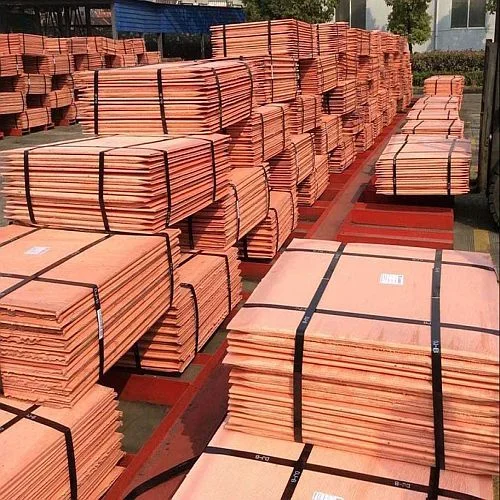
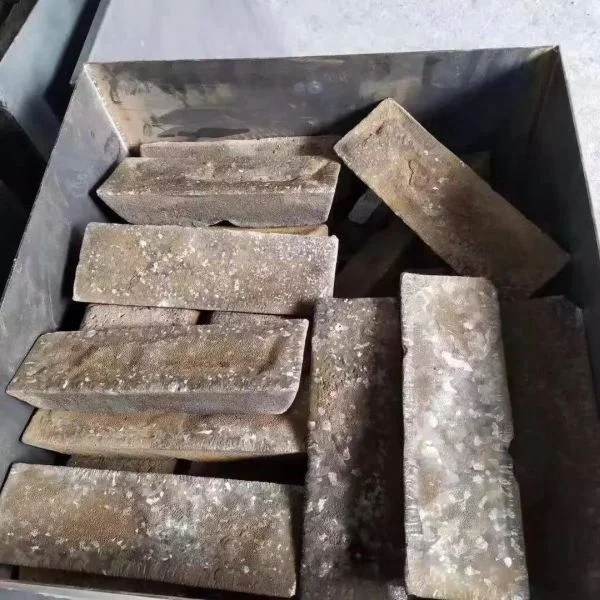
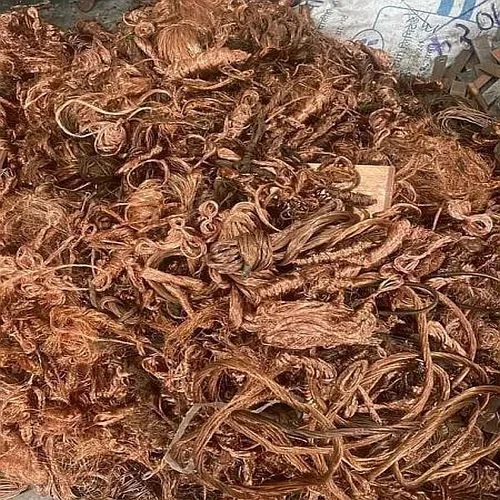
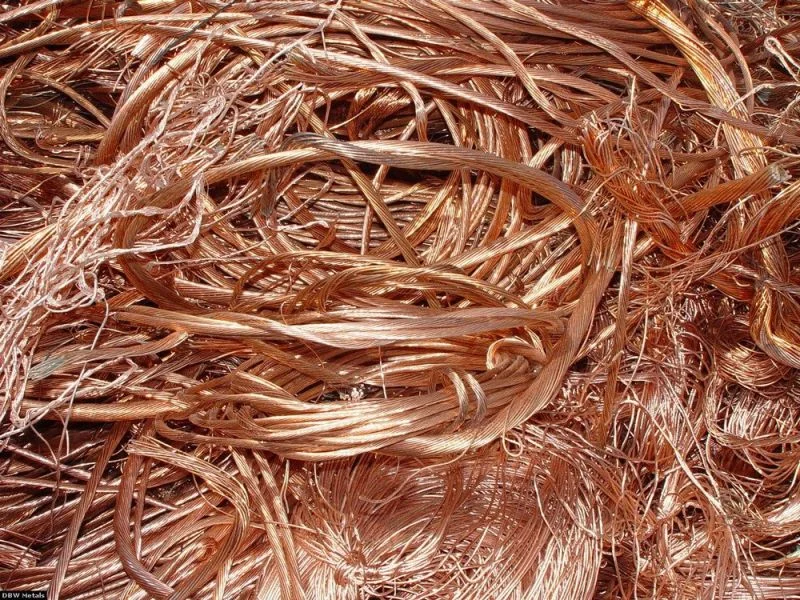
Marine Crossion Service Limited is based in China and currently lists seven active products. The catalogue covers electrodes and copper derivatives, including copper anodes, copper cathodes, copper alloy bars, copper rods, and two branded anodes (Nippon and Jotun). All copper‑based items are classified under HS code 7403.11, indicating electrolytic copper products, while the Wilson Walton anode falls under HS code 7204.29 for aluminum‑zinc‑indium alloys. The supplier also mentions agriculture as a top category, though no specific agricultural items appear in the provided product list.
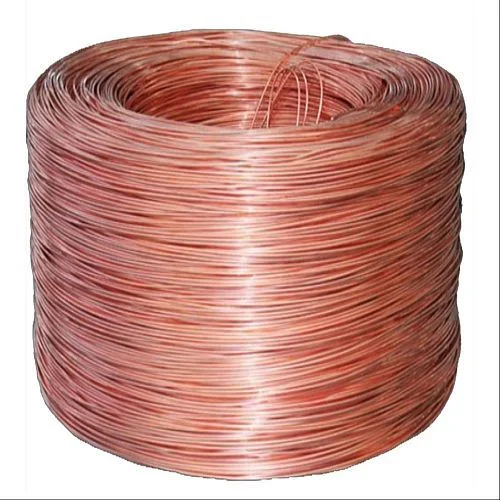
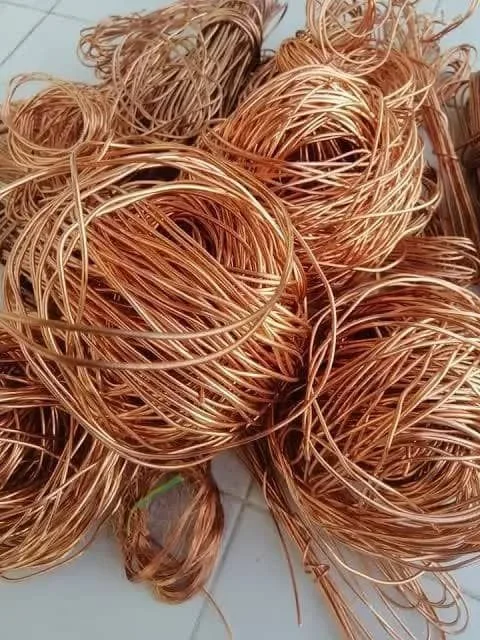
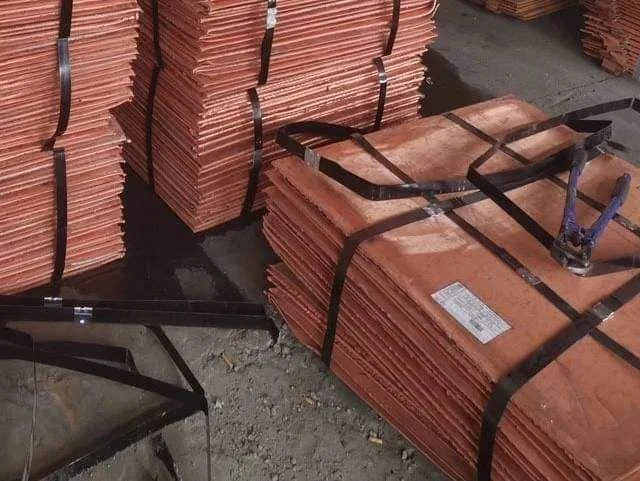
The copper anode and copper cathode are described as electrolytic copper with 99.99 % purity, the cathode noted as Grade A. Copper alloy bars are indicated as copper alloy containing 99.9 % electrolytic copper plus alloying elements. Copper rods are listed as electrolytic copper 99.9 % in either ETP (Electrolytic Tough Pitch) or OFC (Oxygen‑Free Copper) grades. The Wilson Walton anode uses a high‑purity zinc alloy with aluminum, zinc, and indium components. The two additional anodes, Nippon and Jotun, are listed without further technical data.
Product Range and Specialties of Marine Crossion Service Limited
The product range centers on copper electrodes used in electro‑refining and electro‑plating. Copper anodes and cathodes at 99.99 % purity meet the IEC 60228 standard for high‑conductivity copper, while the Grade A designation typically corresponds to a minimum tensile strength of 210 MPa and a maximum oxygen content of 0.02 %. Copper rods in ETP or OFC grades are commonly supplied in 12‑mm to 30‑mm diameters, conforming to ASTM B115 specifications for tensile strength and elongation. Copper alloy bars, with a base purity of 99.9 % and added alloying elements, are often produced to ASTM B152 or EN 12163 standards, where alloy composition is tailored for improved strength or corrosion resistance. The Wilson Walton anode, classified under HS 7204.29, aligns with typical high‑purity zinc alloys used for galvanic anodes, where indium content improves corrosion stability. Industry buyers also expect standard packaging such as wooden crates for ingots, coil wraps for rods, or bulk bags for powders, and shipping in 20‑ft or 40‑ft containers.
Frequently Asked Questions About Marine Crossion Service Limited
What HS codes are used for the copper products listed by Marine Crossion Service Limited?
The copper anode, cathode, alloy bars and rods are all classified under HS code 7403.11, which covers electrolytic copper products. The Wilson Walton anode is listed under HS code 7204.29 for aluminum‑zinc‑indium alloys.
What purity level is specified for the copper anode and cathode?
Both the copper anode and copper cathode are described as electrolytic copper with a purity of 99.99 % Cu. The cathode is further identified as Grade A, a common designation for high‑grade copper in the industry.
Which standard specifications apply to the copper rods offered?
The copper rods are indicated as electrolytic copper 99.9 % in either ETP (Electrolytic Tough Pitch) or OFC (Oxygen‑Free Copper) grades. These grades typically conform to ASTM B115, which defines tensile strength, elongation and permissible oxygen content.
What documentation should a buyer request for the Wilson Walton anode?
Buyers should ask for a mill test report that shows the exact Al‑Zn‑In composition and zinc purity, as well as a certificate of origin. Additional quality system certificates such as ISO 9001 are commonly requested for verification.
How are these copper products usually packaged for export?
Copper ingots and alloy bars are often packed in wooden crates or bulk bags, while copper rods are usually coiled and wrapped in protective film. Standard container sizes are 20‑ft and 40‑ft, with typical loads of 15‑20 metric tonnes per container.
ChinaRelated Suppliers & Products
Explore similar suppliers, related products and trending categories