Macroscope — Wholesaler & Wholesale Supplier
About Macroscope - Apparel and Spice Supplier in India
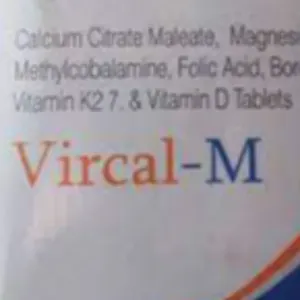
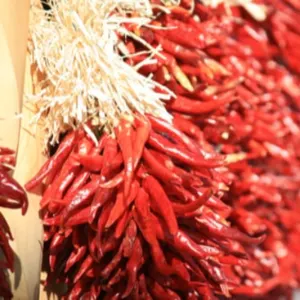
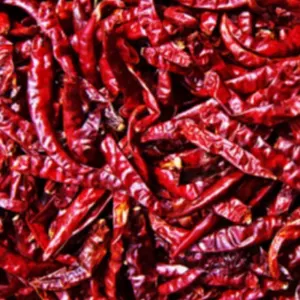
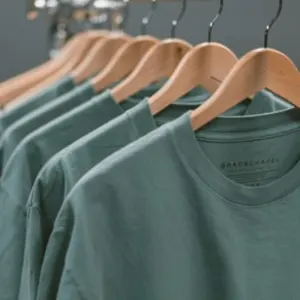
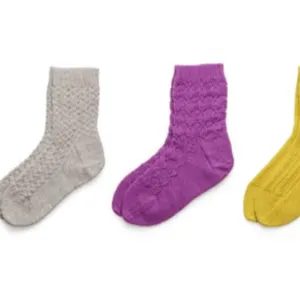
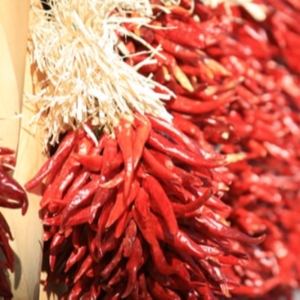
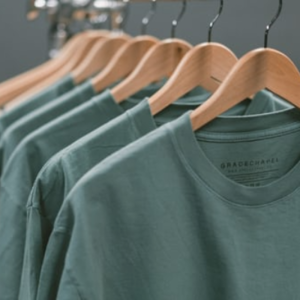
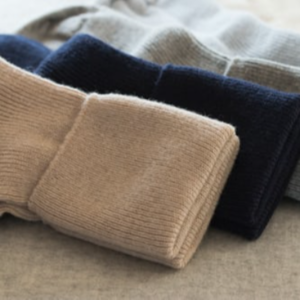
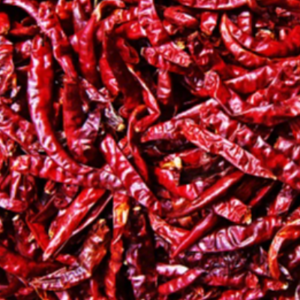
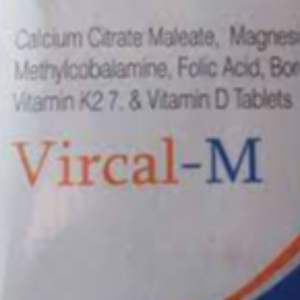
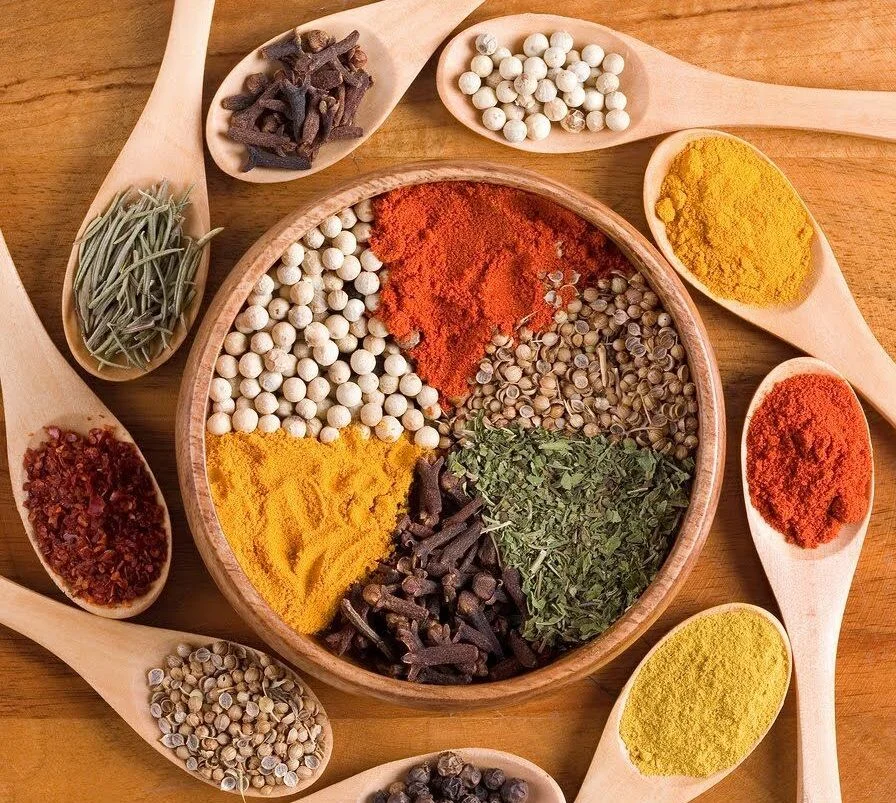
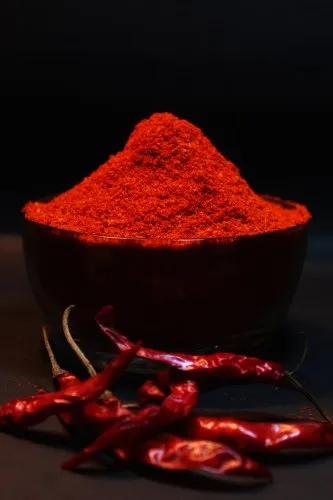
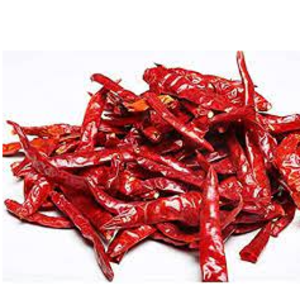
Macroscope, located in Hyderabad, Andhra Pradesh, India, is a supplier with an active product count of 5. They list a variety of products, including apparel such as socks and t-shirts, as well as spices like dried red chilli and chilli powder. Their product catalogue includes Socks with an HS code of 6115.11, made from Cotton or Cotton-Blend materials, and T Shirts with an HS code of 6109.10, made from 100% Cotton or Cotton/Polyester Blend. They also supply Sannam Dried Red Chilli Stemless and S-273 Dried Red Chili, both with an HS code of 0904.21, made from Capsicum annuum. Additionally, they offer VIRCAL M TAB, with an HS code of 2106.90, made from Vitamin and Mineral Nutritional Blend.
Exporters of apparel and spices from India, like Macroscope, typically ship their goods to regions such as Europe, North America, and the Middle East. The HS code families involved in these exports, such as 6115, 6109, and 0904, are subject to various regulatory requirements and certifications, such as those related to textile and food safety.
Product Range and Specialties of Macroscope
Macroscope's product range includes apparel and spices, with a focus on quality and variety. Buyers of apparel and spices usually require specifications such as fabric type, thread count, and spice grade. For example, socks may be made from cotton or cotton-blend materials, with a specific GSM and moisture percentage. Spices like dried red chilli may be graded according to their color, texture, and heat level, with common grades including S-273 and Stemless. The typical grades and standard specifications for these categories include ICUMSA 45 for sugar, and ISO 9001 for quality management. The common materials and variants buyers see in these categories include cotton, polyester, and blends, as well as various spice varieties and blends.
Trade and Export Information - Macroscope
Exporters of apparel and spices from India, like Macroscope, typically face regulations and requirements related to textile and food safety. The HS code families involved in these exports, such as 6115, 6109, and 0904, are subject to customs duties and taxes, as well as certifications such as ISO 9001 and HACCP. Buyers of these goods usually require documentation such as certificates of origin, commercial invoices, and packing lists. The Incoterms used in these exports may include CIF, FOB, and EXW, depending on the terms of the sale. The logistics and packaging norms for these goods typically involve standard containers, such as 20 ft and 40 ft containers, and packaging materials like cardboard and plastic.
Sourcing from Macroscope - Buyer Guidance
When sourcing from Macroscope, buyers should request specifications, samples, and test reports to verify the quality and authenticity of the goods. They should also confirm the HS code, material, and product type to ensure compliance with regulatory requirements. Additionally, buyers should verify the certifications and documents required for the category, such as ISO 9001 and HACCP, and request these from the supplier. The typical quality parameters and tests for these categories include moisture percentage, thread count, and spice grade. Buyers should also be aware of the MOQ and lead time for each product, as well as the packaging and shipping options available.
Frequently Asked Questions About Macroscope
What is the product range of Macroscope?
Macroscope supplies a variety of products, including apparel such as socks and t-shirts, as well as spices like dried red chilli and chilli powder. Their product catalogue includes Socks with an HS code of 6115.11, made from Cotton or Cotton-Blend materials, and T Shirts with an HS code of 6109.10, made from 100% Cotton or Cotton/Polyester Blend.
What certifications or documents should I request from the supplier?
Buyers should request certifications such as ISO 9001 and HACCP, as well as documents like certificates of origin, commercial invoices, and packing lists. They should also confirm the HS code, material, and product type to ensure compliance with regulatory requirements.
What are the typical quality parameters and tests for these categories?
The typical quality parameters and tests for these categories include moisture percentage, thread count, and spice grade. Buyers should also be aware of the MOQ and lead time for each product, as well as the packaging and shipping options available.
What is the MOQ and lead time for each product?
The MOQ and lead time for each product vary, and buyers should confirm these with the supplier before ordering. The typical MOQ for apparel and spices is 100-1000 units, and the lead time is 7-30 days.
What packaging and shipping options are available?
The packaging and shipping options available include standard containers, such as 20 ft and 40 ft containers, and packaging materials like cardboard and plastic. The Incoterms used in these exports may include CIF, FOB, and EXW, depending on the terms of the sale.
How do I verify the authenticity and quality of the goods?
Buyers can verify the authenticity and quality of the goods by requesting specifications, samples, and test reports, and by confirming the HS code, material, and product type. They should also request certifications and documents, such as ISO 9001 and HACCP, and verify these before ordering.
What are the common materials and variants used in these categories?
The common materials and variants used in these categories include cotton, polyester, and blends, as well as various spice varieties and blends. Buyers should confirm the material and product type with the supplier to ensure compliance with regulatory requirements.





 Hyderabad, India