M K Corp. — Supplier
About M K Corp. - Building Construction Machineries and Equipments Supplier in India
India is the origin country of M K Corp., which currently lists five active products in its catalogue. The supplier groups its offerings under broad categories such as Agriculture, Building Construction Machineries and Equipments, Concrete Mixer/Concrete Pump, and Road Rollers, Bulldozer & Wheel Loaders, indicating a focus on heavy‑duty construction and related agricultural equipment. The product count of five reflects a concise but targeted portfolio that aligns with typical Indian exporters of construction machinery. Each item is positioned within the machinery sector, matching the HS‑code families noted in the catalogue.
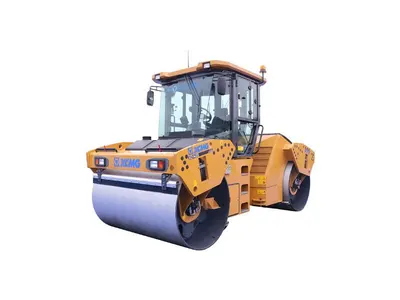
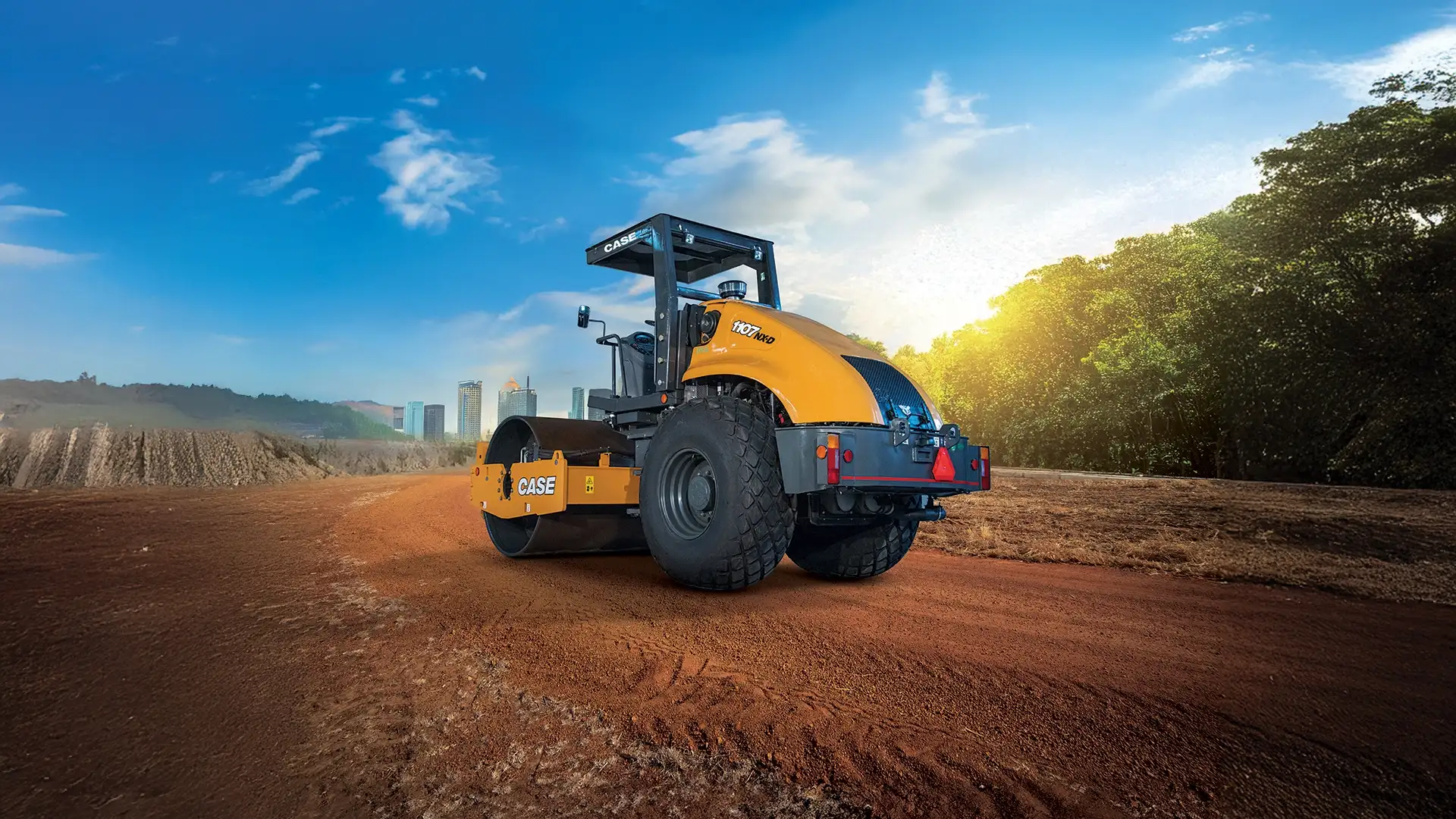
The catalogue includes a Four bin feeder (HS 8474.31) fabricated from mild‑steel plates 5 mm thick, Paver finishers (HS code not specified), an Asphalt bitumen sprayer (HS 8479.10) built with a carbon‑steel insulated tank and mild‑steel frame, Oil burners, and a Static road roller. These items fall under Chapter 84 machinery codes, with the feeder and sprayer explicitly mapped to HS 8474 and HS 8479 families respectively. The material descriptions point to standard carbon steel constructions commonly used for durable construction equipment.
Product Range and Specialties of M K Corp.
M K Corp.’s current catalogue lists four bin feeders, paver finishers, asphalt bitumen sprayers, oil burners and static road rollers. The feeder is described as a mild‑steel plate assembly, the sprayer combines a carbon‑steel insulated tank with a mild‑steel frame, while the other items are noted without detailed material data but are understood to be steel‑based construction machines.
In the construction equipment market, four bin feeders are typically designed with steel plate thickness between 4 mm and 6 mm to resist wear from aggregate handling, and they often meet ISO 9001 quality‑management standards. Paver finishers usually feature hydraulic power units rated between 30 kW and 70 kW and conform to EN 12620 surface‑finish specifications. Asphalt bitumen sprayers commonly have tank capacities of 200 - 500 L, pressure ratings up to 30 bar, and are insulated to maintain temperature stability. Oil burners for industrial heating are generally rated 5 - 30 kW and must comply with IEC 60335 safety standards. Static road rollers are offered in 8 - 15 tonne weight classes with drum widths of 800 mm to 1200 mm, and they are frequently CE‑marked for European markets.
Trade and Export Information - M K Corp.
India ranks among the top exporters of construction machinery, with key destination regions including the Middle East, Africa, South‑East Asia and parts of Europe. Products classified under HS 8474 and HS 8479 are subject to standard customs duties and often require a certificate of origin, as well as conformity certificates such as ISO 9001 or CE for EU buyers. Export shipments are typically handled in 20‑ft containers for smaller units like feeders and sprayers, while larger rollers may use 40‑ft containers or open‑top vessels, with FOB or CIF terms most common in B2B contracts.
Buyers generally request third‑party inspection reports from agencies such as SGS or Bureau Veritas, and they may require compliance with the Indian Bureau of Indian Standards (BIS) for equipment sold within certain markets. Packaging standards involve steel‑reinforced wooden crates, anti‑corrosion coatings and palletization to meet international handling requirements. Regulatory considerations include adherence to emission norms for oil burners and safety directives for pressure equipment, which are routinely verified during the import clearance process.
Sourcing from M K Corp. - Buyer Guidance
When sourcing from M K Corp., buyers should obtain detailed product data sheets that list dimensions, weight, power ratings and material certifications. Mill test reports confirming the mild‑steel plates meet ASTM A36 or Indian Standard IS 2062 are essential for verifying structural integrity. Requesting ISO 9001 quality‑management certificates, CE or BIS conformity documents, and a pre‑shipment inspection report will help ensure the equipment meets the buyer’s regulatory and performance expectations.
Typical lead times for custom‑fabricated steel machinery range from four to eight weeks, with a minimum order quantity often set at one unit due to the bespoke nature of the items. Prospective buyers should arrange for sample specifications or a prototype if possible, confirm container loading plans (e.g., 20‑ft for feeders, 40‑ft for rollers) and clarify Incoterms such as FOB Shanghai or CIF Dubai before finalising the purchase order.
Frequently Asked Questions About M K Corp.
What types of construction machinery does M K Corp. export?
The catalogue lists four bin feeders, paver finishers, asphalt bitumen sprayers, oil burners and static road rollers, all classified under HS chapter 84 (e.g., 8474.31 and 8479.10).
Which HS codes apply to the listed products?
Four bin feeder uses HS 8474.31, asphalt bitumen sprayer uses HS 8479.10; the remaining items fall under related HS 8474 or HS 8479 categories for construction machinery.
What material standards should buyers verify for the steel components?
Buyers should request mill test reports confirming the mild‑steel plates meet ASTM A36 or the Indian Standard IS 2062, with the listed thickness of 5 mm.
Which certifications are commonly required for Indian construction equipment exporters?
International buyers usually ask for ISO 9001 quality‑management certification, CE marking for EU markets, and the Indian BIS certification where applicable.
What are typical packaging and shipping methods for these machines?
Equipment is normally crated on wooden pallets, protected with anti‑corrosion coating, and shipped in 20‑ft or 40‑ft containers; larger rollers may be dispatched on open‑top containers.
What documentation should be requested before placing an order?
Request a commercial invoice, packing list, certificate of origin, product data sheet, mill test report for steel, and any relevant conformity certificates (ISO, CE or BIS) together with a pre‑shipment inspection report.




 , India