M.A. Exports — Verified Supplier
About M.A. Exports - Beads Supplier in India
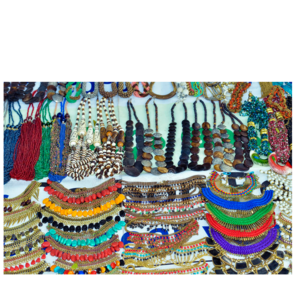
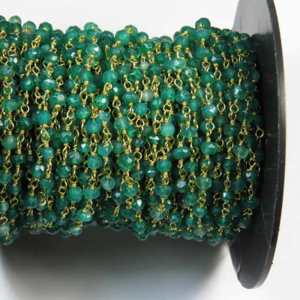
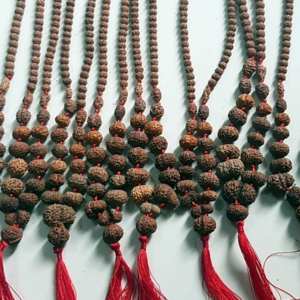
M.A. Exports, located in India, offers a diverse range of beads, with 5 active products in its catalogue. The company lists various types of beads, including Metal Beads, Glass Beads, Bone Beads, and Ceramic Beads. Specifically, the Bone Beads are made from Natural Animal Bone (Cattle/Buffalo) and fall under the HS code 9601.90, while the Ceramic Beads are composed of Alumina Oxide (Al2O3) / Zirconia Oxide (ZrO2) Composite Ceramic and are classified under the HS code 6909.19. Buyers can expect to find these products in various markets, with exporters of beads in India typically targeting regions such as North America, Europe, and Australia.
Product Range and Specialties of M.A. Exports
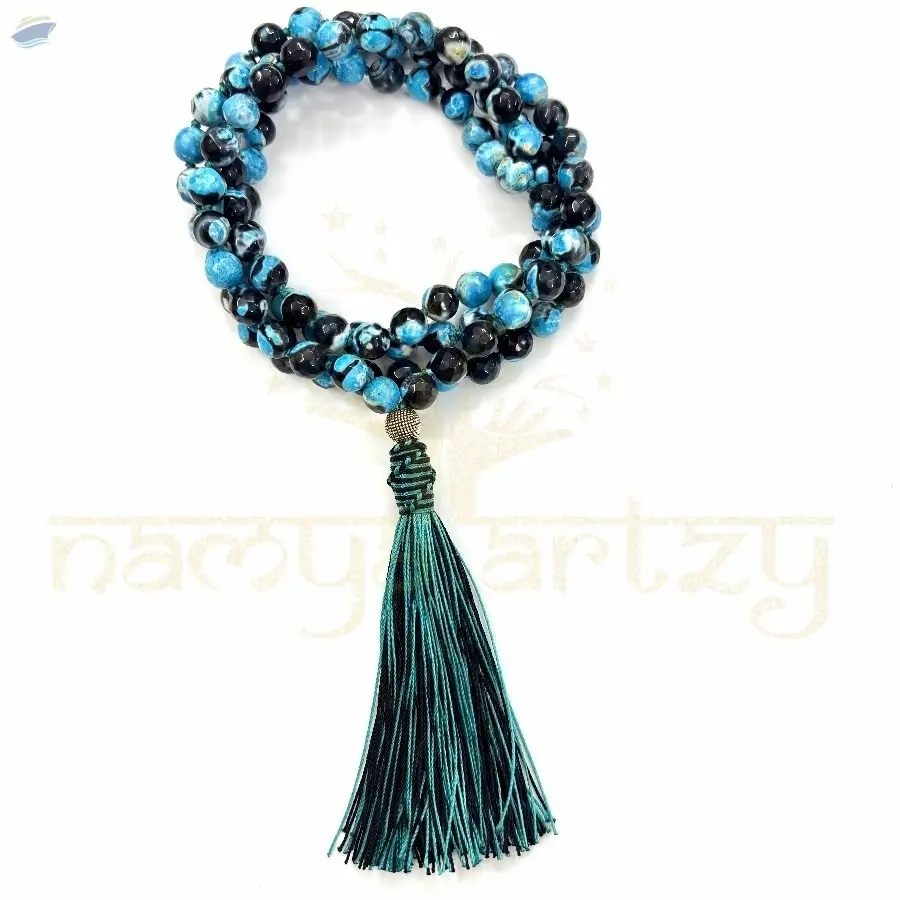
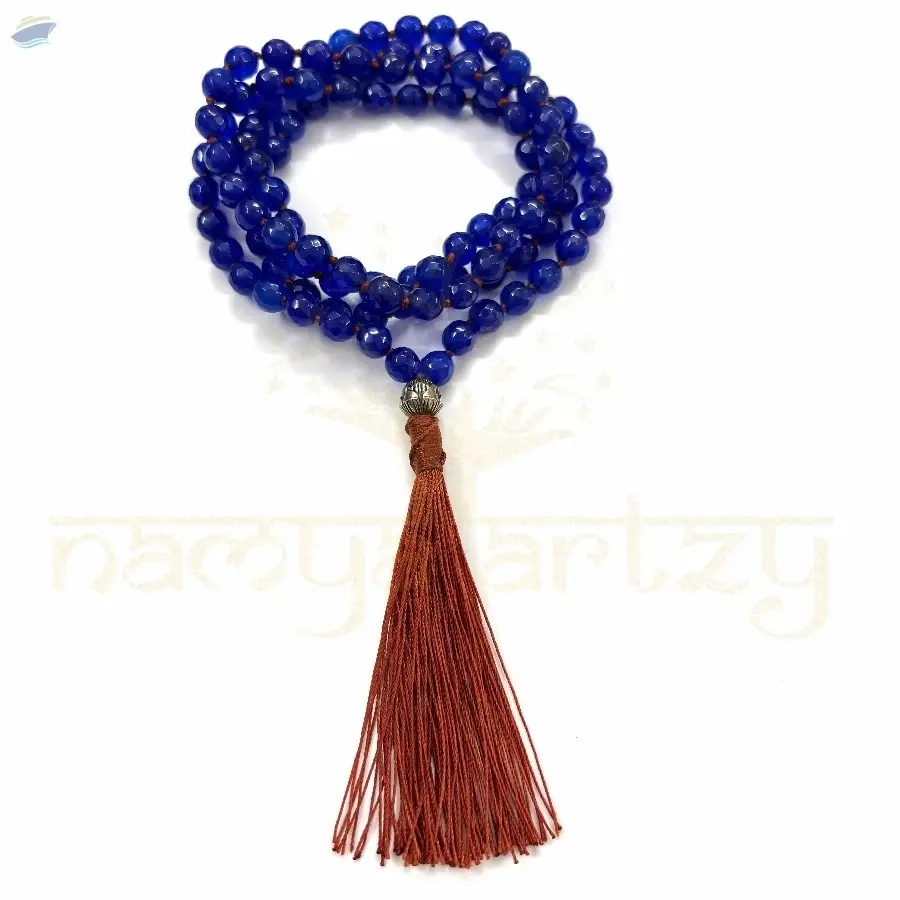
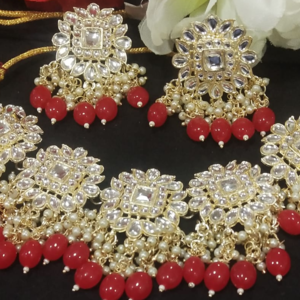
M.A. Exports' product range includes Beads, Glass Beads, and Artificial Jewellery. The company's catalogue features specific products like Metal Beads, Bone Beads Bracelets, and Ceramic Beads. In the beads industry, buyers usually require certifications such as ISO 9001 or ISO 14001, and look for products that meet standards like ASTM or DIN. For instance, the Ceramic Beads, with their Alumina Oxide (Al2O3) / Zirconia Oxide (ZrO2) Composite Ceramic material, are likely to be of interest to buyers seeking quality, durable beads.
Trade and Export Information - M.A. Exports
Exporters of beads from India, like M.A. Exports, typically deal with importers from various regions, including the Middle East, Africa, and Southeast Asia. The HS code families involved in the trade of beads include 9601 and 6909. Buyers of beads usually require compliance with regulations like REACH or CPSIA, and may ask for certifications like CE or FDA. In terms of logistics, exporters often use Incoterms like FOB or CIF, and package their goods in 20 ft or 40 ft containers. For example, a buyer of Bone Beads may request that the goods be packaged in bags of 25 kg each, with a moisture content of less than 10%.
Sourcing from M.A. Exports - Buyer Guidance
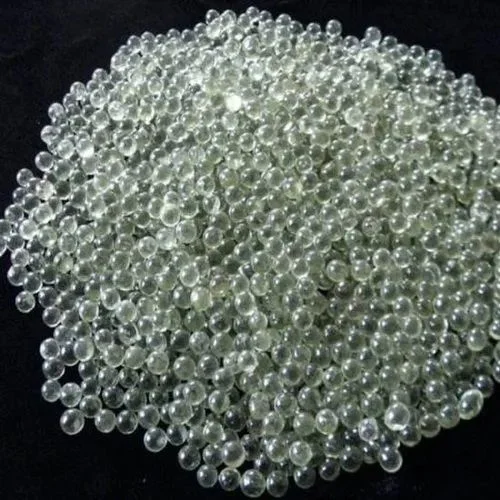
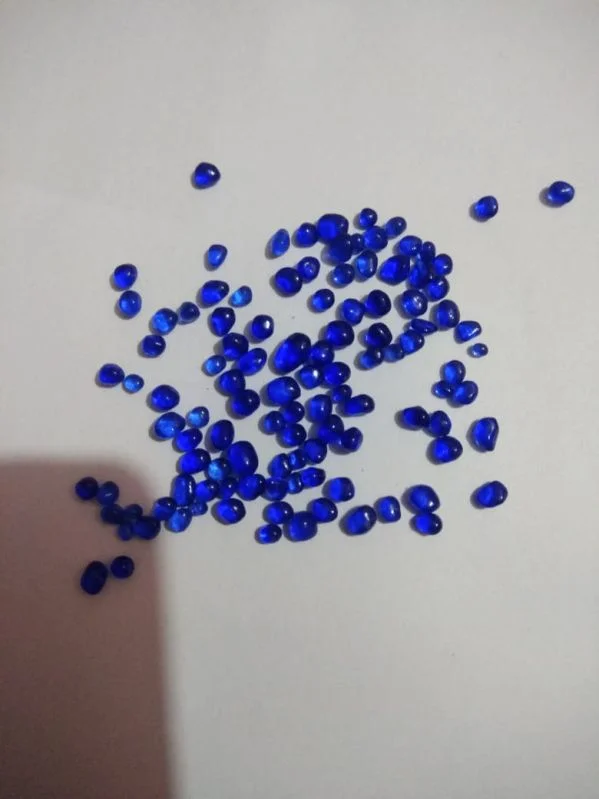
When sourcing from M.A. Exports, buyers should request specifications, samples, and test reports to verify the quality of the beads. It is also important to confirm the material composition, such as the type of metal or ceramic used, and to check for any certifications or compliance with regulations. Buyers should be aware of the typical quality parameters for beads, such as size, shape, and color, and should verify these parameters before placing an order. For instance, a buyer of Glass Beads may want to request a sample with a specific size range, such as 6-8 mm in diameter, and a color palette that meets their requirements.
Frequently Asked Questions About M.A. Exports
What types of beads does M.A. Exports offer?
M.A. Exports offers a range of beads, including Metal Beads, Glass Beads, Bone Beads, and Ceramic Beads, with specific materials and HS codes for each product.
What certifications should I request from M.A. Exports?
Buyers should request certifications like ISO 9001 or ISO 14001, and compliance with regulations like REACH or CPSIA, to ensure the quality and safety of the beads.
What is the typical MOQ for beads from M.A. Exports?
The typical MOQ for beads from M.A. Exports may vary depending on the product and material, but buyers should confirm this with the supplier before placing an order.
How are the beads packaged and shipped?
M.A. Exports packages its beads in various ways, including bags or containers, and ships them via Incoterms like FOB or CIF, with buyers should confirm the specific packaging and shipping details before placing an order.
What are the typical quality parameters for beads?
The typical quality parameters for beads include size, shape, color, and material composition, and buyers should verify these parameters before placing an order to ensure they meet their requirements.
Can I request a custom size or color for the beads?
Yes, buyers can request custom sizes or colors for the beads, but should confirm with M.A. Exports whether this is possible and what the lead time and MOQ would be.
How do I verify the authenticity of the beads?
Buyers can verify the authenticity of the beads by requesting certifications, test reports, and samples, and by checking the material composition and quality parameters.




 , India