Agriculture›
 Apparel and fashion accessories›
 Construction & real estate›💡Electronic & Electrical›🍎Food & Beverages›🛋️Home furnishing & supplies›⚗️Industrial goods & chemical›🪨Minerals & metals›📦Miscellaneous›Agriculture›Apparel and fashion accessories›Construction & real estate›💡Electronic & Electrical›🍎Food & Beverages›🛋️Home furnishing & supplies›⚗️Industrial goods & chemical›🪨Minerals & metals›📦Miscellaneous›
LTS Mineral Product Catalog


About LTS Mineral - Petroleum By Products Supplier in Germany
LTS Mineral is based in Germany and currently lists 19 active products across several petroleum and fertilizer streams. The catalogue includes jet fuels, diesel grades, various fuel oils, natural gas forms, gasoline, bitumen, crude blends, base oil, petroleum coke, and nitrogen‑based fertilizers such as urea and diammonium phosphate. Each product aligns with standard international classifications used in the energy and chemicals trade. The supplier is classified in the \"harbor\" trust tier, indicating a certain level of verification on the platform. The product set spans both refined petroleum derivatives and primary agricultural inputs.
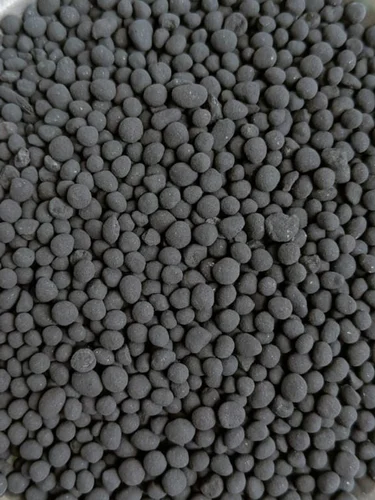
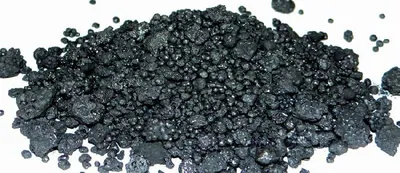
The product list features Jet Fuel A1/JP‑54 and JPA1, Diesel EN590 and D2, Virgin Fuel Oil D6, Kerosene 54, various grades of bitumen (60/70 and 70/90), natural gas in gaseous and LNG forms, Gasoline 93 octane, crude oil blends, base oil, furnace oil, automotive gas oil, petroleum coke, as well as Urea 46 % granular and DI‑Ammonium Phosphate. In global trade these commodities are normally classified under HS Chapter 27 for petroleum products and Chapter 31 for fertilizers. The range therefore covers both liquid fuels for transport and power generation and solid fertilizers for agricultural use.
Product Range and Specialties of LTS Mineral
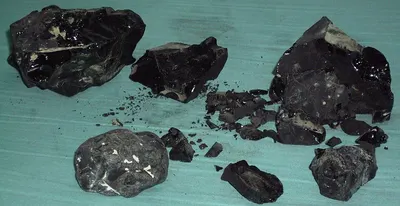
LTS Mineral’s catalogue includes jet fuels that meet ASTM D1655 and EN 15940 specifications, typically with a flash point above 38 °C and a sulfur content below 10 ppm. Diesel EN590 conforms to the EU standard with a minimum cetane number of 51, density around 0.84 kg/m³ and sulfur limits of 10 ppm. The listed fuel oils such as Virgin Fuel Oil D6 and furnace oil are graded by viscosity (Cst values) and are commonly used in industrial boilers. Bitumen grades 60/70 and 70/90 are defined by penetration values of 60 - 70 and 70 - 90 × 0.1 mm respectively, and are standard for road surfacing and roofing. Natural gas is offered both as pipeline gas and LNG, with LNG typically shipped at - 162 °C in insulated tanks. The fertilizer products - Urea 46 % granular and DI‑Ammonium Phosphate - follow the usual N‑content grades of 46 % and P₂O₅ content of about 46 % respectively, and are supplied in bulk bags or bulk ship loads.
Frequently Asked Questions About LTS Mineral
What specifications does LTS Mineral’s Jet Fuel A1/JP‑54 meet?
The jet fuel is produced to ASTM D1655 and EN 15940 standards, with a flash point above 38 °C, a sulfur content typically under 10 ppm and a specified energy content of around 42 MJ/kg.
Does LTS Mineral supply natural gas in LNG form?
Yes, the catalogue includes Natural Gas LNG, which is shipped in cryogenic insulated tanks at - 162 °C and conforms to the specifications of the LNG industry under HS 2711.
How can I obtain a certificate of analysis for Diesel EN590?
Request a recent COA from LTS Mineral that lists density, cetane number, sulfur level, and cold‑filter plugging point; the COA is usually issued by an accredited laboratory.
What are the typical sulfur limits for the supplied fuel oils?
German‑origin fuel oils such as Virgin Fuel Oil D6 and furnace oil generally have sulfur limits of 10 ppm for low‑sulfur grades and up to 500 ppm for higher‑sulfur industrial grades, depending on the buyer’s requirement.
Are the urea and DI‑Ammonium Phosphate products compliant with EU fertilizer regulations?
Both products are listed with standard N‑content (46 % for urea) and P₂O₅ content (≈46 % for DAP); buyers should request REACH registration proof and a product safety data sheet to confirm compliance.
 Germany
Related Suppliers & Products
Explore similar suppliers, related products and trending categories