Lianda Industrial Science And Technology (Dalian) Co. Ltd. — Verified Supplier
About Lianda Industrial Science And Technology (Dalian) Co. Ltd. - Metal Products Supplier in China
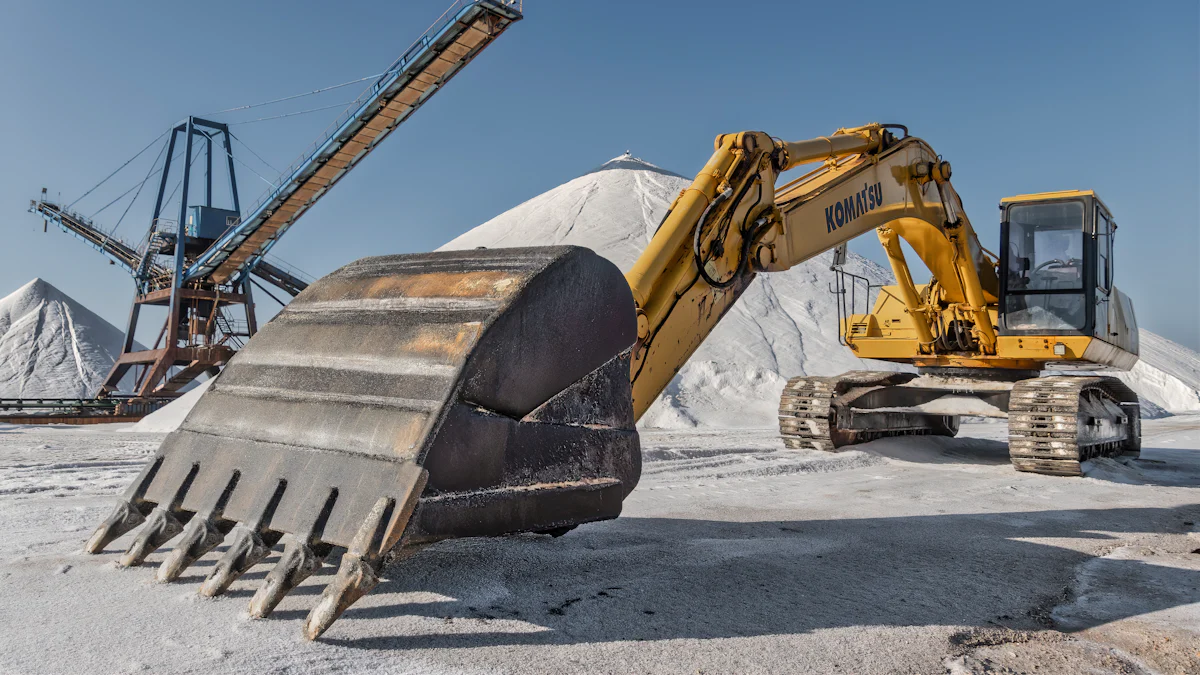
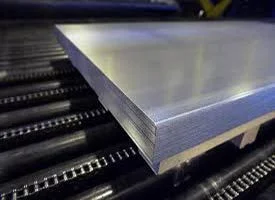
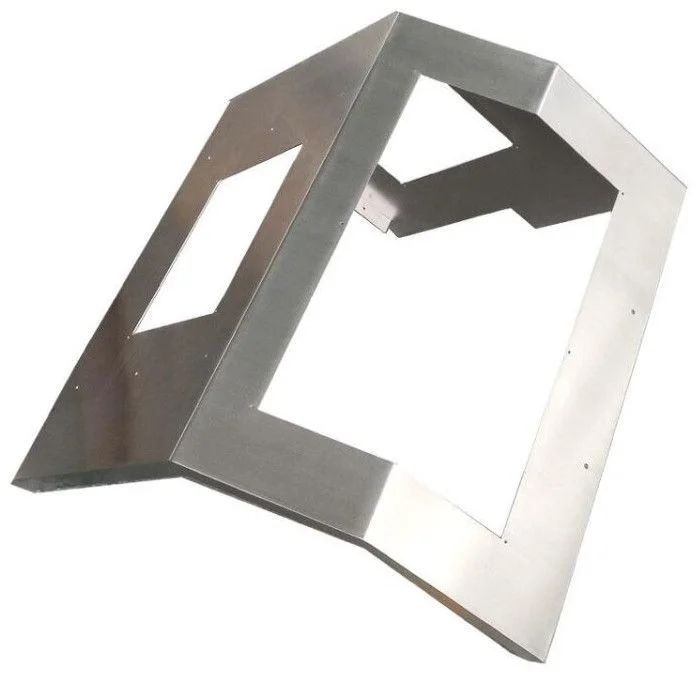
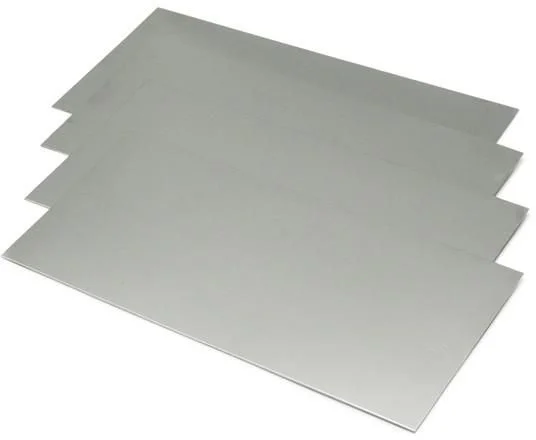
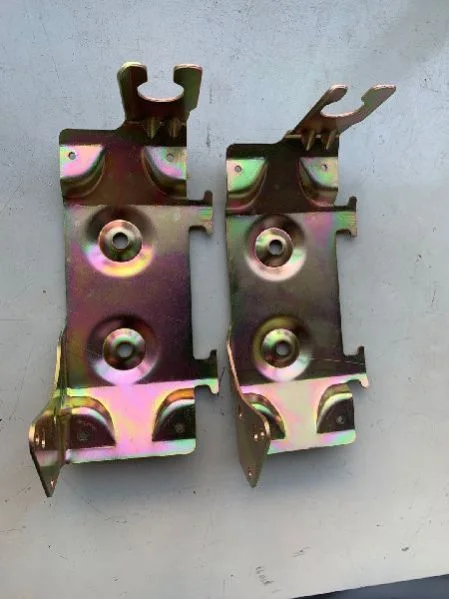
China, Dalian‑based Lianda Industrial Science And Technology (Dalian) Co. Ltd. lists eleven active products across metal‑working and construction categories. The catalogue includes roller machinery metal parts (HS 8483.60) made from alloy steel 4140 and carbon steel C45, as well as sheet metal fabrication (HS 8479.89) using stainless steel 304/316, carbon steel, aluminum 5052/6061 and galvanized steel. Additional entries cover factory metal case fabrication (HS 7326.90) with cold‑rolled, galvanized and stainless steel, and building materials metal parts‑precision (HS 7604.29) fabricated from aluminum alloy 6061‑T6 and stainless steel 304. The supplier also offers stretching metal parts (HS 8481.94) in carbon steel Q235, stainless steel 304 and aluminum 6061, shovel metal parts fabrication (HS 7326.90), building steel formwork (HS 7308.90) from structural steel S235/S355, loader brake pads metal parts (HS 8708.30) using cold‑rolled steel grades SPCC/DC01, and several laser‑cut components such as forklift and excavator metal parts without HS codes listed.
The product set spans sheet metal components, precision‑cut parts for construction equipment, and structural steel items used in formwork and building assemblies. Materials range from high‑strength alloy steels to corrosion‑resistant stainless and aluminum alloys, reflecting typical specifications for machinery, crane, lift and excavator spare parts. Each entry is identified by an HS code that places it within the global customs tariff structure for metal products, facilitating import/export classification. The supplier’s catalogue therefore provides a concise inventory of metal‑fabrication capabilities relevant to industrial and construction markets.
Product Range and Specialties of Lianda Industrial Science And Technology (Dalian) Co. Ltd.
The catalogue presents metal parts fabricated from alloy steel 4140, carbon steel C45, stainless steel grades 304/316, aluminum 5052/6061 and structural steel S235/S355. In the industry, alloy steel 4140 is commonly supplied to a hardness of 28‑32 HRC and tensile strength around 600 MPa, while carbon steel C45 targets a tensile strength of 600‑800 MPa after heat treatment. Stainless 304/316 are standard for corrosion‑resistance with typical yield strengths of 215 MPa (304) and 290 MPa (316), and aluminum 6061‑T6 is widely used for its 310 MPa tensile strength and good machinability. Formwork steel (S235/S355) complies with EN 10025, offering yield strengths of 235 MPa and 355 MPa respectively, suitable for load‑bearing temporary structures.
Typical product specifications in this segment include laser‑cut tolerances of ±0.1 mm, surface roughness Ra ≤ 1.6 µm for precision components, and heat‑treatment certificates for alloy and carbon steels. Buyers often request mill test reports (MTR) that list chemical composition and mechanical properties, as well as compliance with standards such as ASTM A29 for carbon steel bars, ASTM A240 for stainless plates, and ISO 9001 quality management certification in the manufacturing facility.
Trade and Export Information - Lianda Industrial Science And Technology (Dalian) Co. Ltd.
China is a major exporter of fabricated metal components, and products classified under HS chapters 73 (iron and steel) and 84 (machinery parts) are routinely shipped to construction, heavy‑equipment and automotive sectors in Southeast Asia, the Middle East, Africa and Europe. Typical buyers request documentation that includes a commercial invoice, packing list, certificate of origin and, where required, a CE declaration of conformity for equipment parts. Containerization is standard, with 20‑ft or 40‑ft containers packed on wooden pallets or in reinforced crates to protect laser‑cut edges during transit. Incoterms most often used are FOB Dalian or CIF destination ports, allowing buyers to manage freight and insurance according to their logistics strategy.
For metal parts such as forklift radiators, brake pads and formwork, import regulations frequently cite ISO 9001, ISO 14001 and sector‑specific standards like EN 1090 for structural steel fabrication. Customs authorities may also request a test report confirming that alloy steel 4140 meets DIN 1.7225 or that stainless steel 304 complies with EN 10088. Exporters from China typically maintain a quality assurance system that can generate these certificates on demand, facilitating clearance in markets that enforce strict material traceability.
Sourcing from Lianda Industrial Science And Technology (Dalian) Co. Ltd. - Buyer Guidance
When sourcing metal parts from Lianda, request mill test reports for each alloy or steel grade to verify chemical composition and mechanical properties against the specifications mentioned in the catalogue. Ask for laser‑cutting tolerance certificates and surface‑finish inspection reports, especially for precision components used in equipment assemblies. Confirmation of ISO 9001 registration or equivalent quality‑management documentation helps assess the supplier’s process control.
Buyers should also clarify packaging details - whether parts will be crated, palletized, or wrapped in anti‑rust film - and confirm container dimensions (standard 20 ft or 40 ft). Prior to placing a large order, obtaining a sample batch and a pre‑shipment inspection report can reveal any deviation in material grade, heat‑treatment condition or dimensional accuracy. Verify that the HS codes listed match the intended customs classification to avoid unexpected duties.
Frequently Asked Questions About Lianda Industrial Science And Technology (Dalian) Co. Ltd.
What HS codes apply to the metal parts listed by Lianda?
The catalogue assigns HS 8483.60 to roller machinery parts, 8479.89 to sheet metal fabrication, 7326.90 to factory metal case and shovel parts, 7604.29 to building‑materials precision parts, 8481.94 to stretching parts, 7308.90 to building steel formwork, and 8708.30 to loader brake pads. Products without a listed code fall under the broader chapter 84 for machinery components.
Which material certifications should I request for stainless steel components?
Ask for a mill test report that references ASTM A240 or EN 10088, confirming the stainless grade (304 or 316) and its mechanical properties. A certificate of corrosion‑resistance testing, such as a salt‑spray test, is also common for parts exposed to harsh environments.
What are typical minimum order quantities (MOQ) for laser‑cut metal parts?
MOQs vary by part size and material but generally start at one full sheet or a batch of 10 units for small components. Larger structural items like formwork panels often have MOQs defined by the number of panels required for a standard 20 ft container load.
What lead time can I expect for a custom aluminium 6061‑T6 part?
Standard lead times range from 15 to 30 days after design approval, depending on the complexity of the laser‑cut profile and any post‑processing such as anodizing. Rush orders may be accommodated with a surcharge and a shortened schedule of 7‑10 days.
How are the parts packaged for international shipment?
Lianda typically packs metal components on wooden pallets, wrapped in anti‑corrosion film, and secured in reinforced wooden crates for larger items. For container loads, parts are arranged to maximize space while protecting edges from impact.
Which Incoterms does Lianda usually work with?
The supplier commonly offers FOB at the Dalian port, allowing the buyer to arrange freight and insurance, and CIF to major destination ports for buyers who prefer the seller to handle shipping costs and insurance.
What testing reports are provided for structural steel formwork?
Formwork items are supplied with a certificate of compliance to EN 1090, including weld‑quality testing and a load‑bearing test report that verifies the design strength of S235/S355 steel under typical construction loads.
Can I request a sample before placing a full order?
Yes, Lianda can provide a sample of the selected material and laser‑cut profile. The sample will be accompanied by the relevant mill test report and dimensional inspection results to confirm compliance with the requested specifications.




 , China