Lepid Life Sciences Pvt Ltd. — Verified Supplier
About Lepid Life Sciences Pvt Ltd. - Industrial Chemicals Supplier in India
India is a major exporter of industrial chemicals and related specialty products. Lepid Life Sciences Pvt Ltd. currently lists 54 distinct items in its catalogue. The catalogue spans pigments such as Pearl Pigment Lb183 and Transparent Iron Oxide Pigment Yellow, organic intermediates like 6‑chloronicotinic Acid (HS 2933.39) and 4‑fluorobenzaldehyde (HS 2912.29), and inorganic chemicals including Calcium Chloride (HS 2827.31) and Super Micronized Gypsum (HS 2520.10). Additional entries include biocide paste Acticide Ep (HS 3808.94), polymer additives such as Sodium Carboxymethyl Cellulose and Methyl Hydroxyethyl Cellulose (HS 3912.39), and specialty carbon materials. The product list also covers raw materials like Calcium Carbonate, Zirconium Dioxide, and Anionic Exchange Resin. All items are grouped under the broader categories Agriculture, Chemicals & Allied Products, and Industrial Chemicals as indicated in the supplier’s profile.
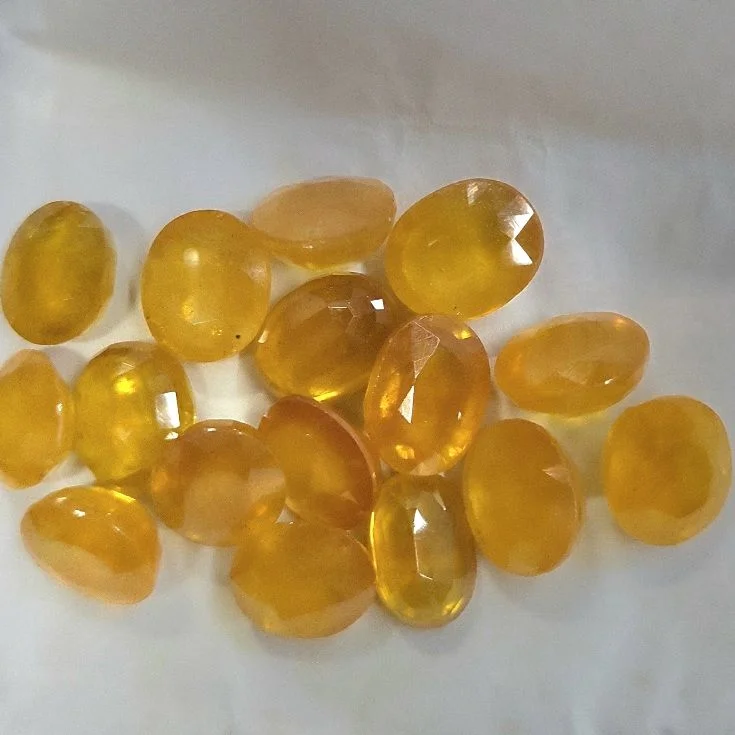
The pigment line features multiple Pearl Pigment series (Lb183, Lb305, Lb235, etc.) which are commonly used in coatings and plastics. Iron oxide pigments are supplied in both yellow and red transparent forms, matching typical ICUMSA grades for colour consistency. The calcium chloride offered is specified at 94‑96 % purity, a standard range for de‑icing and dust‑control applications. Gypsum is supplied as a micronized calcium sulfate dihydrate, a particle size that meets the requirements for construction plaster and agricultural soil amendment. Organic intermediates such as 6‑chloronicotinic Acid and 4‑fluorobenzaldehyde are listed with their chemical formulas, aligning with standard API specifications for pharmaceutical synthesis. The biocide paste uses OIT as the active ingredient, a biocidal component frequently regulated under the EU Biocidal Products Regulation.
Product Range and Specialties of Lepid Life Sciences Pvt Ltd.
Lepid Life Sciences’ catalogue lists colour pigments (Pearl Pigment series, Transparent Iron Oxide Yellow and Red), inorganic salts (Calcium Chloride, Calcium Carbonate, Gypsum), organic intermediates (6‑chloronicotinic Acid, 4‑fluorobenzaldehyde, N,N‑bis(trimethylsilyl) urea), polymer additives (Sodium Carboxymethyl Cellulose, Methyl Hydroxyethyl Cellulose), carbon black, and specialty chemicals such as Zirconium Dioxide and Anionic Exchange Resin. In the pigment market, buyers typically look for particle size below 10 µm, CI colour index specifications, and heavy‑metal limits below 10 ppm. Calcium chloride grades are usually classified by purity (94‑96 %) and moisture content (<0.5 %). Gypsum supplied as a micronized product generally targets a specific surface area of 250 - 300 m²/kg. Organic acids and aldehydes are evaluated against USP‑NF specifications for assay (≥98 %) and residual solvents. Polymer additives are measured by viscosity (cP) at 25 °C and degree of substitution, while carbon black quality is expressed in DB‑value and particle size distribution. The supplier’s product set therefore covers the typical specifications that downstream manufacturers in coatings, plastics, agro‑chemicals and pharmaceuticals require.
Trade and Export Information - Lepid Life Sciences Pvt Ltd.
India ranks among the top global exporters of industrial chemicals, with major destinations in Southeast Asia, the Middle East, Europe and North America. Products such as calcium chloride, gypsum and polymer additives fall under HS chapter 28 (inorganic chemicals) and HS 39 (plastics and articles thereof), and are commonly shipped in bulk 20‑ft or 40‑ft containers with moisture‑proof packaging. Buyers of pigments and colourants usually request compliance with ISO 9001 quality management, REACH registration for the European market, and safety data sheets (SDS) that meet GHS labeling. Biocide paste classified under HS 3808.94 often requires additional registration under the EU Biocidal Products Regulation (BPR) or equivalent national authorities. Organic intermediates in HS 2912 and 2933 families are subject to customs inspection for controlled substances and may need certificates of analysis (CoA) confirming purity and absence of prohibited halogens. Typical incoterms for Indian chemical exporters include FOB Mumbai or CIF destination ports, with temperature‑controlled containers for hygroscopic materials like calcium chloride. The supplier’s catalogue does not list specific certifications, so buyers should verify ISO, REACH, and any sector‑specific approvals before contract finalisation.
Sourcing from Lepid Life Sciences Pvt Ltd. - Buyer Guidance
When sourcing from Lepid Life Sciences, buyers should request a current Certificate of Analysis for each chemical to confirm purity, moisture content and heavy‑metal limits. For pigments, a particle‑size distribution report and a colour‑index verification (e.g., CI or Pantone match) are standard due diligence items. Organic intermediates such as 6‑chloronicotinic Acid and 4‑fluorobenzaldehyde should be supplied with an SDS, a REACH registration number (if destined for the EU), and a stability‑tested batch record. Inorganic salts like Calcium Chloride require a CoA showing 94‑96 % purity, <0.5 % moisture and chloride‑ion concentration. Bulk shipments of gypsum and calcium carbonate are typically packed in moisture‑resistant bags or bulk drums; buyers should confirm the bag weight (e.g., 25 kg) and the container sealing method. Because the supplier does not list explicit certifications, purchasers are advised to ask for ISO‑9001 certification, any applicable food‑grade or pharma‑grade approvals, and to arrange pre‑shipment sampling where feasible.
Frequently Asked Questions About Lepid Life Sciences Pvt Ltd.
What pigments does Lepid Life Sciences offer and what are the typical specifications?
The supplier lists Pearl Pigment series (e.g., Lb183, Lb305) and Transparent Iron Oxide pigments in yellow and red. Typical specifications include particle size below 10 µm, CI colour index compliance and heavy‑metal limits under 10 ppm.
Which HS codes apply to the biocide paste and calcium chloride?
Acticide Ep Paste is coded under HS 3808.94 and is an OIT‑based biocidal paste. Calcium Chloride is listed under HS 2827.31 with a purity of 94‑96 %.
What documentation should a buyer request for the organic intermediates?
Buyers should request a Safety Data Sheet, a Certificate of Analysis showing assay ≥98 % and a REACH registration number if the goods are destined for the European market.
How is Super Micronized Gypsum typically packaged for export?
It is normally packed in moisture‑proof bags of 25 kg or bulk drums, with the HS code 2520.10 indicating calcium sulfate dihydrate, and shipped in sealed containers to prevent moisture absorption.
Are there any standard certifications buyers need to verify for these chemical products?
Commonly required certifications include ISO 9001 quality management, REACH compliance for EU shipments, and sector‑specific approvals such as FDA food‑grade status for additives used in food applications.
What are the usual minimum order quantities (MOQ) and lead times for the listed chemicals?
MOQs vary by product; bulk inorganic salts often start at 1 tonne, while specialty pigments may have MOQs of 500 kg. Lead times typically range from 4 to 8 weeks after order confirmation, depending on product availability and regulatory clearances.
Which shipping terms are most frequently used for these exports?
Exporters from India commonly use FOB Mumbai or CIF destination ports. Temperature‑controlled containers are used for hygroscopic materials such as calcium chloride, while standard dry containers suffice for pigments and gypsum.
What quality tests are standard for carbon black supplied by Lepid Life Sciences?
Carbon black quality is usually expressed by DB‑value, particle size distribution (D50) and iodine number. Buyers should request a test report covering these parameters to ensure suitability for rubber or pigment formulations.




 , India