Leonzon International Trading (Wuxi) Limited — Supplier
About Leonzon International Trading (Wuxi) Limited - Apparel Supplier in China
Leonzon International Trading (Wuxi) Limited is based in Wuxi, Jiangsu Province, China and currently lists seven active products. The catalogue is classified under the Agriculture top‑category but the items are textile garments that fall within the HS 6101‑6102 (knitted) and HS 6201‑6202 (woven) families commonly used for ladies' and children's apparel.
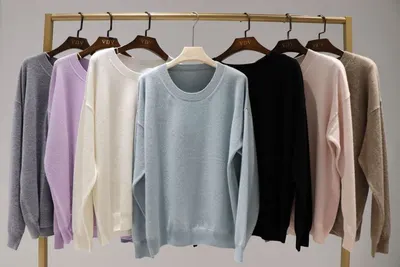
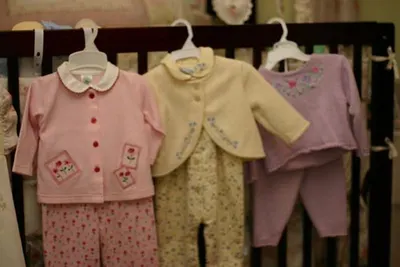
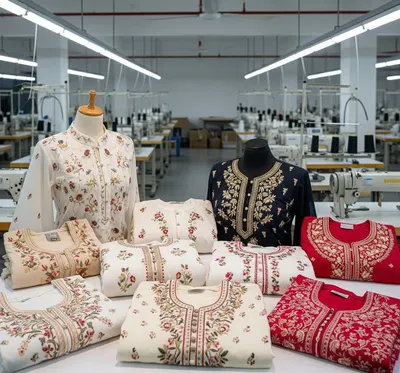
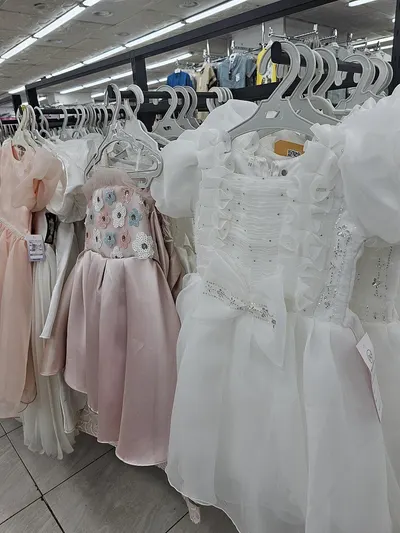
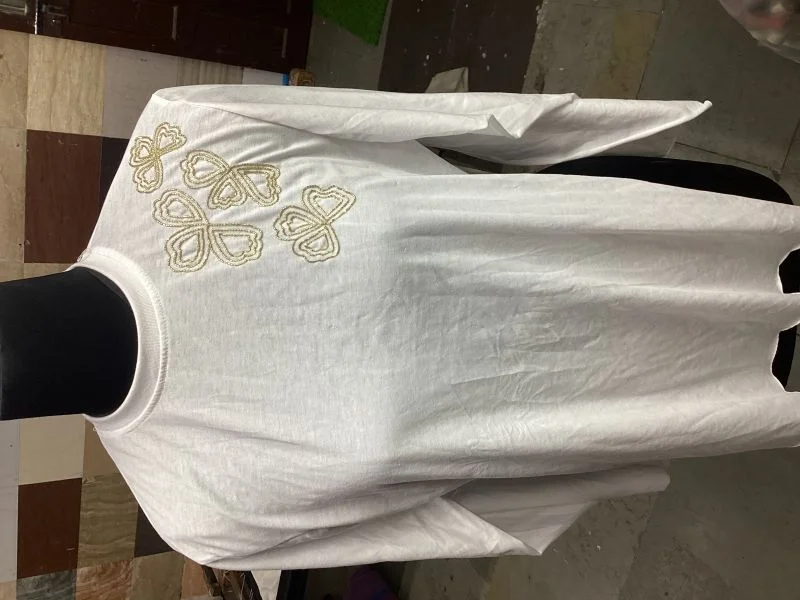
The listed items include Lady’s Strap Sweaters, Lady’s Embroidery Sweaters, Printed Girl’s Dress, Girl’s Dress With Flower, Lady’s Sweaters Tops, Baby’s Velvet Rompers and a Lady’s Sweaters Matching Woven Fabric. These products represent a mix of knitted tops, printed dresses and a child‑size velvet romper, each typically produced from cotton, polyester or cotton‑polyester blends and finished in standard garment weights ranging from 150 g/m² for dresses to 300 g/m² for sweaters.
Product Range and Specialties of Leonzon International Trading (Wuxi) Limited
The supplier’s catalogue covers three main garment types: knitted sweaters (including strap and embroidered styles), printed dresses for girls and a velvet romper for infants, plus a matching woven fabric intended for sweater production. In the broader apparel industry, knitted sweaters are usually offered in 60 % cotton/40 % polyester blends or 100 % acrylic, with GSM values between 250 and 350; printed dresses often use 100 % cotton or cotton‑polyester blends with GSM 150‑200; velvet rompers are commonly 100 % polyester velour with a soft hand and GSM 180‑250. Buyers also look for compliance with Oeko‑Tex Standard 100 and colorfastness grades (e.g., ISO 105‑B02 A‑level) when sourcing similar products.
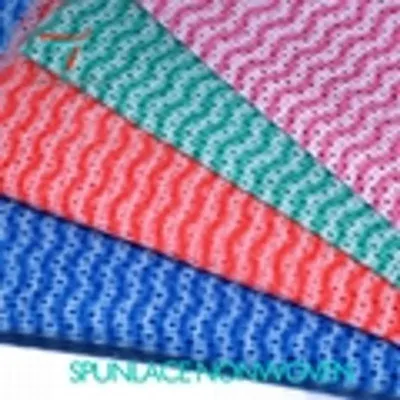
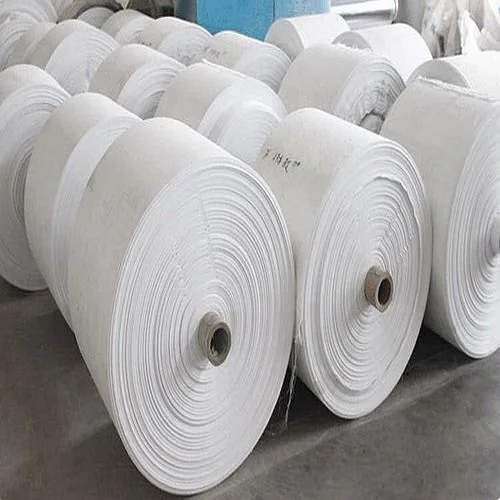
Typical industry specifications for matching woven fabric include plain or twill weaves of 180‑250 g/m², fiber content of 100 % cotton or cotton‑polyester blends, and a shrinkage tolerance of ±2 % after laundering. These parameters align with the supplier’s listed woven fabric intended to complement the sweater range.
Trade and Export Information - Leonzon International Trading (Wuxi) Limited
China remains one of the world’s largest exporters of ready‑made garments, with the majority of shipments directed to North America, the European Union, the Middle East and ASEAN markets. HS chapters 61 and 62 cover the garments listed by Leonzon, and customs inspections frequently verify compliance with REACH chemical restrictions and, for children’s wear, EN 71 safety standards. Export logistics typically employ 20‑foot containers that can accommodate 400‑500 kg of mixed‑size apparel, packed in sealed poly‑bags inside double‑wall cartons; Incoterms such as FOB Wuxi or CIF major ports are standard practice.
Buyers importing Chinese apparel often request certificates of origin, factory audit reports and product‑specific test reports (e.g., colorfastness, pilling, flammability for children’s garments). While the supplier’s facts do not list any certifications, the industry normally expects Oeko‑Tex, ISO 9001 and, where applicable, SGS or Intertek inspection reports to satisfy import regulations in destination markets.
Sourcing from Leonzon International Trading (Wuxi) Limited - Buyer Guidance
When sourcing from Leonzon, buyers should ask for a detailed material composition sheet, size specifications and a pre‑production sample to confirm fit and finish. Request laboratory test reports for colorfastness to washing, light and rubbing (ISO 105 series) as well as EN 71 safety test results for the Baby’s Velvet Rompers to ensure compliance with child‑safety regulations. Verify that the supplier can provide Oeko‑Tex Standard 100 certification or equivalent documentation before confirming large orders, and clarify the minimum order quantity and lead time for each style.
Typical MOQ for Chinese garment factories ranges from 500 to 1,000 pieces per style, with a production lead time of 30‑45 days after sample approval. Buyers should also confirm packaging details - poly‑bag weight, carton dimensions and labeling requirements - to avoid discrepancies during customs clearance in the target market.
Frequently Asked Questions About Leonzon International Trading (Wuxi) Limited
What product categories does Leonzon International Trading (Wuxi) Limited list?
The catalogue includes seven items: Lady’s Strap Sweaters, Lady’s Embroidery Sweaters, Printed Girl’s Dress, Girl’s Dress With Flower, Lady’s Sweaters Tops, Baby’s Velvet Rompers and a matching woven fabric for sweaters.
Which HS codes are applicable to these garments?
These garments typically fall under HS Chapter 61 for knitted items (e.g., HS 6101 for women’s/ girls’ knitted sweaters) and Chapter 62 for woven items (e.g., HS 6201 for women’s/ girls’ woven dresses and HS 6202 for children’s garments).
What certifications should a buyer request?
Buyers usually request Oeko‑Tex Standard 100 for textile safety, ISO 9001 for quality management, REACH compliance for chemical safety and, for children’s rompers, EN 71 test reports confirming toy safety standards.
What are the common material compositions for these products?
Knitted sweaters are often 60 % cotton/40 % polyester blends or 100 % acrylic; printed dresses commonly use 100 % cotton or cotton‑polyester blends; the velvet rompers are typically 100 % polyester velour; the matching woven fabric is usually 100 % cotton or a cotton‑polyester blend.
How are the products packaged for export?
Standard export packaging uses sealed poly‑bags placed inside double‑wall corrugated cartons. A 20‑foot container can hold roughly 400‑500 kg of mixed garments, equivalent to 2,000‑2,500 pieces depending on style and size.
What is the usual minimum order quantity and lead time?
The supplier generally requires a minimum order of 500 pieces per style. After sample approval, production lead time is typically 30‑45 days.
Which markets are typical import destinations for Chinese apparel?
Chinese apparel exporters most frequently ship to the United States, European Union countries, the Middle East and Southeast Asian nations, driven by demand for cost‑effective, quality‑controlled garments.
How can a buyer request a sample?
A buyer should provide the style name, size, material preference and intended use; the supplier will then prepare a pre‑production sample, with sample cost and freight usually borne by the buyer unless otherwise agreed. The sample should be evaluated for fit, fabric hand and compliance with required test standards before placing a full order.




 , China