Agriculture›
 Apparel and fashion accessories›
 Construction & real estate›💡Electronic & Electrical›🍎Food & Beverages›🛋️Home furnishing & supplies›⚗️Industrial goods & chemical›🪨Minerals & metals›📦Miscellaneous›Agriculture›Apparel and fashion accessories›Construction & real estate›💡Electronic & Electrical›🍎Food & Beverages›🛋️Home furnishing & supplies›⚗️Industrial goods & chemical›🪨Minerals & metals›📦Miscellaneous›
KSF Vestures Private Limited
⚓ Harbor , IndiaNew supplier / no reviews yet
KSF Vestures Private Limited Product Catalog

About KSF Vestures Private Limited - Wedding Dresses & Accessories Supplier in India
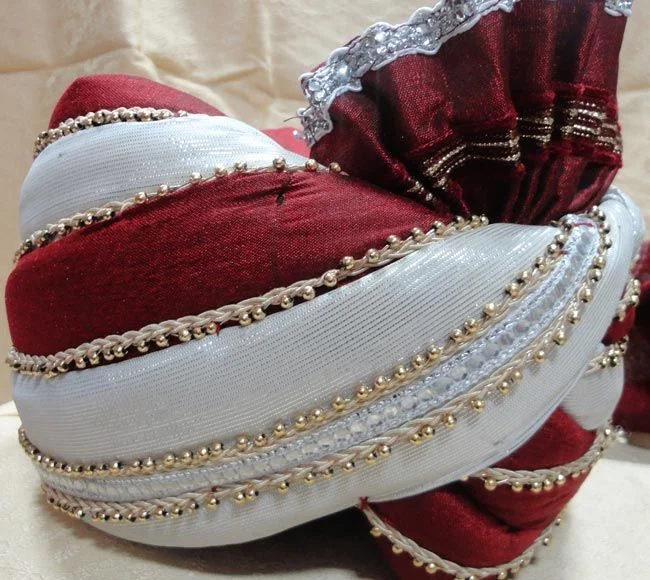
KSF Vestures Private Limited operates from India and currently lists 11 active products in its online catalogue. The company’s portfolio is grouped under four top categories: Wedding Dresses & Accessories, Traditional & Ethnic Wear, Artificial Jewellery, and Lengha & Choli. Each category reflects a segment of the Indian bridal and festive apparel market, which is characterised by elaborate embroidery, rich fabrics and coordinated accessories. The catalogue does not provide HS‑code details, so trade classification follows the standard Indian apparel headings used for similar items. The supplier’s trust tier is listed as “harbor”, indicating a mid‑level verification level on the platform.
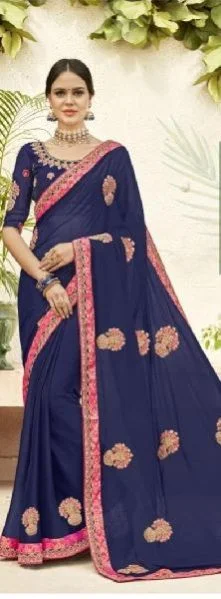
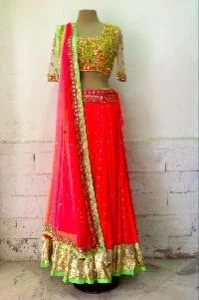
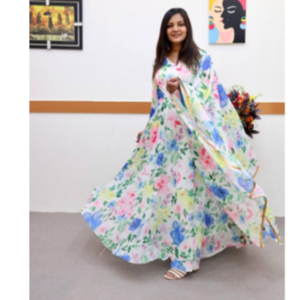
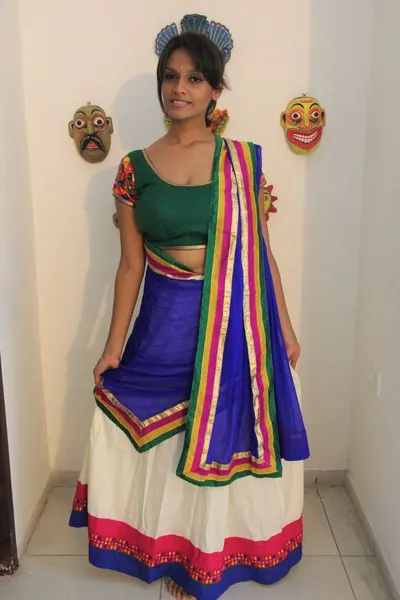
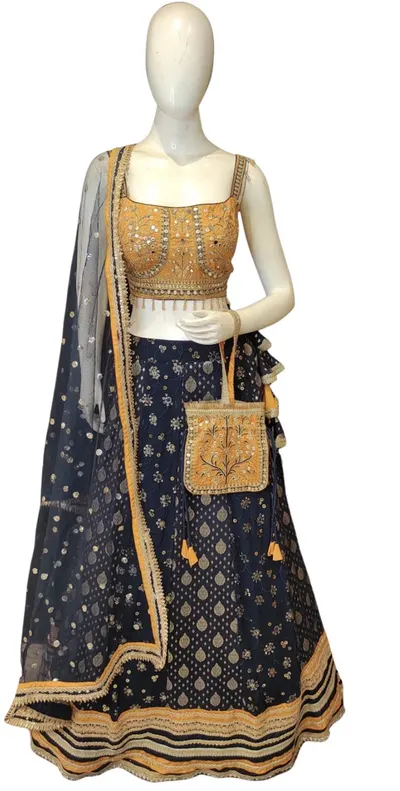
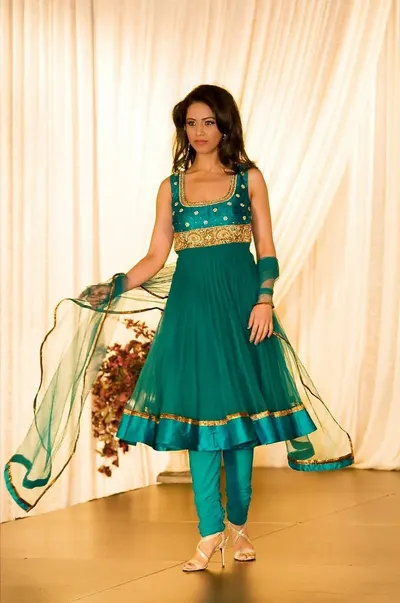
The product list includes items such as Red Anarkali Lehanga, Anarkali Suit, Sharara Suit with Embroidered Border Dupatta, Full Neck Gown Dress, and various Crop Tops paired with skirts or Anarkali skirts. Additional entries are Gown Dress with Dupatta, Indian Ethnic Dress, and Gowns Dress, covering both full‑length gowns and shorter coordinated sets. The naming suggests a focus on bridal‑style silhouettes, layered ensembles, and mix‑and‑match tops with skirts. All items fall within the women’s garment segment, typically classified under HS chapters 62 (apparel) for the dresses and chapter 71 for the artificial jewellery that is also offered.
Product Range and Specialties of KSF Vestures Private Limited
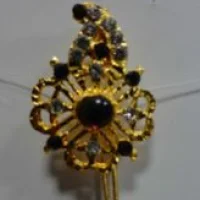
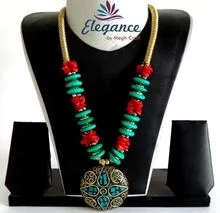
The catalogue’s 11 items are all garment styles that are common in Indian wedding and festive wardrobes. Anarkali and Sharara silhouettes are traditionally cut from lightweight woven fabrics such as silk, chiffon, georgette or crepe, often featuring hand‑embroidered or machine‑applied zari, sequins and beadwork. Gown dresses and full‑neck gowns usually employ structured fabrics like satin or brocade, with lining to maintain shape. Crop tops and coordinated skirts are frequently made from stretch blends or netting to allow fitted styling. Artificial jewellery listed under the “Artificial Jewellery” category is typically produced from alloy bases plated with gold or silver color, using glass or acrylic stones for embellishment. Buyers in the B2B market usually request details on fabric composition (e.g., 100 % silk, 80 % polyester/20 % spandex), stitch count, and embellishment techniques when evaluating such products.
Frequently Asked Questions About KSF Vestures Private Limited
What types of bridal garments does KSF Vestures Private Limited offer?
The supplier lists 11 garment styles including Anarkali lehengas, Sharara suits with embroidered borders, full‑neck gowns, gown dresses with dupattas, and coordinated crop‑top‑and‑skirt sets, all falling under the wedding dresses and traditional wear categories.
Are fabric composition details available for the listed dresses?
Typical Indian bridal garments are made from silk, chiffon, georgette or crepe; buyers should request a specification sheet from the supplier that confirms the exact fibre blend and GSM for each style.
What material is used for the artificial jewellery?
Artificial jewellery from this supplier is generally produced from alloy bases with plating and glass or acrylic stones; a material disclosure and plating thickness report should be requested.
Which HS codes are relevant for these products?
Women’s dresses such as Anarkali and gowns are usually classified under HS 6204, skirts and trousers under HS 6212, and imitation jewellery under HS 7117.
What certifications are typically required for Indian bridal wear?
Buyers often require ISO 9001 quality management certification, Oeko‑Tex® Standard 100 for textile safety, and, for jewellery, REACH compliance for metal content.
IndiaRelated Suppliers & Products
Explore similar suppliers, related products and trending categories