Krayany — Verified Supplier
About Krayany - Meat & Poultry Supplier in Ukraine
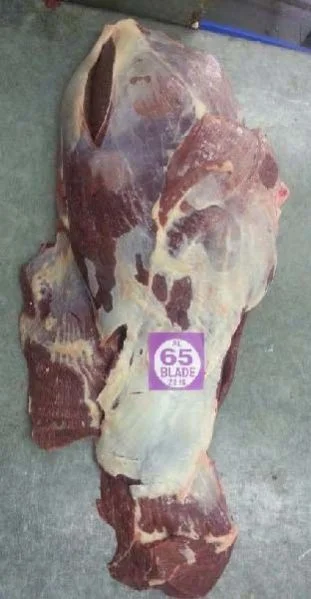
Krayany operates from Ukraine and lists eight active products in its catalogue. The supplier’s top categories include Frozen Beef, Meat & Poultry, Fresh Beef, Frozen Meat and Fresh Meat. The product list comprises chilled cow beef, chilled veal, chilled bull, frozen cow beef, frozen veal, frozen lump meat (grades 1 and 2), frozen bull and a generic meat line. Each entry falls under the broader beef and meat segment covered by HS Chapter 02 for live animals and meat products. The catalogue reflects both fresh/chilled and frozen handling options.
The eight items cover both chilled and frozen formats, indicating capability to supply temperature‑controlled logistics. Products such as Lump meat (frozen) of 1 and 2 grades suggest classification according to common EUROP grading. The inclusion of both cow and bull meat provides flexibility for buyers seeking different carcass types. No additional product families beyond beef and veal are listed, focusing the range on bovine meat.
Product Range and Specialties of Krayany
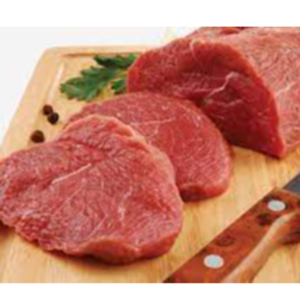
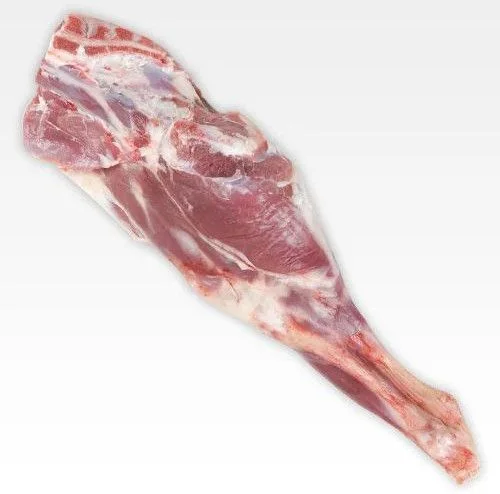
Krayany’s catalogue offers chilled and frozen bovine meat, including cow, bull and veal cuts as well as graded frozen lump meat. In the industry, chilled beef is typically kept at 0 °C - 4 °C and vacuum‑packed in 10 kg cartons, while frozen beef is stored at - 18 °C or lower and shipped in insulated containers. EUROP grades 1 and 2 are standard for lump meat, with grade 1 indicating higher marbling and conformation.
Buyers often request specific cut specifications such as ribeye, sirloin or brisket, but the supplier’s generic Meat entry can accommodate mixed cuts. Standard packaging for frozen beef includes 20 ft refrigerated containers that can carry 15‑20 tonnes, equivalent to roughly 1 200‑1 500 kg of product per container, depending on packaging density.
Trade and Export Information - Krayany
Ukraine exports bovine meat primarily to EU member states, the Middle East and North‑East Asia, using HS Chapter 02 codes for fresh (0201) and frozen (0202) meat. Importers typically require an EU veterinary health certificate, HACCP system verification and, where applicable, BRC or ISO 22000 certification to satisfy food safety regulations.
Logistics for chilled products rely on refrigerated trucks (reefers) for short‑haul routes, while frozen items are shipped in 40 ft refrigerated containers that maintain - 18 °C. Common Incoterms used by Ukrainian exporters are FOB and CIF, allowing buyers to arrange customs clearance in the destination country.
Sourcing from Krayany - Buyer Guidance
When sourcing from Krayany, request the latest veterinary health certificate and a HACCP audit report to confirm compliance with EU and international standards. A laboratory analysis covering microbiological limits (e.g., Salmonella ≤ 1 CFU/g, E. coli ≤ 10 CFU/g) should be obtained before shipment.
Verify the grading documentation for lump meat to ensure it matches the requested EUROP grade, and confirm packaging details such as vacuum‑packed 10 kg cartons or insulated pallets. Clarify lead times, which typically range from two to three weeks after order confirmation, and agree on the preferred Incoterm (FOB or CIF).
Frequently Asked Questions About Krayany
What meat cuts are available from Krayany?
The catalogue lists chilled cow beef, chilled veal, chilled bull, frozen cow beef, frozen veal, frozen lump meat (grades 1 and 2), frozen bull and a generic meat line. All items conform to standard beef specifications used in EU and international trade.
Are the frozen products packaged for long‑haul shipping?
Frozen items are typically packed in insulated boxes with dry ice or gel packs and sealed in 20‑ft refrigerated containers that maintain - 18 °C throughout transit. This packaging meets the temperature requirements for frozen meat exports.
Which certifications should I request for Ukrainian beef imports?
Buyers normally request an EU veterinary health certificate, HACCP compliance documentation, and, where required, BRC or ISO 22000 certification from the exporter. These documents verify that the meat meets safety and hygiene standards.
What are the typical quality grades for the lump meat offered?
Lump meat is listed as grades 1 and 2, which correspond to the EUROP classification where grade 1 meets higher marbling and carcass conformation standards than grade 2. The grades indicate expected tenderness and fat distribution.
What are the standard shipment terms for these products?
Exporters from Ukraine commonly use FOB or CIF terms, with refrigerated containers (40 ft) for frozen goods and insulated trucks for chilled items. The chosen Incoterm defines the point at which responsibility transfers to the buyer.
How can I verify the meat’s origin and safety before purchase?
Request the official veterinary health certificate, a recent laboratory analysis report for pathogens such as Salmonella and E. coli, and a HACCP audit summary. These documents provide traceability and confirm compliance with safety regulations.
What is the typical minimum order quantity and lead time?
Minimum orders are usually set per container load - approximately 15 tonnes for frozen beef - with a lead time of 2‑3 weeks after order confirmation, depending on processing and customs clearance.
What packaging sizes are used for chilled beef?
Chilled beef is commonly vacuum‑packed in 10 kg cartons, stacked on wooden pallets that fit standard 1 m × 1.2 m pallet dimensions for efficient handling and transport.




 , Ukraine