Korfez Foundry — Supplier
About Korfez Foundry - Metal Castings & Forgings Supplier in Turkey
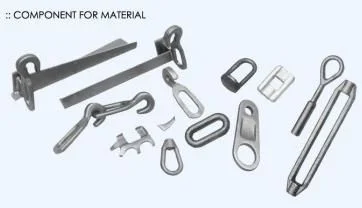
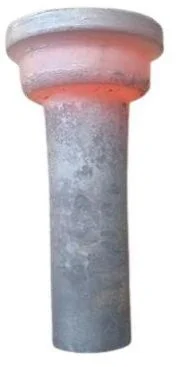
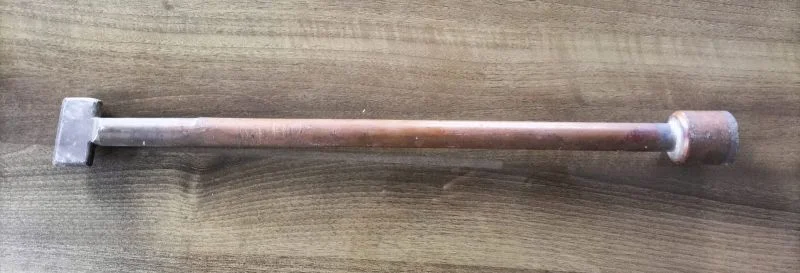
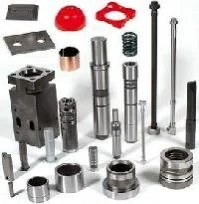
Korfez Foundry, located in Turkey, offers 6 active products. The company's product range includes Metal Castings & Forgings, Stone Crushers, Grinding Wheel, and Mining Machinery, Equipments & Spare Parts. Their catalogue features specific products such as Crushing, Grinding, Pyro Process, Spare Parts Supply, Bimetallic Part Casting Method, and Composite Casting Method. The Bimetallic Part Casting Method, for instance, is made of AISI 4340/4140 Alloy Steel Shaft with Chromium Carbide Overlay (CrC) and falls under the HS code 8483.50. The Composite Casting Method, on the other hand, is a Metal-Ceramic Composite with a Steel Matrix and Alumina/Zirconia Ceramic Inserts, classified under HS code 8483.60.
Exporters of metal castings and forgings in Turkey, like Korfez Foundry, typically supply products to regions with significant industrial activities, such as Europe and the Middle East. These products often require careful handling and packaging to ensure they reach their destinations in good condition. The Turkish origin of these products also means they are subject to the country's export regulations and standards.
Product Range and Specialties of Korfez Foundry
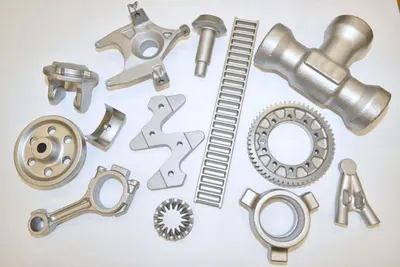
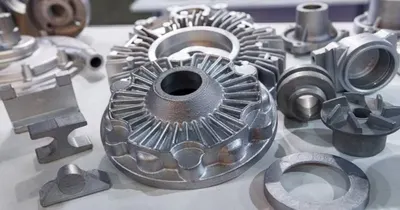
Korfez Foundry's product range is characterized by its focus on metal castings and forgings, as well as mining machinery and equipment. Buyers of these products usually require specific grades and standards, such as those defined by the American Iron and Steel Institute (AISI) or the International Organization for Standardization (ISO). For instance, the AISI 4340/4140 Alloy Steel Shaft used in the Bimetallic Part Casting Method is a high-strength, low-alloy steel with specific chemical composition and mechanical properties. The Chromium Carbide Overlay (CrC) adds an extra layer of wear resistance and corrosion protection. Similarly, the Metal-Ceramic Composite used in the Composite Casting Method offers enhanced thermal and mechanical properties due to the combination of steel and ceramic materials.
Trade and Export Information - Korfez Foundry
Exporters of metal castings and forgings, like Korfez Foundry, typically need to comply with various international trade regulations and standards. The HS code families involved, such as 8483.50 and 8483.60, determine the applicable customs duties and regulatory requirements. Buyers should be aware of the typical certifications and standards required for these products, such as ISO 9001 for quality management or ASTM standards for material properties. The Incoterms, such as FOB or CIF, also play a crucial role in defining the responsibilities of the buyer and seller in terms of logistics and risk. Turkey, as the origin country, has its own set of export regulations and requirements that suppliers must adhere to.
Sourcing from Korfez Foundry - Buyer Guidance
When sourcing from Korfez Foundry, buyers should request specific documentation and certifications to ensure the products meet their requirements. This may include material test reports, dimensional inspection reports, and certificates of conformity to relevant standards. It is also essential to verify the supplier's trust tier and reputation in the industry. Buyers should be aware of the typical quality parameters and tests for these products, such as tensile strength, hardness, and surface finish. Requesting samples and conducting thorough inspections before placing an order can help mitigate potential risks. The MOQ and lead time should also be confirmed to ensure a smooth and timely delivery.
Frequently Asked Questions About Korfez Foundry
What is the typical material composition of the Bimetallic Part Casting Method?
The Bimetallic Part Casting Method is made of AISI 4340/4140 Alloy Steel Shaft with Chromium Carbide Overlay (CrC). The exact composition may vary depending on the specific application and requirements. Buyers should request detailed material specifications and test reports to ensure the product meets their needs.
What is the difference between the Bimetallic Part Casting Method and the Composite Casting Method?
The Bimetallic Part Casting Method is a bimetallic alloy steel shaft with a chromium carbide overlay, while the Composite Casting Method is a metal-ceramic composite with a steel matrix and alumina/zirconia ceramic inserts. Each method has its unique properties and applications, and buyers should carefully evaluate which one suits their requirements.
What certifications should I request from Korfez Foundry?
Buyers should request certifications such as ISO 9001 for quality management, ASTM standards for material properties, and any other relevant certifications that apply to the specific products and industry. It is also essential to verify the supplier's trust tier and reputation in the industry.
What is the typical packaging and shipping procedure for Korfez Foundry's products?
The packaging and shipping procedure may vary depending on the specific product and destination. Buyers should request detailed information on the packaging and shipping procedures to ensure the products are handled and transported correctly. This may include information on the type of packaging materials used, the shipping carrier, and any relevant logistics and customs procedures.
How do I verify the quality of Korfez Foundry's products?
Buyers should request material test reports, dimensional inspection reports, and certificates of conformity to relevant standards. They should also conduct thorough inspections of the products before accepting them. Requesting samples and verifying the supplier's trust tier and reputation in the industry can also help mitigate potential risks.
What is the MOQ and lead time for Korfez Foundry's products?
The MOQ and lead time may vary depending on the specific product and production schedule. Buyers should confirm the MOQ and lead time with Korfez Foundry to ensure a smooth and timely delivery. This information can help buyers plan their production and logistics accordingly.
Can I customize the products to my specific requirements?
Buyers should contact Korfez Foundry directly to discuss their specific requirements and determine if customization is possible. The supplier may be able to accommodate special requests or modifications, but this should be confirmed in advance to ensure feasibility and any potential impact on the production schedule and costs.




 , Turkey