Karanja Industries — Supplier
About Karanja Industries - Agriculture Supplier in India
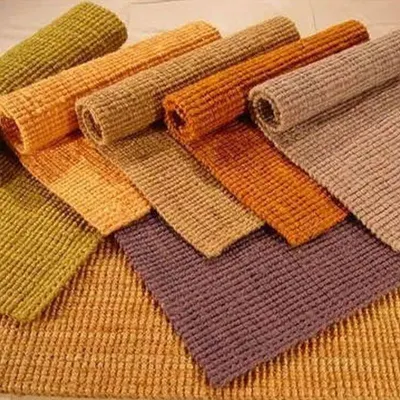
Karanja Industries is based in India and currently lists six active products. The catalogue is grouped under the Agriculture category and consists of floor‑mat items such as "Karanja floor mat industries KARNATAKA", "Karanja floor mat industries GULBARGA", "Karanja floor mat industries IN BIDAR", a generic "All Types Of Mat ( Chatai) All Quality Mat", "Plastic Floor. Multipurpose Mat Chatai .Mat" and "Karanja Plastic Floor Mat Industries". Each entry refers to a type of floor covering that is commonly classified under HS chapter 57 (carpets and other textile floor coverings), although no specific HS code is provided in the source data. The supplier’s product count of six indicates a focused catalogue rather than a broad industrial line.
The listed items are primarily plastic or textile floor mats, which in the industry are produced from materials such as polypropylene, PVC, or woven jute fibres. Typical specifications include thickness ranging from 2 mm to 10 mm, weight between 0.8 kg / m² and 2.5 kg / m², and slip‑resistance measured by ASTM C1028 or equivalent. Buyers often look for fire‑retardant grades that meet IEC 60335‑2‑9, and for export shipments the goods are packed in 20‑ft or 40‑ft containers with moisture‑resistant wrapping. The catalogue does not include any declared certifications, so standard industry certifications such as ISO 9001, CE marking, or REACH compliance are usually requested from Indian floor‑mat exporters.
Product Range and Specialties of Karanja Industries
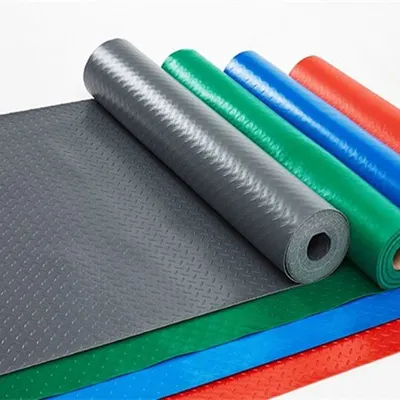
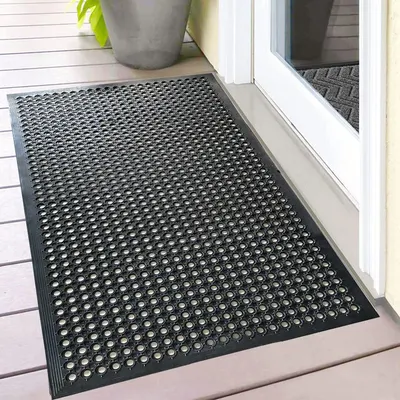
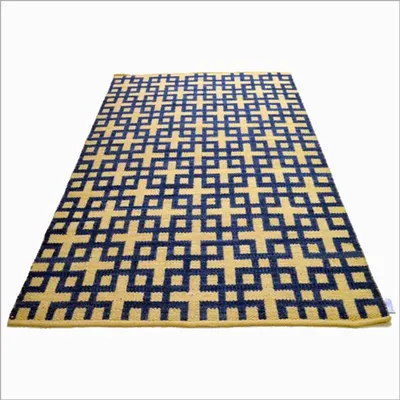
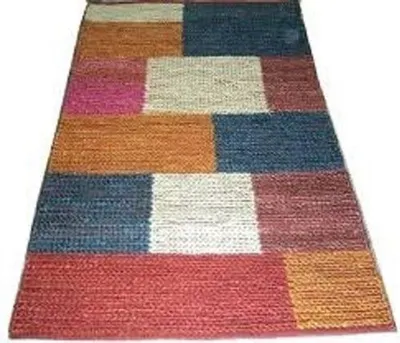
Karanja Industries offers six floor‑mat products that cover both woven “Chatai” style mats and molded plastic floor coverings. In the broader market, woven mats are typically produced from natural fibres like jute or coir and are graded by GSM (grams per square metre) and fibre length, while plastic mats are often injection‑moulded from polypropylene and graded by tensile strength (MPa) and hardness (Shore A). Common industry grades for plastic floor mats include slip‑resistant (ASTM D 388) and anti‑static variants for industrial settings. The supplier’s range therefore aligns with typical buyer expectations for both residential/commercial flooring and industrial anti‑fatigue solutions.
Trade and Export Information - Karanja Industries
India is a significant exporter of floor coverings, with the majority of shipments directed to the Middle East, East Africa, and European markets. Exporters of floor mats usually classify the goods under HS 5702 (carpets and other textile floor coverings) or HS 3919 (plastic plates, sheets, film, and foils) depending on material composition. Buyers in construction, hospitality, and manufacturing sectors typically require compliance with fire‑safety standards (e.g., NFPA 701) and may request test reports for slip resistance and chemical safety. Standard Incoterms for Indian floor‑mat shipments are FOB Indian ports such as Mumbai or Chennai, followed by container freight to destination ports.
Sourcing from Karanja Industries - Buyer Guidance
When sourcing floor mats from Karanja Industries, buyers should request a material data sheet that confirms the polymer type, fibre content, and any fire‑retardant additives. Sample testing for slip resistance (ASTM C1028), tensile strength (ISO 527), and flame spread (NFPA 701) helps verify compliance with project specifications. Buyers are advised to obtain a Declaration of Conformity or test report for REACH and CE requirements, especially for European imports. Confirm packaging details - typically sealed in moisture‑proof pallets - and verify that the supplier can accommodate standard container loads (approximately 1,200 kg per 20‑ft container for plastic mats).
Frequently Asked Questions About Karanja Industries
What types of floor mats does Karanja Industries list in its catalogue?
The catalogue includes six items: three location‑specific entries for "Karanja floor mat industries" in Karnataka, Gulbarga and Bidar, a generic "All Types Of Mat ( Chatai) All Quality Mat", a "Plastic Floor. Multipurpose Mat Chatai" and "Karanja Plastic Floor Mat Industries".
Are there any certifications mentioned for Karanja Industries' products?
No certifications are listed in the supplied data. Buyers should request standard certifications such as ISO 9001, CE marking, or REACH compliance as part of the sourcing process.
What material specifications should a buyer verify for these mats?
Buyers should confirm whether the mat is woven natural fibre (e.g., jute) or plastic (e.g., polypropylene), check thickness (2‑10 mm), weight per square metre (0.8‑2.5 kg / m²), and any fire‑retardant treatment.
Which HS codes are typically used for floor mats from India?
Floor coverings are generally classified under HS 5702 for textile mats or HS 3919 for plastic floor sheets, depending on the primary material.
What documentation is commonly required before placing an order?
Typical documents include a material data sheet, test reports for slip resistance and fire safety, a Certificate of Origin, and, if exporting to Europe, a CE Declaration of Conformity.
What are the usual packaging and shipping formats for these products?
Products are usually packed on sealed pallets, moisture‑protected, and shipped in 20‑ft or 40‑ft containers. Standard Indian export terms are FOB at major ports such as Mumbai or Chennai.
What minimum order quantities (MOQ) are typical for floor mats from Indian suppliers?
While the catalogue does not specify an MOQ, Indian floor‑mat exporters often set MOQs based on container capacity, roughly 1,200 kg per 20‑ft container or 2,400 kg per 40‑ft container.
What lead times can a buyer expect for floor‑mat production and shipment?
Lead times generally range from 2 weeks to 6 weeks after order confirmation, depending on material, size, and required certifications.




 , India