Kangjiamei Cosmetics Packing Co., Ltd. — Supplier
About Kangjiamei Cosmetics Packing Co., Ltd. - Plastic Bottles & Sealings Supplier in China
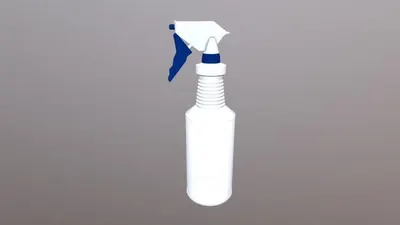
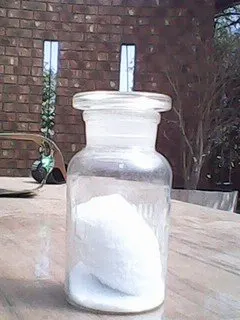
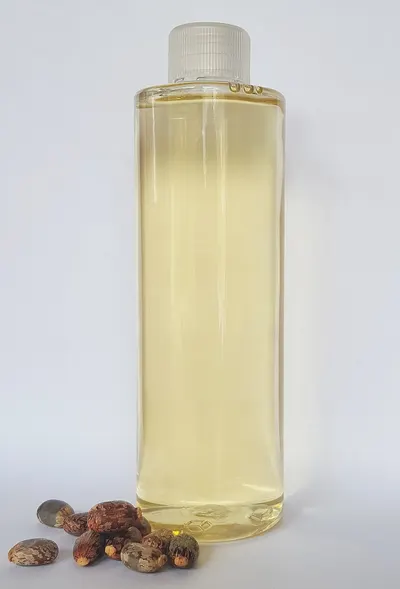
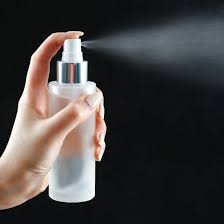
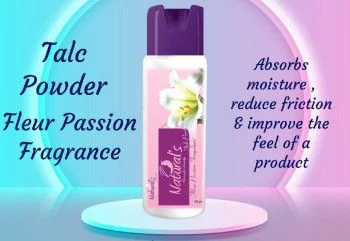
Kangjiamei Cosmetics Packing Co., Ltd. is based in China and currently lists five active products in its catalogue. The portfolio concentrates on plastic and acrylic packaging, including PET cylinder bottles, a talc‑powder bottle, a 240 ml PET bottle for milk or juice, an acrylic skin‑care cream jar, and a plastic bottle equipped with a trigger sprayer. All items fall under the plastic articles HS chapter 39, commonly classified in sub‑headings such as 3923 for PET containers and 3924 for acrylic jars. The supplier’s catalogue therefore covers both food‑grade PET containers and cosmetic‑grade acrylic jars, reflecting typical material choices for the listed applications.
The listed products span two broad categories - Agriculture and Plastic Bottles & Sealings - as indicated in the supplier’s top‑category tags. While the agricultural tag suggests possible packaging for agro‑chemical or seed products, the concrete items focus on consumer‑ready containers for beverages, powders, creams and spray liquids. Each product is described by its material (PET or acrylic) and functional design (cylinder, trigger sprayer, jar), providing a clear view of the packaging types that Kangjiamei can supply.
Product Range and Specialties of Kangjiamei Cosmetics Packing Co., Ltd.
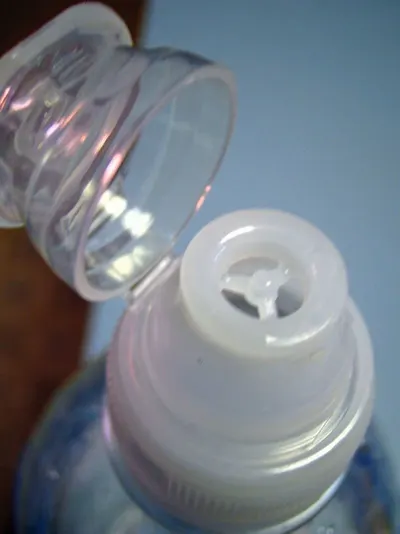
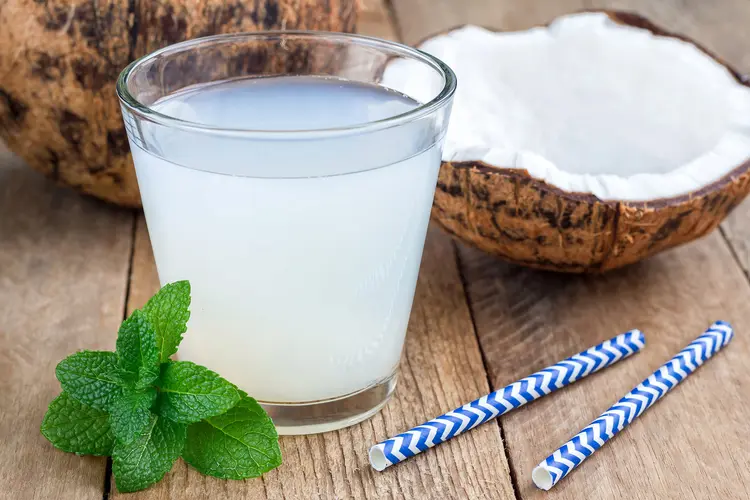
The 240 ml PET bottle for milk or juice is typically produced from food‑grade PET (PET 1) with wall thickness between 0.20 mm and 0.30 mm, a clear finish, and a neck finish compatible with standard 28 mm caps. Plastic PET cylinder bottles are often supplied in bulk with a uniform diameter, suitable for bulk powders or granules, and may be shipped in stackable pallets. The talc‑powder bottle is generally a small PET container with a tight‑fit screw cap to protect hygroscopic powders; standard capacities range from 30 ml to 100 ml. The acrylic skin‑care cream jar is made from clear acrylic (PMMA) with a typical wall thickness of 1.5 mm to 2.0 mm, offering rigidity and UV resistance for cosmetic creams. The plastic bottle with trigger sprayer usually incorporates a PET or HDPE body (0.25 mm wall) coupled with a polypropylene trigger mechanism, allowing controlled dispensing of 10 ml to 30 ml per actuation. Industry standards for these categories include FDA food‑contact compliance for PET bottles, EU Regulation 10/2011 for cosmetic containers, and ISO 9001 quality management in many Chinese packaging firms.
Trade and Export Information - Kangjiamei Cosmetics Packing Co., Ltd.
China remains one of the world’s largest exporters of plastic packaging, with the majority of shipments using 20‑ft or 40‑ft containers. A standard 20‑ft container can accommodate roughly 1,200 units of a 240 ml PET bottle, while a 40‑ft container may hold up to 2,400 units, depending on pallet configuration. Buyers in Southeast Asia, the Middle East, and the European Union frequently import these products for beverage, personal‑care and agricultural‑chemical packaging. Typical HS code families are 3923 for PET bottles and 3924 for acrylic jars, which are subject to customs inspections for material safety data sheets (MSDS) and, where applicable, compliance certificates such as FDA or EU Food Contact Material (FCM) declarations. Export logistics from China commonly use CIF terms to ports such as Shanghai, Shenzhen or Hong Kong, with packaging in export‑grade cartons, void‑fill, and moisture‑resistant liners to preserve product integrity during sea transit.
Sourcing from Kangjiamei Cosmetics Packing Co., Ltd. - Buyer Guidance
When sourcing from Kangjiamei, buyers should request a material safety data sheet and, where food or cosmetic use is intended, an FDA food‑contact or EU FCM certification. Test reports for migration limits, heavy‑metal content and microbiological safety are standard documents that help verify compliance. Verify the exact PET grade (e.g., PET 1 food‑grade) or acrylic grade (optical grade PMMA) and confirm dimensions, thread specifications and trigger‑sprayer material before placing an order. Typical minimum order quantities for PET bottles range from 5,000 pcs to 10,000 pcs, with lead times of 30‑45 days after sample approval. Packaging details such as export carton size, pallet stacking height and moisture barrier requirements should be clarified during the quotation stage.
Frequently Asked Questions About Kangjiamei Cosmetics Packing Co., Ltd.
What material is used for the 240 ml PET bottle and which standards apply?
The 240 ml bottle is made from food‑grade PET (PET 1) and generally complies with FDA food‑contact regulations and EU Regulation 10/2011 for beverage containers.
Can the plastic bottle with trigger sprayer be supplied in different spray capacities?
Yes, the trigger sprayer mechanism can be configured for 10 ml, 20 ml or 30 ml per actuation, with the body typically fabricated from PET or HDPE and the sprayer head from polypropylene.
What are the typical dimensions and wall thickness for the acrylic skin‑care cream jar?
Acrylic jars usually have wall thickness between 1.5 mm and 2.0 mm, with a standard opening size of 30 mm to accommodate screw‑on or snap‑on lids used in cosmetic packaging.
Which HS codes cover the products listed by Kangjiamei?
The PET bottles fall under HS sub‑heading 3923 (plastic bottles) and the acrylic jar under 3924 (plastic articles - acrylic). The catalogue does not list separate HS codes for each item, but these families are commonly used for similar products.
What documentation should a buyer request before confirming an order?
Buyers should ask for an MSDS, FDA or EU FCM compliance certificate, material grade data sheet, and any third‑party test reports for migration, heavy‑metal limits and microbiological safety.
What are typical shipment quantities for the talc‑powder bottle?
Talc‑powder bottles are often shipped in cartons of 500 pcs, with a full 20‑ft container holding approximately 20,000 pcs, depending on packaging configuration.
Is there a standard lead time for sample approval and full production?
Sample production usually takes 7‑10 days, followed by a 30‑45 day lead time for full‑scale manufacturing after the sample is approved.




 , China