Kampari For Trading — Verified Supplier
About Kampari For Trading - Grain and Seed Supplier in Sudan
Kampari For Trading is a supplier based in Sudan, with 13 active products in its catalogue. The company lists a variety of grain and seed products, including Lentils, Maize, Fruit Seeds, Peanuts, Hibiscus, and Cumin Seeds. Specifically, their catalogue includes Yellow Lentils, White Maize, Watermelon Seeds, Peanuts, Hibiscus, and Green Cumin, among others. These products are typically exported from Sudan to various regions, including the Middle East, Africa, and Asia.
Exporters of grain and seed products from Sudan, like Kampari For Trading, often ship their goods in 20 or 40 ft containers, with packaging that meets international standards for moisture and pest control. Buyers of these products usually require certifications such as Phytosanitary Certificates and Certificates of Origin, to ensure compliance with import regulations.
Product Range and Specialties of Kampari For Trading
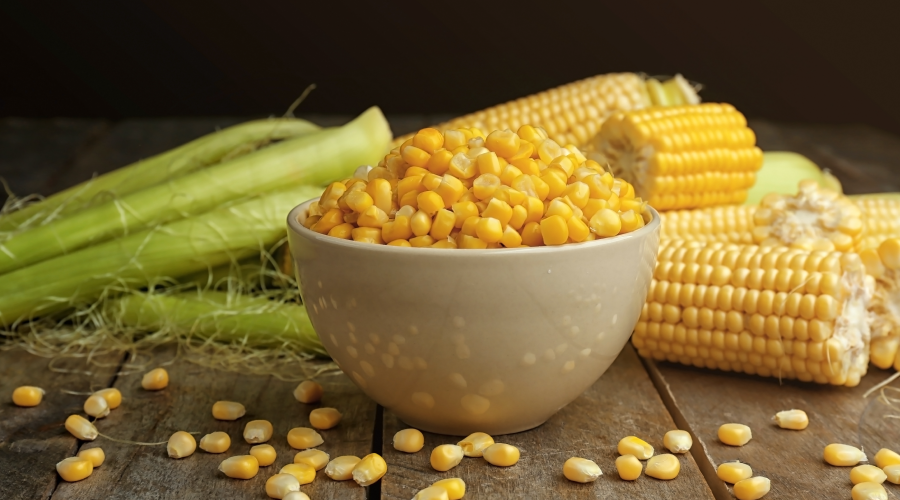
Kampari For Trading's product range includes various types of grains and seeds, such as Yellow Lentils, which are typically graded according to their size and color, with grades like ICUMSA 45 being common in the industry. Their White Maize is likely to be classified as Grade 1 or 2, based on its moisture content and impurity levels. The company also lists Watermelon Seeds, Peanuts, and Hibiscus, which are often traded in bulk quantities, with specifications like kernel size, oil content, and moisture levels being important factors for buyers.
Buyers of these products should request specifications, samples, and test reports to verify the quality and authenticity of the goods. For example, the purity and moisture content of Yellow Lentils are critical parameters, as they affect the product's shelf life and cooking quality. Similarly, the oil content and aflatoxin levels in Peanuts are important for food safety and quality.
Trade and Export Information - Kampari For Trading
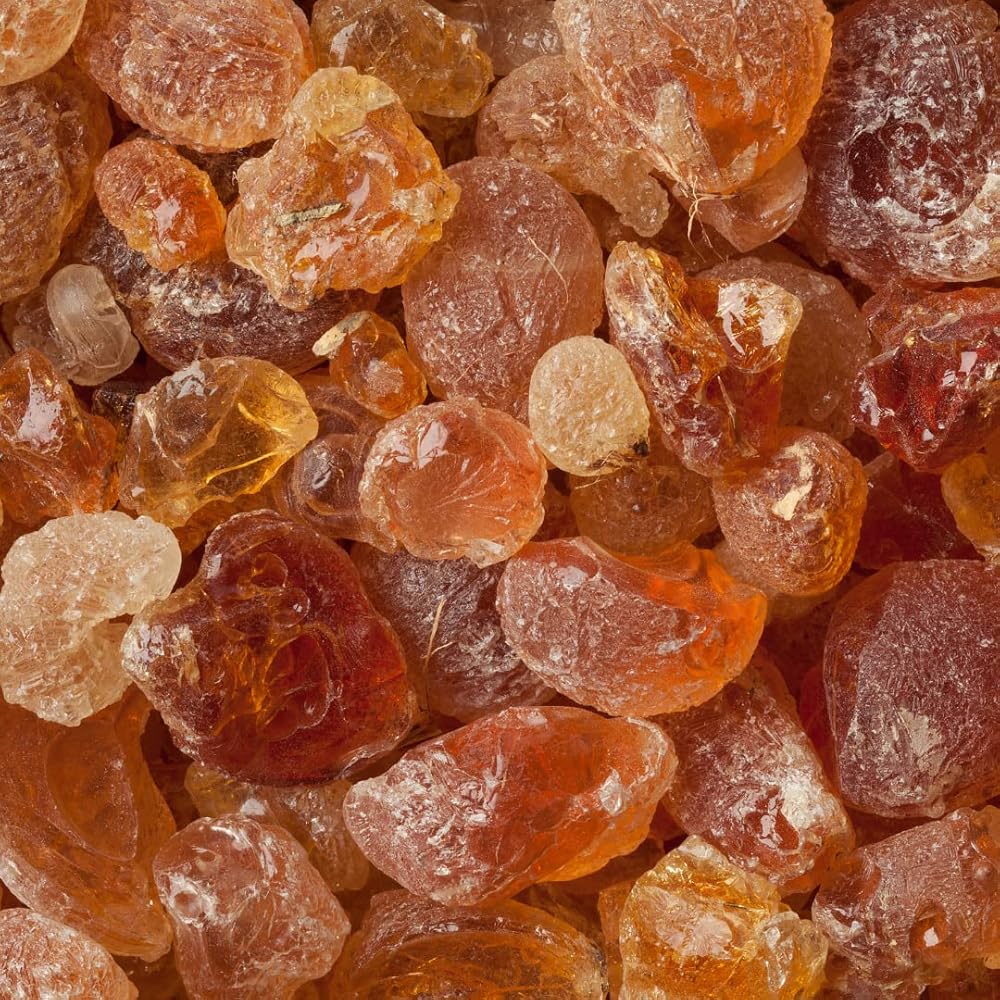
Exporters of grain and seed products from Sudan, like Kampari For Trading, typically export their goods to countries in the Middle East, Africa, and Asia. These goods are often traded under HS code chapters like 07, 09, and 12, which cover edible vegetables, fruits, and grains. The Gum Arabic, listed by Kampari For Trading, falls under HS code 1301.20, and is subject to regulations related to natural gum exports.
The logistics and packaging of these products are critical, as they must meet international standards for transportation and storage. Buyers should verify the packaging and shipping arrangements, including the use of containers, pallets, and other materials, to ensure that the goods are protected during transit. Incoterms like CIF or FOB are commonly used in these transactions, and buyers should understand their implications for liability and costs.
Sourcing from Kampari For Trading - Buyer Guidance
Buyers sourcing from Kampari For Trading should request detailed specifications, samples, and test reports for the products they are interested in. For example, for Yellow Lentils, they should ask for the product's grade, moisture content, and purity levels. For Peanuts, they should request information on the oil content, aflatoxin levels, and kernel size.
It is also important for buyers to verify the certifications and documents required for the products, such as Phytosanitary Certificates and Certificates of Origin. They should also confirm the packaging and shipping arrangements, including the use of containers, pallets, and other materials, to ensure that the goods are protected during transit. By taking these steps, buyers can ensure that they receive quality products that meet their requirements.
Frequently Asked Questions About Kampari For Trading
What types of grain and seed products does Kampari For Trading offer?
Kampari For Trading offers a variety of grain and seed products, including Lentils, Maize, Fruit Seeds, Peanuts, Hibiscus, and Cumin Seeds. Specifically, their catalogue includes Yellow Lentils, White Maize, Watermelon Seeds, Peanuts, Hibiscus, and Green Cumin, among others.
What are the typical specifications for Yellow Lentils?
Yellow Lentils are typically graded according to their size and color, with grades like ICUMSA 45 being common in the industry. Buyers should request specifications, samples, and test reports to verify the quality and authenticity of the goods.
How are Peanuts typically traded?
Peanuts are often traded in bulk quantities, with specifications like kernel size, oil content, and moisture levels being important factors for buyers. Buyers should request information on these parameters to ensure that they receive quality products.
What certifications are required for the export of Gum Arabic from Sudan?
The Gum Arabic listed by Kampari For Trading falls under HS code 1301.20, and is subject to regulations related to natural gum exports. Buyers should verify the certifications and documents required for the product, such as Phytosanitary Certificates and Certificates of Origin.
What are the typical packaging and shipping arrangements for grain and seed products from Sudan?
The logistics and packaging of these products are critical, as they must meet international standards for transportation and storage. Buyers should verify the packaging and shipping arrangements, including the use of containers, pallets, and other materials, to ensure that the goods are protected during transit.
What Incoterms are commonly used in the trade of grain and seed products?
Incoterms like CIF or FOB are commonly used in these transactions, and buyers should understand their implications for liability and costs.
How can buyers verify the quality and authenticity of the goods?
Buyers should request detailed specifications, samples, and test reports for the products they are interested in. They should also verify the certifications and documents required for the products, and confirm the packaging and shipping arrangements to ensure that the goods are protected during transit.
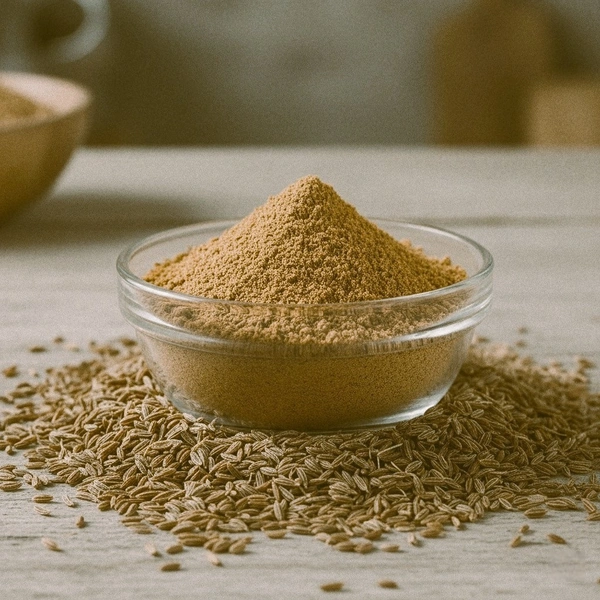
What are the typical quality parameters for Cumin Seeds?
The quality parameters for Cumin Seeds include factors like purity, moisture content, and adulteration levels. Buyers should request specifications, samples, and test reports to verify the quality and authenticity of the goods.




 , Sudan