Kaka Overseas Ltd. — Supplier
About Kaka Overseas Ltd. - Rugs Supplier in India
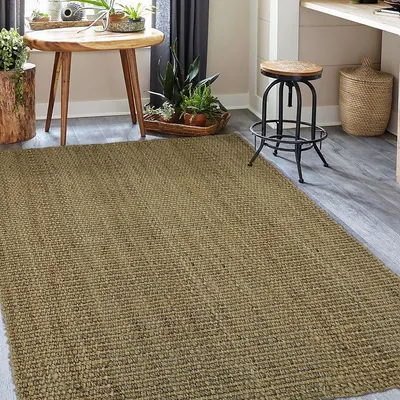
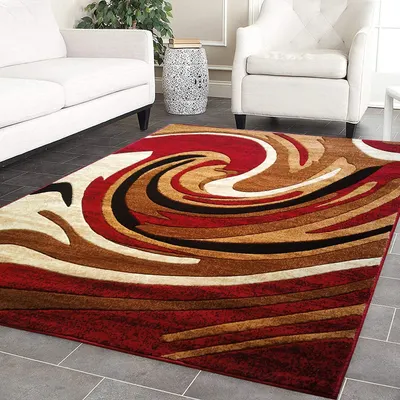
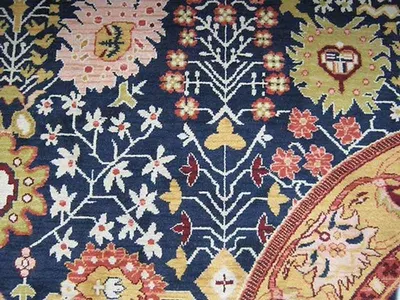
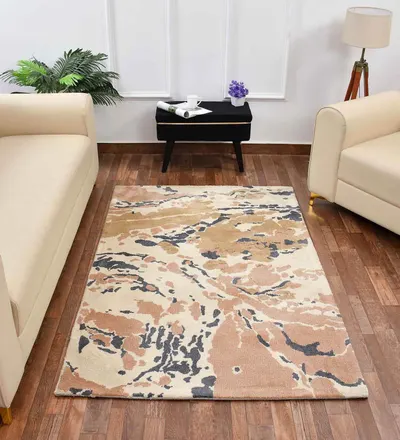
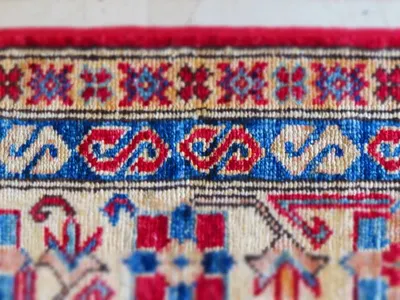
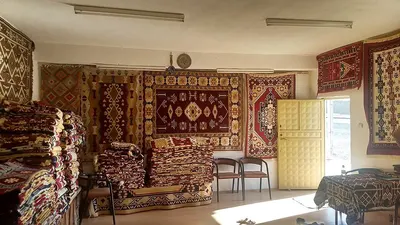
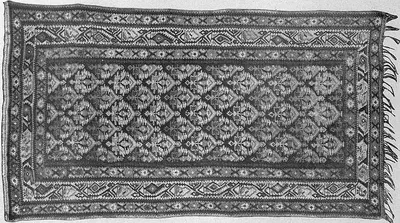
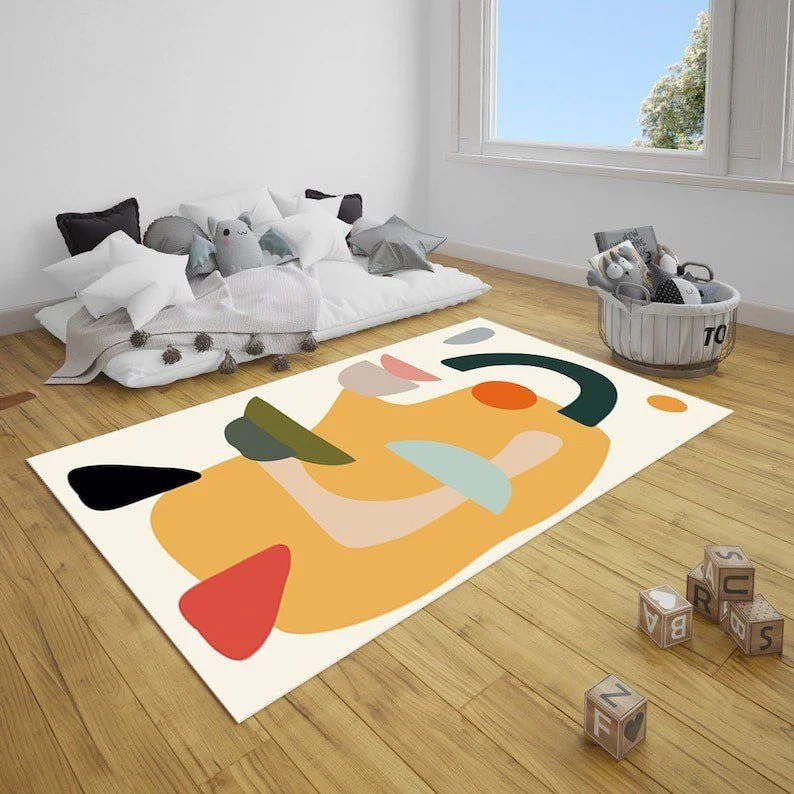
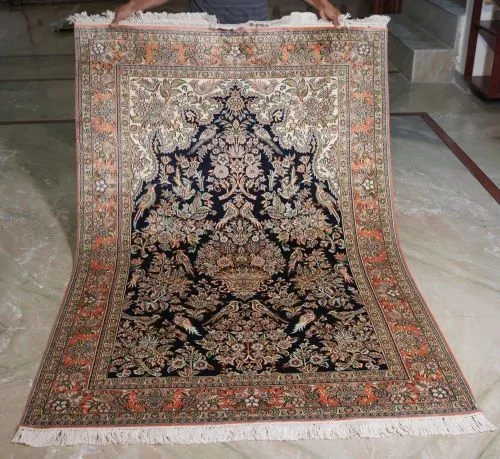
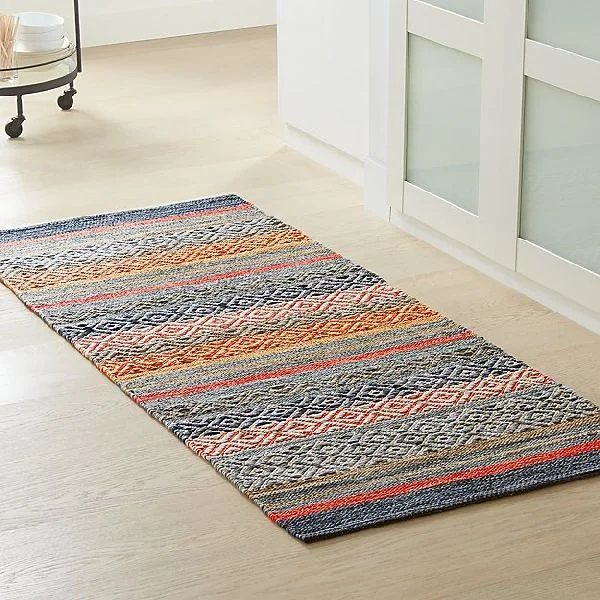
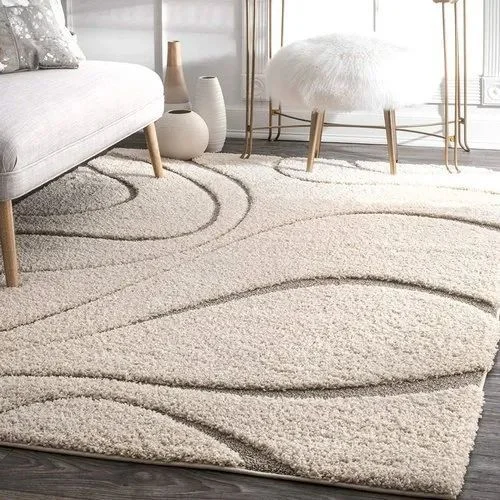
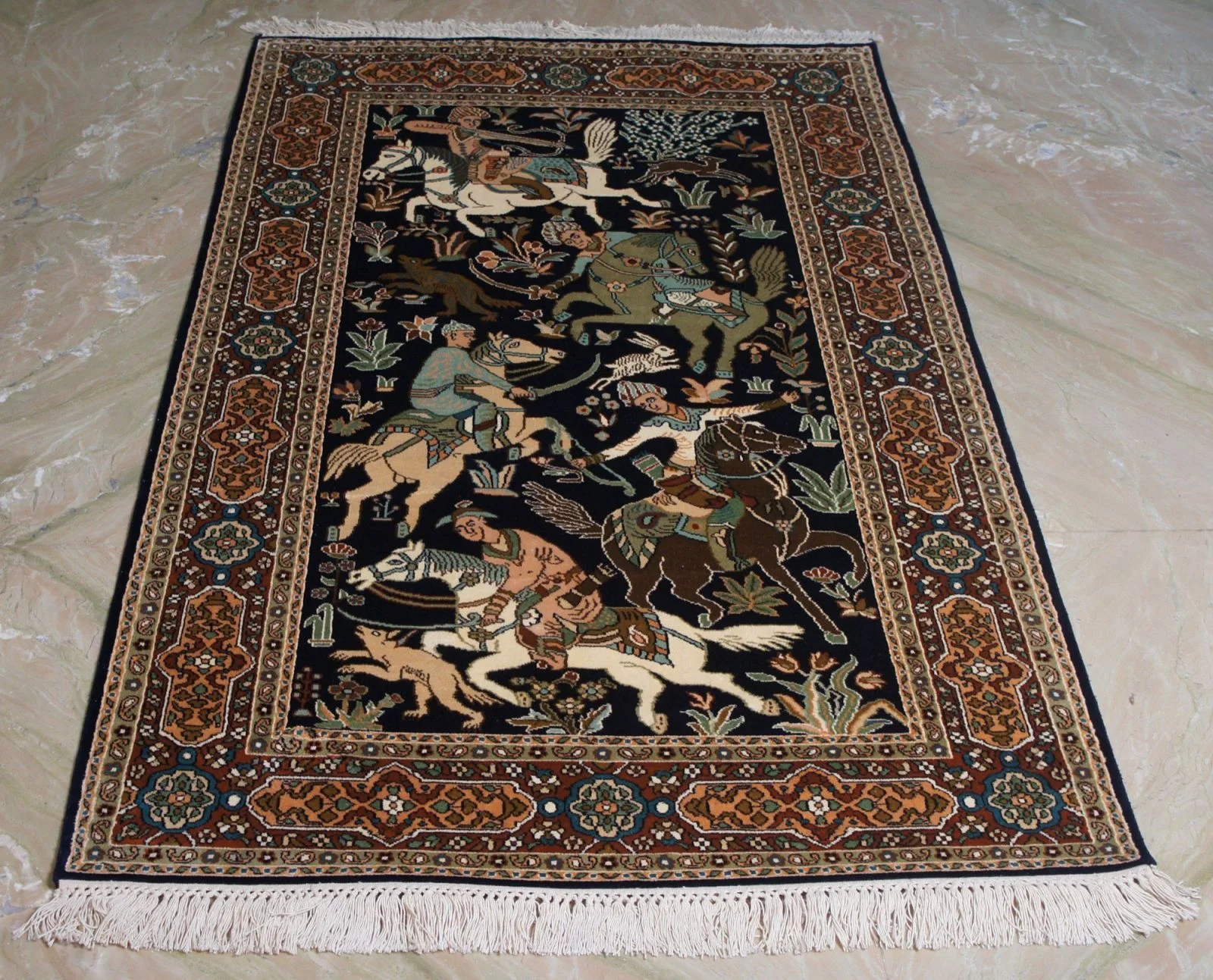
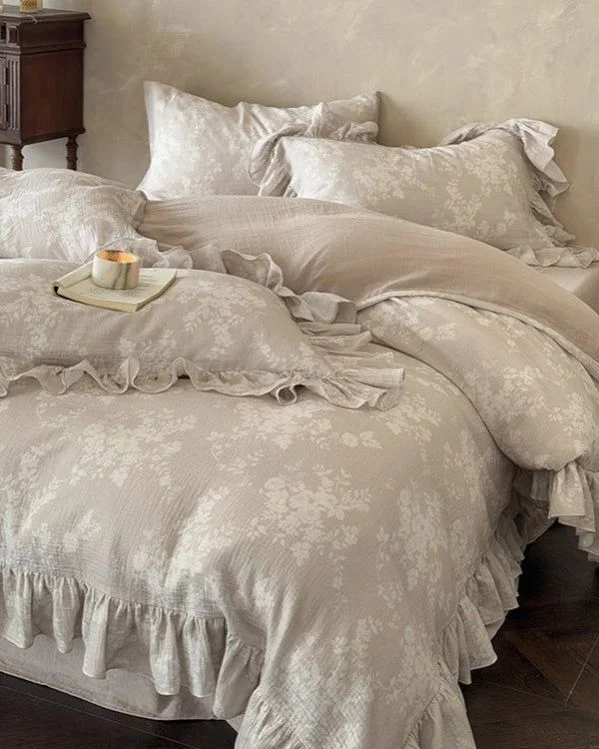
India hosts Kaka Overseas Ltd., which currently lists 27 active products across its catalogue. The company’s inventory is centred on floor coverings and textile apparel, specifically various rug constructions and silk ladies tops, as reflected in its top categories of Rugs, Handmade Rugs, Ladies Tops, Machine Made Rugs and Silk Rugs. Each entry in the catalogue identifies a distinct rug type - for example Hand Knotted Wool Area Rug, Hand Tufted Kids Wool Area Rug, Hand Knotted Silk Area Rug and Machine Woven Heatset Polypropylene Area Rug - as well as two silk‑based ladies tops. The product list also differentiates material families such as wool, silk, jute, polyester and polypropylene, indicating a focus on both natural and synthetic fibres.
The catalogue further distinguishes production techniques, including hand‑knotted, hand‑tufted, hand‑woven flat‑weave, and machine‑woven processes. Items such as Hand Knotted Persian Silk Area Rug and Hand Knotted Kazak Silk & Wool Area Rug illustrate the inclusion of high‑knot‑density silk blends, while entries like Machine Woven Crossweave Polyester Area Rug and Machine Woven Heatset Polypropylene Area Rug represent industrially produced synthetic carpets. The presence of both traditional Jute Area Rugs and modern Shag Polyester rugs shows coverage of low‑cost to premium market segments. Overall, the supplier’s offering spans 27 discrete rug and textile products that combine varied materials, construction methods and design intents.
Product Range and Specialties of Kaka Overseas Ltd.
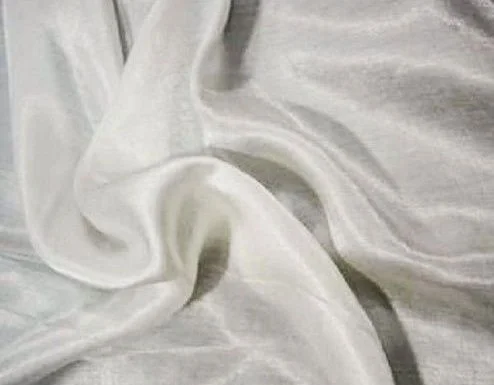
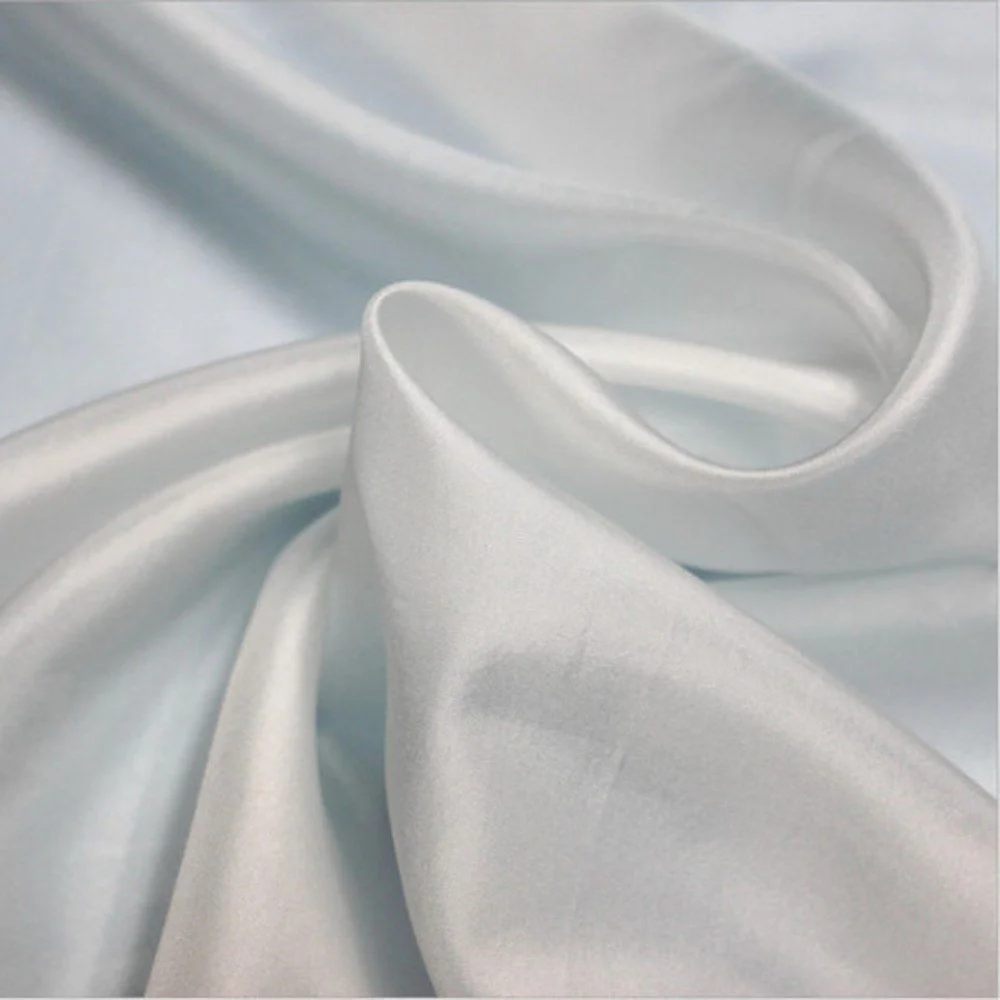
The listed hand‑knotted rugs are primarily constructed from wool, silk or wool‑silk blends, with typical knot densities ranging from 120 to 250 knots per square foot and pile heights of 5 - 12 mm for residential use. Hand‑tufted variants such as the Hand Tufted Wool Area Rug usually feature a tufted pile of 4 - 8 mm and a backing of jute or polypropylene for stability. Flat‑weave Kilim and Jute rugs are generally lighter, with a fabric weight of 200 - 350 g m⁻² and no pile, making them suitable for casual or outdoor settings. Machine‑woven synthetic rugs, including the Heatset Polypropylene and Cross‑weave Polyester models, commonly meet ISO 9001 quality management standards and are rated for abrasion resistance of 20,000 cycles (ASTM D3884). The two silk ladies tops are made from Mulberry silk, typically weighing 150 - 180 g m⁻², with a thread count of 200 TPI for a smooth drape. Industry practice for these product families includes offering standard sizes from 2 m × 3 m up to 5 m × 8 m, with custom dimensions available on request.
Trade and Export Information - Kaka Overseas Ltd.
India is a major exporter of floor coverings, classified under HS Chapter 57 (HS 5702 for carpets and other textile floor coverings). Export shipments from Indian rug manufacturers routinely target the United States, European Union, and Gulf Cooperation Council markets, where demand for hand‑crafted wool and silk rugs remains strong. Buyers in these regions often require compliance with fire‑safety standards such as NFPA 701 for polyester and polypropylene rugs, and may request Oeko‑Tex Standard 100 certification for natural fibre products to verify the absence of harmful chemicals. Synthetic carpet exports typically adhere to the REACH regulation for chemical safety, while natural fibre rugs may be accompanied by FSC or similar sustainability documentation when sourced from certified forests. Standard export packaging involves rolling rugs on reinforced cardboard cores, with a typical roll length of 2 m and a weight of 30 - 45 kg, allowing 20‑foot containers to hold 150 - 180 m² of product. Incoterms most frequently used are FOB Mumbai or CIF Rotterdam, reflecting established logistics routes for Indian textile exports.
Sourcing from Kaka Overseas Ltd. - Buyer Guidance
When sourcing from Kaka Overseas Ltd., buyers should request a detailed material composition certificate that specifies fibre percentages (e.g., 100 % wool, 70 % wool/30 % silk) and the exact knot count for hand‑knotted pieces. For synthetic rugs, a fire‑retardancy test report (ASTM D2859) and a REACH compliance statement are standard documents to verify safety for commercial interiors. Samples of the intended size and finish are advisable before confirming bulk orders, especially for hand‑crafted items where colour variation can occur between batches. Verify that the supplier can provide a production lead time of 30 - 45 days for hand‑knotted rugs and 15 - 20 days for machine‑woven polyester or polypropylene models, and confirm container loading plans to ensure the quoted volume fits within standard 20‑foot or 40‑foot containers. Requesting a third‑party inspection report (e.g., SGS or Bureau Veritas) prior to shipment can further assure compliance with the buyer’s quality and regulatory requirements.
Frequently Asked Questions About Kaka Overseas Ltd.
What types of rugs does Kaka Overseas Ltd. list in its catalogue?
The catalogue includes hand‑knotted wool, silk and wool‑silk area rugs, hand‑tufted wool and shag polyester rugs, flat‑weave jute and kilim rugs, and machine‑woven heatset polypropylene and cross‑weave polyester rugs.
Are the hand‑knotted rugs made from natural fibres?
Yes, the hand‑knotted items are specified as wool, silk, or blends of wool and silk, while some designs also incorporate jute for backing or decorative elements.
What certifications should a buyer request for these rugs?
Buyers typically request Oeko‑Tex Standard 100 for natural fibre rugs, fire‑safety test reports such as NFPA 701 for synthetic rugs, and a REACH compliance statement for polymer‑based carpets.
What are the common HS codes for the products offered?
Floor coverings like the listed rugs fall under HS 5702, which covers carpets and other textile floor coverings, a code used by customs for both natural and synthetic variants.
How are the rugs packaged for export?
Rugs are rolled on reinforced cardboard cores, wrapped in protective film, and stacked in 20‑foot or 40‑foot containers; a typical roll weighs 30 - 45 kg and measures about 2 m in length.
What documentation is needed before placing a bulk order?
Buyers should obtain a material composition certificate, knot‑density or pile‑height specification sheet, fire‑retardancy test report (if applicable), and optionally a third‑party inspection certificate.
What is the usual lead time for hand‑knotted versus machine‑woven rugs?
Hand‑knotted rugs generally require 30 - 45 days of production, whereas machine‑woven polyester or polypropylene rugs can be produced within 15 - 20 days.
Which markets import Indian rugs most frequently?
The United States, European Union countries and Gulf states are the primary import markets for Indian hand‑crafted and synthetic rugs.




 , India