Jmr Brass Industries — Supplier
About Jmr Brass Industries - Brass Hardware Supplier in India
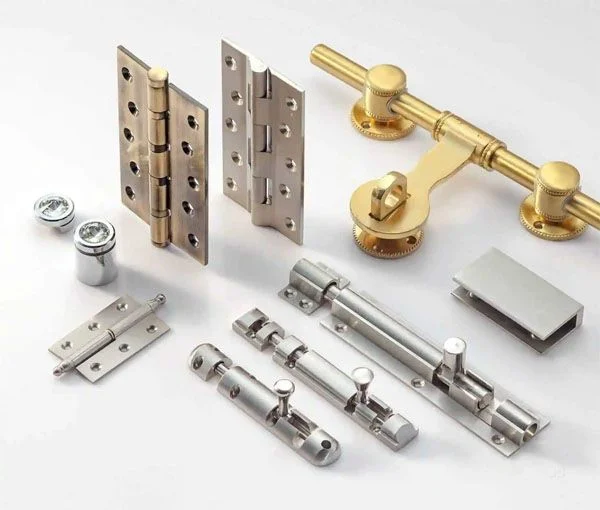
Jmr Brass Industries, based in India, offers a diverse range of 80 active products, primarily focusing on Brass Hardware, including Anchors, Screws, Pipe Valves, Bolts, and Industrial Valves & Gauges. Their product catalogue encompasses various brass components, such as Brass Bush, Brass Mini Ball Valve, and Brass Female Bush, with specific HS codes like 7407.21, 7415.33, and 7412.20, and materials including Brass CuZn39Pb3, Free-Cutting Brass, and Copper Alloy. The company's products are designed to cater to different industries and applications, with a strong emphasis on quality and precision. With its extensive product range, Jmr Brass Industries aims to provide comprehensive solutions for various industrial needs.
The company's location in India, a country known for its rich industrial heritage and growing manufacturing sector, enables it to leverage the local expertise and resources. This strategic location allows Jmr Brass Industries to maintain a competitive edge in the global market, while also ensuring that its products meet the stringent quality standards required by international buyers. The active product count of 80 items indicates a well-diversified product portfolio, catering to a broad selection of customer requirements, from simple brass components to complex industrial valves and gauges.
Product Range and Specialties of Jmr Brass Industries
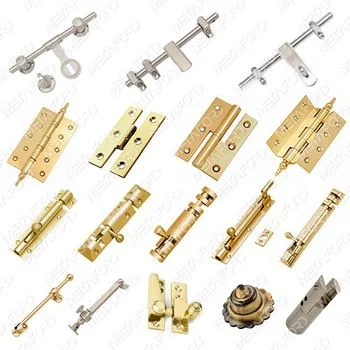
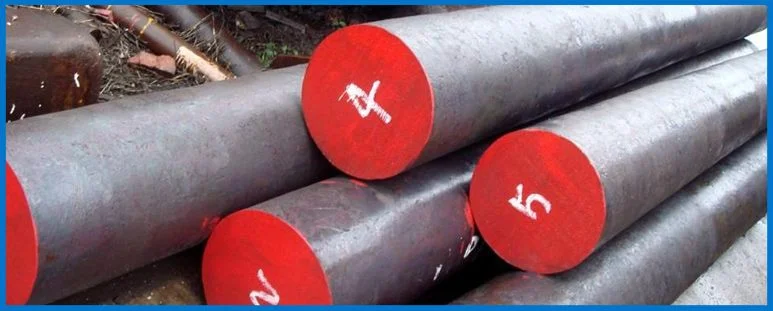
Jmr Brass Industries' product range is characterized by a variety of brass components, including fittings, valves, and electrical accessories. The catalogue includes products like Brass Bush, Brass Mini Ball Valve, and Brass Female Bush, made from materials such as Brass CuZn39Pb3 and Free-Cutting Brass. For buyers looking for specific grades or specifications, it is essential to request detailed product information, including material composition, dimensions, and tolerance levels. Typically, exporters of brass hardware, like Jmr Brass Industries, offer products that meet international standards, such as those specified by ASTM or DIN, ensuring compatibility and reliability across different applications and industries.
In the brass hardware category, buyers usually require products that meet specific quality and performance standards. For instance, the material composition, such as the percentage of copper, zinc, and lead, can significantly impact the product's durability and corrosion resistance. Requesting test reports, certifications, and samples can help verify the product's quality and ensure it meets the required specifications. Common certifications for brass hardware include ISO 9001 for quality management and ISO 14001 for environmental management, which demonstrate a supplier's commitment to quality and sustainability.
Trade and Export Information - Jmr Brass Industries
Exporters of brass hardware, like Jmr Brass Industries, typically cater to a global market, with a significant portion of their exports going to regions like North America, Europe, and Southeast Asia. The HS code families involved, such as 7407, 7412, and 8481, are crucial for determining the applicable tariffs, taxes, and regulatory requirements. Buyers should be aware of the Incoterms, such as CIF or FOB, which define the responsibilities and liabilities of both the buyer and the seller. For instance, CIF (Cost, Insurance, and Freight) indicates that the seller is responsible for the cost, insurance, and freight of the goods until they reach the buyer's port, while FOB (Free on Board) means the seller is only responsible until the goods are loaded onto the ship.
In terms of logistics, buyers should consider the packaging, labeling, and shipping requirements for brass hardware. Typically, these products are shipped in containers, such as 20 ft or 40 ft containers, and may require special handling and storage to prevent damage. The origin country's export context, in this case, India, plays a significant role in determining the export regulations, duties, and taxes applicable to the goods. Buyers should verify the supplier's compliance with these regulations and ensure that all necessary documents, such as commercial invoices and certificates of origin, are provided.
Sourcing from Jmr Brass Industries - Buyer Guidance
When sourcing from Jmr Brass Industries, buyers should request detailed product information, including specifications, test reports, and certifications. It is essential to verify the product's quality, material composition, and dimensions to ensure they meet the required standards. Buyers should also confirm the supplier's production capacity, lead time, and MOQ (Minimum Order Quantity) to plan their procurement effectively. Additionally, requesting samples and inspecting the goods before shipment can help prevent quality issues and ensure a smooth transaction.
Buyers should be aware of the common quality parameters and tests for brass hardware, such as tensile strength, corrosion resistance, and dimensional accuracy. Requesting these test reports and certifications can help verify the product's quality and ensure it meets the required specifications. Furthermore, buyers should consider the after-sales support and service provided by the supplier, including warranty, maintenance, and repair services, to ensure a long-term partnership and minimize potential issues.
Frequently Asked Questions About Jmr Brass Industries
What is the primary product category of Jmr Brass Industries?
The primary product category of Jmr Brass Industries is Brass Hardware, including Anchors, Screws, Pipe Valves, Bolts, and Industrial Valves & Gauges. They also offer other products like Electrical Components and Earthing Equipments.
What are the typical materials used in Jmr Brass Industries' products?
Jmr Brass Industries uses a variety of materials, including Brass CuZn39Pb3, Free-Cutting Brass, and Copper Alloy, with specific compositions like Cu 58-62%, Zn 38-42%, and Pb < 3%. The exact material composition may vary depending on the product and application.
What are the common certifications required for brass hardware?
Common certifications for brass hardware include ISO 9001 for quality management and ISO 14001 for environmental management. These certifications demonstrate a supplier's commitment to quality and sustainability.
What is the typical packaging and shipping method for brass hardware?
Brass hardware is typically shipped in containers, such as 20 ft or 40 ft containers, and may require special handling and storage to prevent damage. The packaging should be designed to protect the products during transportation and storage.
What are the common quality parameters and tests for brass hardware?
Common quality parameters and tests for brass hardware include tensile strength, corrosion resistance, and dimensional accuracy. These tests help verify the product's quality and ensure it meets the required specifications.
How can buyers verify the quality of Jmr Brass Industries' products?
Buyers can verify the quality of Jmr Brass Industries' products by requesting detailed product information, test reports, and certifications. They can also inspect the goods before shipment and consider requesting samples to ensure the products meet the required standards.
What is the significance of the HS code for brass hardware?
The HS code is crucial for determining the applicable tariffs, taxes, and regulatory requirements for brass hardware. It helps buyers and suppliers understand the product's classification and ensure compliance with international trade regulations.
What are the common Incoterms used in the trade of brass hardware?
Common Incoterms used in the trade of brass hardware include CIF (Cost, Insurance, and Freight) and FOB (Free on Board). These terms define the responsibilities and liabilities of both the buyer and the seller and should be clearly agreed upon before the transaction.




 , India